Oil Rig Explosion: Complete Explainer Guide
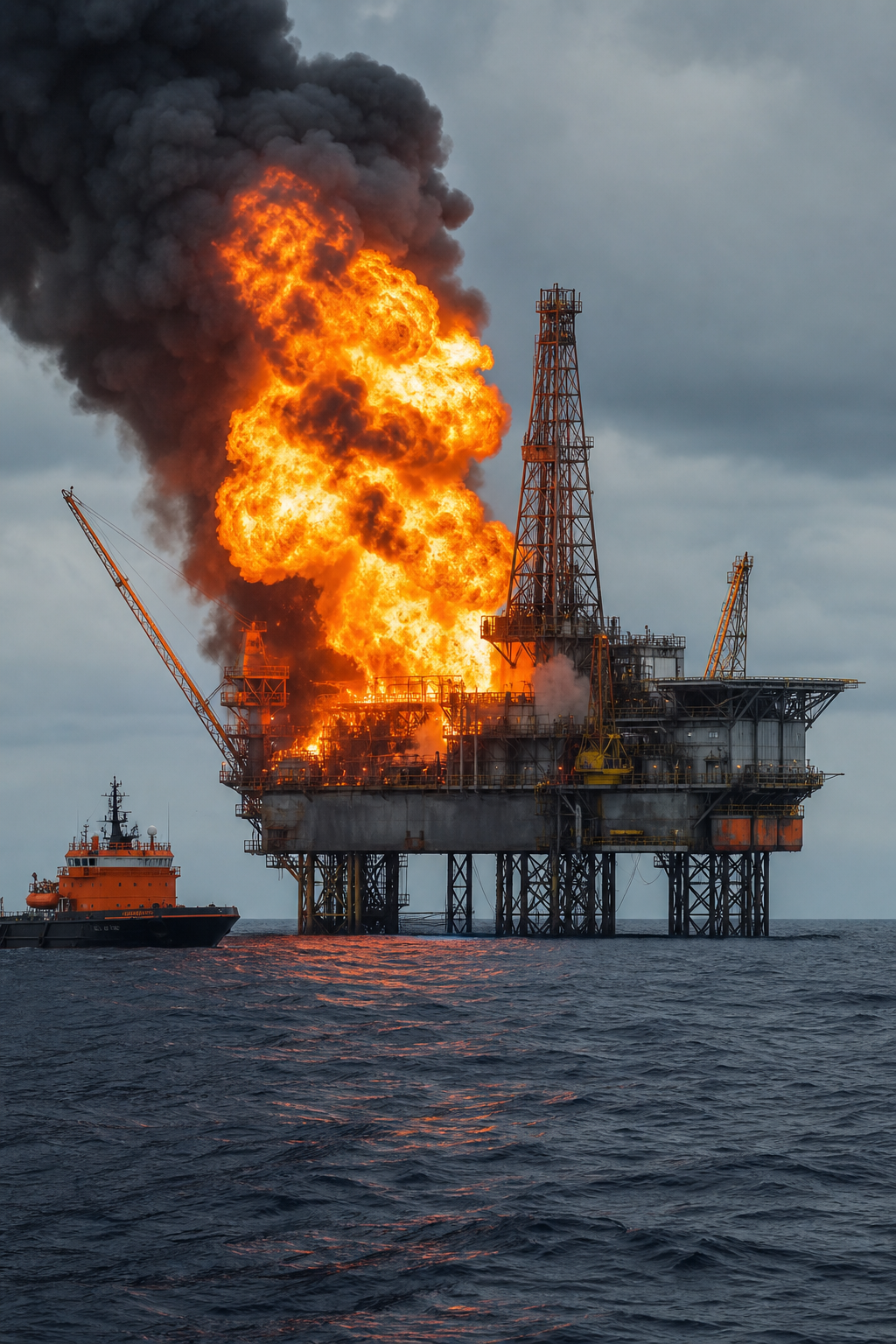
An oil rig explosion can turn a working platform into a disaster zone in seconds. Here’s the full explainer you need, from what starts it to how the law steps in.
What Triggers an Oil Rig Explosion?
Explosions on rigs begin with a sudden release of energy. The most common trigger is a loss of containment , a pipe or vessel ruptures and a flammable gas or vapor rushes out.
When that gas meets an ignition source, the mixture can ignite instantly. Ignition sources include hot work tools, electrical sparks, or even static discharge.
Pressure‑control failures also play a big role. If the blow‑out preventer (BOP) does not seal properly, well pressure can burst through the drill string and create a blast.
Human error often compounds these technical failures. Mis‑reading pressure readings, skipping a safety check, or using the wrong drill‑pipe size can turn a manageable situation into an explosion.
Regulatory guidance classifies these hazards into zones based on likelihood and severity. The classification helps engineers pick the right equipment and safe‑work practices. Hazardous‑area consultants explain the zoning system and why it matters for rig safety.
Common Causes of Oil Rig Explosions
Gas leaks are the leading cause. A tiny crack in a high‑pressure line can let methane or propane escape. If the leak goes unnoticed, the gas can accumulate in a confined space and ignite.
Blowouts are another frequent culprit. When drilling fluid pressure drops below formation pressure, oil, gas, or water can surge up the wellbore. Without a functioning BOP, the surge can turn into a massive blast.
Pressurised liquefied gases (PLGs) such as propane pose a special risk. A rupture can cause a boiling‑liquid‑expanding‑vapour explosion (BLEVE), which throws a powerful shock wave and fireball.
Equipment failure isn’t limited to pipes. Cables that carry power or control signals can overheat, melt, and spark. Using explosion‑rated cables reduces that risk. High‑quality, explosion‑rated cables are produced by manufacturers like top cable extrusion line providers, which design cables to survive the harsh offshore environment.
Event‑tree analysis shows how a single leak can evolve into several outcomes , fireball, jet fire, flash fire, or VCE (vapour‑cloud explosion). The Gexcon study walks through those pathways and explains why early detection matters.
Safety Measures and Prevention Strategies
Preventing an explosion starts with rigorous standards. OSHA and the International Association of Drilling Contractors (IADC) set requirements for equipment certification, personnel training, and emergency response.
Modern rigs use real‑time monitoring systems. Sensors detect pressure spikes, temperature changes, and gas concentrations. When a sensor flags an anomaly, alarms trigger automatic shutdown of the well‑control system.
Personal protective equipment (PPE) is another layer. Flame‑resistant clothing, self‑contained breathing apparatus, and head protection protect workers if a blast occurs.
Training drills keep crews ready. Simulated blow‑out scenarios let teams practice evacuations, BOP activation, and fire‑suppression tactics.
Technology from companies like Pelco adds visual oversight. High‑definition cameras with AI analytics spot unsafe behaviors and equipment faults before they become hazards. Pelco’s safety guide details how video intelligence integrates with existing safety programs.
Impact and Aftermath of Oil Rig Explosions
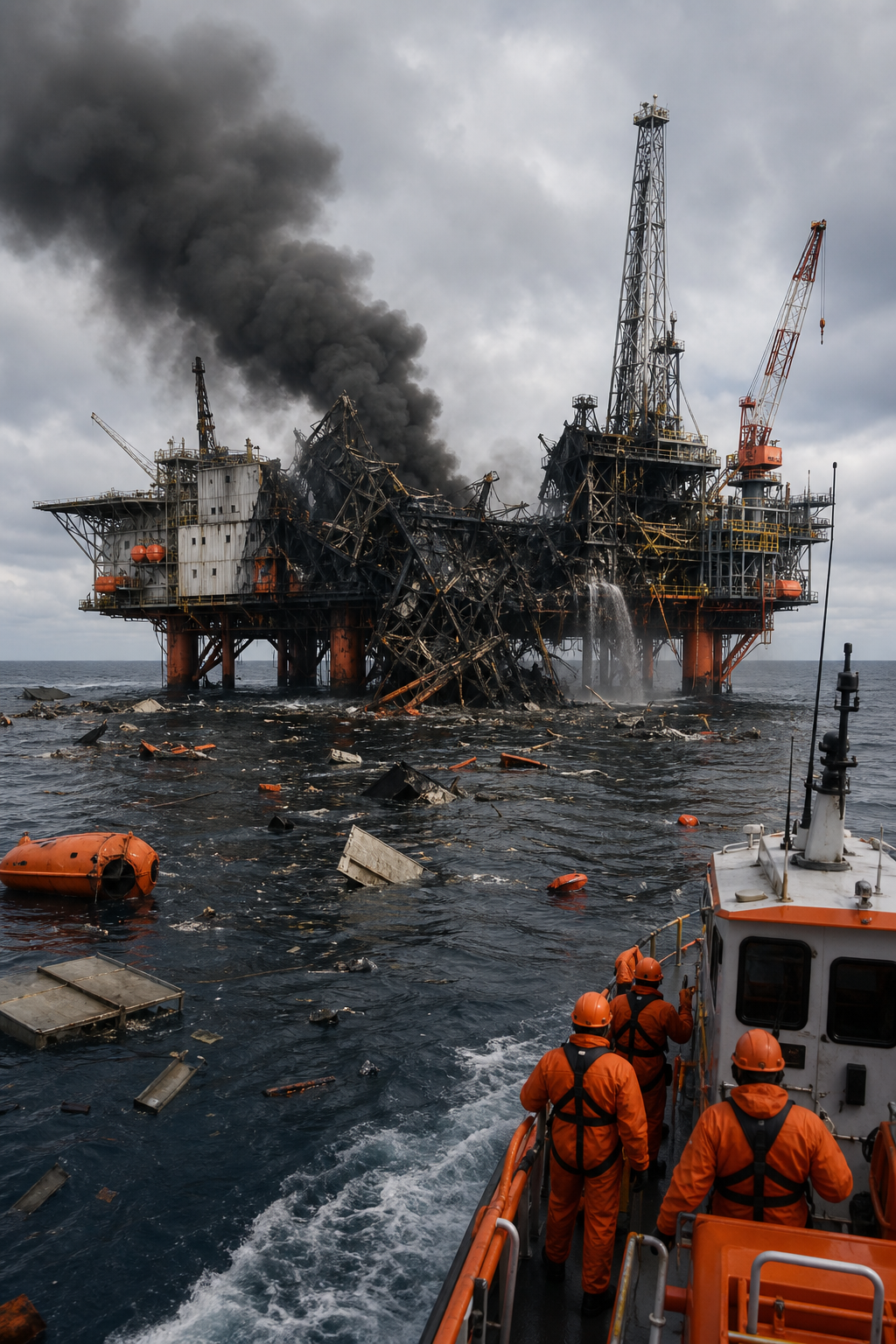
The immediate human toll can be severe. Burns, traumatic injuries, and loss of life are common when a blast strikes a populated deck.
Environmental damage follows quickly. Oil and gas released into the sea create slicks that harm marine life, coat shorelines, and disrupt fisheries.
Economic fallout spreads beyond the operator. Production downtime can cost millions per day. Repairing a damaged rig often runs into the hundreds of millions, and insurance premiums rise for the whole sector.
Long‑term studies show that large spills affect local economies for years. The OSPAR assessment notes that offshore oil and gas incidents lead to lasting ecological and socioeconomic consequences according to its 2023 report.
Financial recovery can be aided by equipment financing. Companies often turn to specialized financing programs to replace damaged machinery without crippling cash flow. A guide on HVAC financing illustrates how similar large‑scale equipment upgrades are funded best HVAC financing plans, showing the principle applies to rig gear as well.
Legal Implications and How maritimeattorney.ai Can Help
When an explosion occurs, liability can fall on the operator, equipment manufacturers, or subcontractors. U.S. maritime law, especially the Jones Act, gives injured workers the right to sue for negligence and loss of wages.
Federal statutes also require operators to report incidents within 24 hours and to cooperate with investigations by the Bureau of Safety and Environmental Enforcement (BSEE).
Compensation claims often involve medical expenses, lost earnings, and future disability. Proving negligence means gathering logs, sensor data, maintenance records, and eyewitness statements.
That’s where maritimeattorney.ai steps in. The platform uses AI to organize evidence, identify legal precedents, and draft claim documents. It helps claimants stay on top of filing deadlines and negotiate with insurers.
For a deeper look at offshore injury rights, see the Understanding Offshore Injury guide. It walks through the steps from medical care to filing a claim.
Modern safety apps also aid legal teams. Interviews with developers on Tap & Swipe describe how mobile alerts record real‑time incident data, which can become key evidence in court.
FAQ
What causes an oil rig explosion?
The direct cause is usually a sudden release of flammable gas or vapor that meets an ignition source. Common triggers include pipe ruptures, blowouts, and equipment sparks.
How can I tell if a gas leak is dangerous?
Dangerous leaks show up as a hissing sound, odor, or a drop in pressure readings. Sensors that detect methane or propane can alert crews before the gas builds to explosive levels.
What safety standards apply to offshore rigs?
OSHA and IADC set the core safety standards for offshore drilling. They require regular equipment inspections, certified PPE, and documented emergency‑response drills.
Can victims of an oil rig explosion sue?
Yes. Under the Jones Act and other maritime statutes, injured workers can file negligence suits against the rig owner or responsible parties.
How does maritimeattorney.ai assist with claims?
The service organizes evidence, suggests legal arguments, and helps draft claim letters, making the process faster and more organized for claimants.
What’s the environmental impact of a rig explosion?
Explosions can release oil, gas, and hazardous chemicals into the ocean, harming marine life, contaminating shorelines, and affecting local fisheries for years.
Understanding the chain of events, from trigger to impact, helps operators improve safety and gives injured workers a clearer path to compensation.
Conclusion
Keep explosion risk low by following strict standards, using real‑time monitoring, and training crews for rapid response. If an incident does occur, let maritimeattorney.ai guide you through the legal process and protect your rights.