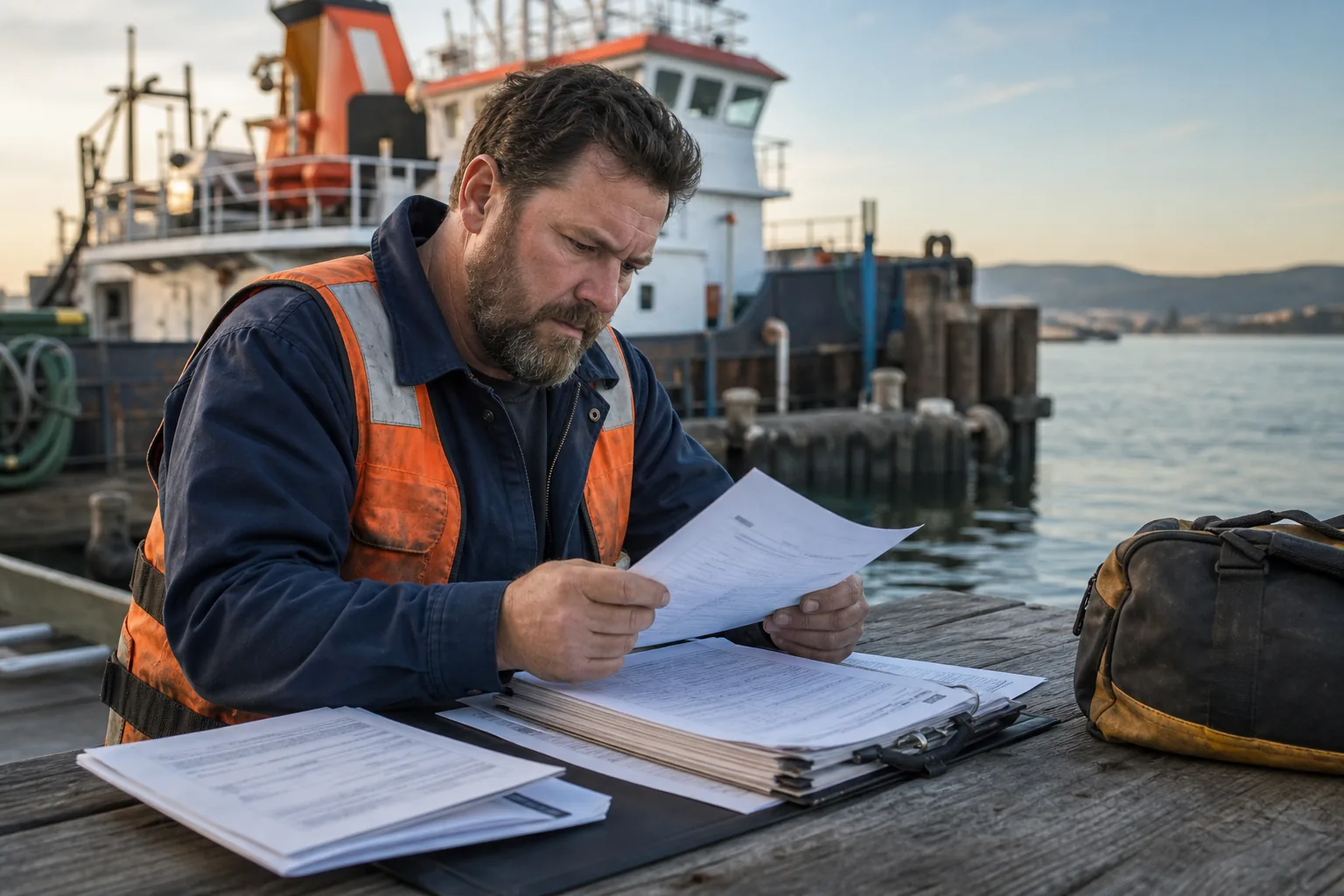
Understanding Offshore Injury: Causes, Rights, and Prevention
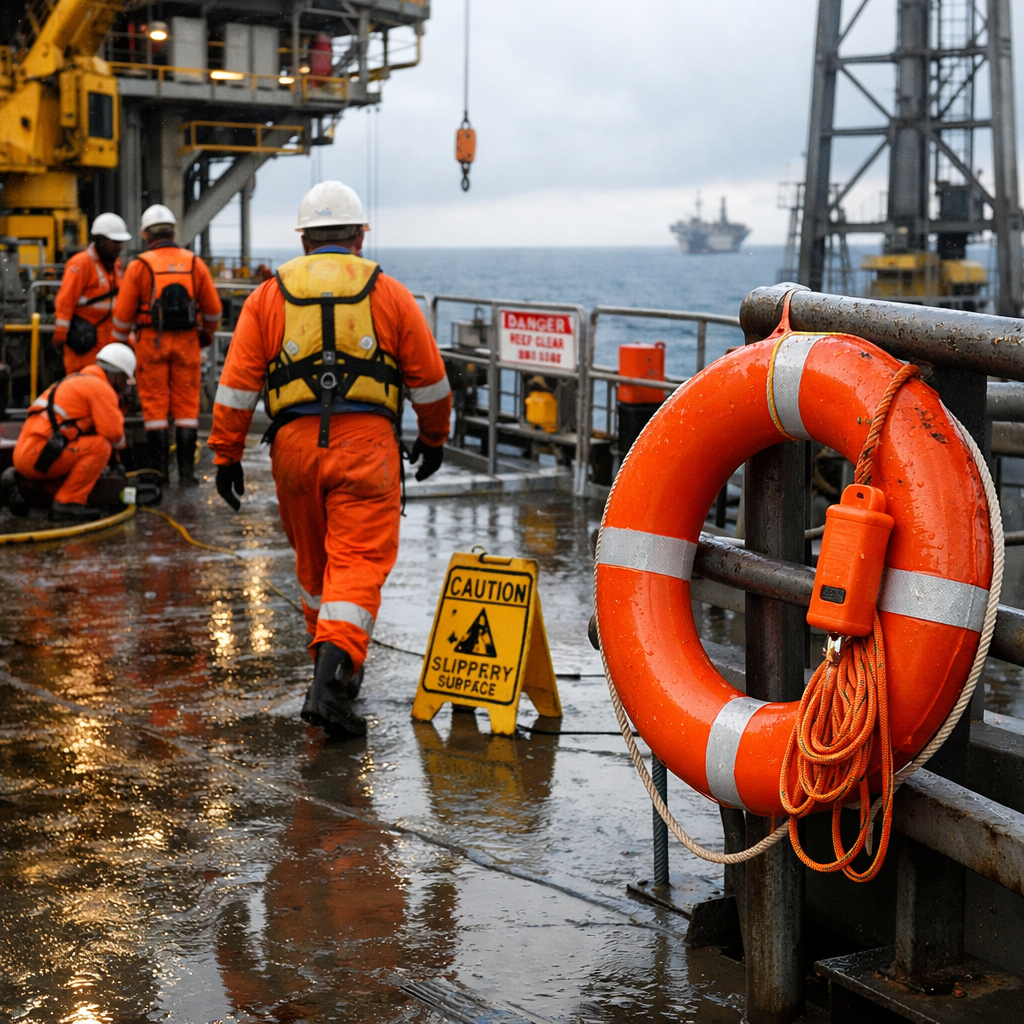
Offshore injury is a hidden danger that can turn a day at sea into a life‑changing event. Workers on rigs, vessels, or in ports face hazards that most land‑based jobs never see. In this guide you’ll discover what qualifies as an offshore injury, why it happens, what legal protections exist, and how you can keep yourself safe before an accident even begins.
What Is an Offshore Injury?
In simple terms, an offshore injury is any accident that hurts a worker while they are working beyond the U.S. shoreline. It covers slips on a moving deck, burns from a rig fire, or a broken bone after a fall from a platform. The law treats these incidents differently from typical workplace injuries because the work happens in a maritime environment, often far from a hospital.
Because the ocean is a hostile setting, the impact of an injury can be severe. A broken ankle on a stable dock may be a short recovery, but the same injury on a swaying oil rig can mean days without medical help, exposure to the elements, and lost wages that pile up fast.
Workers in Texas, Louisiana, and the Gulf of Mexico see the highest numbers of offshore injuries. The industry’s size, thousands of rigs and vessels, means that even a small safety lapse can affect many lives.
Special filing rules apply to offshore cases. Unlike regular workers’ comp, you often need to prove negligence on the part of the vessel owner or rig operator. That’s why having a lawyer who knows maritime law is important.
Longoria Law explains that offshore injuries include accidents on fishing boats, oil rigs, and other maritime workplaces. Their description highlights how costly these injuries can be, both financially and personally.
Data collected by the Bureau of Safety and Environmental Enforcement shows that incidents on offshore platforms remain a significant safety concern. The agency tracks injuries, spills, and equipment failures to spot trends and push for safer practices.
Understanding the definition helps you recognize when an event qualifies for a claim. If you ever wonder whether a fall on a deck counts, remember the key factor: the work must be performed off the shore of the United States.
If you need a clear step‑by‑step on what to do right after an accident, check out What to Do After an Offshore Injury , A Usable Guide. Acting quickly protects your health and your legal rights.
And remember, the sooner you document the scene, photos, witness names, and medical reports, the stronger your claim will be.
Pro Tip: Keep a portable waterproof notebook on deck. Jot down details as soon as you can; memory fades fast on a moving platform.
Common Causes and Risk Factors
Offshore work mixes heavy equipment, high pressure, and unpredictable weather. Those three ingredients create a recipe for injuries if safety steps slip.
Falls are the single biggest source of harm. Slippery decks, uneven walkways, and the constant motion of a vessel mean a misstep can send a worker tumbling. In many cases the fall leads to broken bones or spinal injuries that require surgery.
Fire and explosions are another major threat. Oil rigs handle volatile chemicals, and a tiny spark can ignite a blaze that spreads in seconds. When a fire erupts, workers face burns, smoke inhalation, and the need for rapid evacuation.Equipment hazards also rank high. Crane slings, rotating drill strings, and heavy tools can swing or drop without warning. Getting caught in a moving part often results in crush injuries or amputations.
Chemical exposure adds a silent danger. Gases like hydrogen sulfide (H₂S) smell like rotten eggs but can knock a person out in moments. Even low‑level exposure over time can cause respiratory disease.
Heavy‑load handling leads to back strains and musculoskeletal disorders. Workers who lift without proper support or who carry uneven loads are prone to chronic pain.
Weather amplifies every risk. High winds can push a worker off a platform, and sudden seas can make a stable walkway treacherous.
Below is a quick snapshot of the most common injury types reported in 2022:
Each row tells a story of how a small oversight can become a serious injury. For example, a worker on a Gulf of Mexico rig missed a self‑closing swing gate and fell, breaking two vertebrae. The accident could have been avoided with a simple lock‑out procedure.
Zehl Law outlines the five most common rig injuries and why they happen. Their analysis points to training gaps and lax safety culture as root causes.
And think about the human side: fatigue, long hours, and isolation can dull a worker’s attention. When you combine tired eyes with a slick deck, the odds of a slip rise dramatically.
By recognizing these causes, you can start to break the chain before an accident occurs.
Legal Implications and Compensation Rights
If you suffer an offshore injury, the law offers several avenues for compensation, but each comes with its own rules.
The Jones Act lets seamen sue their employers for negligence. To win, you must show that the employer failed to provide a safe environment. Success under the Jones Act often yields higher payouts because it includes pain and suffering, not just medical costs.
The Longshore and Harbor Workers’ Compensation Act (LHWCA) provides a different route. It offers medical benefits and wage replacement, but it generally excludes pain‑and‑suffering damages. The LHWCA applies whether you work on a vessel or a fixed offshore platform.
Both statutes have strict filing deadlines. The Jones Act usually requires a claim within two years of the injury, while the LHWCA demands notice within 30 days and a formal claim within one year. Missing these windows can bar you from any recovery.
Because maritime law is complex, many injured workers hire lawyers who specialize in offshore cases. These attorneys know how to handle the “maintenance and cure” doctrine, which obligates employers to cover all medical expenses and a daily living stipend until you’re fit to return to work.
BoatLaw outlines the key legal steps for oil‑rig injury victims. Their guide explains how early legal help can protect your rights and speed up claim processing.
When you file a claim, expect a detailed investigation. The insurer will request medical records, witness statements, and logs from the vessel. They may also bring in an independent medical examiner.
Compensation can cover:
- Hospital bills and ongoing treatment
- Lost wages and future earning potential
- Disability payments for long‑term impairments
- Pain and suffering (Jones Act only)
But there are pitfalls. Some employers try to settle quickly for a low amount, hoping you’ll accept before fully understanding the long‑term impact. Others may argue that the injury was “non‑work‑related” to dodge liability.
"Working offshore presents unique safety challenges that require specialized legal and medical support to ensure injured workers receive proper compensation." , OSHA
Choosing a lawyer who can prove negligence, like a missing guardrail or a failure to train on H₂S protocols, makes the difference between a modest settlement and a life‑changing award.
Prevention Strategies and Best Practices
Prevention is the most cost‑effective way to avoid an offshore injury. While you can’t control the weather, you can control how you prepare for it.
Personal protective equipment (PPE) is the first line of defense. Flame‑resistant clothing, steel‑toe boots, and high‑visibility vests protect against burns, crushing injuries, and being seen in low light. Slip‑resistant soles help keep your footing on oily decks.
Regular safety drills reinforce emergency response. Workers should rehearse evacuation routes, fire‑hose use, and how to don a full‑body immersion suit. A drill that runs monthly reduces panic when a real event occurs.
Equipment maintenance can’t be ignored. A weekly checklist that includes checking pressure gauges, inspecting uses, and verifying that safety gates lock properly catches problems before they cause harm.
Training programs that cover hazardous gas detection, proper lifting techniques, and fall‑arrest systems are essential. When a crew member learns how to test for hydrogen sulfide with a portable monitor, they can prevent a lethal exposure.
YourSafetyShop lists the must‑have PPE for offshore work, from flame‑resistant shirts to respirators. Their guide helps you match gear to the specific hazards you face.
Beyond gear, a safety culture matters. Encourage workers to speak up if they ing, not just compliance.
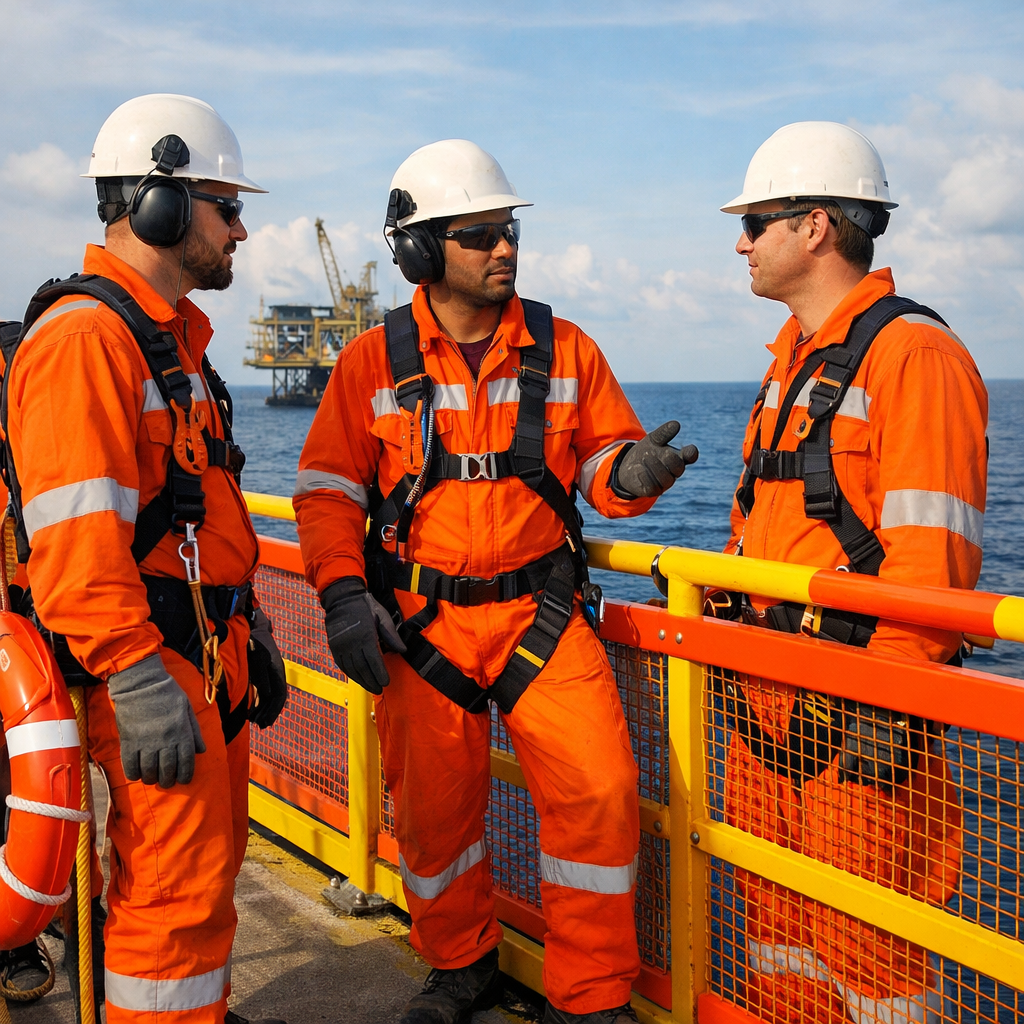
And don’t forget mental health. Fatigue and stress increase the likelihood of mistakes. Schedule regular rest periods and provide access to counseling services.
When you combine proper equipment, consistent training, and a culture that values safety, the chance of an offshore injury drops dramatically.
FAQ
What qualifies as an offshore injury?
An offshore injury is any work‑related harm that occurs beyond the U.S. shoreline, whether on a vessel, oil rig, or offshore wind farm. It includes falls, burns, chemical exposures, and equipment‑related accidents. The injury must happen while performing job duties, and the location must be off the coast of the United States.
How long do I have to file a claim under the Jones Act?
The Jones Act generally requires you to file a lawsuit within two years of the injury date. Some cases may have shorter or longer windows depending on the facts, so it’s wise to consult a maritime attorney as soon as possible to protect your rights.
Does the LHWCA cover pain and suffering?
No. The Longshore and Harbor Workers’ Compensation Act provides medical benefits and wage replacement but does not include compensation for pain and suffering or punitive damages. For those damages, a Jones Act claim is usually the better route.
What should I do immediately after an offshore accident?
First, get medical help, call the ship’s medic or request evacuation. Then, document the scene: take photos, note weather, and collect witness names. Report the incident to your supervisor in writing, and keep copies of all paperwork for future reference.
Can I sue my employer if they were negligent?
Yes. Under the Jones Act, you can sue your employer for negligence that caused the injury. You must prove that the employer failed to provide a safe working environment, which often involves showing missing safety equipment or inadequate training.
Are there any time limits for filing a claim under the LHWCA?
You must give notice of the injury to your employer within 30 days, and a formal claim must be filed within one year of the injury. Missing these deadlines can bar you from receiving any benefits.
Do offshore workers get the same workers’ comp as land workers?
No. Offshore workers fall under maritime statutes like the Jones Act and LHWCA, which have different benefit structures and filing requirements. These laws are designed for the unique risks of maritime work.
What role does a maritime lawyer play in my case?
A maritime lawyer helps you handle complex statutes, gathers evidence, and negotiates with insurers. They ensure deadlines are met, calculate full damages, including future lost earnings, and represent you in court if settlement talks fail.
Conclusion
Offshore injury may sound like a distant risk, but for anyone who works on a rig, vessel, or offshore platform, it’s a real and present danger. Knowing the definition, the most common causes, and the legal pathways to compensation helps you to act quickly and protect your livelihood.
Preventive measures, proper PPE, rigorous training, and a strong safety culture, can dramatically lower the odds of an accident. If an injury does occur, the Jones Act and LHWCA offer routes to recover medical costs, lost wages, and, in some cases, pain and suffering. The key is to act fast, document everything, and enlist a lawyer who understands maritime law.
Ready to protect yourself and your crew?Try our safety management solution free →
For personalized help, consider speaking with a maritime injury attorney who can evaluate your case and guide you through the claims process. Your health and future are worth the effort.