Top 7 Cruise Ship Injuries You Need to Know
Imagine stepping onto a ship that feels like a floating resort. You’re ready for sun, sea, and fun. But a hidden danger can turn that dream into a nightmare. In the next few minutes you’ll see the seven injuries that pop up most often on cruise ships, why they happen, and what you can do to stay safe.
We’ll walk through each risk, give real‑world tips, and point out the signs that a problem is brewing. By the end you’ll know how to spot trouble early, protect your health, and keep your vacation on track.
1. Slip and Fall Injuries , Common Deck Accidents
Slip and fall claims make up a big chunk of cruise ship injury cases. A study of a single vessel logged 663 injuries over three years, and 12.5% of those were serious. The deck’s hard surfaces, wet floors, and crowded walkways create the perfect storm for broken bones, lacerations, and even traumatic brain injuries.
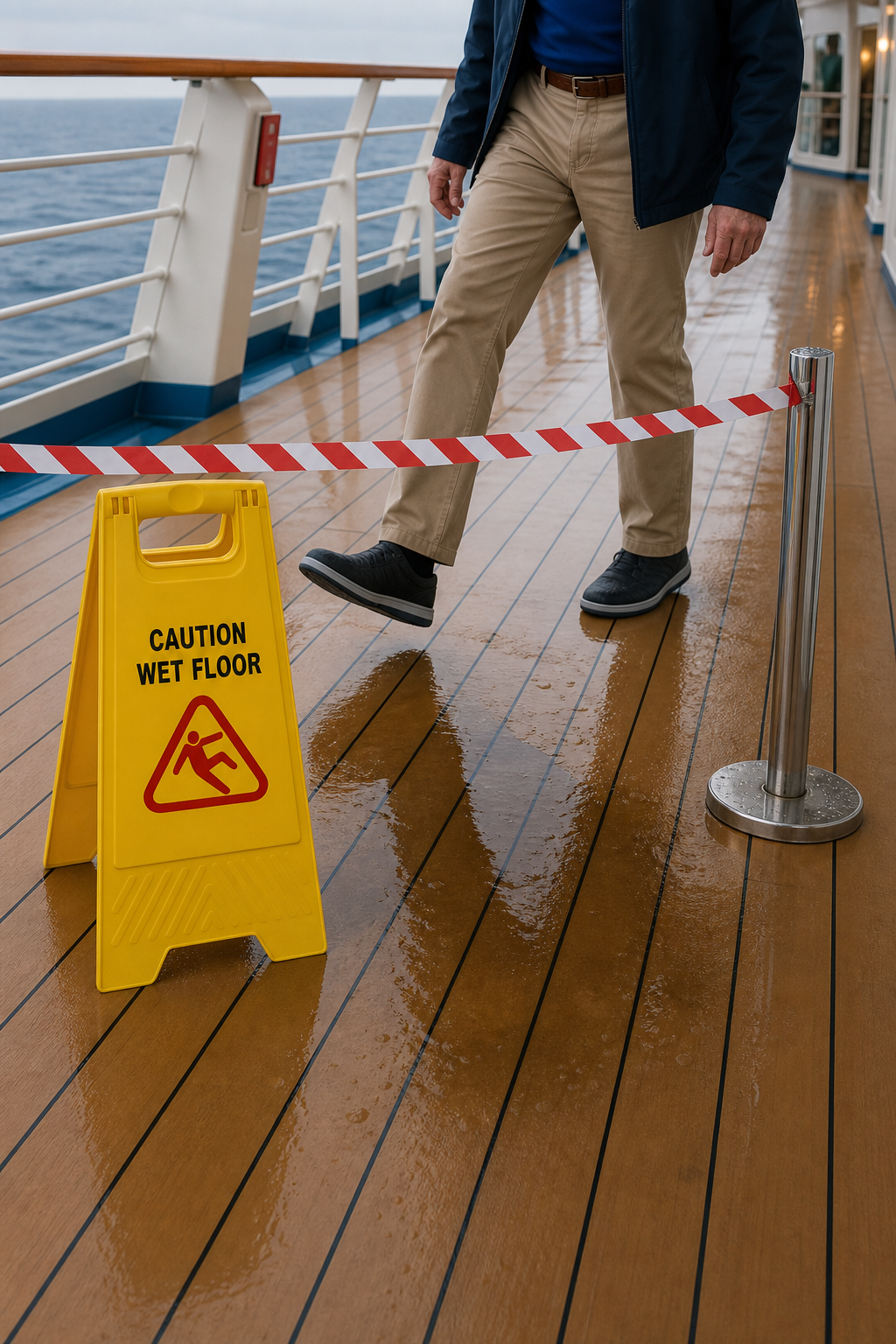
Why do these accidents happen? Crew members may be cleaning decks without clear warning signs. A wet spot left unchecked can be invisible under a sunny glare. Uneven flooring near stairways or gangways adds another hazard. When a passenger steps on a slick spot, the result can be a twisted ankle or a fractured wrist.
What can you do to lower the risk?
- Wear shoes with non‑slip soles the whole time you’re on deck.
- Watch for “wet floor” tape or signs and avoid those areas until they’re cleared.
- Move slowly in crowded areas, especially near the pool or buffet lines.
- Report any hazardous conditions to crew right away; ask for a written record if you think you may be injured.
Real‑world example: a family on a Caribbean cruise slipped on a freshly mopped deck near the bar. The father broke his wrist, missed a day of shore excursions, and filed a claim that cited the lack of warning signs. The ship’s insurer settled after the crew admitted the deck had been cleaned just minutes before the accident.
Legal experts say that when a ship fails to post adequate warnings, it can be held liable for the injury. Ankin Law details how slip‑and‑fall cases are built on evidence of negligence. Bottom line: stay alert, wear the right shoes, and never hesitate to tell the crew about a slick spot.
2. Motion Sickness & Dehydration , Health Risks at Sea
Most people think seasickness is just a little nausea that passes. In reality, it can lead to dehydration, vomiting, and even fainting if you don’t act fast. The inner ear senses the ship’s motion while your eyes see a stable horizon, and the mismatch throws your balance off.
How to keep it at bay?
- Choose a stateroom in the middle of the ship on a lower deck , the sway feels less there.
- Keep a window or balcony open for fresh air and a clear view of the horizon.
- Carry over‑the‑counter remedies like ginger tablets or motion‑sickness patches. Apply a scopolamine patch at least four hours before sailing.
- Stay hydrated. Sip water all day, especially after any vomiting episode.
- Eat small, bland meals. Heavy foods can worsen nausea.
Celebrity Cruises’ ships are equipped with stabilizers that reduce roll to under one percent, which helps many passengers avoid severe motion sickness. The line’s blog notes that most guests feel better after a day or two as their “sea legs” develop.
Imagine you’re on the deck at sunset, feeling a bit queasy. A quick walk to the open deck, a deep breath of salty air, and a sip of ginger ale can reset your system. If symptoms persist, the ship’s medical center can provide stronger meds.
Even with these steps, dehydration can sneak up on you. A lost day of shore activities, a missed excursion, and a costly medical visit are all possible. The key is to treat the first hint of nausea seriously and hydrate before it escalates.
For more on preventing seasickness, check the official cruise line guide here. Remember, a small habit now can save you from a miserable voyage later.
3. Swimming Pool Accidents , Drowning & Injuries
Pool decks are a magnet for fun, but they also host some of the most tragic cruise ship injuries. Drowning claims have risen over the past decade, especially among children. A lack of lifeguards on many ships used to be the norm, but major lines now station trained staff at most pools.
Why do accidents still happen?
- Unattended children or adults slipping into deep water.
- Slippery poolside tiles after rain.
- Faulty pool gates or missing safety rails.
- Overcrowding leading to push‑and‑shove incidents.
Here’s a real case: a toddler on a Caribbean cruise slipped from a pool chair, fell into the water, and was pulled out by a crew member after a frantic 30 seconds. The family sued, citing the ship’s failure to have a lifeguard on duty during that time slot. The settlement covered medical costs and trauma counseling.
Legal firms argue that cruise lines have a duty to provide reasonable supervision. Lipcon Law notes that lifeguard presence dramatically cuts drowning risk. Royal Caribbean’s FAQ confirms that they now require lifeguards at all pools according to their policy.
When you’re on deck, keep these habits:
- Never leave children alone, even for a moment.
- Use non‑slip sandals on the pool deck.
- Stay within your swimming ability; avoid deep sections if you’re not a strong swimmer.
- Watch for posted depth markers and obey any “no swim” signs during rough seas.
By treating the pool like any other activity zone, respect rules, stay alert, and watch kids, you lower the chance of a tragedy.
4. Foodborne Illnesses , Cruise Buffets Risks
Buffet lines are a highlight of any cruise, but they also bring a hidden germ risk. The Vessel Sanitation Program (VSP) tracks outbreaks of gastrointestinal illness on ships. Recent data shows that hundreds of passengers fall ill each year from contaminated food or water.
What fuels these outbreaks?
- Poor food handling practices in busy galley kitchens.
- Cross‑contamination between raw and cooked items.
- Improper temperature control of hot or cold foods.
- All‑you‑can‑eat formats that encourage quick turnover and less thorough cleaning.
To protect yourself, follow a simple routine:
- Wash your hands before you eat and use sanitizer stations if they’re available.
- Watch for “fresh plate” rules , never reuse a plate for seconds.
- Use tongs and serving spoons, never your hands.
- Pick foods that are kept hot (above 140°F) or cold (below 40°F).
- If a dish looks or smells off, skip it.
Consider this scenario: a family ate a seafood salad from the buffet and all four members got vomiting and diarrhea within 12 hours. The ship’s medical team diagnosed a norovirus outbreak. The CDC later confirmed the ship had failed to meet sanitation standards, leading to a hefty fine.
Official guidance from the CDC underscores the importance of hand hygiene and proper food temperature here. Bottom line: a few extra minutes of hand‑washing can keep you from a miserable trip.
5. Fire & Smoke Injuries , Cabin & Ship Emergencies
Fires at sea are rare, but when they happen the consequences can be severe. A blaze can spread quickly through tight corridors, and smoke inhalation often causes more harm than the flames themselves.
Common fire triggers include kitchen mishaps, electrical faults, and improper storage of flammable items. Crew training and fire‑suppression systems are mandatory, yet human error still slips through.
What should you do if you hear a fire alarm?
- Stay low to avoid inhaling smoke.
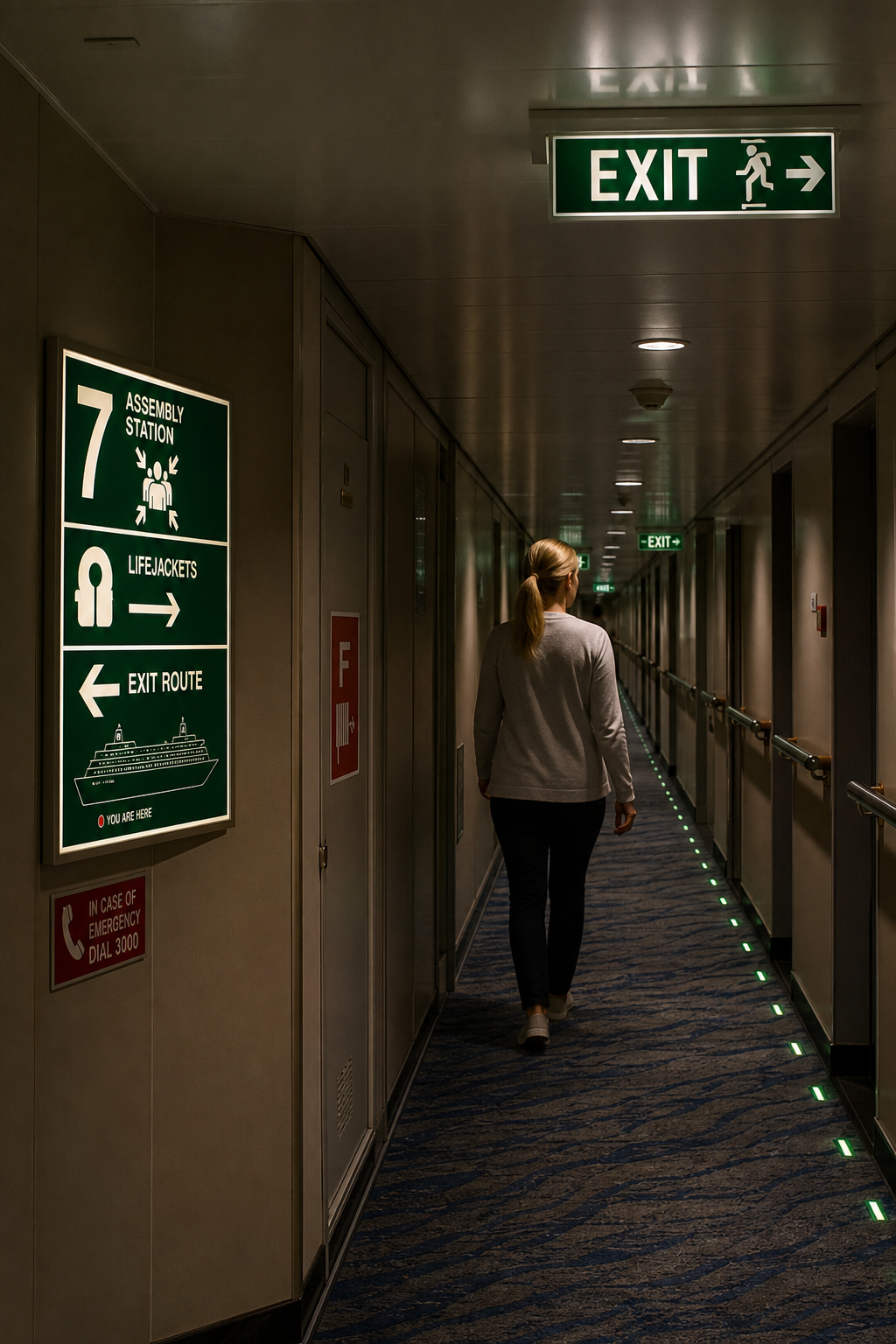
- Follow the illuminated exit signs; they’re designed to stay lit even if power fails.
- Don’t use elevators; take stairs instead.
- If your cabin door is hot, seal the gap with a wet towel and wait for crew assistance.
- Report any smoke or fire signs to staff immediately.
Legal analysis shows that cruise lines must maintain fire detection, alarm, and suppression systems that meet international maritime standards. When they fall short, passengers can claim negligence. Maritime Injury Center outlines how fire‑related claims are evaluated. A notable case involved a cabin fire caused by an overheated electrical heater; the line settled for medical costs and temporary housing.
Take a moment to locate the nearest fire‑escape route when you board. Knowing the path ahead of an emergency can shave minutes off evacuation time.
6. Medical Facility Delays , Treatment Challenges Onboard
Most cruise ships have a medical center staffed by doctors and nurses, but the resources are limited. Complex injuries may require evacuation to a shore hospital, and that process can be delayed by weather, ship location, or paperwork.
What limits on‑board care?
- Equipment is geared for acute care, not major surgery.
- Doctors may lack specialty certifications for certain conditions.
- Evacuation requires coordination with the ship’s captain and local authorities.
- Insurance may not cover the full cost of a shore‑side hospital stay.
Imagine you sprain an ankle badly during an excursion. The ship’s infirmary can bandage it, but the swelling needs an X‑ray that isn’t available. The crew arranges a medical evacuation at the next port, but a storm forces a delay of 12 hours. In the meantime, pain medication helps, but you miss a day of sightseeing.
Royal Caribbean’s medical policy states that ships are equipped with cardiac monitors, ventilators, and basic imaging, and that doctors have 24‑hour access to shore‑side specialists according to their regulations. MedJetAssist notes that medevac flights can cost up to $200,000, underscoring why travel insurance that covers medical evacuation is essential here.
Usable steps:
- Purchase travel insurance that includes medical evacuation.
- Ask the crew about the ship’s medical capabilities before you board.
- Keep a copy of your prescription list and any chronic condition details handy.
- If you need a specialist, request a tele‑consult with the shore‑side doctor as soon as possible.
Being prepared can turn a potentially long wait into a smooth handoff to a shore hospital.
7. Personal Property Theft & Assault , Safety Concerns
Crime on cruise ships has risen sharply in recent years. The Department of Transportation reported 44 crimes across all lines in Q4 2025, with Royal Caribbean leading the count. Sexual assault made up the majority of those incidents.
Why does crime happen at sea?
- Large crowds in confined spaces create anonymity.
- Alcohol consumption can lower inhibitions and spark altercations.
- Cabin doors are often left unlocked for convenience.
- Limited security presence on lower decks.
Steps to protect yourself and your belongings:
- Use the in‑cabin safe for valuables; lock the door when you’re out.
- Travel with a trusted buddy; let someone know your itinerary each night.
- Avoid excessive alcohol; stay aware of your surroundings.
- Report any suspicious behavior to security immediately.
A case study: a passenger’s laptop was stolen from a balcony while they were at dinner. The ship’s CCTV captured the thief, and the cruise line settled the claim after the passenger filed a formal report within the required six‑month window.
Legal analysts say that cruise lines owe a “heightened duty of care” as common carriers. They must take reasonable steps to prevent foreseeable harm. Cruise Law News details the recent crime statistics. Knowing the risk helps you stay vigilant.
What to Look for in Cruise Ship Injury Support
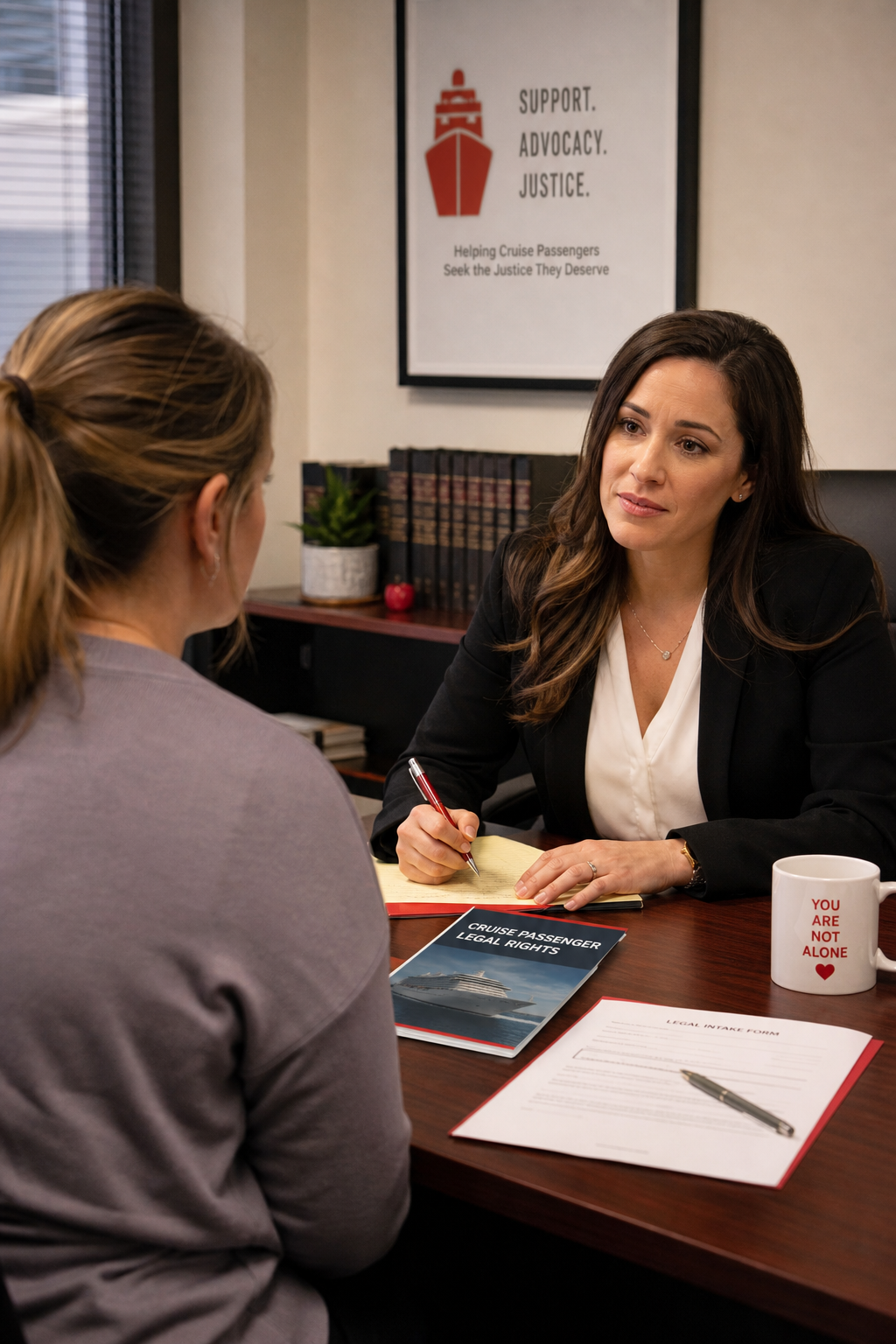
If you’ve been hurt on a cruise, you need more than first‑aid. You need a clear plan for medical care, documentation, and legal recourse. Look for a provider that helps you gather the ship’s incident report, contacts the crew for evidence, and knows the maritime statutes that apply.
Key factors include:
- Experience with the Jones Act and the Federal General Maritime Law.
- Ability to file a claim in the jurisdiction required by the ticket.
- Transparent fee structure, often on a contingency basis.
- Strong track record of settlements for slip‑and‑fall, pool, and fire injuries.
One resource that walks you through the steps is How to Choose the Right Cruise Ship Injury Lawyer in 2026. It explains what evidence to collect and how to protect your rights before you disembark.
FAQ
What should I do immediately after a cruise ship injury?
First, get medical attention from the ship’s infirmary. Ask for a written incident report and keep a copy of all medical records. Notify the cruise line in writing within the time frame listed on your ticket, usually six months. Preserve any evidence like photos of the scene or witnesses’ contact info. This documentation will be critical if you decide to file a claim later.
Can I sue a cruise line for an injury that happened on a shore excursion?
Yes, you can. The cruise line can be liable if it failed to provide a safe transportation vehicle or proper guidance for the excursion. Your ticket may contain a clause that extends the line’s responsibility to shore activities. Gather receipts, photos, and any communication from the tour operator to support your claim.
How long do I have to file a lawsuit after a cruise ship injury?
Most cruise tickets impose a one‑year statute of limitations for filing a lawsuit. Missing this deadline can bar your claim entirely. Some contracts also require you to file in a specific federal court, often in Miami. Check the fine print early and talk to a maritime attorney as soon as possible.
What kind of compensation can I expect?
Compensation may cover medical expenses, lost wages, pain and suffering, and future care costs. If negligence is proven, you might also recover damages for emotional distress. The exact amount depends on the severity of the injury, the impact on your life, and the evidence you can present.
Are cruise ships required to have lifeguards at all pools?
Since 2017 most major lines, including Royal Caribbean and Disney, have added lifeguards to their pools after a series of drownings. However, not every ship is required to staff a lifeguard at all times. Check the ship’s safety brochure or ask crew members about lifeguard coverage before you swim.
What if my injury is caused by a crew member’s intentional act?
Intentional acts like assault or battery by crew members can trigger a higher duty of care claim. The cruise line is responsible for hiring and training staff, so it may be held liable for the employee’s actions. Document the incident, collect witness statements, and seek legal counsel quickly.
Do travel insurance policies cover cruise ship injuries?
Many policies cover medical treatment and evacuation, but they often exclude negligence claims against the cruise line. Review your policy’s fine print to see if it includes “trip interruption” or “personal injury” coverage. Adding a rider for maritime incidents can give you extra protection.
How can I protect my personal belongings from theft?
Use the cabin safe for valuables, lock your door when you’re out, and keep a low profile with expensive items. Report any suspicious behavior to ship security right away. Some lines also offer locker rentals on the pool deck for items you want to keep handy but safe.
Conclusion
Cruising offers a world of wonder, but it also brings a set of risks that many travelers overlook. From slip‑and‑fall accidents on the deck to hidden hazards in the pool, from motion sickness to fire emergencies, each danger has a usable way to reduce its impact. Stay alert, follow safety tips, and keep thorough records if something goes wrong.
When an injury does occur, act fast: get medical care, document everything, and know the tight deadlines in your ticket contract. A knowledgeable maritime attorney can guide you through the complex legal landscape and help you recover the compensation you deserve.
Don’t let fear spoil your next voyage. Use the strategies we’ve shared, keep the checklist handy, and enjoy the sea with confidence.
Ready to protect your rights and get expert help? Contact a cruise ship accident attorney today and start the path to recovery.