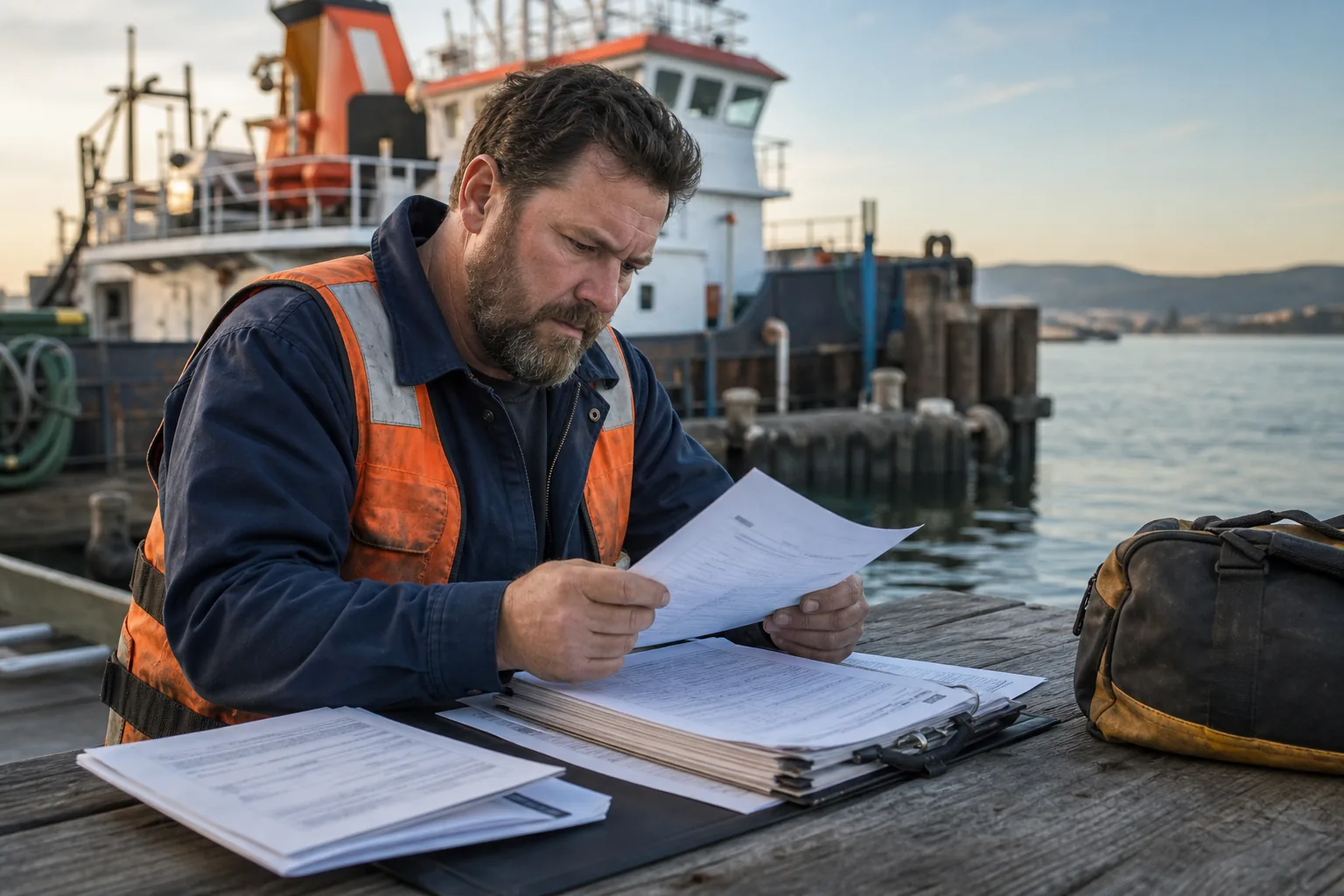
Understanding Death at Sea: Causes, Prevention, and Response
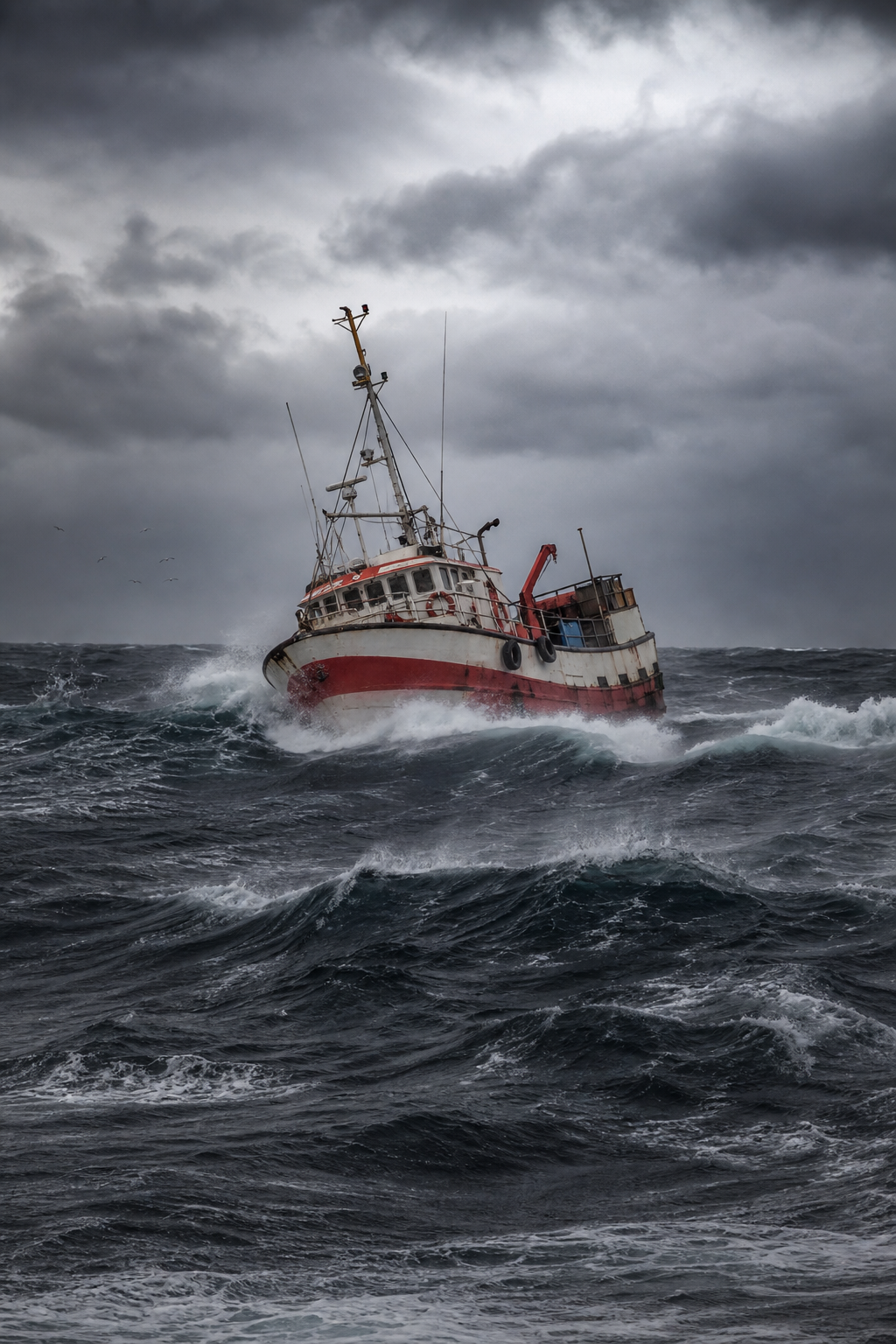
Every year, families wake up to the harsh reality that a loved one has been lost to the ocean. The grief is deep, and the legal maze can feel just as endless. In this guide you’ll learn what death at sea actually covers, why it happens, how the law works, ways to stop it before it starts, and what rescue teams do when tragedy strikes.
What Is Death at Sea? Definition and Scope
Death at sea is any fatal incident that occurs on navigable waters, from a small lake to the open ocean. The term covers a wide range of situations , a capsized boat, a slip‑and‑fall on a ship’s deck, or a medical emergency that cannot be treated in time. Because the water environment adds unique challenges, the legal and insurance systems treat these cases differently from land‑based accidents.
For a clear definition, the Wikipedia entry on drowning explains that it is the process of experiencing respiratory impairment from submersion or immersion in liquid. While drowning is a common cause, the broader category of death at sea also includes trauma, hypothermia, and exposure.
Understanding the scope helps families know what rights they have. If the incident happened beyond three nautical miles from shore, the federal Death on the High Seas Act (DOHSA) may apply. Inside state waters, local wrongful‑death statutes could provide additional compensation. The distinction matters for where you file a claim and what damages you can seek.
Because maritime law blends federal statutes, state rules, and common‑law precedents, each case can look very different. A fisherman lost to a sudden storm off the coast may be covered by DOHSA, while a passenger who slips on a cruise ship docked in a harbor might rely on state wrongful‑death laws.
Common Causes of Death at Sea
Knowing why deaths happen is the first step to preventing them. The most frequent causes fall into four buckets: drowning, trauma, hypothermia, and medical emergencies. Each bucket contains several sub‑causes that have distinct warning signs.
Take the example of a recreational sailor who forgets to check the weather forecast. A sudden squall can overturn the boat, leading to immediate submersion. Without a life jacket, the chances of survival drop dramatically. In a separate case, a cargo ship’s crew member slipped on a wet deck and suffered a fatal head injury because the ship lacked proper anti‑slip flooring.
Another hidden danger is carbon‑monoxide poisoning from faulty generators. The gas can build up in enclosed cabins, causing unconsciousness before anyone notices. Because the symptoms mimic fatigue, it often goes undetected until it’s too late.
Lastly, age and fitness matter. Older passengers are more vulnerable to hypothermia and may have slower reaction times during an emergency. Knowing who is at higher risk helps crews allocate help where it’s needed most.
Legal and Investigative Processes
When a death at sea occurs, the first step is usually a formal investigation. Coast Guard officials, maritime insurers, and sometimes local police will gather evidence. They look at the vessel’s logs, weather reports, and witness statements to determine if negligence or unseaworthiness contributed.
Once the facts are set, the legal path splits based on jurisdiction. If the incident happened beyond three nautical miles, the federal Death on the High Seas Act creates a cause of action for the surviving family. The act limits recoverable damages to pecuniary losses, such as lost wages, but it does not allow for non‑economic damages like loss of companionship.
Inside state waters, the situation changes. State wrongful‑death statutes may allow for both economic and non‑economic damages, depending on the state. For example, Florida courts often permit claims for pain and suffering when a passenger dies on a cruise ship docked in a state port.
Because the law is complex, many families turn to a specialist. Top Maritime Accident Attorney Guide 2026 provides a clear roadmap for choosing counsel who understands both federal and state maritime law. A good attorney will gather the investigative reports, hire marine experts, and file the claim in the appropriate court, either federal admiralty court or a state court with concurrent jurisdiction.
During the litigation phase, both sides may request a “reconstruction” of the event. This could involve a marine surveyor recreating the vessel’s position, speed, and weather conditions at the time of the incident. The goal is to prove whether the vessel was unseaworthy or whether the crew acted negligently.
Settlement negotiations are common. Because maritime cases can be lengthy and expensive, insurers often prefer to settle for a reasonable sum rather than face a trial. However, families should weigh the settlement against the full range of damages they could claim, especially if state law allows for non‑economic losses.
Preventive Measures for Mariners and Passengers
Prevention starts long before a boat leaves the dock. The first line of defense is proper training. Everyone on board, crew and passengers, should know how to wear a life jacket correctly, how to perform a man‑over‑board drill, and how to call for help.
The U.S. Coast Guard outlines safety standards that include regular safety drills, proper maintenance of safety equipment, and clear communication protocols. Following those standards reduces the odds of a fatal accident dramatically.
Equipment checks are another vital habit. Before each trip, inspect life jackets for tears, test flares, and verify that the vessel’s navigation lights work. Even a small oversight, like a cracked hull, can become a catastrophic failure in rough water.
Weather awareness cannot be overstated. Modern apps provide real‑time forecasts, but mariners should still understand basic meteorology, recognizing signs of an approaching storm, such as sudden drops in barometric pressure.
For larger commercial vessels, a Safety Management System (SMS) is required by the International Maritime Organization. An SMS documents procedures for risk assessment, emergency response, and regular audits. While the SMS adds paperwork, it creates a culture of safety that can save lives.
And remember that human factors matter too. Fatigue, alcohol, and distraction increase the risk of accidents. Crew schedules should allow for adequate rest, and any signs of impairment must be addressed immediately.
Ready to protect your crew and passengers? Try our solution free →
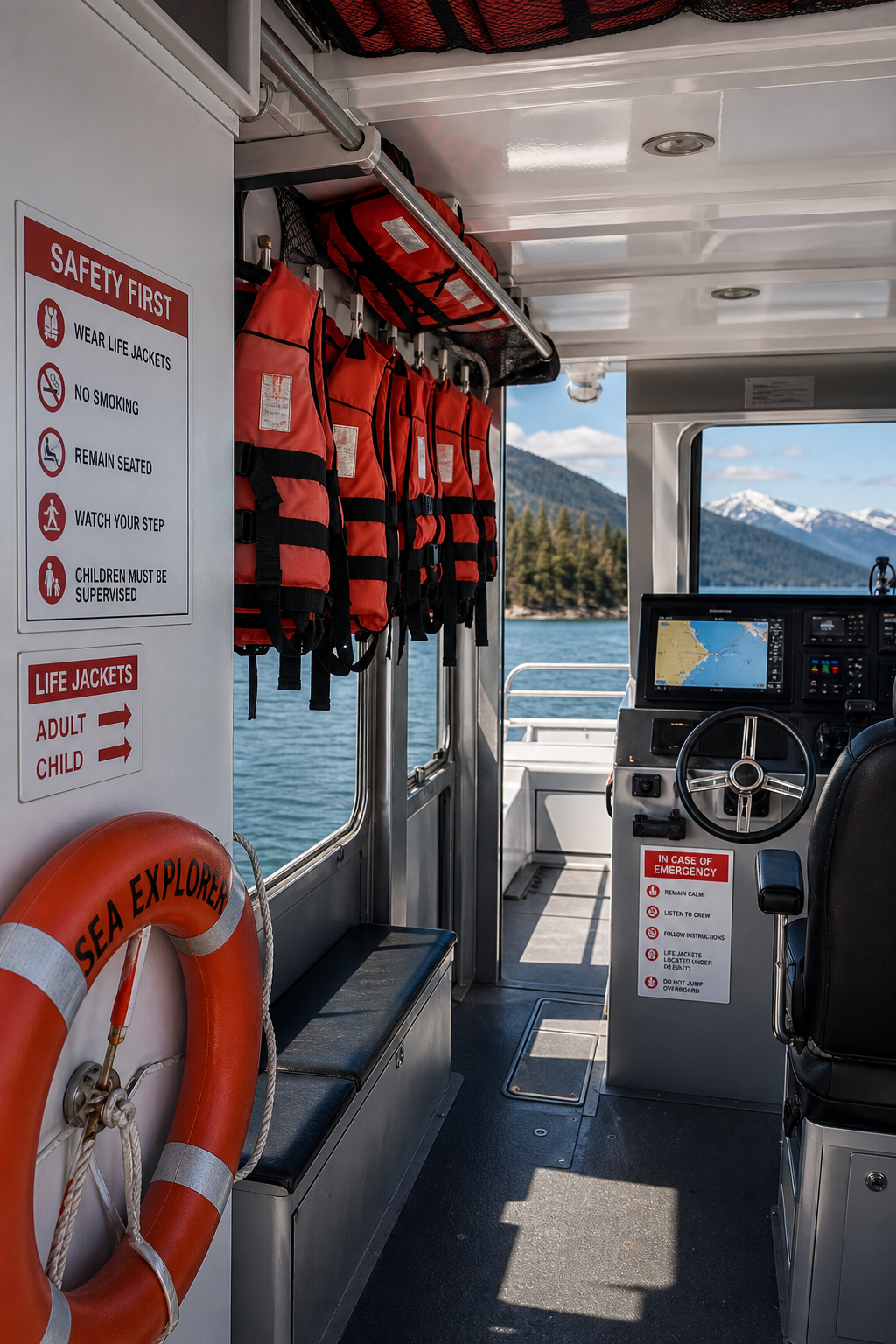
Emergency Response and Rescue Operations
When an incident does occur, speed is the most critical factor. The first minutes decide whether a life can be saved. In many countries, the coast guard or a dedicated Search and Rescue (SAR) unit is the first responder.
A recent study of Danish SAR helicopter missions from 2014‑2023 recorded 247 drowning incidents, an incidence rate of 0.43 cases per 100,000 person‑years. The pre‑hospital survival rate was 55%, with higher fatality linked to male sex, older age, and submersion injuries.0.43cases per 100,000 person‑years
Rescue teams use a mix of assets: helicopters equipped with hoists, fast‑response boats, and sometimes even drones to locate victims. The AgustaWestland EH101 Merlin, for example, can hover over rough seas and lower a winch to pull a person directly into the airframe.
Once on board, the rescue crew provides advanced life support. This can include intubation, chest compressions, and rapid transport to a hospital. Studies show that early ventilation and warming of the victim improve survival odds dramatically.
Coordinating with local hospitals is also essential. The receiving facility must be prepared for post‑rescue care, such as managing hypothermia or treating water‑borne infections. In some regions, a pre‑arranged “marine trauma network” ensures that the nearest trauma center is ready before the helicopter even lands.
After the rescue, a thorough debrief helps identify what worked and what didn’t. Lessons learned feed back into training programs, equipment upgrades, and policy changes, creating a virtuous cycle of safety improvement.
"The best time to start building safety protocols was yesterday, but the next best time is right now."
FAQ
What legal claim can families file after a death at sea?
Families can pursue a wrongful‑death claim under the Death on the High Seas Act if the death happened beyond three nautical miles from shore. Inside state waters, they may file under state wrongful‑death statutes, which often allow both economic and non‑economic damages. Consulting a maritime attorney helps determine the right jurisdiction and maximize recoverable compensation.
How does unseaworthiness affect a death‑at‑sea case?
Unseaworthiness means the vessel was not fit for safe operation. If investigators find faulty equipment, poor maintenance, or design flaws, the shipowner can be held liable even if the crew acted reasonably. Proving unseaworthiness often requires expert testimony and detailed vessel inspections.
Are life jackets required by law?
Yes. In the United States, the Coast Guard mandates that every person on a vessel must have a US‑type life jacket that is readily accessible. Commercial vessels must also have inflatable life rafts and personal flotation devices that meet specific performance standards.
What should I do if I see someone overboard?
Immediately alert the crew, throw a flotation device, and call for SAR assistance. If you are trained, perform a man‑over‑board rescue using a boat or a rescue line. Time is critical; aim to get the victim out of the water within minutes to prevent drowning or hypothermia.
How are SAR helicopter missions coordinated?
SAR missions start with a distress call to the national coordination center, which then dispatches the nearest helicopter base. The crew assesses weather, sea state, and the victim’s condition before launch. They may use hoist systems to extract victims directly from the water when a landing is impossible.
Can a non‑seafarer file a claim under the Jones Act?
The Jones Act applies only to seamen, people who work on a vessel in the capacity of crew. Non‑seafarers, such as passengers or contractors, cannot use the Jones Act but may still file under DOHSA or state wrongful‑death laws, depending on where the incident occurred.
What are the most common safety equipment failures?
Failures often involve life jackets with broken buckles, outdated flares, or non‑functional VHF radios. Regular inspections and replacing expired gear are simple steps that dramatically reduce risk.
How can I improve my vessel’s emergency preparedness?
Start with a written safety plan that includes checklists for equipment, crew training schedules, and clear communication protocols. Conduct monthly drills, review incident reports, and update the plan based on new regulations or lessons learned from past events.
Conclusion
Death at sea is a heartbreaking outcome that combines the raw power of nature with legal intricacies. By understanding the definition, recognizing common causes, handling the legal landscape, taking proactive safety steps, and knowing how rescue teams operate, you can protect loved ones and respond effectively when the unexpected happens.
If you or a family member is facing a maritime loss, our experienced partners can guide you through the claim process. Start your free consultation today and take the first step toward justice and peace of mind.