Maritime Injury Guide: Types, Legal Rights, and Compensation
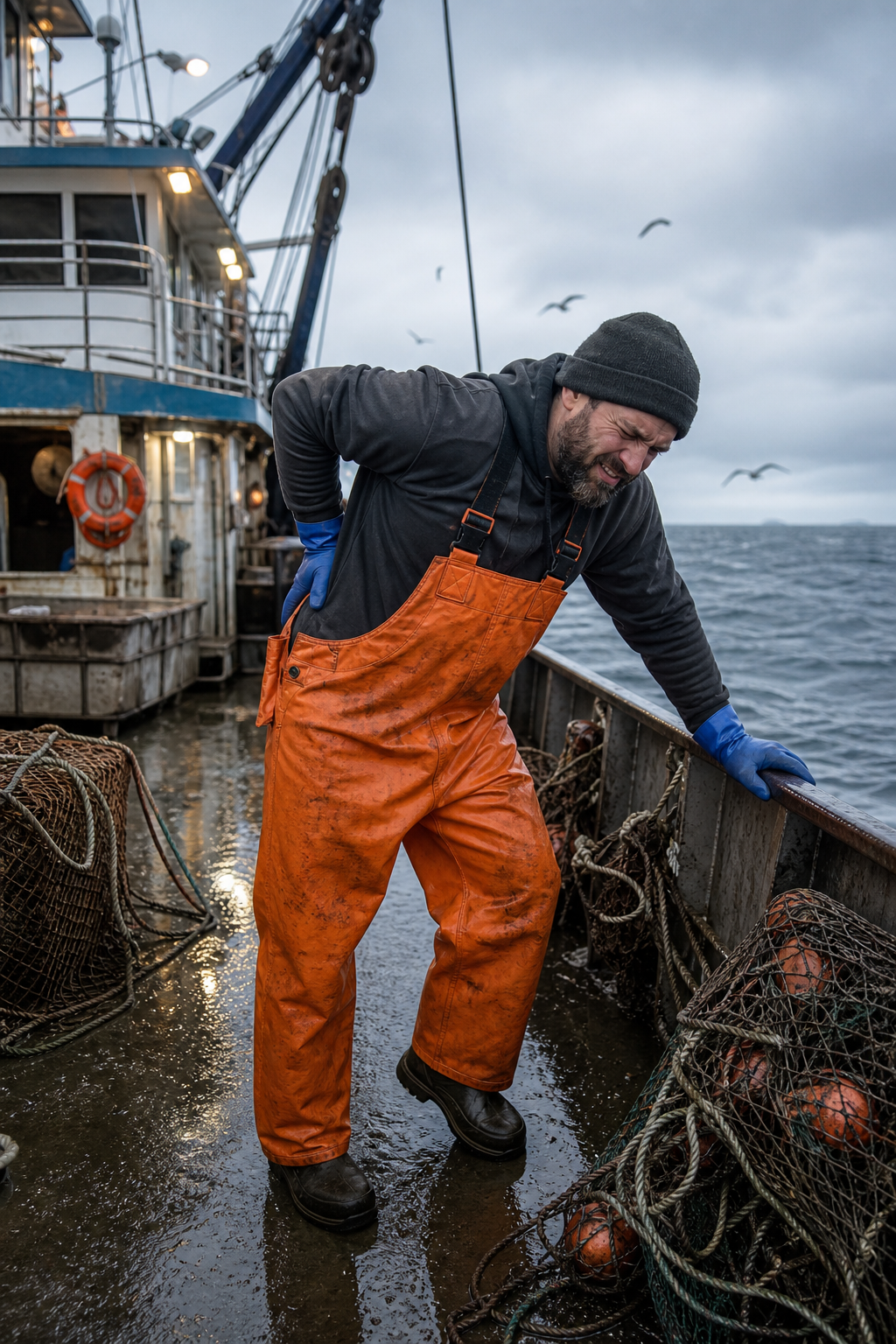
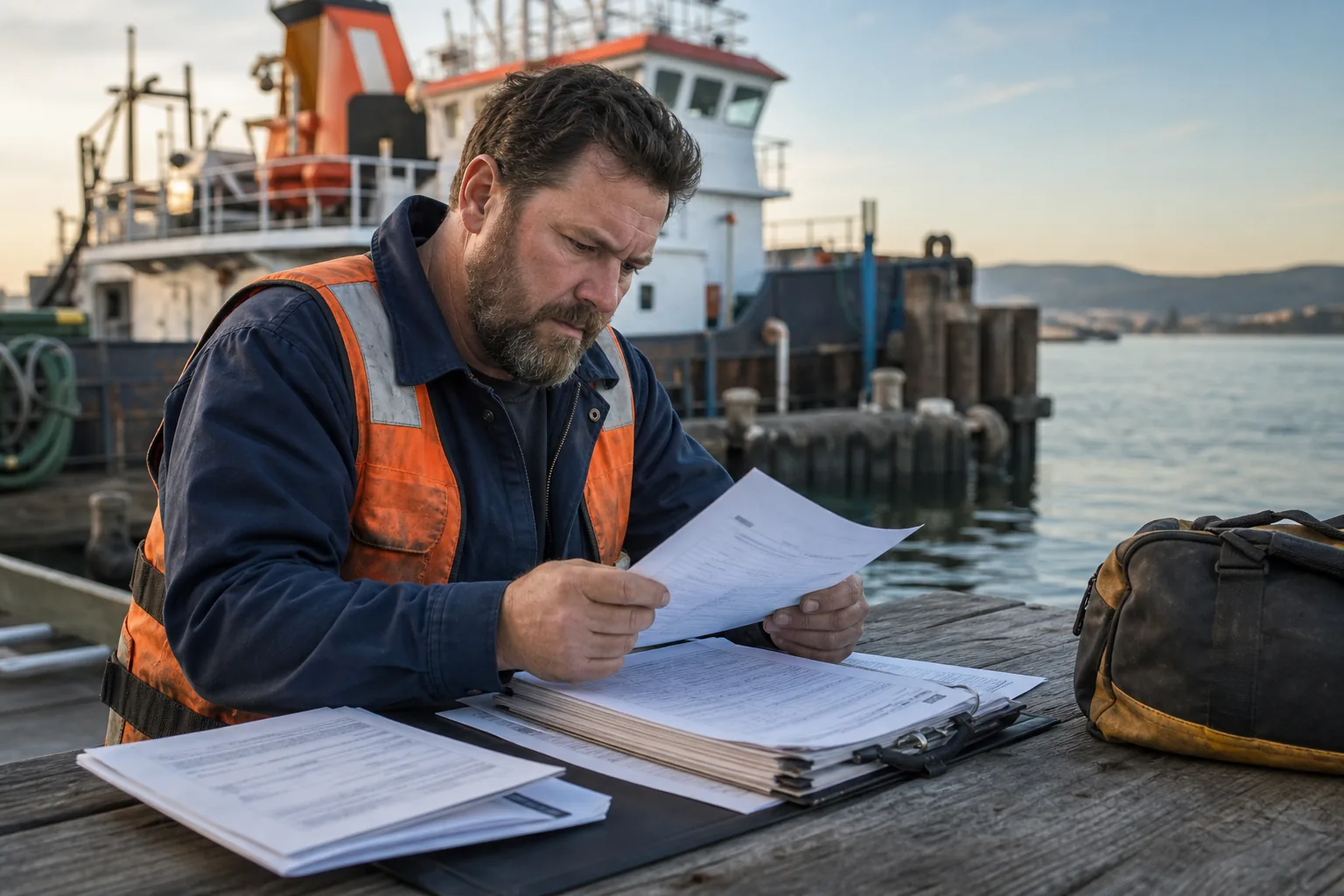
Working on the water is hard. It's dangerous too. Every year, thousands of maritime workers get hurt on the job. Some injuries are minor. Others change lives forever. If you work on a boat, rig, or dock, you need to know your rights. This guide explains what a maritime injury is, the common types, what causes them, and what laws protect you. You'll also learn exactly what to do if you get hurt. Let's get started.
What Is a Maritime Injury?
A maritime injury is any harm that happens to a person while working on navigable waters. That includes rivers, oceans, lakes, and harbors. It covers a lot of jobs: commercial fishermen, oil rig workers, deckhands, longshoremen, shipyard workers, and more. These jobs are tough. The environment is unpredictable. And the risk of getting hurt is high.
Maritime injuries aren't just cuts and bruises. They can be serious. Think broken bones, head trauma, burns, or even death. Because the work is on water, rescue and medical help can be slow. That makes injuries worse.
The law treats maritime injuries differently from land-based job injuries. Special rules apply. The two biggest laws are the Jones Act and the Longshore and Harbor Workers' Compensation Act (LHWCA). We'll cover those later. But first, understand that if you're a seaman or a harbor worker, you have specific legal rights. You can get compensation for medical bills, lost wages, and pain and suffering.
One key idea is that your employer has a duty to keep you safe. If they fail, and you get hurt, they may be responsible. That's true even if you made a small mistake. Maritime law is designed to protect workers.
Common Types of Maritime Injuries
Maritime injuries come in many forms. Some happen suddenly, like a fall. Others develop over time, like hearing loss from loud machinery. Here are the most common ones you should know about.
Slips, Trips, and Falls
Wet decks are everywhere on a boat. Add oil, tools, and moving waves, and you have a recipe for falls. Workers slip and hit their heads, break bones, or sprain joints. Shlosman Law Firm notes that slips and falls are among the most frequent offshore injuries.
Back and Neck Injuries
Lifting heavy gear, pulling nets, or moving cargo strains the spine. These injuries are common and can lead to long-term disability. Many workers need surgery or physical therapy.
Burns and Chemical Exposures
On oil rigs and tankers, fires and explosions can cause severe burns. Chemical spills also happen. Workers get burned by steam, hot pipes, or hazardous substances.
Crush Injuries
Heavy equipment, cables, and cargo can crush limbs. A mooring line that snaps can cut a person in half. These injuries are often catastrophic.
Head and Brain Injuries
Falls from heights or falling objects cause traumatic brain injuries (TBIs). A TBI can affect memory, mood, and movement. Recovery can take years.
Repetitive Motion Injuries
Doing the same motion over and over , like pulling nets or using vibrating tools , wears down joints and tendons. Carpal tunnel and tendonitis are common.
Hearing Loss
Loud engines and machinery damage hearing over time. Many maritime workers lose hearing without realizing it until it's too late.
If you suffer any of these injuries, you have legal options. Document everything and talk to a lawyer who knows maritime law.
Causes and Risk Factors in the Maritime Industry
Why are maritime injuries so common? The answer is a mix of dangerous conditions and human mistakes. According to the CDC's National Institute for Occupational Safety and Health, there are about 400,000 maritime workers in the U.S. Their fatality rate is 4.7 times higher than the average worker. That's huge.
Let's break down the main causes.
Risk factors include long hours, little sleep, and remote locations. When you're far from land, help takes longer. That makes injuries more serious.
Another big risk is the lack of safety training. Some employers cut corners. They skip safety drills or don't provide proper gear. That's illegal, but it happens.
Equipment inspections matter too. For example, checking machinery on ships can prevent breakdowns that lead to accidents. Tools like Flowdit's manufacturing inspection software help companies track and document equipment safety. Regular inspections reduce the chance of mechanical failures that hurt workers.
Prevention starts with awareness. Know the risks. Report unsafe conditions. If your employer ignores safety, that's a problem you can use in a legal claim.
Legal Protections: Jones Act and LHWCA
Two main laws protect injured maritime workers. Which one applies to you depends on your job. Let's go through each.
The Jones Act
The Jones Act is for "seamen." That's any worker who spends most of their time on a vessel that moves on navigable waters. If you work on a tugboat, fishing boat, oil rig crew boat, or cargo ship, you're likely a seaman.
Under the Jones Act, you can sue your employer for negligence. You don't have to prove they were 100% at fault. Even 1% fault can get you compensation for medical bills, lost wages, pain and suffering, and more. You also get "maintenance and cure" , living expenses and medical care until you're healed.
The Longshore and Harbor Workers' Compensation Act (LHWCA)
If you work on a dock, shipyard, or harbor but not as a seaman, the LHWCA covers you. It's like workers' comp but for maritime jobs. You get medical care and partial wage replacement. But you can't sue your employer for pain and suffering unless there was intentional harm.
The LHWCA also covers offshore workers on oil rigs if the rig is attached to the seafloor. It's a no-fault system , you get benefits no matter who caused the accident.
Which Law Applies?
It's not always clear. Lawyers argue over "seaman status." That's why you need a good maritime attorney. They'll figure out which law gives you the most money.
Both laws have deadlines. You can't wait too long to file a claim. The Jones Act gives you three years. The LHWCA requires you to notify your employer within 30 days and file within one year.
Steps to Take After a Maritime Injury
Getting hurt on the water is scary. But the steps you take right after can make a big difference in your case. Here's what to do.
1. Get Medical Help
Your health comes first. Even if you think you're fine, get checked. Some injuries, like concussions, don't show symptoms right away. Use your own doctor if you can. The company doctor might downplay your injury.
2. Report the Injury
Tell your supervisor or captain immediately. Fill out an accident report. Write down every detail while it's fresh. Reporting a maritime injury right away protects your right to compensation. It also helps your lawyer build a strong case.
Do not give a recorded statement. Do not sign anything except the report. If they pressure you, say you'll talk after you see a lawyer.
3. Document Everything
Take photos of the scene, your injuries, and any equipment involved. Get contact info from witnesses. Keep a journal of your pain and recovery. Save all medical bills and receipts.
4. Contact a Maritime Lawyer
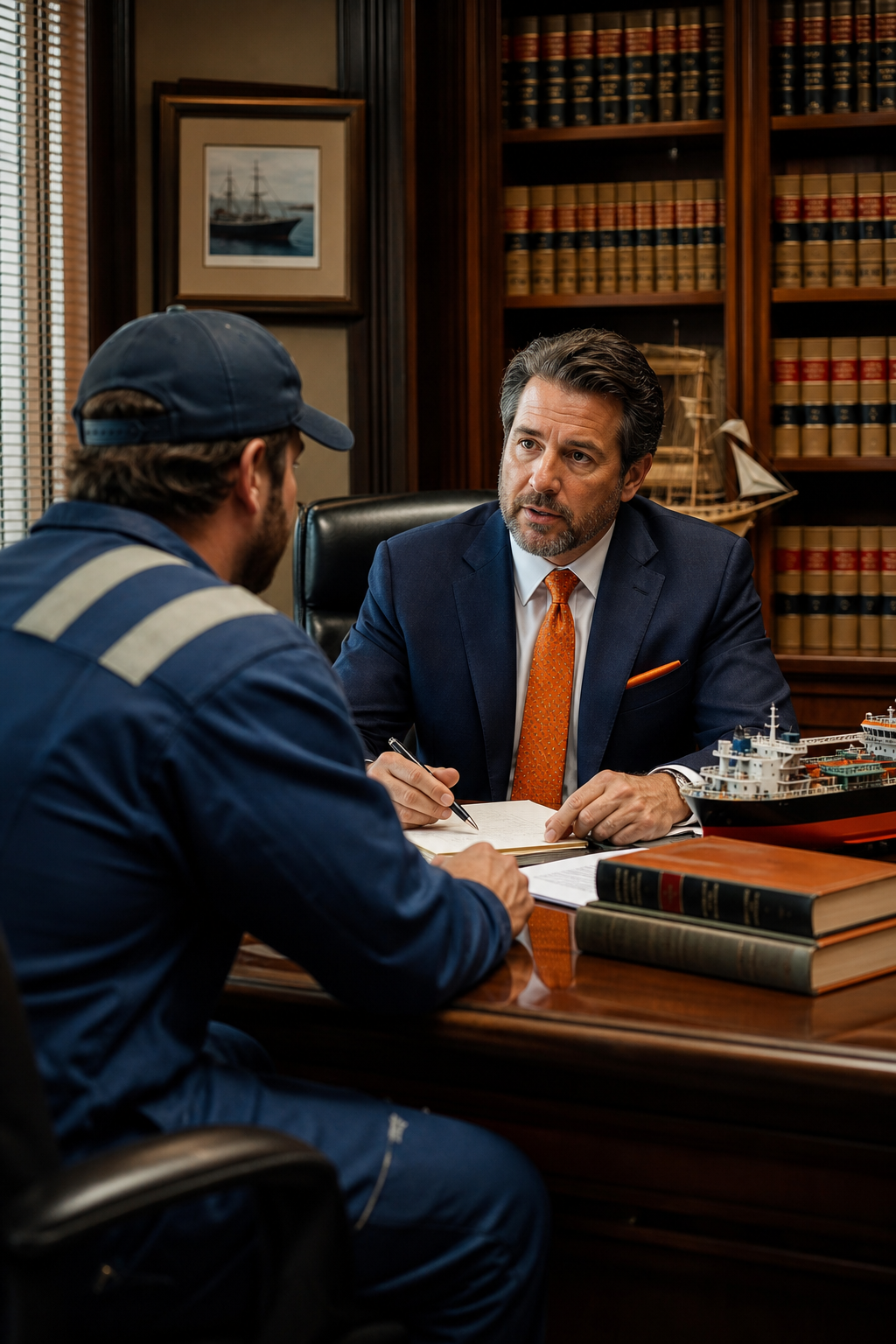
Maritime law is complex. A lawyer who specializes in this area can tell you what you're entitled to. They'll handle the paperwork and negotiations. Most work on contingency , you only pay if you win.
For more on the claims process, see our maritime personal injury claims guide.
5. Recover Well
Follow your doctor's orders. Don't rush back to work. Your recovery matters. Tools like smart mattresses that track sleep can help you monitor rest, which is important for healing.
Below is a video that walks through the key steps after an accident on a vessel.
6. Don't Talk to Insurance Adjusters
They'll call you. They seem friendly. But their goal is to pay you as little as possible. Let your lawyer handle all communication.
Frequently Asked Questions
What counts as a maritime injury?
A maritime injury means any physical harm that occurs while working on navigable waters or related areas like docks and shipyards. It includes both sudden accidents and injuries that develop over time, like hearing loss. The key is that the work is maritime in nature and the injury happens in the course of employment.
Who qualifies as a seaman under the Jones Act?
A seaman is a worker who contributes to the function of a vessel and spends at least 30% of their time on a navigable water vessel. That includes deckhands, engineers, fishermen, and oil rig crew on movable rigs. If you're assigned to a fleet or vessel group, you likely qualify.
Can I get compensation for pain and suffering after a maritime injury?
Yes, if you are a seaman covered by the Jones Act. You can sue your employer for negligence and get damages for pain, suffering, mental anguish, and lost earning capacity. Under the LHWCA, you generally do not get pain and suffering unless the employer intentionally hurt you.
How long do I have to file a maritime injury claim?
Under the Jones Act, you have three years from the date of injury. For LHWCA claims, you must notify your employer within 30 days and file a formal claim within one year. Wrongful death claims have different limits. Always talk to a lawyer quickly to avoid missing deadlines.
What if the accident was partly my fault?
Maritime law uses "comparative negligence." Even if you were partially at fault, you can still recover damages. Your compensation will be reduced by your percentage of fault. But under the Jones Act, if your employer was even 1% at fault, you can recover.
Do I need a lawyer to file a maritime injury claim?
You don't have to have one, but it's risky. Maritime laws are complicated. Employers and insurance companies have lawyers working against you. A maritime lawyer can handle the rules, gather evidence, and negotiate a fair settlement. Many offer free consultations.
What if I was working on an oil rig?
Oil rig injuries are covered by either the Jones Act (if the rig is a vessel) or the LHWCA (if it's a platform attached to the seafloor). The legal status depends on the rig's mobility. A lawyer can determine which law applies and help you get the maximum compensation.
Conclusion
A maritime injury can turn your life upside down. But you don't have to face it alone. The law is on your side if you know your rights. We covered what a maritime injury is, the common types like slips and burns, and the dangerous conditions that cause them. We explained the Jones Act and LHWCA, the two main laws that protect you. Most importantly, we gave you a step-by-step plan: get medical help, report the injury, document everything, and call a maritime lawyer.
Remember that reporting your injury right away is critical. It creates a record and starts the legal clock. Don't delay. Maritime law has strict deadlines. If you wait too long, you could lose your right to compensation.
Take care of your health first. Then protect your legal rights. Talk to a maritime attorney who can guide you through the process. They'll fight for the compensation you deserve for medical bills, lost wages, and pain. You worked hard on the water. Now let the system work for you.