How to Handle a Commercial Fishing Injury
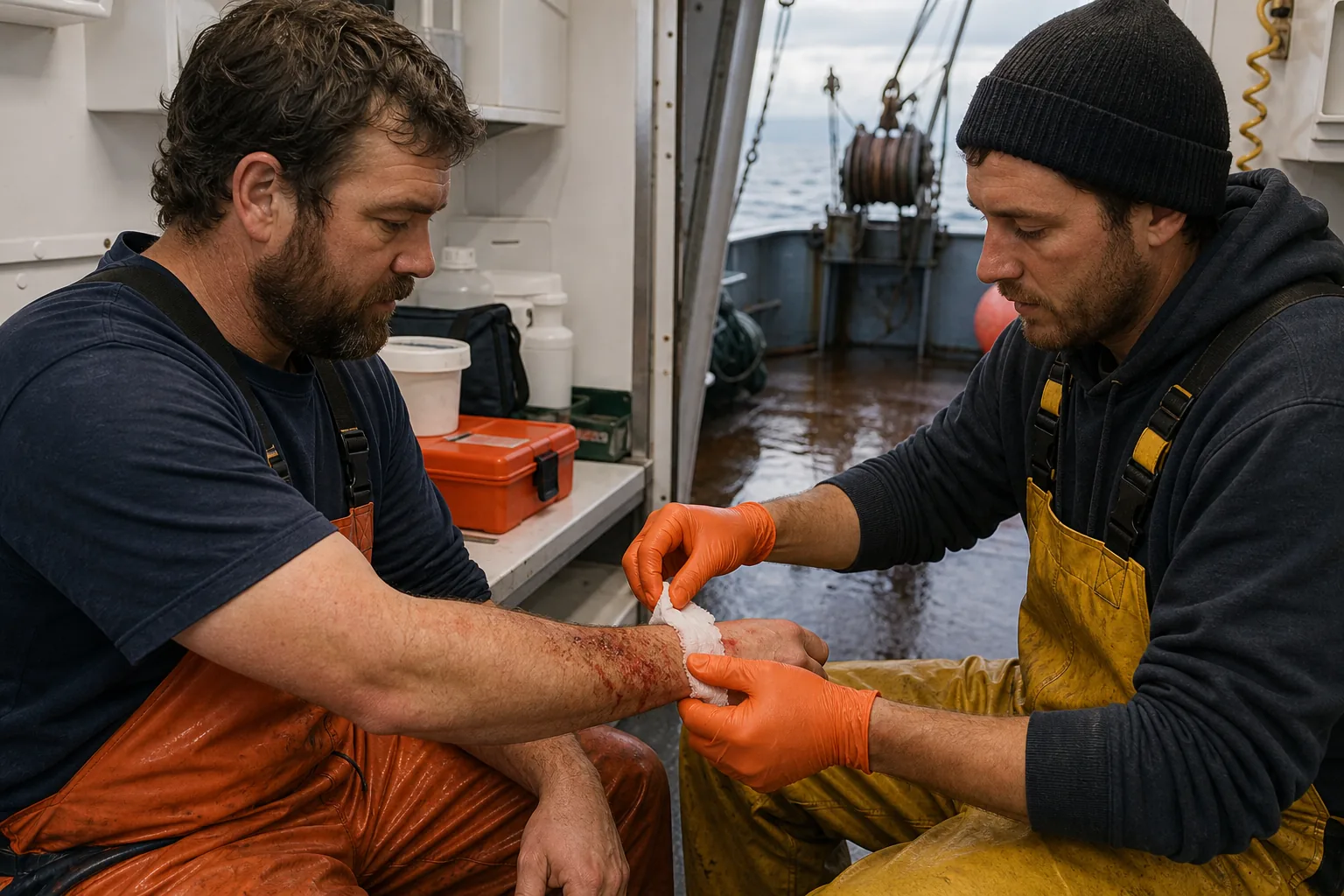
A commercial fishing injury can leave you hurt, out of work, and unsure who should pay. The first steps can affect both your recovery and your legal claim. Get medical care, report the event, preserve evidence, learn which maritime rules may apply, and speak with maritimeattorney.ai before signing papers or giving a recorded statement.
Step 1: Get Emergency Medical Care and Report the Injury
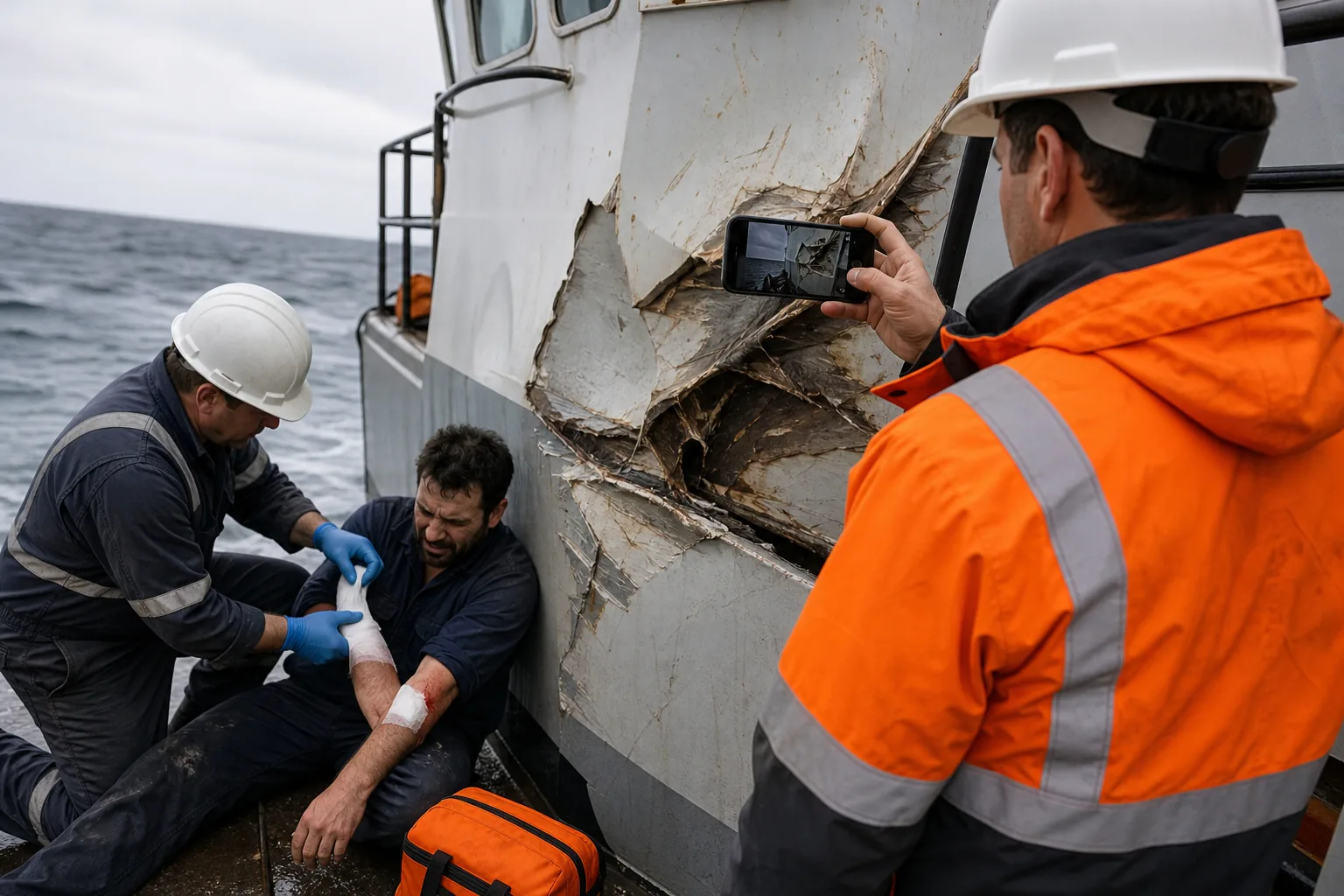
After a commercial fishing injury, your first goal is to get safe and receive medical care. Do not keep working just to finish a shift if you have severe pain, bleeding, trouble breathing, weakness, confusion, or a possible head, neck, or spinal injury.
Tell the captain or supervisor at once. Use clear words. Say what happened, where you hurt, and when the pain began. If you cannot make the report yourself, ask a crew member to do it and note who helped you.
Ask for medical care through the vessel or company process, but do not let an argument about fault delay urgent treatment. Tell every clinician that the injury happened while you were working. Give a full account, even if a symptom seems small. A sore back may become a serious disc injury after several days at sea.
Keep copies of discharge notes, prescriptions, scans, work restrictions, and bills. If the employer sends you to a clinic, record the clinic's name and the date of each visit. Ask for a written copy of your diagnosis and restrictions.
Federal safety materials for fishermen stress the need to report hazards and injuries in a work setting where conditions can change quickly. The CDC fishing safety digest discusses injury risks and safety practices for commercial fishermen.
Do not diagnose yourself or downplay the event. A medical record that says you felt fine may later be used to question the seriousness of your condition. Be accurate. You do not need to guess about fault during the first medical visit.
Step 2: Document What Happened Before Evidence Disappears
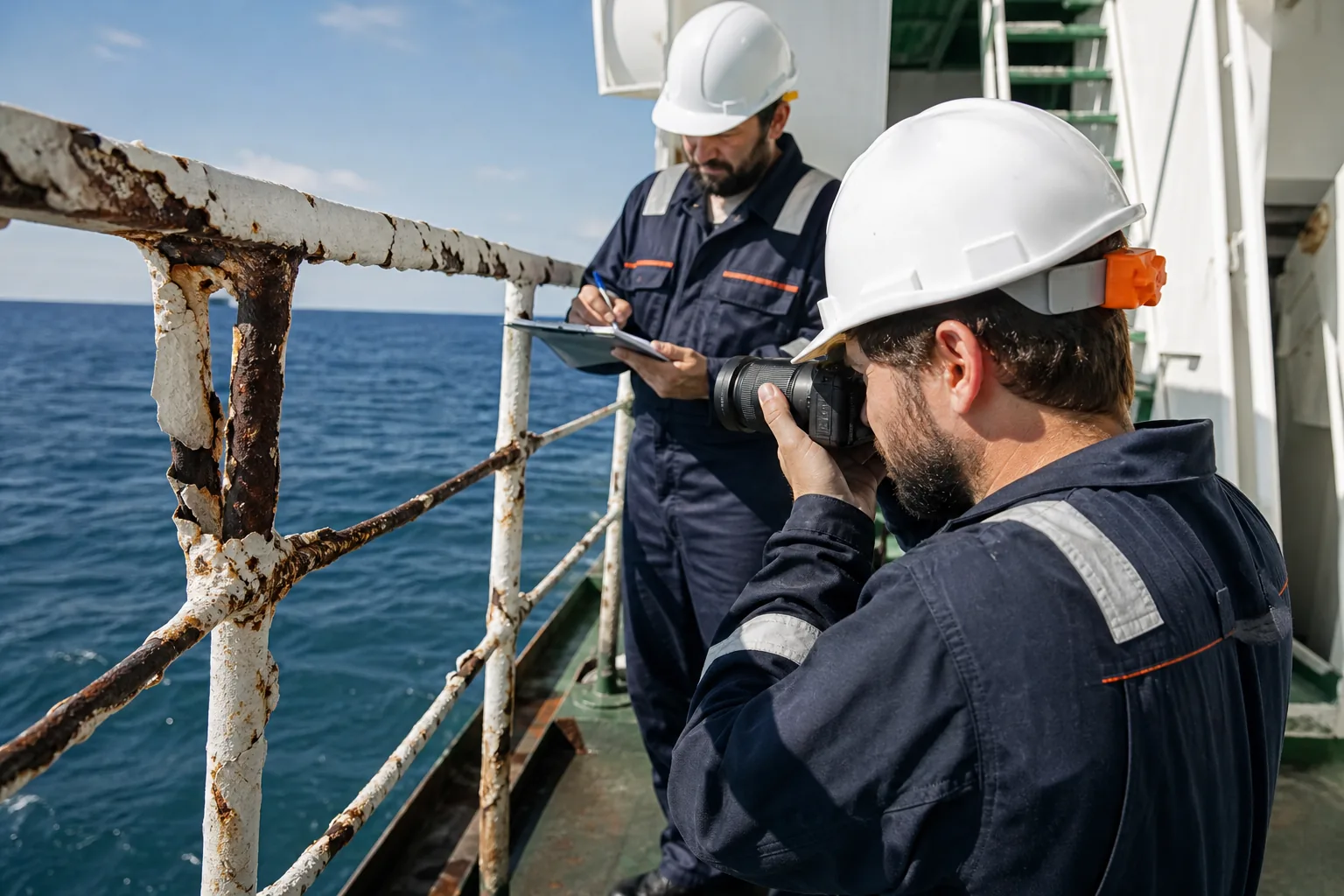
Evidence after a commercial fishing injury can vanish fast. Gear gets moved. Decks get washed. Damaged lines get repaired. Crew members finish a trip and return home. Start a record as soon as your health allows.
Write your own account in plain language. Include the vessel's name, your job, the task you were doing, the location, the weather, and the sea conditions. Note the exact sequence. For example, explain whether a line snapped before it struck you, or whether your foot slipped on a wet deck before you fell.
Record who saw the event. Write down each person's name, job, and what they may have seen. Do not ask witnesses to change their story. Simply preserve their contact details when you can do so lawfully and safely.
Take photographs if you can do it without putting yourself or anyone else at risk. Useful images may show:
- The place where the injury happened.
- The deck, ladder, rail, winch, line, hook, or other equipment involved.
- Missing guards, poor lighting, standing water, loose gear, or damaged surfaces.
- Your visible injuries and changes in swelling or bruising.
- The clothing, boots, gloves, or safety gear you wore.
Keep the original image files. Do not crop out details or add filters. Save copies in more than one safe place. If another crew member took the photographs, ask when they were taken and keep the original files if possible.
Save messages, emails, crew instructions, schedules, pay records, and work restriction notices. A short message telling you to return to heavy work can matter later. So can a message that shows the vessel knew about a broken rail or unsafe line before the accident.
Make a symptom log. Each day, note your pain level in ordinary words, the tasks you cannot do, the care you received, and the money you spent. Include missed work and changes in your pay. Keep the log factual. Do not use it to argue with the employer.
A useful evidence checklist is discussed in this offshore injury evidence guide. Treat any outside checklist as a starting point, not a substitute for advice about your vessel, job, and state.
Do not take damaged equipment from the vessel without permission. Do not post accident photos or comments on social media. Evidence can help your claim, but careless handling can create a new dispute.
Step 3: Identify the Maritime Laws and Benefits That May Apply
The law that covers a commercial fishing injury depends on your work, your connection to the vessel, and where the injury happened. Do not assume that a normal workers' compensation claim is the only path.
If you work as part of a vessel's crew, the Jones Act may allow a negligence claim against your employer. A claim can involve an unsafe order, poor training, a known hazard, faulty equipment, or a crew member who was not fit for the task. The facts must show more than the fact that an injury occurred.
Seamen may also have claims tied to an unseaworthy vessel. In simple terms, the vessel, its equipment, or its crew must be reasonably fit for the work. A deck covered by avoidable hazards, a defective winch, or an understaffed operation may raise questions about seaworthiness.
Maintenance and cure is another protection that may apply to a qualifying seaman. Maintenance generally relates to basic living costs while recovering. Cure relates to medical care. These benefits can be separate from a negligence claim, so a worker should not reject them just because fault is disputed.
Your status matters. A person who works on a moving vessel may qualify as a seaman, but the legal test depends on the worker's duties and connection to the vessel or fleet. Someone working on land, at a dock, or on a fixed structure may fall under a different law.
The Jones Act can also affect where a case is filed and how it proceeds. Read the Jones Act explanation for a plain-language overview, then ask maritimeattorney.ai to assess your own facts rather than relying on a general rule.
Deadlines can be strict, and the correct deadline may change with the law that applies. A delay can also make proof harder to find. Write down the date of the injury and get legal advice early.
Step 4: Protect Your Claim When Communicating With the Employer or Insurer
After a commercial fishing injury, your employer or its insurer may ask for a statement, medical release, or recorded interview. Treat each request with care. You have a duty to report the facts, but you do not need to guess, blame yourself, or sign broad papers on the spot.
Give a timely injury report. State the basic facts and ask for a copy. If the report is wrong, send a short written correction. Keep the tone calm. A clear correction is more useful than an angry message with claims you cannot prove.
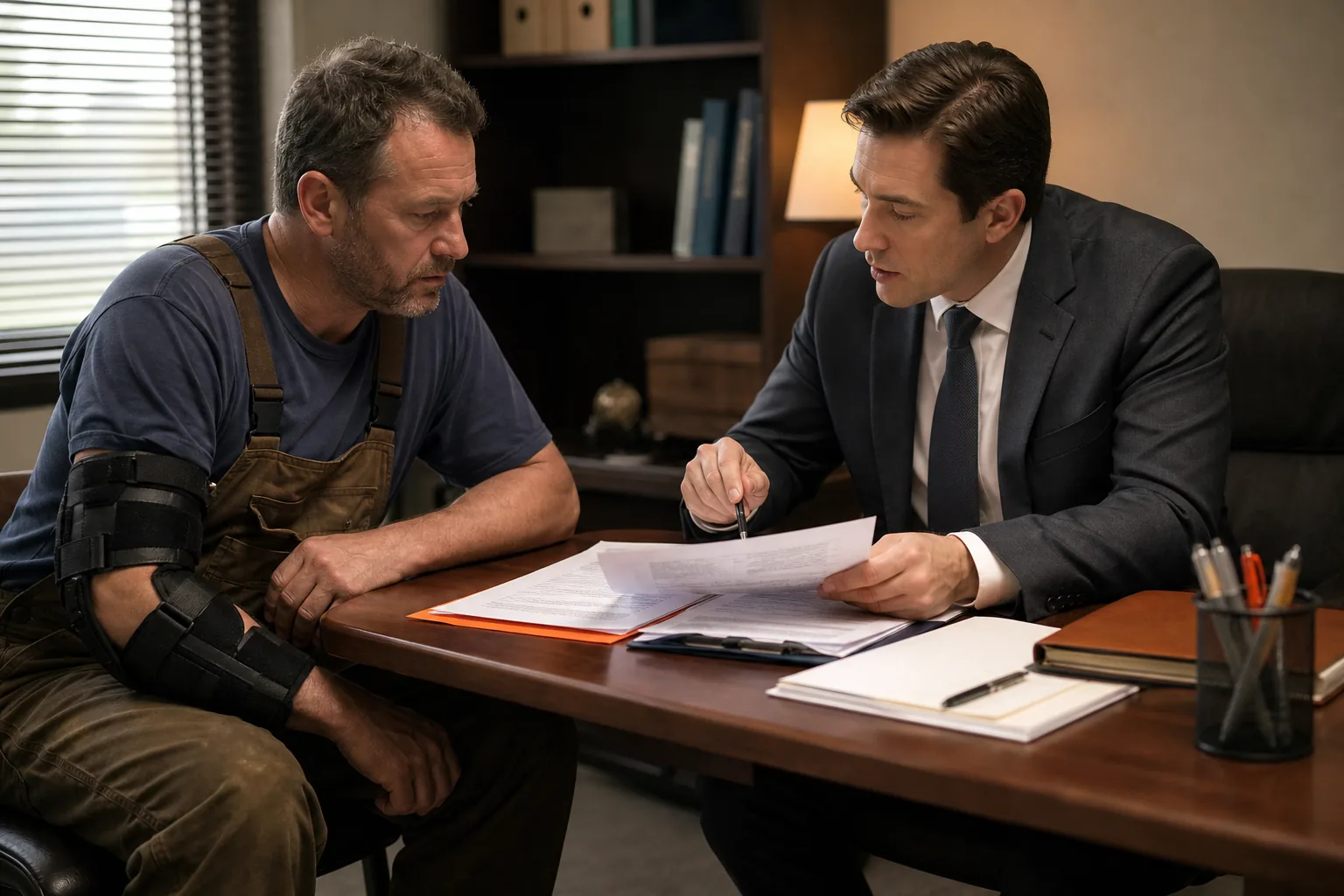
Before signing a release, settlement, medical authorization, or resignation, have a maritime lawyer review it. A broad release may affect more than one type of claim. It might also limit access to records that help show the full extent of your injury.
Be careful with recorded statements. Ask what the statement is for and whether you may have counsel present. If you do speak, stick to what you saw, heard, felt, and did. Say “I do not know” when that is the honest answer. Do not fill gaps with a guess.
Keep a file for every contact. Save letters and emails. Write down the date, speaker, subject, and any request made during a call. If the employer tells you to return before a doctor clears you, keep the instruction in writing when possible.
Retaliation is a separate concern. Research on maritime employment claims explains that an employer may not punish a seaman for exercising rights under the Jones Act or for seeking maintenance and cure. A sudden firing, lost contract, threat, or change in treatment deserves careful documentation.
Do not quit or refuse an assignment without advice if you can safely avoid it. Your health comes first, but the employment decision may affect the case. Ask a lawyer how to respond to work orders that conflict with medical restrictions.
Step 5: Consult maritimeattorney.ai About Your Next Legal Steps
Legal advice is most useful before you sign away rights or let key evidence disappear. maritimeattorney.ai can be your starting point for organizing the facts of a commercial fishing injury and identifying the questions that need a maritime lawyer's review.
Prepare a short case packet before you reach out. Put the injury date on the first page. Then add:
- Your role on the vessel and the work you were doing.
- A timeline from the accident through your latest treatment.
- The names of the employer, vessel owner, captain, insurer, and witnesses, if known.
- Photos, medical records, bills, pay records, and written reports.
- Any message about the accident, work restrictions, treatment, or return to work.
Do not wait until you know the final diagnosis. Early review can help preserve evidence and identify deadlines. You can update the record later as doctors learn more.
Ask focused questions. Which law may apply? Do you qualify as a seaman? Could maintenance and cure be available? Does the evidence suggest employer negligence or an unseaworthy condition? What should you say to the insurer? What deadline controls?
maritimeattorney.ai is not a replacement for a licensed attorney who can review the full record and local rules. Use the site to prepare, then seek advice suited to your facts. Be wary of anyone who promises a set payout before reviewing your medical status and work history.
Keep following medical advice while the legal review moves forward. Attend appointments. Follow work restrictions. Tell the care team if symptoms change. A steady treatment record helps your health first, and it also gives a clearer picture of the injury.
FAQ
What should I do after a commercial fishing injury?
After a commercial fishing injury, get medical care and report the event to the captain or employer as soon as you can. Describe the facts without guessing about fault. Keep medical records, photograph unsafe conditions when safe, and write down witnesses. Then speak with a maritime lawyer before signing a release or giving a recorded insurer statement.
Does the Jones Act cover fishing vessel workers?
The Jones Act may cover a fishing vessel worker who qualifies as a seaman and was injured through employer negligence. The answer depends on the worker's duties, vessel connection, and accident facts. A commercial fishing injury can also raise issues of unseaworthiness or maintenance and cure, so one rule rarely answers the whole claim.
Can I receive maintenance and cure after a fishing injury?
You may receive maintenance and cure if you qualify as a seaman, even when the injury was not caused by clear employer fault. Maintenance generally relates to basic living costs, while cure concerns medical care during recovery. The amount and duration depend on the facts, so have a maritime lawyer review any payment offer or denial.
What evidence helps with a commercial fishing injury claim?
The best evidence ties the injury to the work event and shows what happened before conditions changed. Keep medical records, injury reports, photos, messages, pay records, work orders, and witness details. Write a timeline while your memory is fresh. Do not alter files or remove equipment from the vessel without permission.
Can my employer fire me for reporting a fishing injury?
An employer generally may not retaliate against a seaman for exercising protected maritime rights, but proving retaliation requires evidence. Save threats, termination notices, schedule changes, and messages about your claim. Note the timing and the reason given. If your treatment changes after you report a commercial fishing injury, ask maritimeattorney.ai about the next legal step.
Conclusion
Get medical care, make a timely report, preserve the facts, and avoid signing claim papers before legal review. Gather your records now and send them to maritimeattorney.ai or a qualified maritime attorney, especially if your employer disputes treatment, pushes you back to work, or asks for a recorded statement.