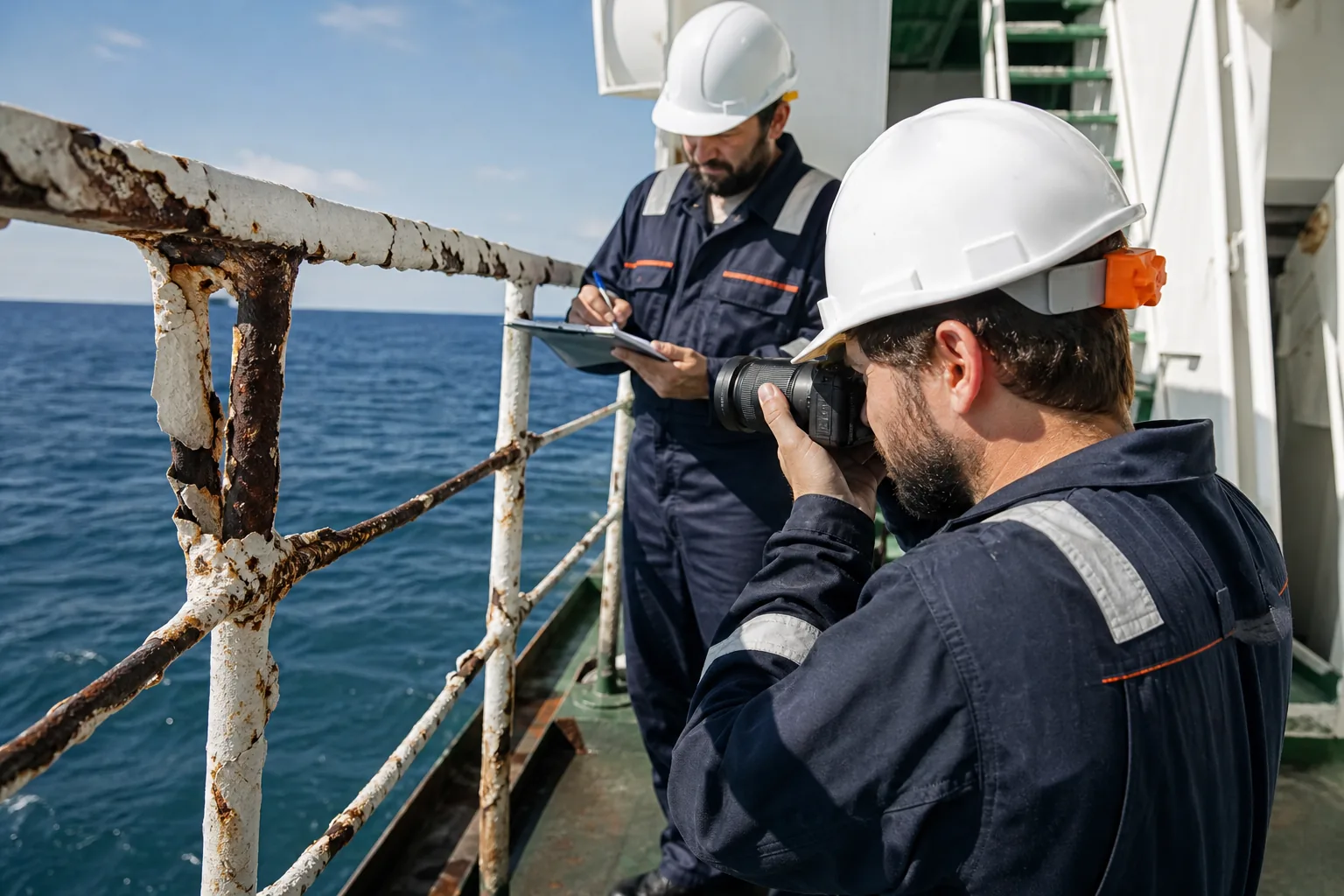
Maritime Injury Settlement Process After a Vessel Collision
A collision can leave you hurt and unsure who is responsible. The settlement process for a maritime injury claim after a vessel collision starts with care, proof, and the right legal deadline, not with an offer from an insurer.
We analyzed 30 comments and questions from Reddit, Quora and YouTube about maritime injury claim settlement process and found that 37% mentioned complex liability and jurisdiction issues.
Take these steps in order. The law and time limits can change with your role, the vessel, and any contract you signed, so get legal advice before you settle.
Step 1: Get Medical Care and Preserve Collision Evidence
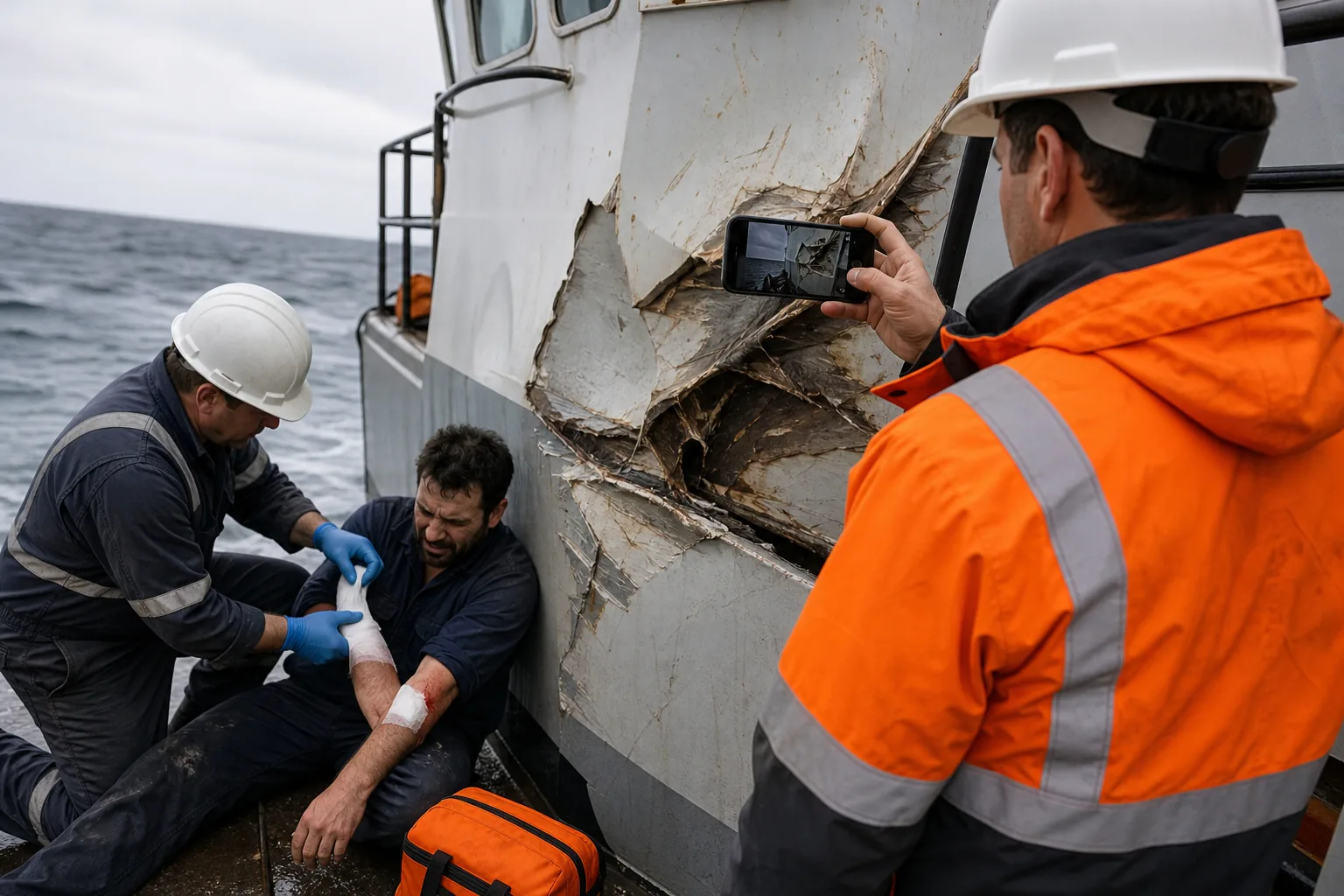
Get checked by a medical professional as soon as you can, even if the injury seems small. Tell the provider that the injury happened in a vessel collision, and describe each symptom clearly. A medical record made close to the event can help link your injury to the crash and guide treatment.
Report the collision to the captain, employer, vessel operator, or other responsible contact. Ask how to get a copy of the incident report. Keep your own written note of when and where the collision happened, who was present, and what you recall. Stick to what you saw. Don’t guess about the cause.
Preserve proof before it disappears. Take photos of visible injuries and damage if it’s safe. Write down witness names and contact details. Save relevant messages, work records, ticket documents, and any written report you receive. If you were working, note your job duties and the vessel you were assigned to.
Collision details can matter. Record what you remember about the vessels’ positions and direction of travel, the weather, visibility, and any warning or radio calls. Don’t alter photos or delete messages. If a vessel operator controls important records, such as maintenance or navigation logs, tell a maritime lawyer quickly so they can assess whether to request preservation.
For a broader look at how the crash setting affects a claim, see this overview of maritime accident types. The details of a collision may differ from a fall or equipment injury, but the same rule holds: save the evidence you can reach and seek help for the rest.
Preservation can be time-sensitive. Some vessel tickets set short notice or suit periods, so don’t assume the general legal deadline is the only one that matters.
Step 2: Identify the Applicable Claim and Potentially Responsible Parties
Before making a demand, work out what legal claim fits your role and how the collision happened. A seaman may have a Jones Act claim if their work and connection to a vessel meet the legal test. For more information, consult this legal resource.
That test depends on your work and duties, not only the name on your job badge. A maritime lawyer can review your employment records, the vessel’s role, and what you did aboard. A passenger, guest, or dock worker may have a different path. Don’t assume that every person hurt on a vessel uses the Jones Act.
More than one party may need review. Depending on the facts, that can include the vessel owner, operator, employer, or another vessel involved in the crash. The investigation should ask who controlled the vessel, who made the relevant decisions, and whether any unsafe condition helped cause the injury. A vessel collision can involve competing accounts of fault.
General maritime law may also matter. An injured seaman may need a lawyer to assess whether the vessel was unseaworthy, meaning an unsafe condition contributed to the harm. That question is separate from whether someone acted negligently. The facts might include vessel condition, crew practices, or safety gear, but the legal test depends on the claim.
Fault can be shared. If each vessel’s actions contributed to the collision, evidence about speed, lookout, communication, and navigation may help show how responsibility should be divided. Don’t accept an early blame statement as the final answer. Compare it with witness accounts and the records that can be preserved.
maritimeattorney.ai can be a starting point for understanding the claim questions that arise after a crash. A lawyer who reviews the actual facts can help identify the right legal route and the parties to consider.
Step 3: Document the Injury and Calculate Current and Future Damages
Build a clear record of what the injury has cost you so far and what it may cost later. Keep medical bills and records together. Save receipts for out-of-pocket care and travel to appointments. If you miss work, keep pay records and a note of the shifts or hours you could not work.
For lost wages, compare your usual earnings with the income you actually received while unable to work. If the injury changes what work you can do in the future, keep records of job limits and treatment plans. A lasting change in work ability may affect future earning capacity, not just pay already missed.
Some losses take time to assess. A doctor may recommend more treatment, or an injury may affect daily life after the first round of care. Ask your provider what care is expected and keep the written plan. Future medical costs and future income loss need support; don’t treat an estimate as a final bill.
Non-economic harm can matter too. Keep a plain, dated note about pain, sleep, mood, and activities you can no longer do as before. If you experience anxiety or other mental health effects, discuss them with a health professional and keep the related records. These notes can help explain the impact, but they don’t replace medical evidence.
Property damage may be part of the claim if personal items were damaged in the collision. Photograph the item and keep proof of its condition or value before the crash, if you have it. Don’t discard damaged property until you’ve documented it and checked whether it needs to be inspected.
There’s no single figure that fits every collision claim. The value depends on the injury, evidence, legal theory, and future effects. That’s why it’s risky to settle before you understand the likely course of care and work limits.
Before moving to negotiations, organize the records by date and keep a copy of anything you send. The goal is to show how the collision connects to each loss.
Step 4: Prepare a Settlement Demand and Evaluate Any Offer
A settlement demand explains why another party is responsible and what compensation you seek. It should connect the collision evidence to the injury, then connect the injury to each claimed loss. A careful demand is easier to assess than a round number with no explanation.
Gather the incident report, witness details, photos, medical records, bills, and wage documents. Add a short timeline of care and missed work. If future treatment or work limits are expected, include the supporting medical opinion or other available proof. Keep a copy of every item you send.
State the losses in clear groups. Include current medical costs and out-of-pocket expenses. Show wage loss with records. Explain any expected future care or reduced earning ability with evidence, rather than guesswork. Then describe the non-economic effects in your own words, with support from the treatment record where it applies.
Offers can arrive before all the facts are known. Ask what the offer covers and whether it requires a release. A signed release may end the claim for the injuries described in it, even if more care is needed later. Don’t sign until you understand what rights you’re giving up and how liens or unpaid bills will be handled.
Negotiation is usually a series of exchanges. The insurer may dispute fault, the amount of a loss, or whether future care is related to the collision. Answer each point with records when possible. If direct talks stall, the parties may agree to mediation, where a neutral person helps them discuss settlement but does not decide the case.
Some contracts may call for arbitration or set a forum for disputes. Read the ticket or work agreement and ask a lawyer what it means before you make a demand or sign a settlement. maritimeattorney.ai also provides information about maritime legal costs, which can help you prepare questions before discussing representation.
Step 5: File Suit Before the Applicable Deadline if Settlement Fails
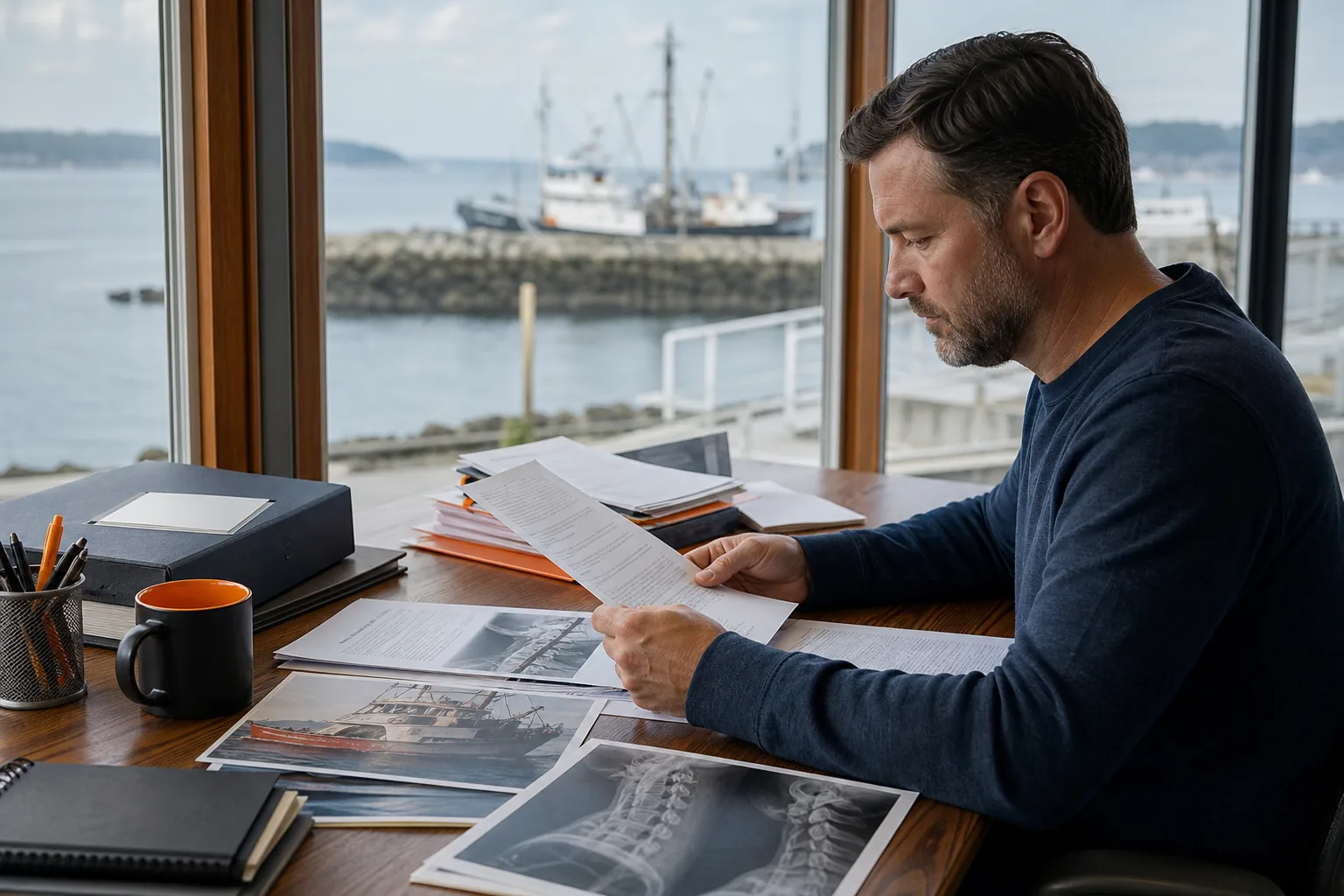
If talks don’t lead to a fair agreement, a lawsuit may be needed to keep pursuing the claim. Filing starts a formal court case. The parties can then seek records, question witnesses, and present evidence about fault and damages. Settlement discussions may continue during that process.
Do not wait for negotiations to end before checking the deadline. Under 46 U.S.C. § 30106, many maritime personal injury actions have a three-year limit, but the rule can vary by claim. Some contracts may set a shorter period, and other laws can apply to particular workers or incidents.
A shipowner’s limitation-of-liability case can add another time concern. The owner may start a separate court action after receiving written notice of a claim. If you receive court papers, read them right away and follow the response date in the court’s order. A maritime lawyer can check whether the case affects your claim and what response is due.
Filing a lawsuit doesn’t mean the case must go to trial. The next steps may include exchanging documents, taking depositions, and getting expert opinions. Those steps can test disputed facts and help both sides judge the risk of trial. A mediator may help later if both sides are willing to negotiate.
Keep a working file as the case moves forward. Save court notices and copies of all submissions. Track new medical care and changes in your work status. Tell your lawyer if you find new witnesses or records, even if they seem minor at first.
Deadlines are among the easiest parts of a claim to overlook. Confirm the rule that applies to your claim early, and have counsel verify it against your contract and the facts. maritimeattorney.ai can help you find information to discuss, but a lawyer should assess a specific filing deadline.
FAQ: Vessel Collision Injury Claims
How long does a vessel collision injury settlement take?
There’s no fixed timeline for a vessel collision injury settlement. The time can depend on how long treatment takes, whether the parties dispute fault, and how much evidence they need to review. Negotiations may happen before or during a lawsuit. Don’t trade a full understanding of your injuries for a quick offer.
What evidence should I keep after a vessel collision?
Keep medical records, bills, wage documents, incident reports, photos, and messages about the collision. Write down what you remember while it’s fresh, and note witness names. Save vessel or work documents you can lawfully access. Don’t try to take records you’re not allowed to access; a lawyer can assess how to request them.
Does the Jones Act apply to every person hurt in a vessel collision?
No, the Jones Act does not apply to every person hurt in a vessel collision. It applies to qualifying seamen, and eligibility depends on employment status and the nature of the person’s duties. Passengers and other workers may have different claims. A lawyer can review the person’s job and connection to the vessel.
Can I settle before filing a lawsuit?
Yes, parties can settle before a lawsuit is filed. Before accepting, check that the offer accounts for known losses and likely future care. Read the release closely because signing may end your right to seek more compensation for the covered injury. Also confirm that no filing deadline is about to pass.
What if more than one vessel may have caused the collision?
More than one vessel or party may share responsibility, depending on the evidence. Investigators and lawyers may review what each vessel did before impact, along with witness accounts and available records. Don’t decide fault from one early report alone. A legal review can identify the parties and claims that fit the facts.
Conclusion
Start by getting medical care and preserving the proof you can access. Then have a maritime lawyer check the legal route and every deadline before you discuss a final settlement. For your next step, gather your incident report and medical records in one dated file so they’re ready for review.