Top 5 Most Common Maritime Accidents in 2026
Every day ships cross oceans, rivers and ports. Most of those trips end without a hitch, but when a maritime accident happens the fallout can be severe , lives lost, cargo ruined, legal battles that drag on for years. This list will walk you through the five accident types that dominate headlines in 2026 and show you what crews, operators and insurers can do to stay safer.
By the end you’ll know the warning signs, the most common causes, and the steps you can take to lower risk on your own vessel or fleet.
1. Collisions at Sea , The Most Frequent Maritime Accident
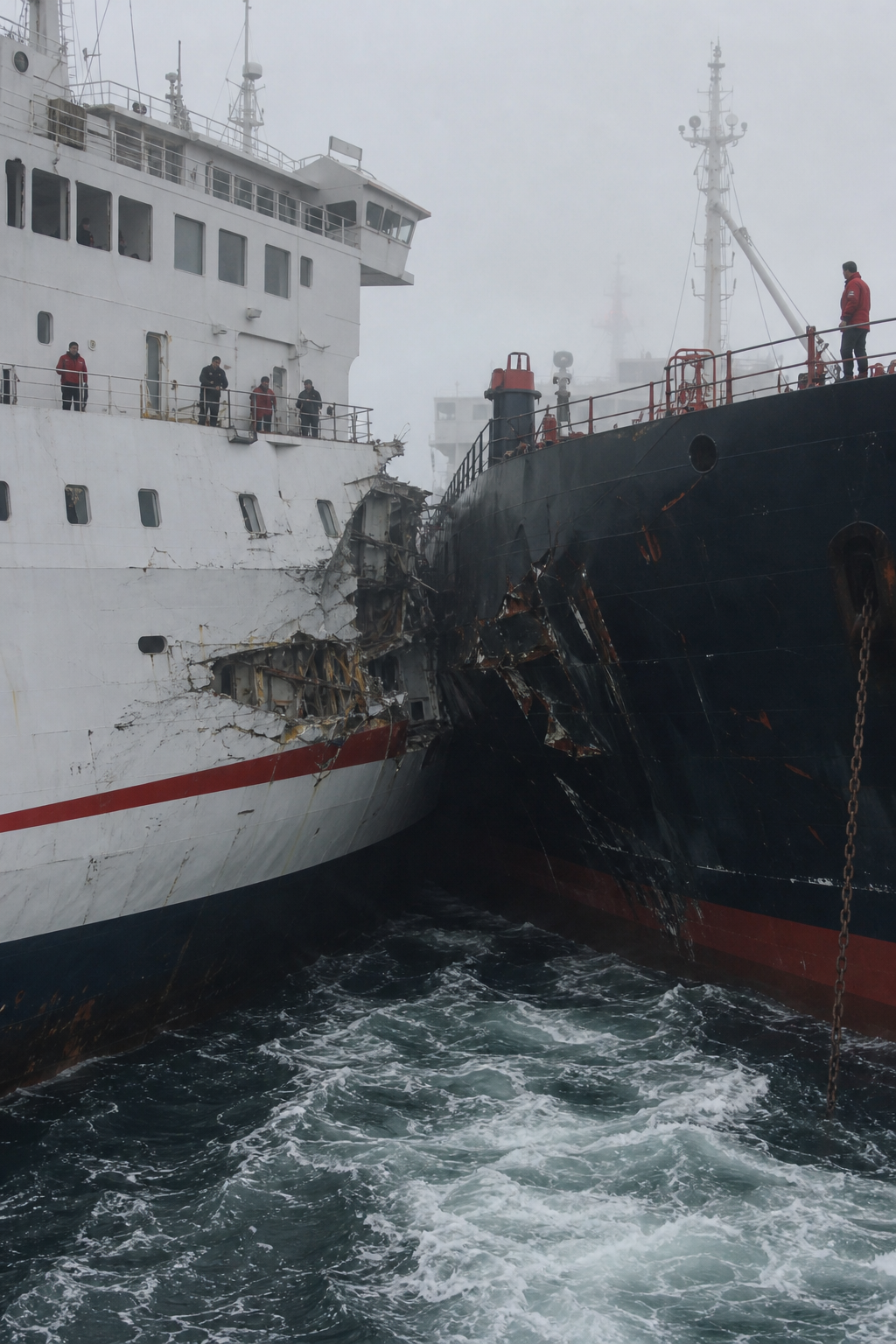
When two vessels strike each other the results can range from a dented hull to a full‑scale disaster. Collisions happen in busy ports, narrow channels and even on open water when visibility drops or communication breaks down.
Why they happen
Human error tops the list. A skipper may misjudge another ship’s speed, or a lookout might miss a radar echo. In many cases the root cause is a breakdown in bridge teamwork , the officer on watch, the helmsman and the pilot simply not on the same page.
Technology can help, but over‑reliance on automated systems creates a false sense of security. When an automatic collision‑avoidance system is turned off or set to the wrong mode, the crew may lose the last line of defense.
Usable steps to cut the risk:
- Run a daily bridge‑team brief that reviews traffic, weather and any special navigation instructions.
- Keep radar and AIS displays clean; set proper alarm thresholds and test them each shift.
- Use sound signals and radio calls as required by COLREGs , never assume the other vessel sees you.
Case in point: In early 2026 a container ship and a tanker collided in the Strait of Malacca. The investigation found that the tanker’s pilot had not been briefed on the container ship’s altered course. Both vessels suffered hull breaches that required costly repairs.
Insurance claims from collisions often include hull damage, cargo loss and environmental cleanup fees. Having a clear incident report helps insurers process claims faster and can protect you from costly litigation.
Bottom line: Strong communication, disciplined watch‑keeping and regular equipment checks keep collisions at bay.
2. Grounding , When Ships Run Aground
Grounding occurs when a vessel’s hull makes contact with the seabed, a reef or a dock. The damage can be minor , a scratched keel , or catastrophic, leading to oil spills and long‑term environmental harm.
Recent research shows that poor communication between the ship’s crew and the marine pilot is the most common trigger. The Cambridge study of pilot‑assisted navigation found that "Ship, Marine Pilot Communication Problems" appeared in eight of nine accident‑causing rule sets. In addition, inappropriate passage plans and ineffective bridge‑equipment use were flagged in six of those rules.
Here’s how to guard against grounding:
- Verify the pilot’s passage plan against the latest electronic charts before entering narrow waters.
- Run a bridge‑team simulation of the approach, highlighting depth contours and tidal currents.
- Maintain a clear, open radio channel with the pilot; repeat back key instructions to confirm understanding.
Real‑world example: A bulk carrier ran aground off the coast of Spain while under pilotage. The investigation cited a missed depth warning on the ECDIS screen and a brief radio exchange that left the captain unsure of the exact turning point. The ship suffered a hull breach that required a multi‑million‑dollar salvage operation.
Environmental stakes are high. Groundings can release fuel, cargo chemicals or ballast water that threaten marine life. Prompt reporting to coastal authorities and having an emergency response plan can limit the impact.
Takeaway: Clear, documented communication with pilots and diligent use of bridge equipment are the twin pillars of grounding prevention.
Study of grounding causes during pilotage (Cambridge University Press)
3. Fire and Explosion , A Deadly Maritime Threat
Fires on board are terrifying because they can spread in seconds and often happen in confined engine rooms where crew members work in hot, oily conditions.
Typical ignition sources include electrical faults, fuel leaks and improper handling of hazardous cargo. When a spark meets vapour, an explosion can follow, endangering the whole vessel.
Key prevention tactics:
- Conduct daily inspections of wiring, fuel lines and gas detectors.
- Install automatic fire‑suppression systems in engine spaces and keep them serviced.
- Train crew in fire‑hose deployment and emergency evacuation drills at least quarterly.
Watch the video below for a quick run‑through of a real‑world fire response on a cargo ship.
One notable case in 2026 involved a tanker that suffered a boiler explosion while transiting the Gulf of Mexico. The NTSB report highlighted a lapse in routine maintenance on a pressure valve, which allowed steam to build up and burst. The blast ripped a hole in the hull, causing a massive fuel spill.
, the crew’s quick activation of the fixed‑installation fire‑extinguishing system prevented the fire from spreading to the cargo holds.
Lesson learned: Regular maintenance of high‑risk equipment and a well‑practised emergency response can mean the difference between a contained incident and a total loss.
NTSB investigation of a 2026 fire and explosion incident
4. Sinking and Capsizing , The Ultimate Danger
Sinking and capsizing are the worst‑case scenarios for any vessel. They can result from structural failure, severe weather, cargo shift or a combination of these factors.
Statistically, most capsizing events involve a loss of stability caused by improper cargo securing or overloading. The Maritime Injury Center notes that a South Korean ferry in 2014 capsized after a sudden turn shifted cargo, causing the vessel to list and roll over.
Steps to protect your ship:
- Perform a stability calculation before each voyage, especially when loading heavy cargo.
- Secure all cargo with lashings and check them at regular intervals.
- Monitor weather forecasts closely and avoid sailing into severe storms when possible.
- Maintain bilge pumps and alarms; test them monthly to ensure they activate promptly.
Real‑world illustration: The cargo ship El Faro sank in 2024 while trying to outrun Hurricane Joaquin. Investigators found that the vessel’s power loss and water ingress overwhelmed the pumps, leading to a rapid sinking.
Beyond equipment, human factors matter. Fatigue, reduced crew numbers and inadequate training increase the chance that a warning sign , a rising water line or a sudden heel , will be missed.
Legal angle: Survivors and families can seek compensation under maritime law. If negligence contributed to the sinking, a qualified maritime attorney can help pursue a claim.
Maritime Injury Center on vessel capsizing and sinking
5. Man Overboard , Prevention and Response
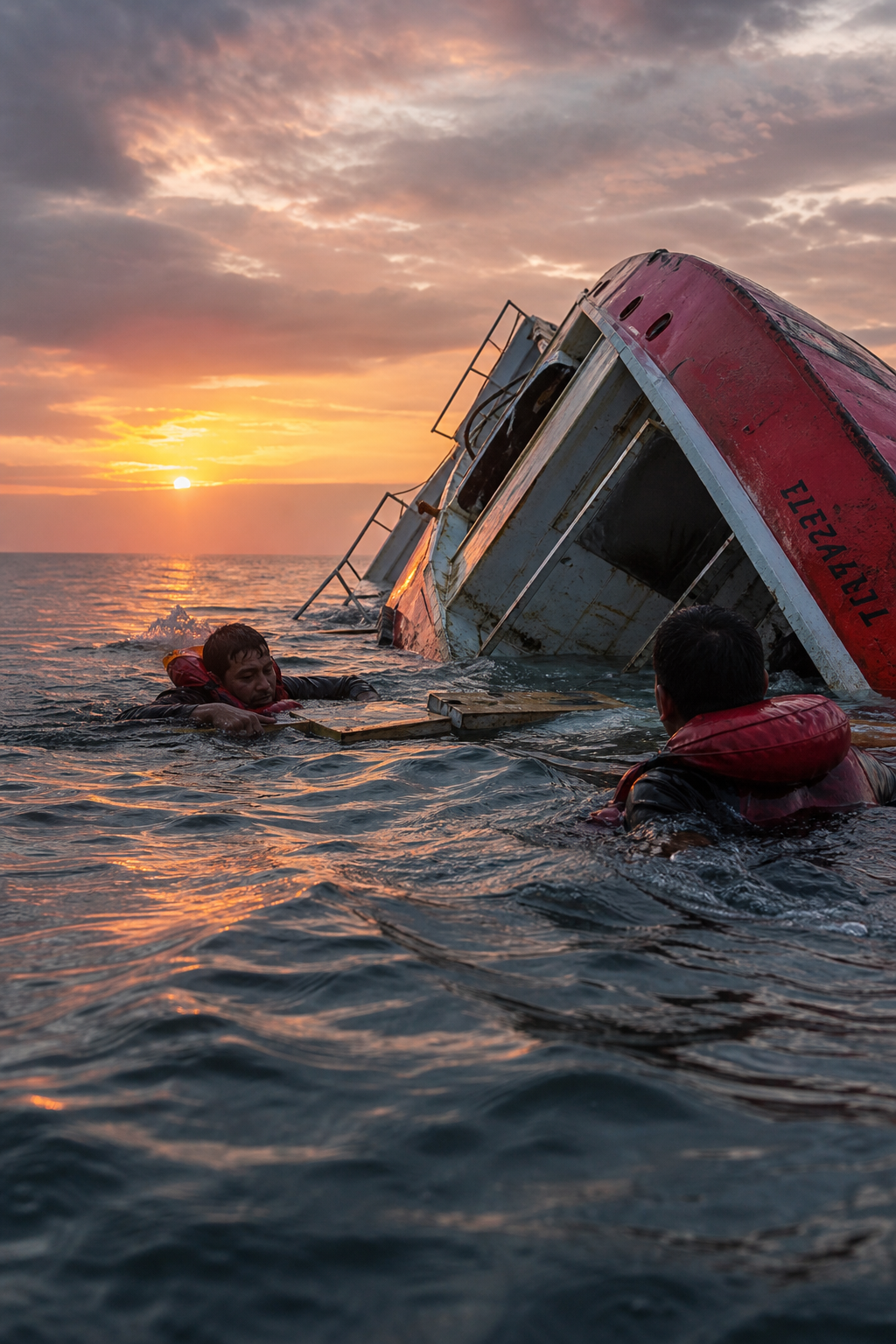
A man‑overboard (MOB) incident is one of the most frightening events at sea. The person can disappear in seconds, especially in rough water or low light.
Common causes include slips on wet decks, lack of personal flotation devices (PFDs) and fatigue. In commercial fishing, MOB is the second leading cause of death, accounting for about 30 % of fatalities on fishing vessels from 2000‑2019.
Prevention measures:
- Require every crew member to wear a PFD whenever on deck, even during short trips.
- Install man‑overboard detection systems that trigger an alarm and mark the person’s location on the bridge display.
- Conduct regular safety drills that practice the “MOB recovery” steps , shout, throw a lifebuoy, turn the ship and retrieve the person.
When an overboard event occurs, speed is vital. The ship should stop or reverse thrust as soon as possible, while a crew member throws a life ring. A trained rescue swimmer can improve survival odds dramatically.
Legal recourse: If an employer failed to provide proper safety gear or training, the injured worker or their family can file a claim under the Jones Act or other maritime statutes. A seasoned attorney can help handle the complex process.
Top Maritime Accident Attorney Guide 2026
What to Look for: Evaluating Maritime Accident Risks
Assessing risk is a systematic process. Start by gathering data on vessel type, operating area, crew experience and recent incident history.
Below is a simple matrix that helps you compare the five accident types across three key dimensions: likelihood, potential impact and ease of mitigation.
Use this matrix to prioritize safety investments. If your fleet operates in congested ports, focus on collision avoidance technology. If you run fishing boats, prioritize man‑overboard detection and crew training.
Frequently Asked Questions About Maritime Accidents
What is the most common cause of maritime collisions?
Human error, especially miscommunication on the bridge, leads the list. Crews that skip proper radio checks or ignore radar contacts increase the chance of a collision. Regular bridge‑team training and strict adherence to COLREGs can dramatically lower risk.
How can a ship avoid grounding in pilot‑controlled waters?
Clear, documented communication with the pilot is essential. Verify the passage plan against up‑to‑date charts, run bridge simulations and keep the pilot’s instructions on the bridge display. Proper use of ECDIS and vigilant depth monitoring are also key.
What safety systems help prevent onboard fires?
Automatic fire‑suppression systems in engine rooms, regular inspection of electrical wiring, and a strong maintenance schedule for fuel lines are the backbone of fire safety. Crew drills that cover hose deployment and evacuation routes ensure a swift response if a fire does break out.
Why do some vessels capsize while others stay upright?
Stability depends on cargo weight distribution, hull design and sea conditions. Overloading, unsecured cargo and sudden turns can shift the centre of gravity, causing a vessel to list and eventually capsize. Performing stability calculations before each voyage is a proven safeguard.
What should a crew do the moment someone falls overboard?
First, shout “Man overboard!” and sound the alarm. Throw a life ring or flotation device toward the person. The helmsman should either stop the vessel or execute a hard‑turn maneuver to keep the person in sight. If a man‑overboard detection system is installed, activate it immediately.
Can a maritime accident victim claim compensation?
Yes. Victims can pursue claims under the Jones Act, the Athens Convention or other national statutes. The claim may cover medical costs, lost wages and pain‑and‑suffering. Working with a maritime‑accident attorney improves the chance of a fair settlement.
Conclusion
Maritime accidents are varied, but the patterns are clear. Collisions, grounding, fire, sinking and man‑overboard incidents each have distinct triggers and preventative steps. By focusing on clear communication, solid training, proper equipment use and rigorous risk assessment, operators can cut the odds of an accident dramatically.
If you’re ready to protect your crew and cargo, start by running a safety audit based on the matrix above. And when you need expert legal guidance, a seasoned maritime‑accident attorney can help you handle the claims process.
Take the next step today , schedule a free safety review and see how our tools can keep your vessels out of trouble.