
Jones Act Explained: A Complete Guide
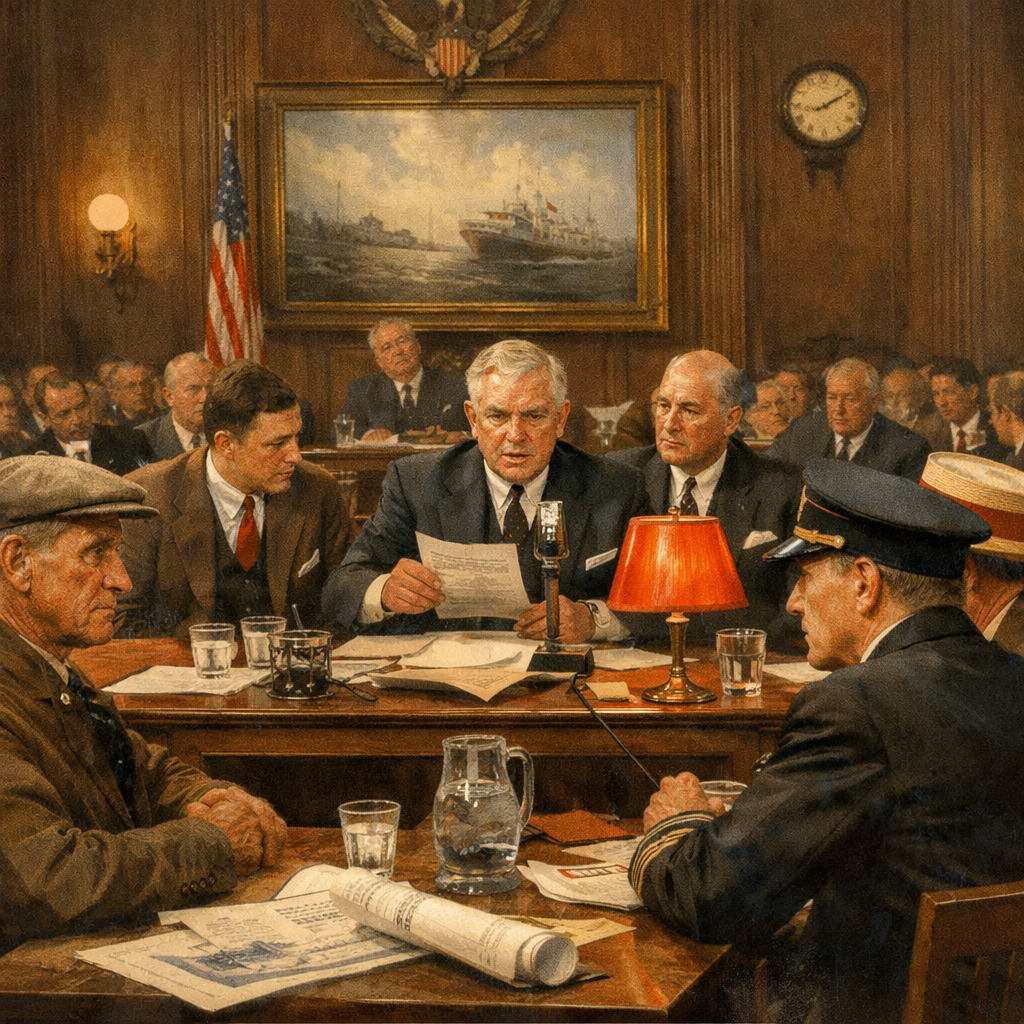
Shipping between U.S. ports isn’t as simple as it sounds. The Jones Act makes it a rule‑bound process that affects everyone from ship owners to consumers on the mainland and in territories. In this guide you’ll get a full picture of the law, why it exists, how it works, and what it means for businesses and workers today.
What Is the Jones Act?
The Jones Act, officially the Merchant Marine Act of 1920, is a federal law that governs maritime commerce inside the United States. It forces any vessel moving cargo or passengers between two U.S. ports to be U.S.‑flagged, built in the United States, owned by U.S. citizens, and crewed primarily by U.S. nationals. The goal is two‑fold: keep a strong domestic shipbuilding industry and ensure a ready‑to‑go merchant fleet for national emergencies.
Beyond the shipping rule, the Act also extends the Federal Employers’ Liability Act to seamen. That means a worker injured on the job at sea can sue the employer in a civil court and even demand a jury trial , a right most workers don’t have under regular workers’ compensation.
Under 46 U.S.C. § 30104, a seaman can bring a personal‑injury lawsuit in federal or state court, and the defendant cannot move the case to federal court. The law also gives the injured party the right to a jury trial, which is rare in maritime cases.
Because the statute touches both commerce and personal injury, it sits at the intersection of admiralty law and labor law. Companies that ignore its requirements risk hefty fines, denied cargo, and costly lawsuits.
For a deeper dive on filing a claim, see the step‑by‑step guide to filing a Jones Act claim. It walks you through eligibility, evidence, and the courtroom process.
Historical Background of the Jones Act
The Act was born after World War I, when lawmakers feared the U.S. would lack a reliable fleet in future wars. Senator Wesley Jones championed the bill to create a merchant marine that could double as a naval auxiliary.
Congress passed the law in 1920, embedding it in the broader Merchant Marine Act. Over the decades, the Act survived challenges, wartime waivers, and shifting economic climates, but its core purpose, national security and a domestic shipbuilding base, has remained unchanged.
In the 1930s, the law helped launch the New Deal’s public works by ensuring that coastal freight moved on American‑built ships. During World War II, the merchant fleet proved essential for moving troops and supplies, validating the original security rationale.
Today, the Jones Act still influences policy debates, especially when natural disasters or supply‑chain shocks expose its limits. The law’s longevity shows how a century‑old statute can shape modern commerce.
Key Provisions and Requirements
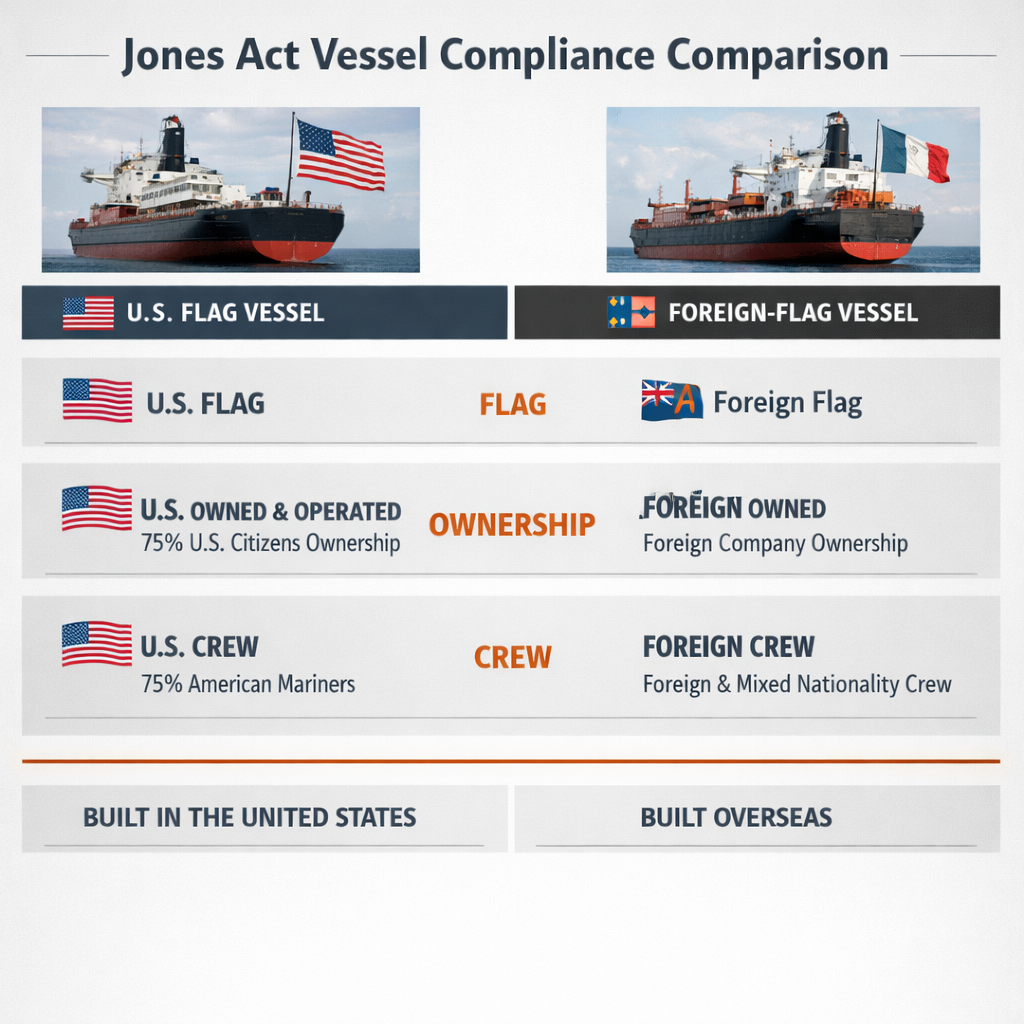
Understanding the Act means breaking down its main rules. First, the “cabotage” rule: only U.S.-flag vessels may transport goods between U.S. ports. A vessel must meet three tests, U.S. built, U.S. owned, and U.S. crewed (the 75‑percent ownership rule).
Second, the injury‑recovery provision gives seamen the right to sue for negligence, unseaworthiness, and other harms. The damages can include medical costs, lost wages, pain and suffering, and even punitive damages in extreme cases.
Third, the law limits the ability of foreign‑flagged ships to compete on domestic routes, effectively creating a protected market for U.S. shipbuilders and operators.
Compliance isn’t optional. Companies must verify vessel registration, ownership structures, and crew composition before loading cargo. Failure to do so can lead to civil penalties, loss of cargo, and delayed shipments.
Usable tip: maintain a compliance checklist that includes vessel flag status, build year, ownership percentages, and crew nationality. Updating this list quarterly helps avoid surprise violations.
Impact on U.S. Shipping and Commerce
The Act’s protectionist stance shapes the cost and speed of domestic shipping. By limiting competition to U.S. vessels, freight rates are typically higher than those on comparable foreign‑flag routes. This cost is felt most in non‑contiguous states and territories, where alternatives are scarce.
Economists estimate that the Jones Act adds about $200 million annually to U.S. shipping expenses. Those costs ripple through consumer prices for everything from fresh produce in Alaska to construction materials in Puerto Rico.
When crises hit, like Hurricane Maria in 2017 or the oil‑price shock of 2022, Congress has issued temporary waivers, allowing foreign ships to fill the gap. Those waivers often lower prices quickly but are short‑lived, underscoring the Act’s structural impact.
Despite the cost, supporters argue the Act preserves a strategic fleet that can be called upon in wartime or emergencies. Critics say the benefit is narrow, supporting a small shipyard sector, while the price is borne by millions of consumers.
"The Jones Act provides a vital national‑security asset, but its economic trade‑offs are felt daily by businesses and households across the United States."
Balancing security and efficiency remains a hot policy debate, especially as e‑commerce growth drives higher demand for fast, cheap coastal freight.
Legal Challenges and Court Cases
Since its inception, the Jones Act has faced constitutional and commercial challenges. One of the most recent battles came in early 2026 when a Hawaiian rum producer argued the law unfairly favored mainland ports.
The district court examined whether the Act violated the Port Preference Clause of the Commerce Clause, which prohibits discrimination between states. Judge James Boasberg dismissed the case, noting the Act’s purpose is a “neutral legislation with incidental advantages,” not a scheme to disadvantage Hawaii.
The decision reinforced the Act’s resilience: even when plaintiffs claim economic injury, courts have upheld its national‑security rationale. Earlier cases, like *Kellogg Co. v. United States* (1938) and *United States v. Bethlehem Steel* (1953), also affirmed the law’s constitutionality.
For a full read on the 2026 ruling, on Winston & Seymour’s blog. It details the standing and statute‑of‑limitations arguments that shaped the outcome.
Common Misconceptions and Decision Guide
Many people get the Jones Act wrong. A frequent myth is that the law bans all foreign‑built ships from U.S. waters. In fact, foreign vessels can dock, but they cannot carry cargo between two U.S. ports.
Another misunderstanding is that the Act only protects shipbuilders. While it does bolster U.S. shipyards, the injury‑recovery clause gives seamen a powerful tool to get compensation for workplace harms.
Some think the Act is a recent invention, but it dates back to 1920. Its language has stayed largely the same, even as the shipping industry has modernized with containerization and digital tracking.
To decide if your business needs to adjust for the Jones Act, follow this quick guide:
- Identify whether your cargo moves between two U.S. ports.
- Check vessel compliance , flag, build, ownership, crew.
- Calculate the cost premium versus foreign alternatives.
- Consider waiver options during emergencies (e.g., natural disasters).
If the premium outweighs the benefits, you may explore intermodal options like rail or air for the domestic leg.
FAQ
What types of vessels are considered “Jones Act compliant”?
A vessel must be U.S., flagged, built in the United States, at least 75 % owned by U.S. citizens, and crewed predominantly by U.S. nationals. The U.S. Coast Guard and MARAD maintain official registries that list compliant ships. Checking these registries before booking helps avoid costly violations.
Does the Jones Act apply to passenger ferries?
Yes. Any vessel that transports passengers between U.S. ports must meet the same flag, build, ownership, and crew requirements. This includes high‑speed ferries operating between mainland ports and islands such as Hawaii or Puerto Rico.
Can a company get a waiver from the Jones Act?
Temporary waivers are granted by the Maritime Administration (MARAD) during emergencies, like natural disasters or severe supply‑chain disruptions. The waiver process involves a formal request, justification of need, and a limited time frame. Companies must still comply with safety standards during the waiver period.
How does the Jones Act affect shipping costs for consumers?
Because only a limited pool of U.S.‑built vessels can operate coastwise, competition is reduced, driving rates higher. Studies estimate an extra $200 million per year in costs, which often show up as higher prices for goods shipped to Alaska, Hawaii, and Puerto Rico.
What legal recourse do seamen have if injured on a Jones Act vessel?
Injured seamen can file a personal‑injury lawsuit in federal or state court, seeking compensation for medical expenses, lost wages, and pain‑and‑suffering. They enjoy the right to a jury trial, which is rare in other workers‑comp contexts. The statute of limitations is generally three years from the date of injury.
Is the Jones Act likely to be repealed or reformed?
Repeal efforts surface periodically, especially after crises that highlight cost spikes. However, the national‑security argument remains strong, and Congress has historically defended the law. Incremental reforms, like expanding waiver authority, are more common than full repeal.
Conclusion
The Jones Act blends commercial protection with powerful worker rights. It keeps a domestic fleet ready for emergencies, but it also adds a cost premium that touches consumers across the country. By understanding the law’s definition, history, key provisions, and the way courts have upheld it, businesses can plan smarter routes, avoid penalties, and protect their crews.
If you’re moving cargo coastwise, start with a compliance audit and consider whether a temporary waiver might ease costs during peak periods. And if you’re a seaman facing injury, know that the Act gives you a rare chance to seek a jury‑trial award.
Ready to take the next step? Use our Jones Act settlement calculator to estimate potential compensation and plan your next move.