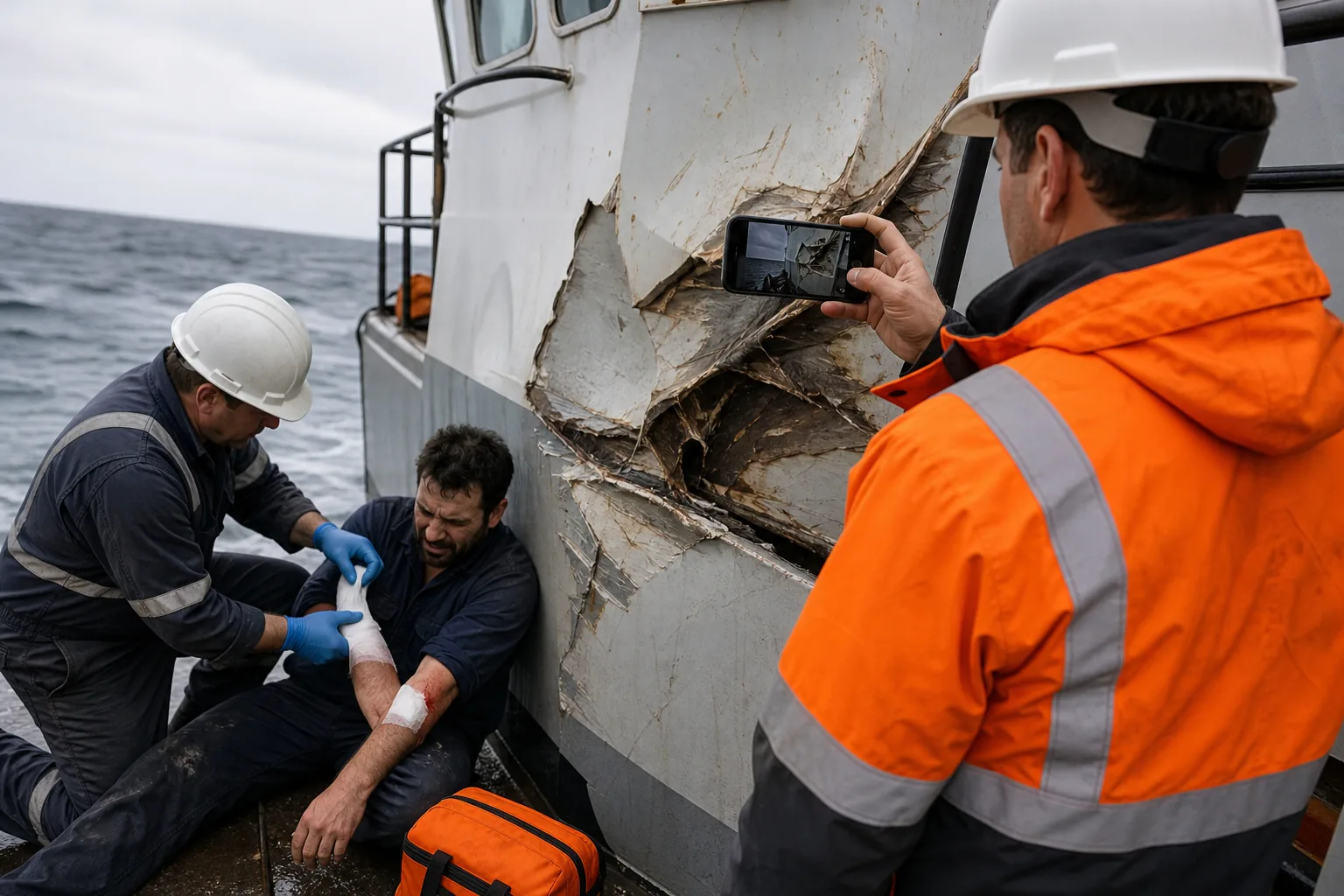
Admiralty Law Attorney: What to Look For
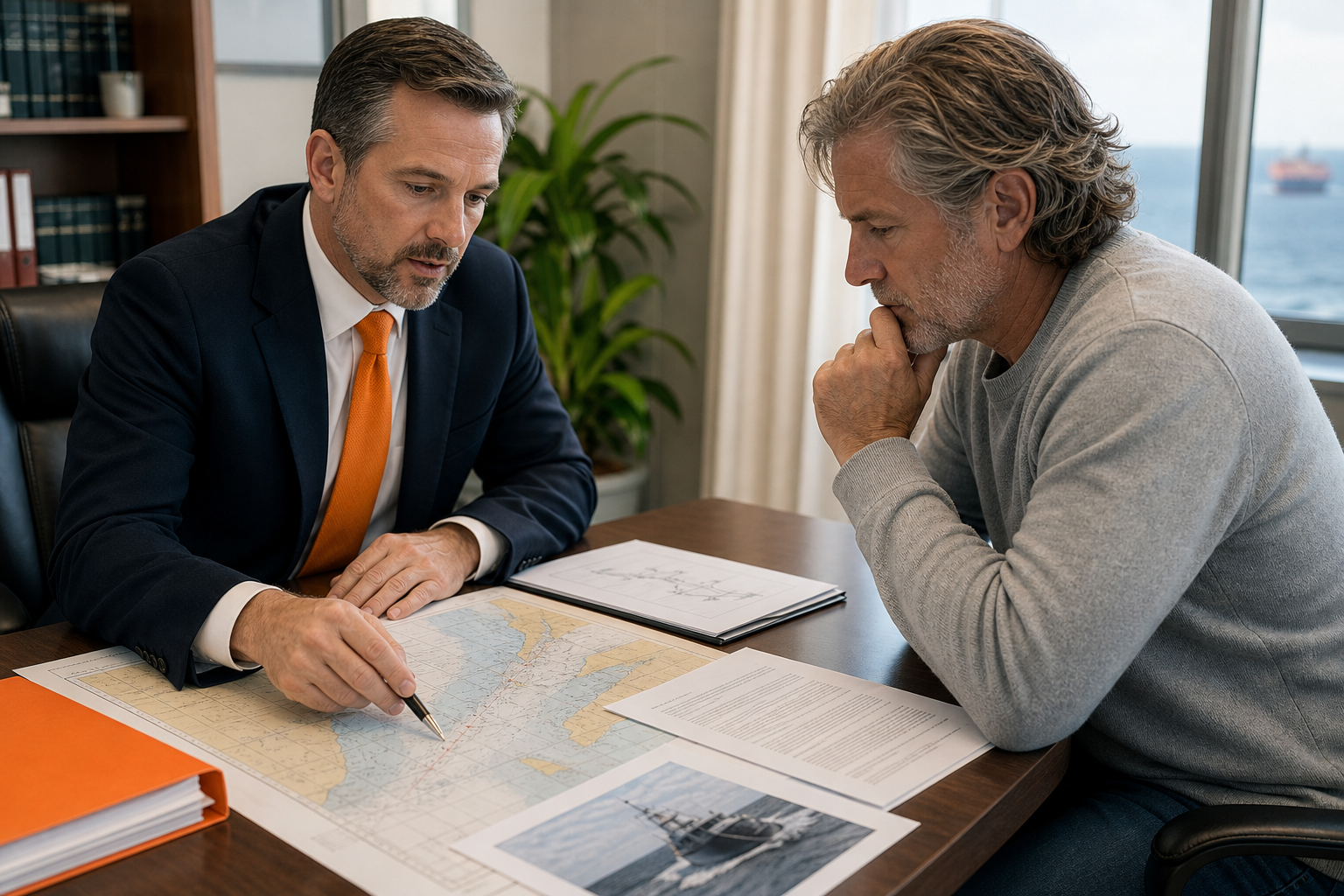
A maritime claim can turn on facts that seem small on land, such as where the incident happened, who owned the vessel, or what contract controls. The right admiralty law attorney will spot those issues early. Use these five steps to check legal fit, protect deadlines, and prepare for a useful first meeting.
Step 1: Confirm That Your Dispute Falls Under Admiralty Law
The first task for an admiralty law attorney is to classify the dispute. Maritime law may apply to an injury on a vessel, a collision, a cargo loss, a charter dispute, or work performed offshore. But the label alone doesn't decide the issue.
Write down the location of the event. Was it at sea, on navigable water, in a port, on a dock, or at a land-based facility? Then note what caused the dispute. A vessel accident and a contract claim may follow different rules, even when they involve the same ship.
Also record each person's role. A deckhand, longshore worker, passenger, recreational boater, cargo owner, ship operator, or contractor may have different rights. The attorney will need to know whether the claim involves an employment statute, a passenger ticket, a bill of lading, a charter party, or another agreement.
Don't confuse legal admiralty law with the name of a navigation product. The UK Hydrographic Office describes Admiralty information as official navigation material that supports passage planning and safe navigation. Its official Admiralty information and navigation services can help explain the technical setting of a voyage, but they don't decide who is legally liable.
Before you hire anyone, ask for a plain answer to this question: “What legal area do you think controls my case, and what facts could change that view?” A careful attorney may give a preliminary view while warning that jurisdiction depends on more evidence.
Milestone: By now, you should have a short case summary, the event location, the parties involved, and a list of documents that may control the claim.
Step 2: Gather the Facts and Protect Important Deadlines
An admiralty law attorney can't assess a claim from a vague account. Build a clean fact file before the consultation. Start with a timeline. Include the date and time of the event, the vessel's location, the people present, the first report, medical care, and every later contact with an insurer or employer.
Save the original files. Keep photos, video, text messages, emails, incident reports, wage records, medical records, maintenance notes, weather data, and repair estimates. Don't edit images or add notes to original documents. Put your own comments in a separate file so the source material stays intact.
Make a list of witnesses with their role and last known contact details. Note who saw the event, who arrived soon after, and who handled the vessel or cargo. A witness who saw the condition of a deck may matter even if they didn't see the injury itself.
Preserve physical evidence when you can. Don't discard damaged safety gear, clothing, tools, or equipment. If the item must be repaired or moved, photograph it first and record who handled it. Ask an attorney before giving a recorded statement or signing a release.
Deadlines need urgent review. They can depend on the type of claim, the defendant, the contract, the place of filing, and the facts of the incident. A passenger ticket may contain notice terms. A public entity may have special notice rules. An employment claim may involve a different filing path.
The historical term “Admiralty” also has a long connection to government control of naval affairs. The history of the Admiralty in the United Kingdom shows that the word has changed in use over time. That history doesn't set your deadline, but it helps explain why maritime terms can sound broader than the legal rule in a specific case.
Don't wait for every record before seeking advice. Send what you have, then tell the attorney what is missing. A prompt review can help identify a notice date or filing deadline that isn't obvious from the paperwork.
Milestone: Your file should now contain a dated timeline, an evidence folder, a witness list, and a written note of every possible deadline.
Step 3: Verify Maritime Experience, Jurisdiction, and Case Fit
A good admiralty law attorney needs more than general litigation skill. Ask how often the lawyer handles cases like yours and where those cases are filed. Experience with cargo claims may not match the needs of an injured seafarer. A lawyer who handles vessel collisions may not focus on charter contracts.
Ask for the attorney's view on the key legal questions. For example:
- Which court or agency may handle the matter?
- What facts support maritime jurisdiction?
- Which contract or statute may affect the claim?
- Who are the likely defendants?
- What evidence is still needed?
Listen to the answer, not just the lawyer's years in practice. A strong fit sounds specific. The attorney should be able to explain the likely path in plain language, identify weak points, and say when another specialist may be needed.
Check whether the lawyer can work across the places tied to the dispute. A vessel may be registered in one country, owned through another entity, operated from a third location, and involved in an incident elsewhere. That does not mean every place has equal legal importance. It does mean the attorney should ask about each connection.
Ask who will handle the day-to-day work. Some firms assign the first meeting to one lawyer, then move the case to another team. That can work well if you know who will make decisions, who will contact you, and who will attend key proceedings.
If you need a plain overview of duties, claim types, and the questions to ask, the admiralty lawyer guide from maritimeattorney.ai can help you prepare before speaking with counsel. It should support your questions, not replace a case-specific legal review.
Ask about conflicts before sharing sensitive details. A maritime lawyer may have represented a vessel owner, insurer, charterer, or contractor connected to your dispute. You don't need to tell your whole story before the firm checks whether it can speak with you.
Decision rule: Choose the attorney who can explain the legal path, the weak facts, and the next evidence request without making promises about the result.
Step 4: Compare the Consultation, Fee Arrangement, and Legal Strategy
Use the first consultation to test the working relationship. An admiralty law attorney should listen closely, ask focused questions, and explain what happens next. You should leave knowing what the lawyer understands, what remains uncertain, and what action must happen first.
Ask how fees work. Injury matters may use a contingency arrangement, while contract disputes may use hourly billing, a flat fee, or another structure. The agreement should state how expenses are handled, when payment is due, and what happens if the matter ends early.
Read the engagement letter before signing. Check:
- The exact parties represented.
- The scope of the work.
- The fee and expense terms.
- Who may settle the claim.
- How you can end the relationship.
Ask what the opening strategy will be. The answer may include sending a preservation request, reviewing a vessel contract, obtaining medical records, inspecting cargo documents, or contacting an insurer. A useful plan has an order. It doesn't pretend that every task can happen at once.
If your matter involves a charter, services agreement, or business contract, review the language before you negotiate. A general consulting contract template clause guide can help you spot topics such as payment, confidentiality, intellectual property, and liability. It isn't a substitute for maritime counsel, especially where vessel terms or governing-law clauses are involved.
Ask what the attorney won't do. For example, the firm may not handle tax questions, immigration issues, criminal exposure, or claims in another country. Knowing the limits early helps you find other counsel before the case stalls.
Be wary of guaranteed outcomes. Maritime disputes often turn on records held by other parties and on legal issues that need deeper review. A lawyer can explain risks and options. No lawyer can promise a verdict or settlement.
Usable test: Compare written follow-up notes, not only the first impression. The clearest plan is often the best sign of fit.
Step 5: Prepare for the Initial Consultation and Next Legal Steps
Bring a focused packet to the first meeting with an admiralty law attorney. Put the timeline first, followed by the main documents. The goal is to help the lawyer find the legal issue quickly instead of sorting through an unmarked file.
Include these items when they apply:
- Photo identification and basic contact details.
- The vessel name, owner, operator, and employer.
- Contracts, tickets, bills of lading, or work records.
- Incident reports and written statements.
- Medical records and a list of treatment dates.
- Insurance letters and settlement offers.
- Photos, videos, logs, maps, and witness details.
Write your questions before the meeting. Ask what the attorney thinks the claim is worth only if you understand that an early estimate may change. More useful questions concern evidence, deadlines, likely defendants, fee terms, and the next step.
Tell the full truth, including facts that hurt your position. Mention prior injuries, safety training, work instructions, alcohol or medication issues, your own possible mistakes, and any statement you gave. Surprises found later can damage trust and weaken the legal plan.
After the meeting, send a short written summary of what you understood. Confirm who will request records, what you must provide, and when you should expect an update. Keep copies of every message and document.
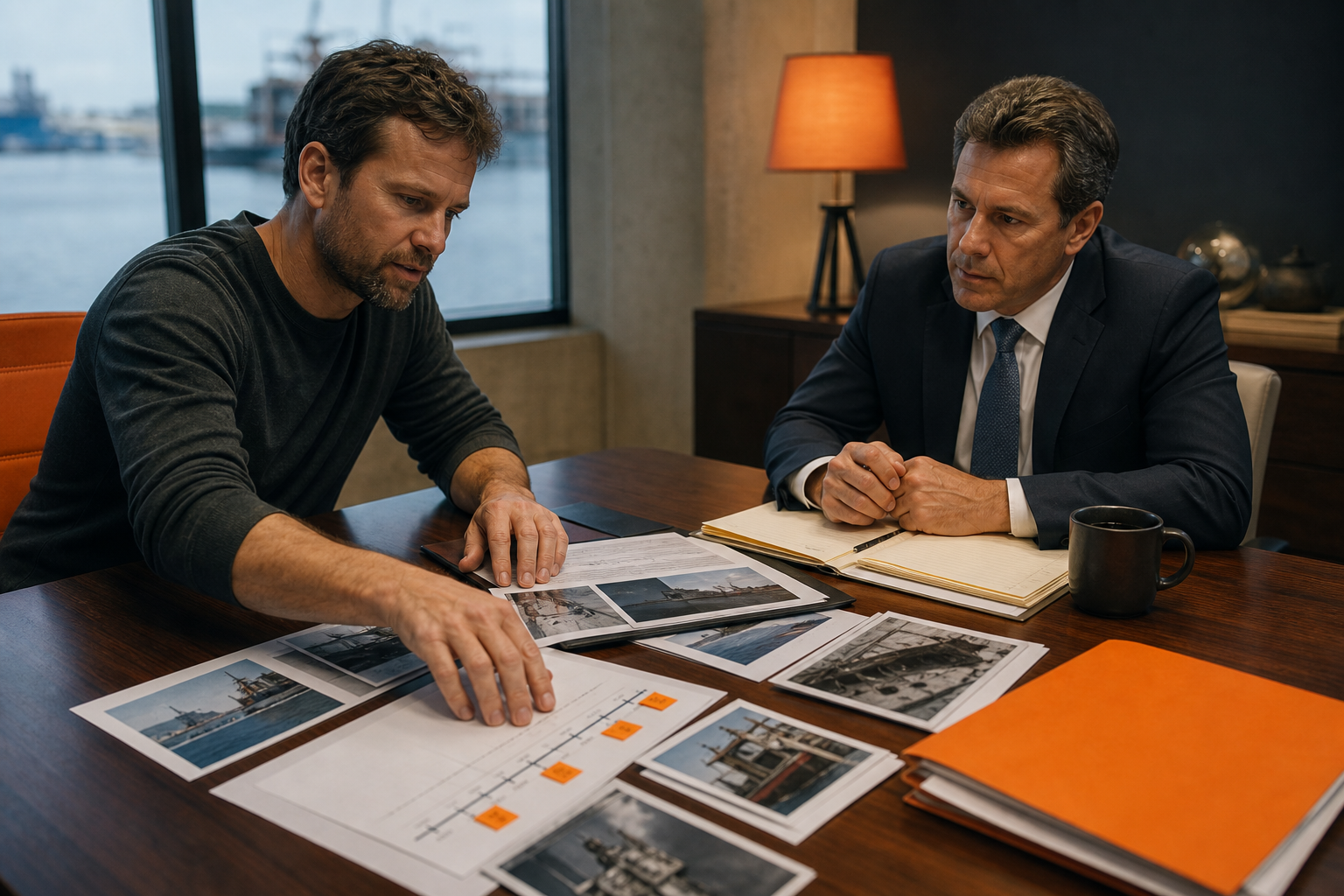
Then make a clear choice. If the attorney is a poor fit, ask whether the firm can recommend the right type of counsel. If you hire the firm, follow the evidence plan and report new facts at once.
maritimeattorney.ai can help you organize the questions and case details you want to raise during that process. Use the site as a starting point for preparation, then seek legal advice based on your own facts.
Milestone: You should leave the first meeting with a written next action, a clear fee arrangement, and a plan for preserving evidence.
Frequently Asked Questions About Admiralty Law Attorneys
What does an admiralty law attorney do?
An admiralty law attorney handles legal disputes tied to vessels, navigable waters, maritime work, cargo, offshore operations, or shipping contracts. The lawyer may assess jurisdiction, preserve evidence, interpret maritime agreements, deal with insurers, and bring or defend a claim. The exact work depends on the incident and the people or companies involved.
When should I contact a maritime lawyer?
You should contact a maritime lawyer as soon as possible after an accident, cargo loss, vessel collision, or contract dispute. Early advice can help protect evidence and identify notice or filing deadlines. You don't need a complete case file before reaching out. A short timeline and the documents you already have are enough for an initial review.
How do I choose the right admiralty attorney?
Choose an admiralty attorney who handles your type of dispute in the place where the matter may proceed. Ask about similar cases, possible deadlines, conflicts, the person managing your file, and the fee agreement. The right lawyer should explain the risks and next steps clearly without promising a result.
How much does an admiralty law attorney cost?
The cost depends on the claim, the fee model, the amount of evidence, and the expected length of the matter. Some injury cases use contingency fees. Contract and defense work may use hourly or flat billing. Read the engagement letter closely, especially the rules for expenses, expert work, settlement, and ending the relationship.
Can maritimeattorney.ai replace a lawyer?
maritimeattorney.ai can't replace legal advice from a licensed attorney who reviews your facts. It can help you learn basic terms, organize documents, and prepare questions for a consultation. A lawyer must assess your jurisdiction, deadlines, contracts, evidence, and legal options before you make a decision about your claim.
Conclusion
Start with classification, deadlines, and case fit before comparing fees. Gather your records, speak with a qualified admiralty law attorney, and ask for a written next step. That simple process gives you a better basis for choosing counsel and protects your claim while the facts are still fresh.