Offshore Platform Accident: Causes, Impacts, and Legal Steps
Offshore platform accidents happen when something goes wrong on a rig out at sea, and the result can be deadly. Below you’ll find what causes them, how they hurt people and the environment, and what legal help looks like.
What Is an Offshore Platform Accident?
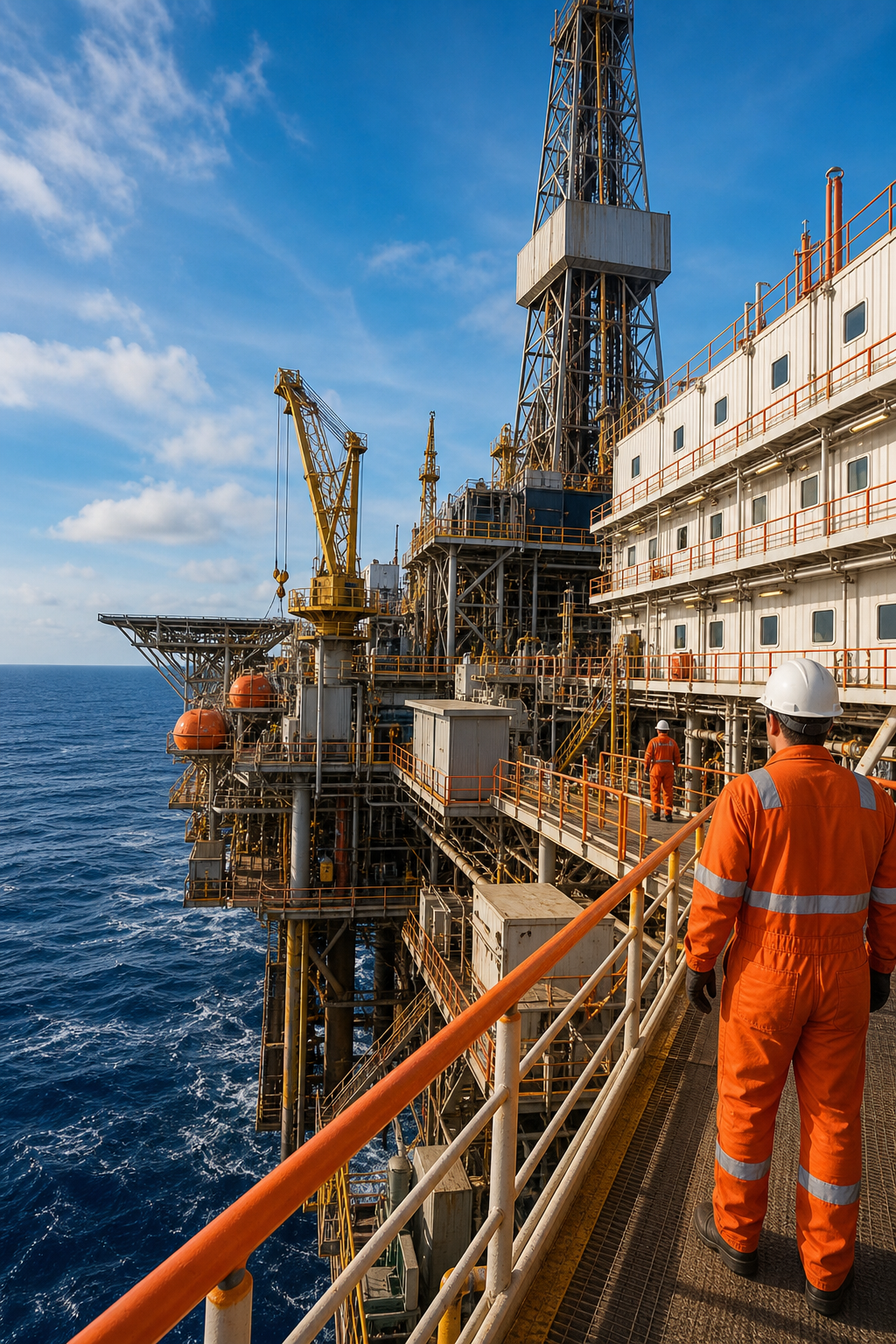
An offshore platform accident is any unplanned event on a sea‑based oil or gas facility that leads to injury, loss of life, equipment damage, or pollution. Platforms range from fixed steel jackets to floating semi‑submersibles, and they house drilling rigs, processing gear, and crew quarters (source). When a safety barrier fails, whether a valve, a structural member, or a control system, the incident can quickly become an emergency.
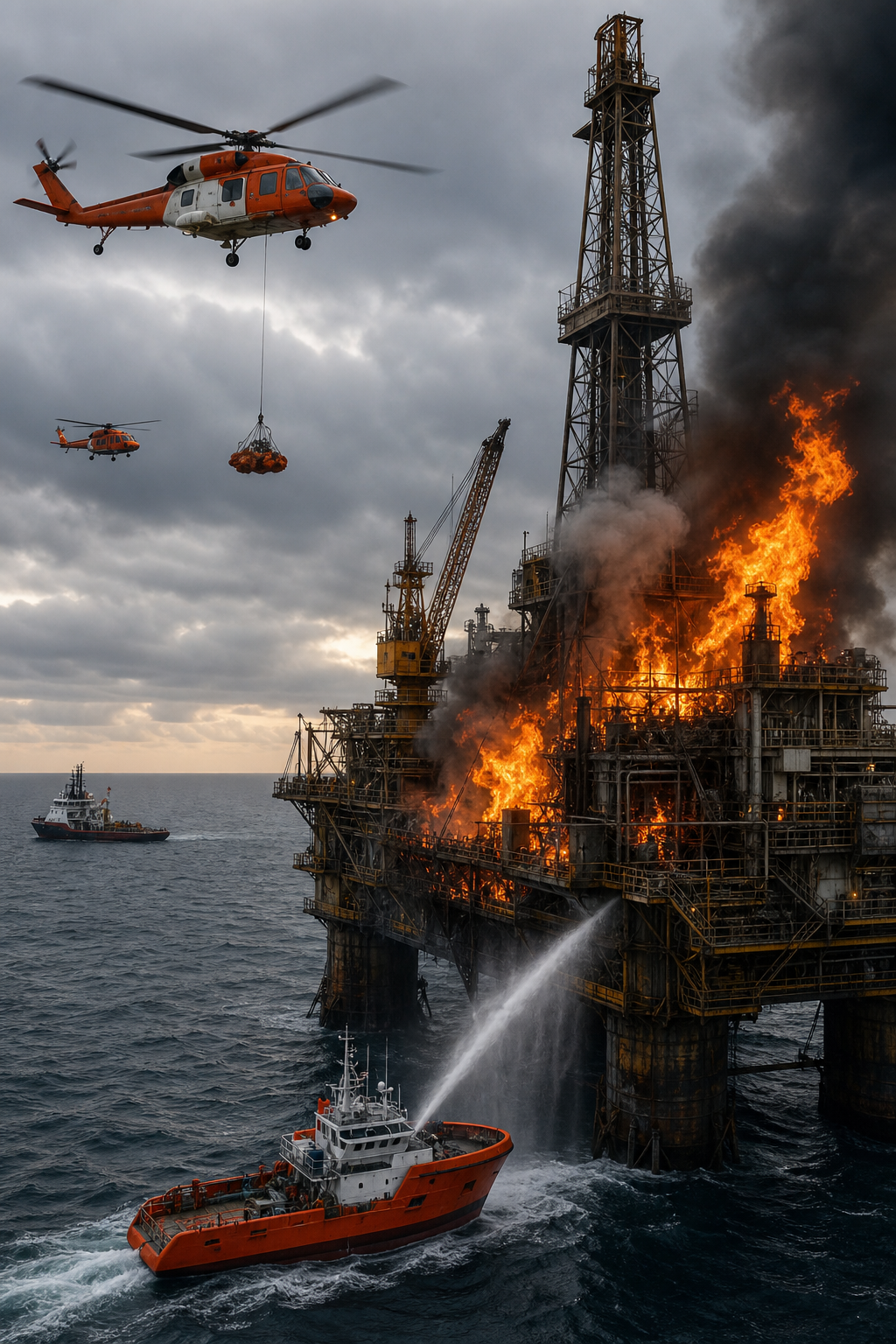
These rigs operate far from shore, so a quick response is hard. That distance makes every safety step critical. The accident can start as a small leak, then turn into a fire or a blowout that spreads across the deck.
Common Causes of Offshore Platform Accidents
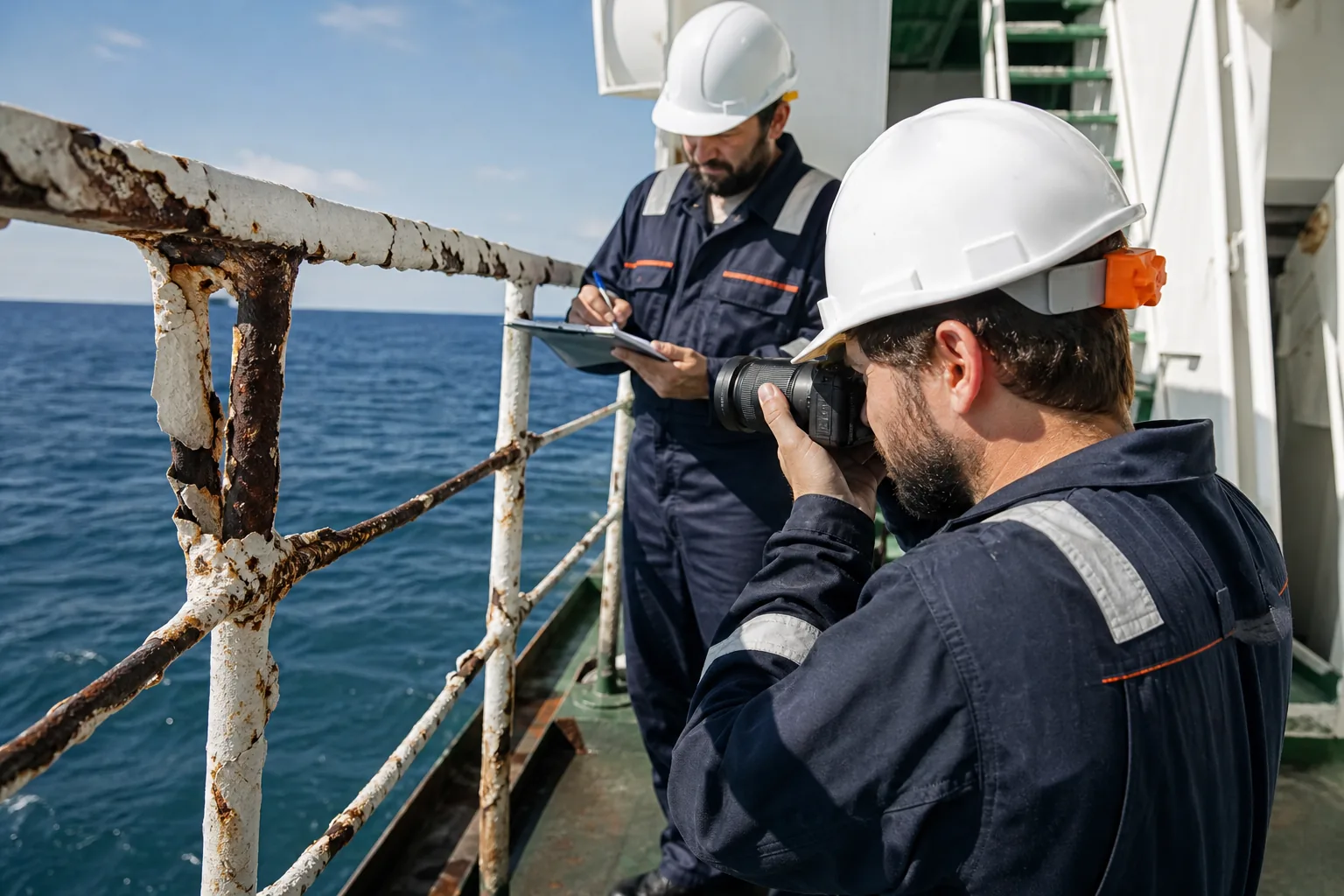
Most accidents trace back to three broad problems: equipment failure, human error, and harsh weather. Equipment can rust, crack, or be installed wrong, especially in the corrosive marine environment.
Human error shows up when crews skip a safety checklist or miscommunicate a work permit. A single misplaced permit can let a faulty pump run, sparking an explosion.
Weather adds a wild card. Storms bring waves that can snap mooring lines or flood ballast tanks, pushing a platform beyond its design limits.
Gas leaks are a frequent trigger. A faulty seal can let high‑pressure gas escape, igniting if it meets a spark. Reliable gas‑flow hardware matters, just like the gas fireplace blowers that keep flow steady in other high‑risk settings.
For a deeper look at the exact causes, that outlines six top reasons (source).
Legal Ramifications and Role of Maritime Attorneys
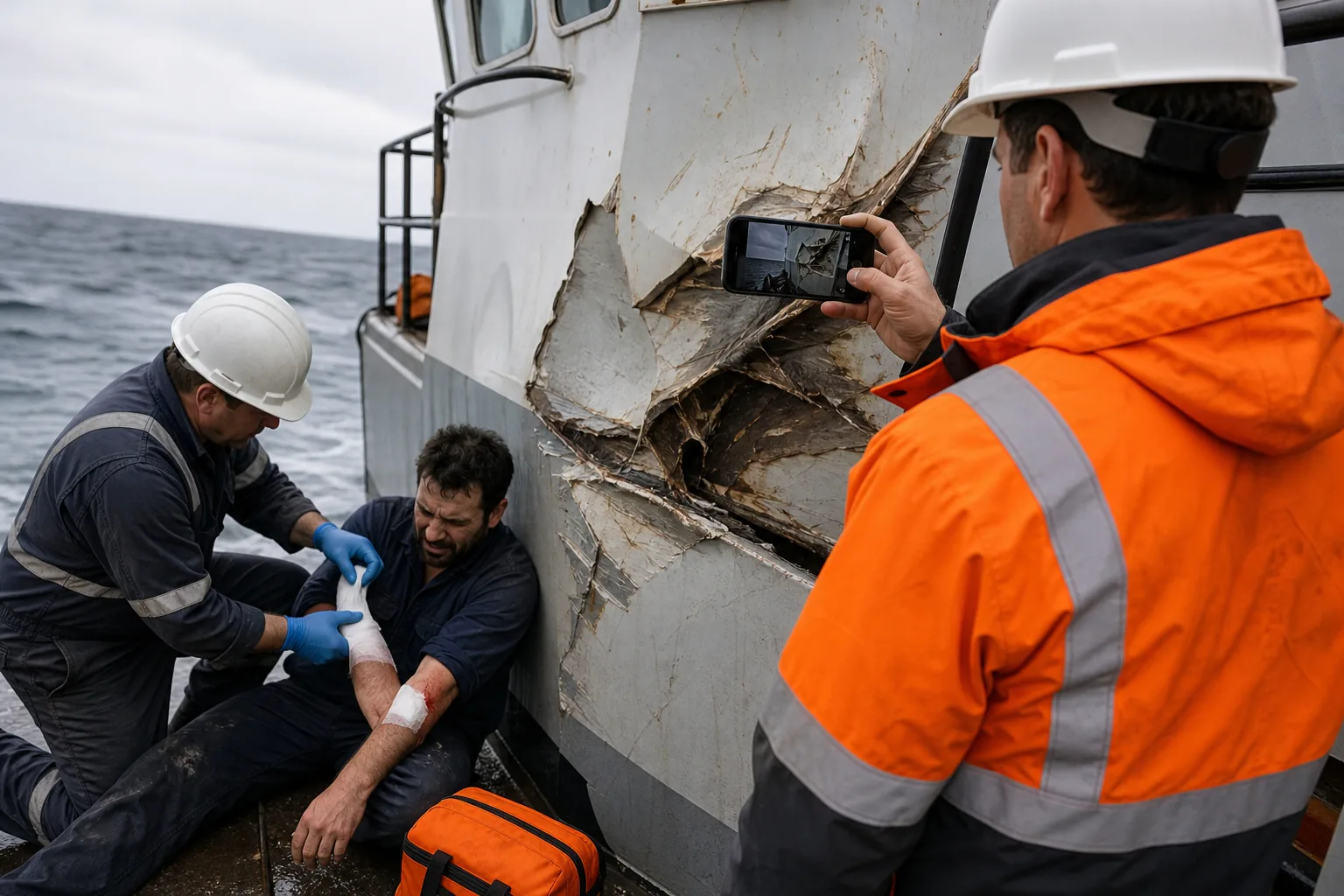
When an accident occurs, the law steps in fast. Workers can claim compensation under the Jones Act, and families may pursue wrongful‑death suits. Maritime attorneys sort through accident reports, crew logs, and safety audits to build a case.
They also negotiate with operators, insurers, and regulators. A skilled lawyer knows how to request the offshore accident investigation files that the Bureau of Safety and Environmental Enforcement (BSEE) files under the Freedom of Information Act.
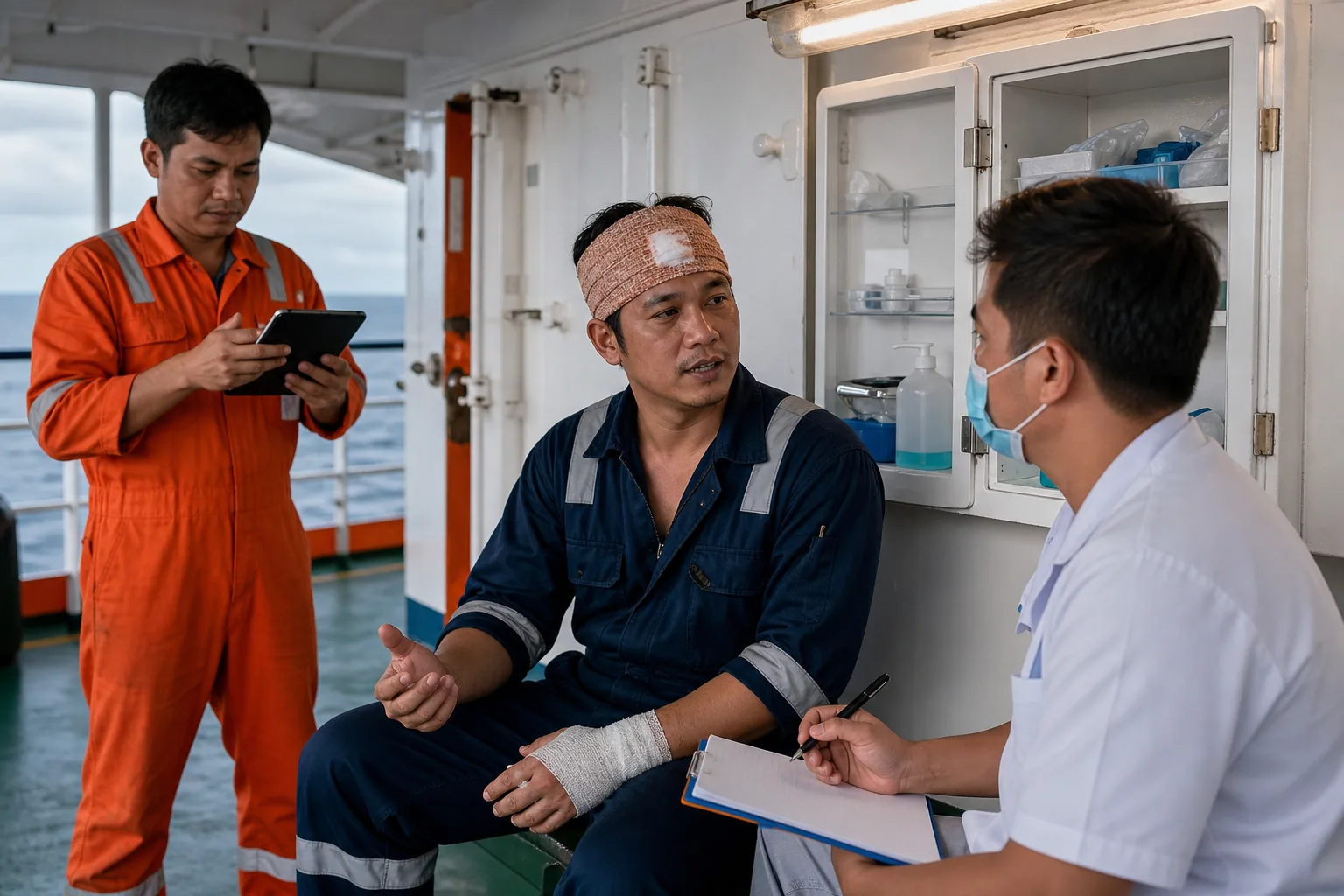
Our own Offshore Accident Attorney Guide explains the paperwork you’ll need, from medical records to incident notes.
Because offshore law blends maritime statutes with federal safety rules, having a specialist who understands both worlds saves time and money.
Immediate Safety and Environmental Impacts
The first minutes after a blowout are a race against fire, toxic fumes, and oil spilling into the water. Workers rely on fire‑suppression systems, lifeboats, and emergency shut‑in valves to stay alive.
Environmental damage can spread fast. A single well‑control loss can release thousands of barrels of oil, harming marine life and coastlines for years. The OSPAR report tracks those spills and shows how they affect fish stocks and bird populations (source).
Quick communication saves lives. Satellite links send real‑time alerts to shore‑based response teams, letting them deploy containment booms before the slick grows satellite communications equipment. The faster the signal, the smaller the environmental footprint.
Prevention Measures and Industry Regulations
Regulators have tightened rules since the Deepwater Horizon tragedy. The Bureau of Safety and Environmental Enforcement now checks every rig for a checklist called the Potential Incident of Non‑Compliance (PINC) (source). The list covers well‑control equipment, pressure‑testing procedures, and emergency‑shutdown drills.
Operators also adopt safety‑management systems that require regular training, equipment audits, and third‑party inspections. When a pipe shows signs of corrosion, many turn to professional repiping services to replace it before a leak happens professional repiping services. That proactive step cuts the chance of a catastrophic failure.
Technology helps, too. Modern rigs use automated leak‑detection sensors that trigger alarms and shut‑in valves the moment pressure spikes.
Compliance isn’t optional. Failure to meet BSEE standards can bring hefty fines and even a shutdown order.
Case Studies of Notable Offshore Platform Accidents
Looking at past disasters shows where the system broke down. The Piper Alpha fire in 1988 started because a temporary valve was left hand‑tightened, and a missed permit let the pump run. The blast killed 165 workers and sparked a complete overhaul of UK offshore safety rules.
The Ocean Ranger capsized in 1982 after a storm flooded its ballast tanks when power was restored too soon. All 84 crew members perished, prompting stricter ballast‑control procedures worldwide.
Deepwater Horizon’s 2010 blowout released millions of barrels of oil into the Gulf of Mexico, causing the longest‑running marine oil spill in U.S. history. The incident highlighted gaps in well‑control practices and led to new federal regulations on drilling safety.
Each tragedy taught a lesson: clear communication, strong equipment, and rigorous oversight can prevent loss of life and environmental harm.
FAQ
What should I do immediately after an offshore platform accident?
First, get to a safe area away from fire or hazardous material. Then alert the control room, activate emergency alarms, and follow the platform’s evacuation plan. Reporting the incident quickly helps rescuers and preserves evidence for any legal claim.
Can I sue for injuries from an offshore platform accident?
Yes, workers can pursue compensation under the Jones Act and other maritime statutes. A qualified maritime attorney will evaluate your medical records, incident reports, and employer policies to build a claim.
How are offshore platform accidents investigated?
Federal agencies like the Bureau of Safety and Environmental Enforcement conduct formal investigations, reviewing equipment logs, crew statements, and video footage. Findings are published in incident reports that become public records.
What regulations govern offshore platform safety?
In the United States, the Outer Continental Shelf Lands Act and BSEE’s well‑control and safety‑management rules set the baseline. Internationally, standards from the International Association of Oil & Gas Producers (IOGP) and local maritime authorities apply.
How can I prevent an offshore platform accident on my rig?
Implement daily equipment checks, enforce strict permit‑to‑work procedures, provide regular safety training, and keep communication lines clear. Investing in modern sensors and adhering to the latest BSEE PINC checklist also reduces risk.
What compensation can I expect from an offshore accident claim?
Compensation may cover medical bills, lost wages, pain‑and‑suffering, and in some cases punitive damages. The exact amount depends on the severity of injuries, liability findings, and the legal strategy used.
Conclusion
If you’ve been harmed by an offshore platform accident, seek a maritime attorney who knows the industry’s safety rules and legal pathways. Start by documenting the incident and contacting a specialist to protect your rights.
Ready to put this into practice? maritimeattorney.ai was built for exactly this.