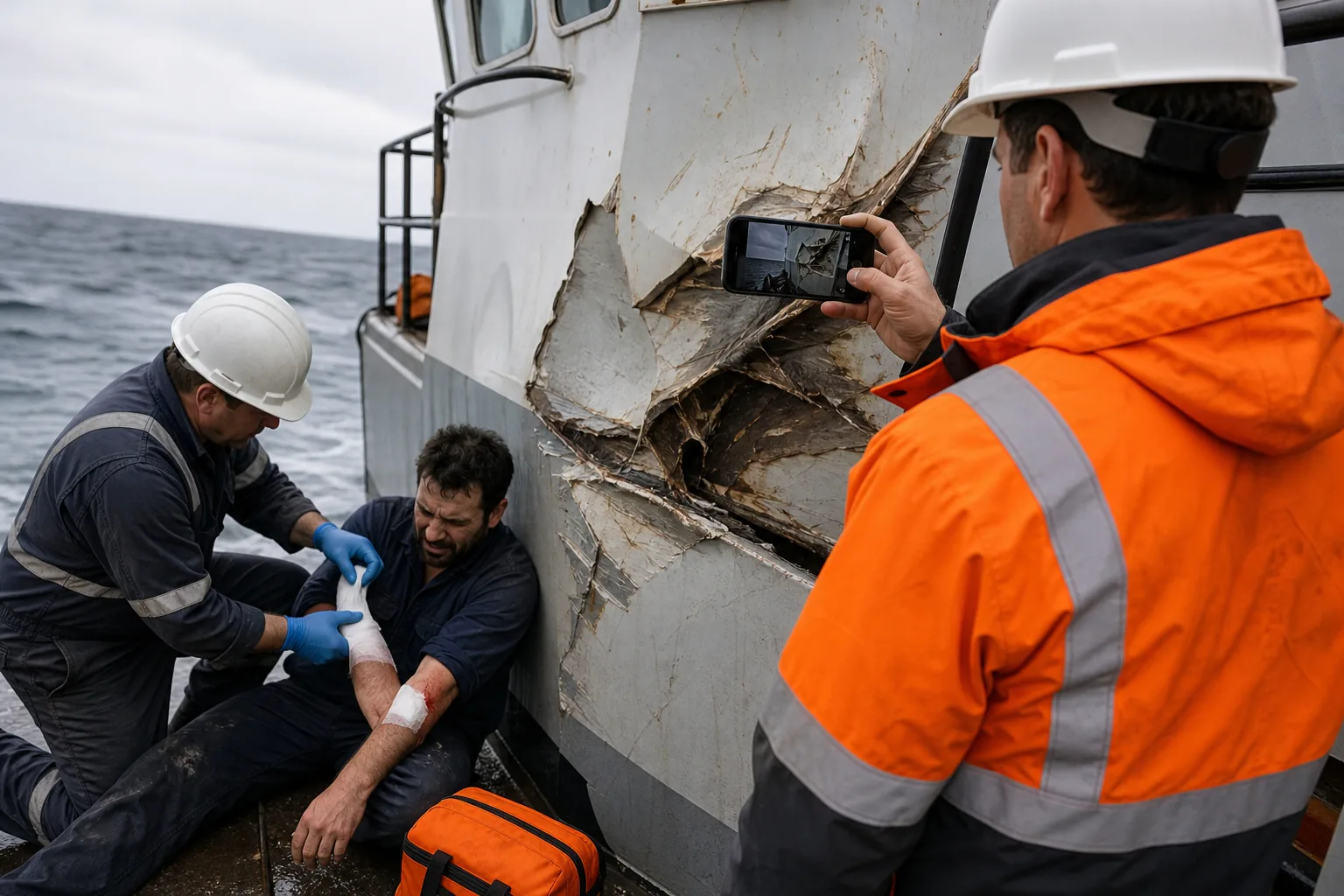
How to Handle a Maritime Lawsuit: Step-by-Step Guide

Got a maritime lawsuit on your plate? You’re not alone, these cases have their own rules and timelines. Follow the steps below to move from confusion to confidence.
Step 1: Determine Jurisdiction and Applicable Law
The first thing you must do is figure out which court can hear your case. In the United States, federal district courts have admiralty jurisdiction under Article III, Section 2 of the Constitution. That means most maritime contracts, torts, and crimes fall under federal law, even if the incident happened in state waters.
Some states also have specialized admiralty courts, but they operate under the same federal framework. Knowing the right venue saves you months of needless delays.
Next, identify the statutes that apply. The Jones Act lets seamen sue employers for negligent injuries. The Longshore and Harbor Workers' Compensation Act covers dockworkers. International conventions like UNCLOS and MARPOL may matter if the dispute involves foreign vessels or environmental damage.
Because maritime law blends domestic statutes with international treaties, a quick check of the relevant codes can narrow the legal path. This overview of maritime law explains the key statutes and how they interact.
Bottom line: Pin down the court and the governing statutes before you draft any paperwork. By now you should know whether you’re filing in a federal district court, a state admiralty court, or an international tribunal.
Step 2: Gather Evidence and Documentation
Strong evidence is the backbone of any maritime lawsuit. Start with the vessel’s logbook, every incident, even a minor slip, should be recorded. If the ship has a medical officer, ask for all treatment notes and any forms you signed.
Take photos of damage, keep receipts for medical bills, and collect witness statements as soon as possible. Time is critical; many maritime claims have strict filing deadlines.
Don’t give statements to your employer or their insurer until you’ve spoken with a lawyer. Anything you say can be used to shrink your recovery.
For a deeper dive on what to collect, BoatLaw outlines the essential documents and common pitfalls.
Pro Tip: Create a dedicated folder, digital or physical, and label each file (e.g., "Medical Records" or "Logbook Entry 2023-06-12"). This keeps everything tidy for discovery.
By now you should have a solid evidence pile that can survive the discovery phase.
Step 3: File the Complaint and Serve the Defendant
With jurisdiction set and evidence in hand, draft the complaint. The pleading must name the parties, state the legal basis (e.g., Jones Act violation), and list the damages you seek.
Federal courts use the Supplemental Rules for Admiralty Claims. After filing, you must serve the defendant. If the defendant is a vessel, you’ll work with the U.S. Marshal to serve the ship’s registry. For an individual or corporation, standard civil summons apply.
The Southern District of Georgia’s local rules note that service on a vessel requires notifying the Marshal of the vessel’s registry. Failure to do so can invalidate service and stall the case.
Watch the video below for a quick walk‑through of filing and service basics.
Once the defendant is properly served, the clock starts on their response period, usually 21 days for admiralty actions.
Bottom line: Accurate filing and proper service keep your case moving forward instead of getting stuck on procedural hurdles.
Step 4: Handle Pre‑Trial Motions and Discovery
After the complaint, both sides exchange information. Discovery can include interrogatories, document requests, and depositions. Expect the defense to request medical records, employment files, and vessel logs.
Be ready to file motions to compel if the other side withholds key documents. Likewise, you may file motions for summary judgment if the facts clearly support your claim.
Cozen O’Connor’s maritime litigation team notes that successful pre‑trial work often hinges on understanding industry‑specific terms like “Himalaya Clause” or “general average.” Knowing these helps you ask the right questions and avoid costly misunderstandings.
Cozen O’Connor’s guide explains how seasoned attorneys handle these complex motions and the discovery demands unique to maritime cases.
Pro Tip: Keep a discovery log. Note every request sent, the deadline, and the response date. This log becomes a powerful tool if you need to ask the court to enforce compliance.
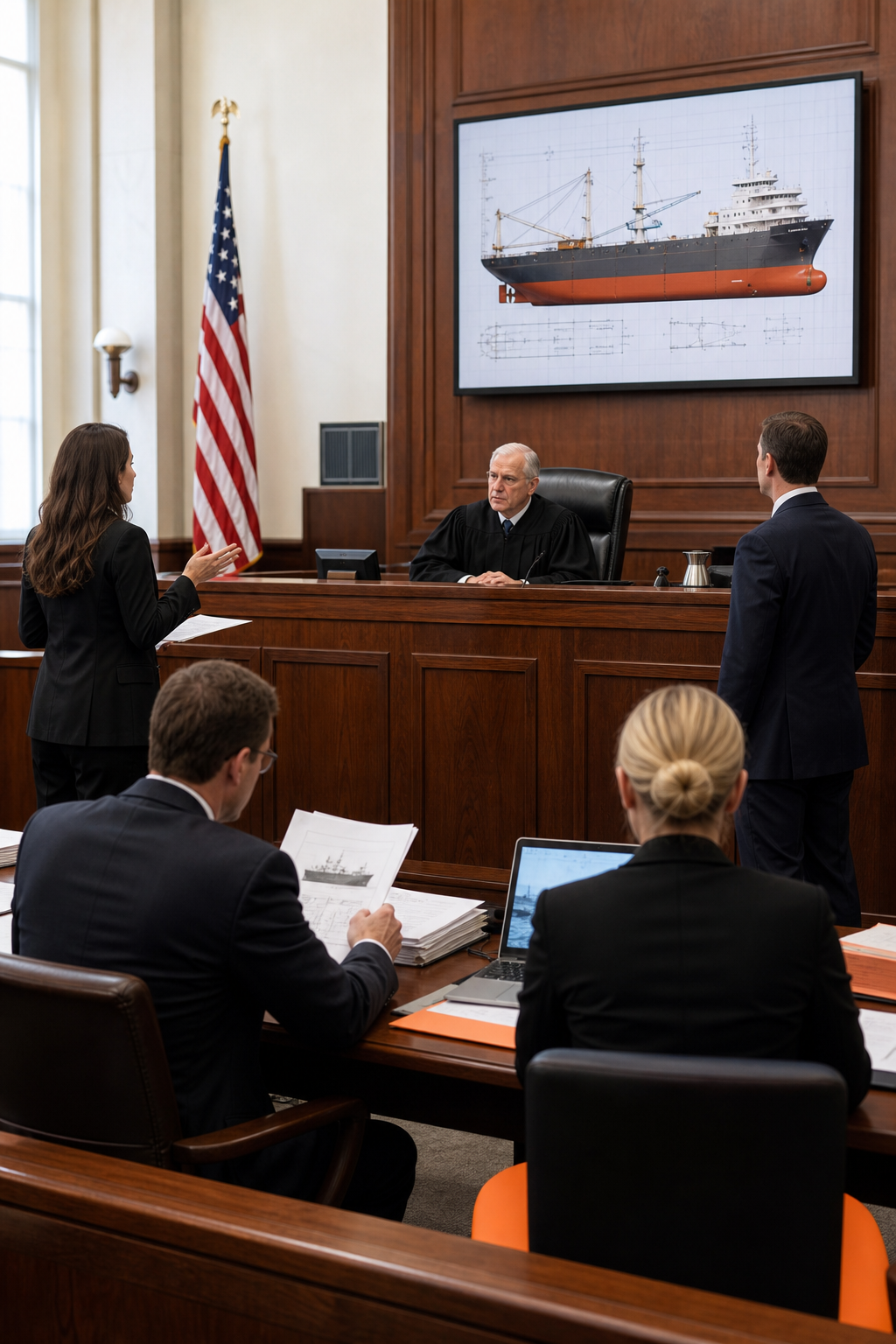
By now you should have a clear picture of the evidence each side holds and any gaps you need to fill before trial.
Step 5: Prepare for Trial and Pursue Settlement Options
Trial preparation starts with a mock trial. Run through your opening statement, direct examinations, and cross‑examinations. Use the evidence you gathered to build a narrative that shows negligence and quantifies your losses.
Most maritime cases settle before a jury sees them. Settlement discussions often happen during mediation or arbitration, both are faster and cheaper than a full trial.
The U.S. Naval War College’s maritime dispute‑resolution project studied 19 cases and found that over 70% of disputes resolved through arbitration or negotiation. Knowing the likely settlement range helps you set realistic expectations.
When you’re ready to talk numbers, maritimeattorney.ai’s Jones Act guide walks you through how to calculate damages, including lost wages, medical costs, and pain‑and‑suffering.
If settlement stalls, be prepared to go to trial. Your lawyer will file a pre‑trial brief summarizing the case and request a jury trial if the evidence supports it.
Bottom line: Keep settlement on the table, but have a trial plan ready. That dual approach pressures the other side to offer a fair deal.
FAQ
What is the filing deadline for a maritime lawsuit?
The filing deadline, called the statute of limitations, varies by claim type but is often one year for Jones Act injuries. Missing the deadline can bar recovery entirely.
Can I sue a foreign vessel in a U.S. court?
Yes, U.S. courts have jurisdiction over foreign vessels that cause injury or damage within U.S. waters, thanks to the “in rem” provisions of admiralty law.
Do I need a maritime lawyer or can I handle this myself?
A maritime lawyer understands the niche statutes, international treaties, and industry customs that a general attorney may miss. Their expertise greatly improves your odds of success.
How much does a maritime lawsuit cost?
Costs include filing fees, expert witness fees, and discovery expenses. Many firms work on a contingency basis, meaning they only get paid if you win.
What if the defendant refuses to provide documents?
You can file a motion to compel discovery. If the court orders compliance and the defendant still refuses, the judge may impose sanctions or even dismiss the case.
Are settlement amounts disclosed publicly?
Settlements are often confidential, but if the case goes to trial, the verdict becomes public record. Some parties choose to release the figure for publicity.
What role does the Jones Act play in a maritime lawsuit?
The Jones Act allows seamen to sue their employers for negligence, covering medical costs, lost wages, and pain‑and‑suffering.
Can I appeal a decision in a maritime case?
Yes, either party can appeal a district court’s decision to the Circuit Court of Appeals, and ultimately to the Supreme Court if the issue is of national importance.
How do international conventions affect my case?
Conventions like UNCLOS set standards for navigation and environmental protection. If your claim involves cross‑border issues, those treaties may dictate liability and enforcement.
Conclusion
Start by locking down jurisdiction, then stack solid evidence, file correctly, fight through discovery, and keep settlement on the table while prepping for trial. Need a seasoned guide? Reach out to maritimeattorney.ai for a free case review and next‑step plan.