How to Respond to an Offshore Platform Injury
An offshore platform injury can leave you hurt, unsure about work, and under pressure to move on fast. Your first job is to protect your health. Your next job is to build a clear record of what happened and get advice before signing anything. Follow these steps in order.
Step 1: Get Emergency Medical Care and Report the Offshore Accident
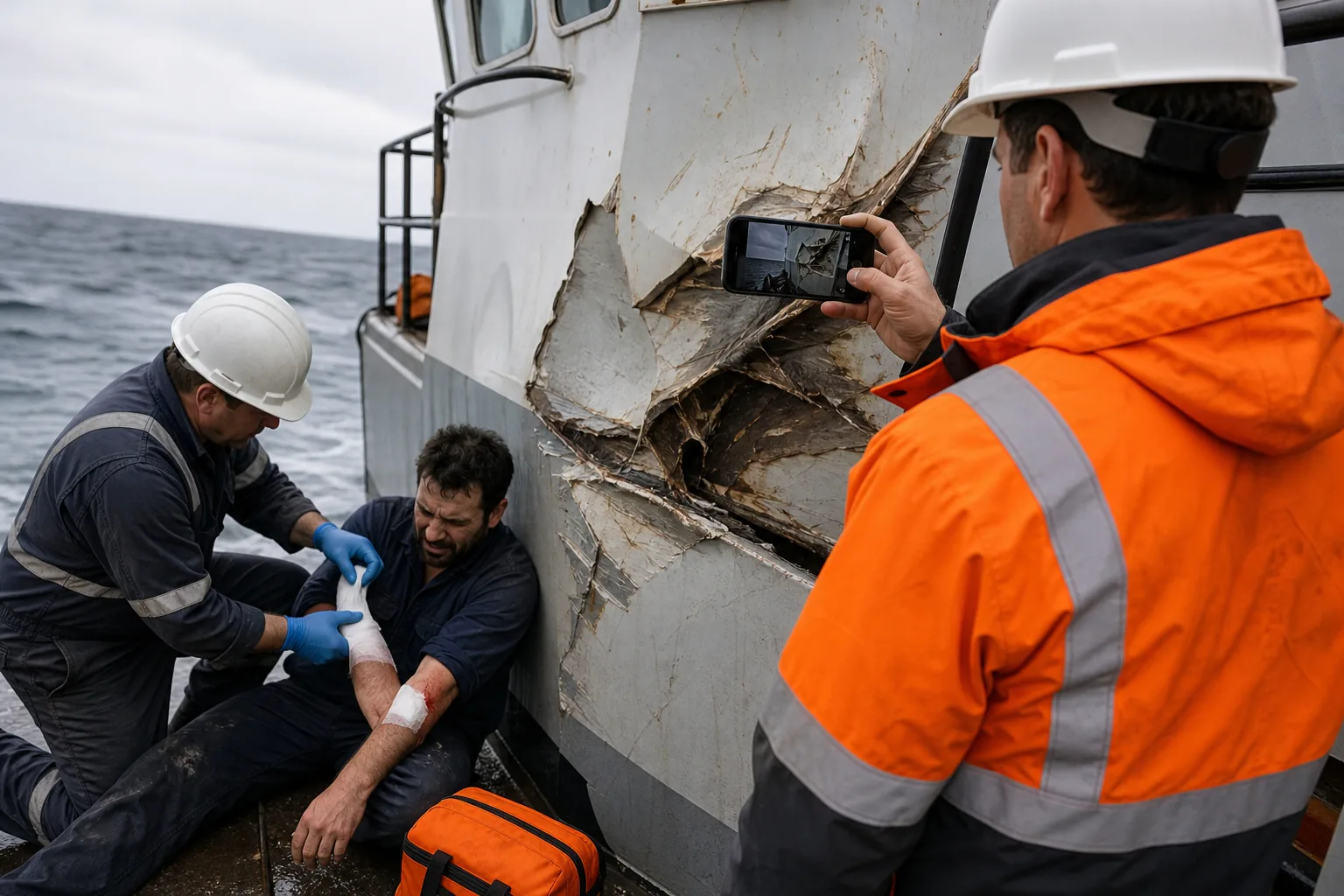
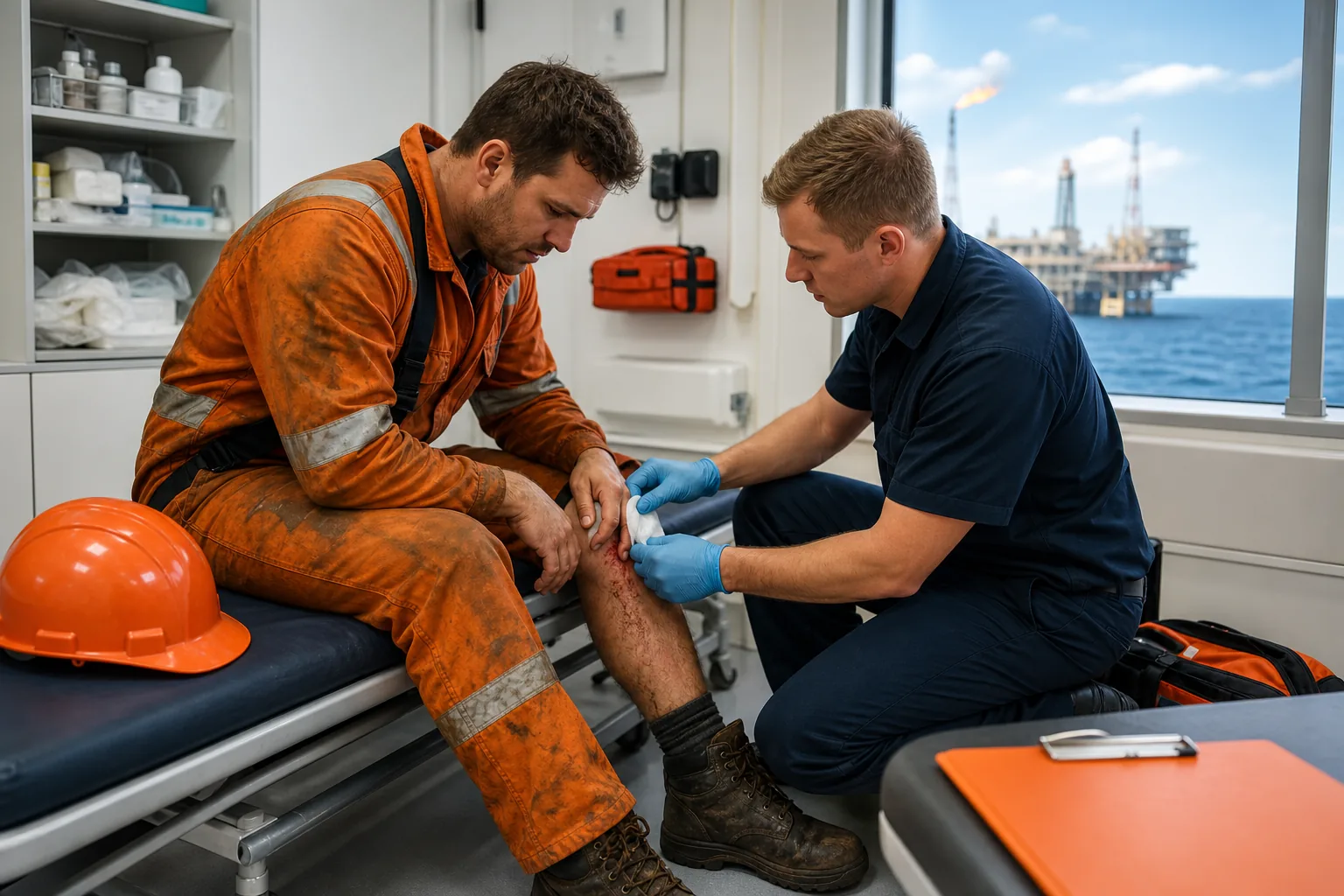
After an offshore platform injury, get medical care before you worry about paperwork or fault. Tell the medic or doctor every symptom, even if it seems small. Pain, numbness, dizziness, ringing in your ears, and stress can grow worse after the first few hours.
Follow the platform's emergency plan. Tell your supervisor, safety officer, medic, or control room what happened. Give a factual account. State where you were, what task you were doing, what struck or exposed you, and what you felt afterward. Don't guess at the cause or accept someone else's version as your own.
Ask how the incident will be recorded. Request a copy of your injury report, medical notes, discharge papers, and work restrictions. If the company uses an electronic reporting system, save the confirmation or take a screenshot when you return to a safe device.
OSHA requires employers under its jurisdiction to report a work-related fatality, inpatient hospitalization, amputation, or loss of an eye within set time limits. The agency says an emergency-room visit alone isn't inpatient hospitalization. You can review the details in OSHA's serious-event reporting guidance.
Don't let a supervisor talk you out of care. Don't return to a dangerous task because the crew is short-handed. If you can't safely make a report, ask a coworker to stay with you and write down the facts later.
Step 2: Record What Happened and Preserve Evidence
Once you are safe, write your own account of the offshore platform injury. Do it while the details are fresh. Use your phone only if the company permits it and you're in a safe place. Otherwise, use paper or ask someone you trust to write as you speak.
Record the date, approximate time, platform or vessel name, work area, and task. Note the equipment involved. Describe alarms, lighting, weather, sea conditions, deck condition, guards, locks, permits, and instructions. Write what you saw and heard before the event. Separate facts from guesses.
List everyone who may have seen the incident. Include crew members who arrived soon after it happened. Write down what each person did or said, but don't pressure anyone to change a statement. Witness memories can shift. A simple early record may help your lawyer compare later accounts.
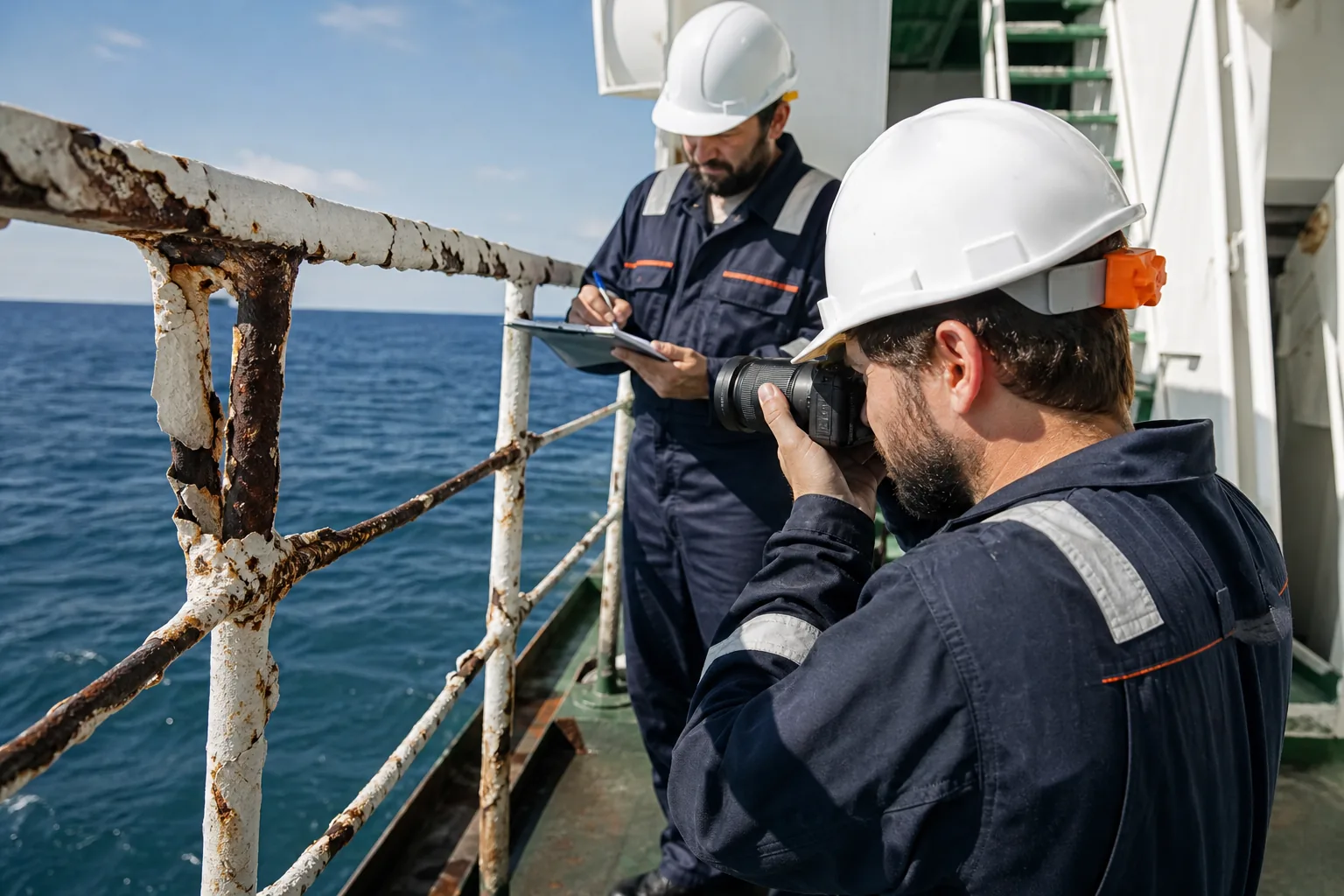
Preserve physical proof when you can do so safely. Keep torn clothing, damaged boots, gloves, helmets, uses, and other gear. Don't wash, repair, throw out, or alter those items. Take photos of visible injuries as they change. Ask for copies of relevant logs, permits, training records, inspection records, and safety meeting notes.
Keep a folder for every document. Add medical bills, travel costs, prescriptions, work schedules, pay records, benefit letters, and messages from your employer or insurer. Save the original message before replying. Make a backup outside your work account.
Be careful on social media. A photo, joke, or post about your recovery can be taken out of context. Don't post blame claims or discuss a possible settlement in public.
A useful next reference is the offshore oil rig injury response guide, especially if your platform work involved a rig or connected vessel. The record you make now can help maritimeattorney.ai assess the timeline later, if you choose to seek a review.
Step 3: Identify Your Employer, Vessel, and Worksite Status
The right path after an offshore platform injury depends on your work status and the place where you worked. Start by gathering facts, not legal labels.
Write down the legal name of the company that hired you. Then identify the company that supervised your daily work. Those may be different. Record the names of any staffing firm, contractor, platform owner, vessel owner, and operator. Save your employment agreement, pay stubs, tax forms, badge records, and crew transfer records.
Next, identify the worksite. Was the event on a fixed platform, a jack-up unit, a drillship, a supply boat, a crane barge, or another vessel? Were you on navigable water, attached to the seabed, on a dock, or in transit? Note where you boarded and where you slept during the hitch.
Your daily duties matter too. A worker who spends most of the job aboard a vessel may have a different status from a worker assigned to platform construction or production. A person injured on an outer continental shelf site may also need a different legal review from someone injured on a shore-side facility.
Don't assume your job title answers the question. “Roustabout,” “mechanic,” “welder,” or “cook” does not decide coverage by itself. The work you performed, the vessel connection, and the site facts need to be reviewed together.
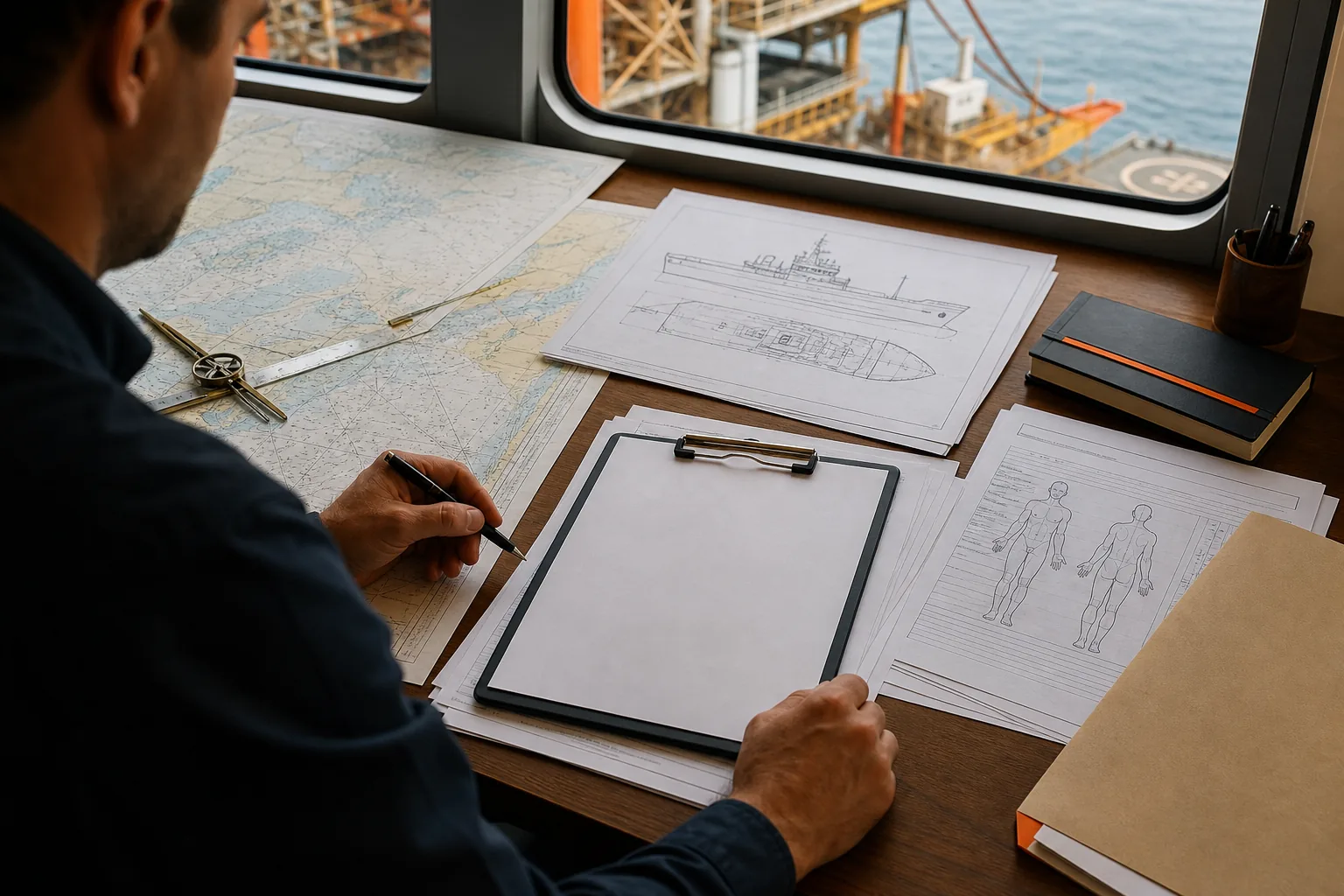
Build a one-page worksite map if you can. Mark where you were standing, where the equipment sat, where the supervisor stood, and where the first aid station was. Add the route to the vessel or platform. This can make a complex offshore scene easier to explain.
At this stage, avoid telling an insurer that you know which law applies. Say what happened. Let a maritime lawyer test the facts against the possible rules.
Step 4: Choose the Potential Legal Claim and Filing Route
An offshore platform injury can fit more than one legal framework, but no single label works for every worker. A lawyer needs your job facts, worksite details, medical record, and employer structure before selecting a claim.
Possible routes may include a Jones Act claim for a seaman injured through employer negligence. The Longshore and Harbor Workers' Compensation Act may apply to certain dock, shipyard, and harbor workers. The Outer Continental Shelf Lands Act may cover some workers whose duties support resource exploration or production on the outer continental shelf.
Other issues can arise. Maintenance and cure may matter for a seaman's food, lodging, and medical needs while recovering. A vessel owner may raise a limitation-of-liability action. If a worker dies in international waters, the Death on the High Seas Act may affect the family's recovery.
These rules can overlap in confusing ways. The wrong filing route can waste time or limit the remedies available. A state court may hear some federal maritime claims, while another matter may require federal court. The facts and the claim control that choice.
Don't sign a release before someone checks the claim type. A form that looks like a routine wage or medical document may affect a later case. Read every page. Keep a copy of anything you sign.
In 2026, reporting rules still depend on the employer's OSHA coverage and the event. OSHA says the employer with day-to-day supervision may have the reporting duty, even when another company owns the site. That detail makes the supervision record worth saving.
Step 5: Consult a Maritime Injury Attorney Before Accepting a Settlement
Speak with a maritime injury attorney before accepting money or signing a release. The first settlement may cover a few bills while leaving future care, lost earning power, or other losses unresolved.
Bring your evidence folder to the meeting. Include the incident report, medical records, work agreement, pay information, benefit notices, photographs, witness names, and every letter from the company or insurer. If you don't have all of it, go anyway. Early advice can help stop evidence from disappearing.
Ask the lawyer direct questions:
- Which companies may be responsible?
- What work status appears most likely?
- Which deadlines could apply?
- What medical care should continue?
- What records should be requested?
- What would a release give up?
A lawyer may also look at who controlled the task, whether the equipment was fit for use, what training you received, and whether a safety rule was ignored. The answer may depend on records held by the employer, contractor, vessel owner, or platform operator.
Don't let a claims adjuster rush the process. You can acknowledge receipt of a document without agreeing with its facts. Ask for time to review it. Keep communication polite and factual.
maritimeattorney.ai is one place to start that review. Share a clear timeline rather than a long emotional statement. The more precise your first account is, the easier it is to spot gaps and urgent issues.
Attorney fees and case costs vary by firm and claim. Ask how the fee works, what expenses may be charged, and whether you owe anything if the case does not recover money. Make sure the agreement is in writing.
Most of all, don't wait until treatment ends if a deadline may be running. A consultation doesn't force you to file a lawsuit. It gives you a chance to protect your choices before an employer or insurer sets the terms.
FAQ
What should I do first after an offshore platform injury?
Get emergency medical care first, then report the incident through the platform's safety process. Tell the medical provider all symptoms and follow work restrictions. Write down the time, place, task, equipment, and witnesses as soon as you can. This early record can help protect both your health and your claim.
Can I be fired for reporting an offshore accident?
Retaliation rules can depend on the facts, employer, and law that covers your work. Report the injury truthfully and keep proof of the report. Save schedule changes, messages, warnings, or termination papers. A maritime attorney can assess whether the response to your report raises a separate legal issue.
What evidence helps with an offshore platform injury claim?
Useful evidence includes medical records, injury photos, damaged gear, incident reports, witness names, pay records, work schedules, and safety documents. Keep original messages and back up files. Don't repair or discard equipment tied to the event. Ask a lawyer about preserving logs and records controlled by other companies.
Which law covers an offshore platform injury?
No single law covers every offshore worker. A Jones Act claim may concern a seaman and employer negligence. LHWCA or OCSLA issues may fit other work settings. The answer depends on your duties, vessel connection, location, and employer structure. Get a legal review before choosing a filing route.
Should I accept an offshore injury settlement offer?
Don't accept a settlement or sign a release until a maritime attorney reviews it. The offer may not account for future treatment, lasting limits, lost income, or another responsible party. Ask what rights the release removes. Once signed, it may be hard or impossible to seek more money.
Conclusion
Focus on treatment, preserve the facts, and get legal advice before you accept a payment. If you need help sorting the next move, maritimeattorney.ai can review the basic timeline and point you toward the right questions. Gather your records today, then arrange a consultation before signing any release.