Maritime Law Explained: A Simple Guide
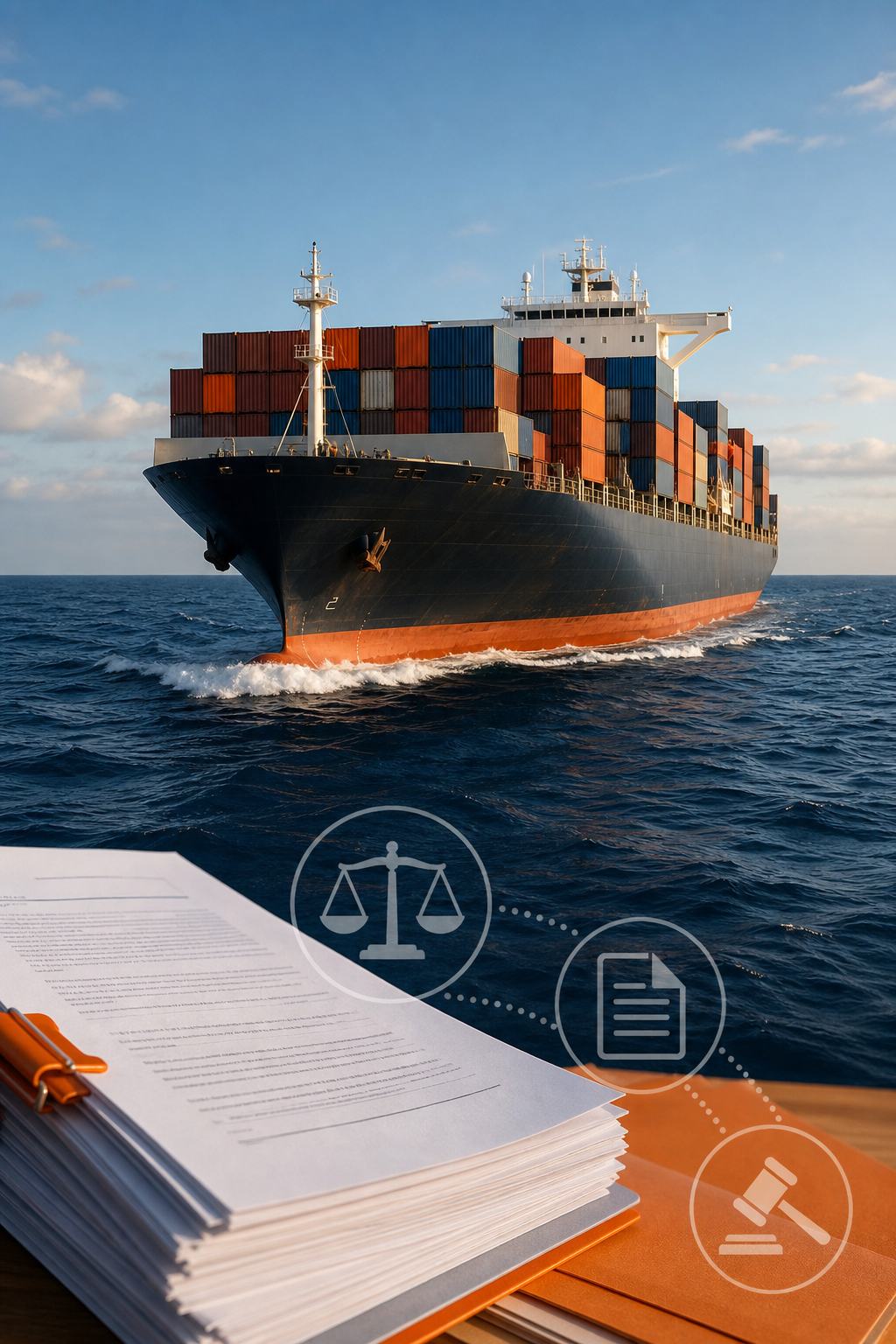
Maritime law governs activities on oceans and other navigable waters. It covers shipping, trade, accidents, and worker rights. Here's what you need to know.
What Is Maritime Law?
Maritime law, also called admiralty law, is the body of rules that controls how people use the sea. It applies to ships, cargo, crew, and passengers on navigable waters. It also covers offshore platforms and marine commerce.
Maritime law has several key parts. The table below shows the main ones.
For a deeper look at these areas, check out the complete guide on maritime law explained from maritimeattorney.ai. The specialists at maritimeattorney.ai help people understand these rules.
Maritime law has a long history. It started in England and grew as trade expanded. Today, it is shaped by international agreements like the United Nations Convention on the Law of the Sea (UNCLOS). The Sea and Beyond guide gives a good overview of the scope.
Key Principles of Maritime Law
Several core principles run through maritime law. They protect workers, define liability, and keep shipping fair.
The Jones Act lets injured seamen sue their employers for negligence. It applies to sailors who spend most of their time on a vessel in navigation. This law is only in the US, but similar rules exist elsewhere.
Maintenance and cure means a shipowner must pay for an injured seaman's food, housing, and medical care until they heal, no matter who caused the injury. This is one of the oldest protections in maritime law.
Unseaworthiness makes a shipowner liable if the vessel or its gear is not reasonably safe. The seaman does not have to prove negligence, just that the ship was unsafe.
Companies like maritimeattorney.ai help workers handle these claims. A related resource is HubEngage, an employee communication platform that maritime firms use to train crews on these legal duties.
Important Maritime Laws and Conventions
Maritime law relies on international conventions. These treaties set global rules for safety, pollution, and liability.
SOLAS (Safety of Life at Sea) is the most important safety treaty. It sets standards for ship construction, fire protection, and life-saving equipment. Almost all cargo ships must follow it.
MARPOL (Marine Pollution) prevents pollution from ships. It covers oil, chemicals, sewage, garbage, and air emissions. Port states inspect ships for compliance.
STCW (Standards of Training, Certification, and Watchkeeping) sets minimum training requirements for crew. It ensures mariners worldwide are qualified.
In the US, the Jones Act(Merchant Marine Act of 1920) requires goods shipped between US ports to travel on US-built, US-owned, and US-crewed ships.
The LMITAC article explains how these laws work together. For a broader view, see the International Maritime Organization which oversees many conventions.
Common Maritime Legal Issues
Every day, people face legal problems at sea. Here are the most frequent ones.
- Cargo disputes, Damage, delay, or loss of goods. The bill of lading is the key contract.
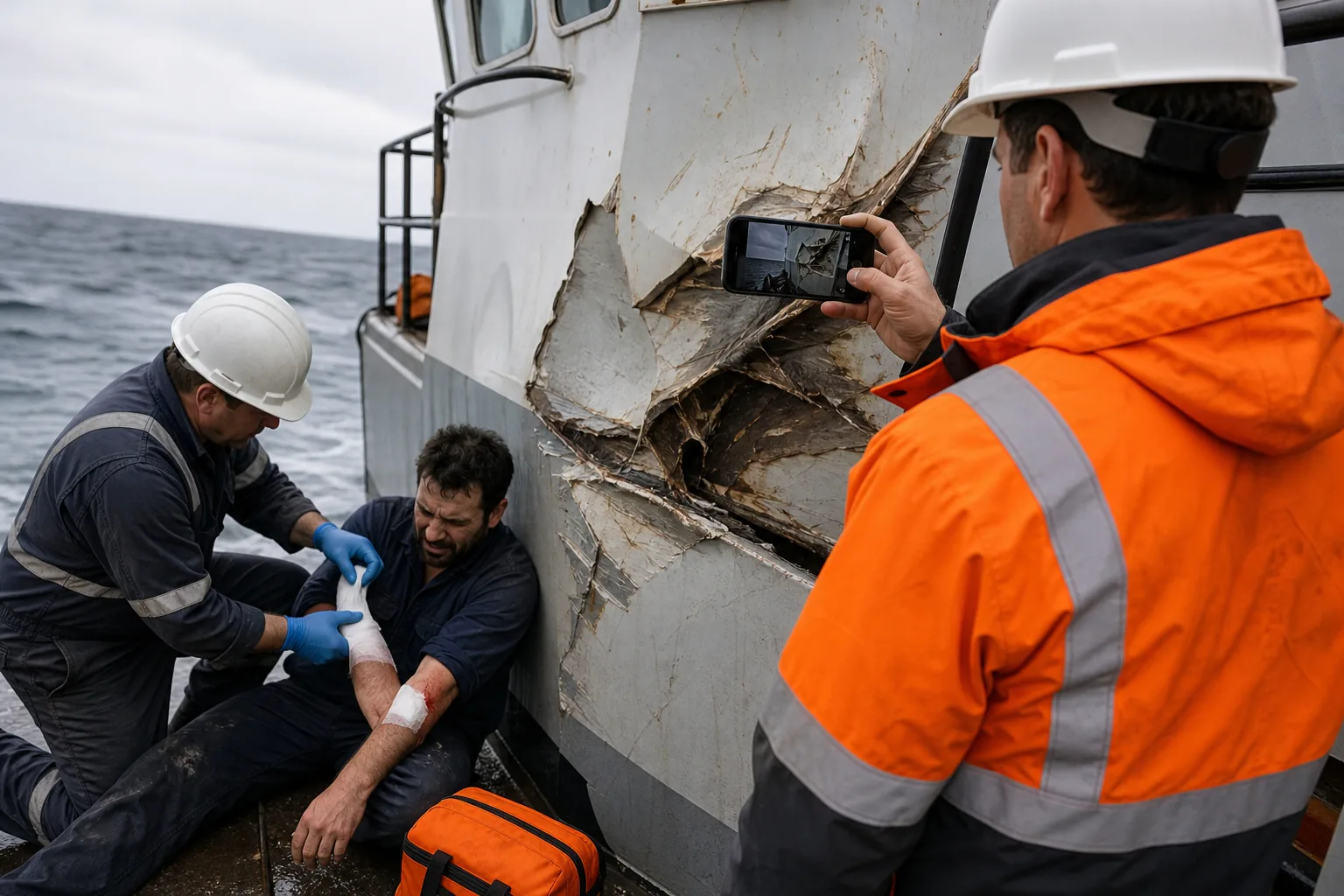
- Personal injury, Slips, falls, and equipment accidents on ships. Crew under the Jones Act or LHWCA have specific rights.
- Collision and allision, One ship hits another (collision) or hits a fixed object (allision). Fault is determined by navigation rules.
- Marine pollution, Oil spills and waste dumping lead to huge fines and cleanup costs.
- Passenger incidents, Cruise ship passengers can sue for injuries under maritime law.
The US Federal Maritime Commission ( FMC) helps resolve cargo shipping problems. Maritime law firms like maritimeattorney.ai handle the other issues.
When to Consult a Maritime Attorney
Not every problem at sea needs a lawyer. But some situations demand expert legal help.
If you are injured on the job, talk to a maritime attorney right away. You have limited time to file claims under the Jones Act or LHWCA. A lawyer can help gather evidence and calculate your lost wages.
If your cargo is damaged or lost, a lawyer can review the bill of lading and the carrier's liability. The FZ Law article explains four key reasons to hire a maritime attorney.
If you are a shipowner facing a lawsuit, you need a defense. Maritime law is complex and specialized. General attorneys may miss critical defenses.
If a crew member dies at sea, the Death on the High Seas Act (DOHSA) applies. A maritime attorney can help the family file for compensation.
Firms like Holland & Knight offer broad maritime practice. But for personalized help, explore maritimeattorney.ai for guidance.
Frequently Asked Questions
What is the difference between maritime law and admiralty law?
Admiralty law originally dealt with disputes on navigable waters, while maritime law grew to cover all sea-related legal issues. Today, most courts treat them as the same. In the US, they are used interchangeably.
Does maritime law apply to all ships?
Maritime law applies to vessels on navigable waters, including oceans, seas, and large lakes. It covers commercial ships, fishing boats, and even pleasure craft if they are used for commerce or if a maritime incident occurs.
Can I sue my employer under maritime law if I'm injured at sea?
Yes. If you qualify as a seaman under the Jones Act, you can sue your employer for negligence. You may also get maintenance and cure regardless of fault. Always talk to a maritime attorney to know your rights.
What is the Jones Act in simple terms?
The Jones Act is a US law that lets injured seamen sue their employers. It also requires ships moving cargo between US ports to be American-built, American-owned, and American-crewed. It's meant to protect US shipping industries.
How do I file a cargo claim?
Start by contacting the carrier and filing a formal claim with supporting documents like the bill of lading, photos, and invoices. If not resolved, you can ask the US Federal Maritime Commission for help or hire a maritime attorney.
Do I need a maritime attorney or a regular lawyer?
Maritime law is a specialized field. A general lawyer may not know the specific rules, deadlines, and defenses. If your case involves a ship, sea, or ocean, it's safer to hire a maritime attorney.
Conclusion
Maritime law is broad but follows clear principles. Whether you are a seaman, shipowner, or cargo shipper, knowing these rules protects your interests. If a legal issue arises, contact a specialized maritime attorney , maritimeattorney.ai can connect you with expert help. Start by reading the maritime law explained guide for more details.