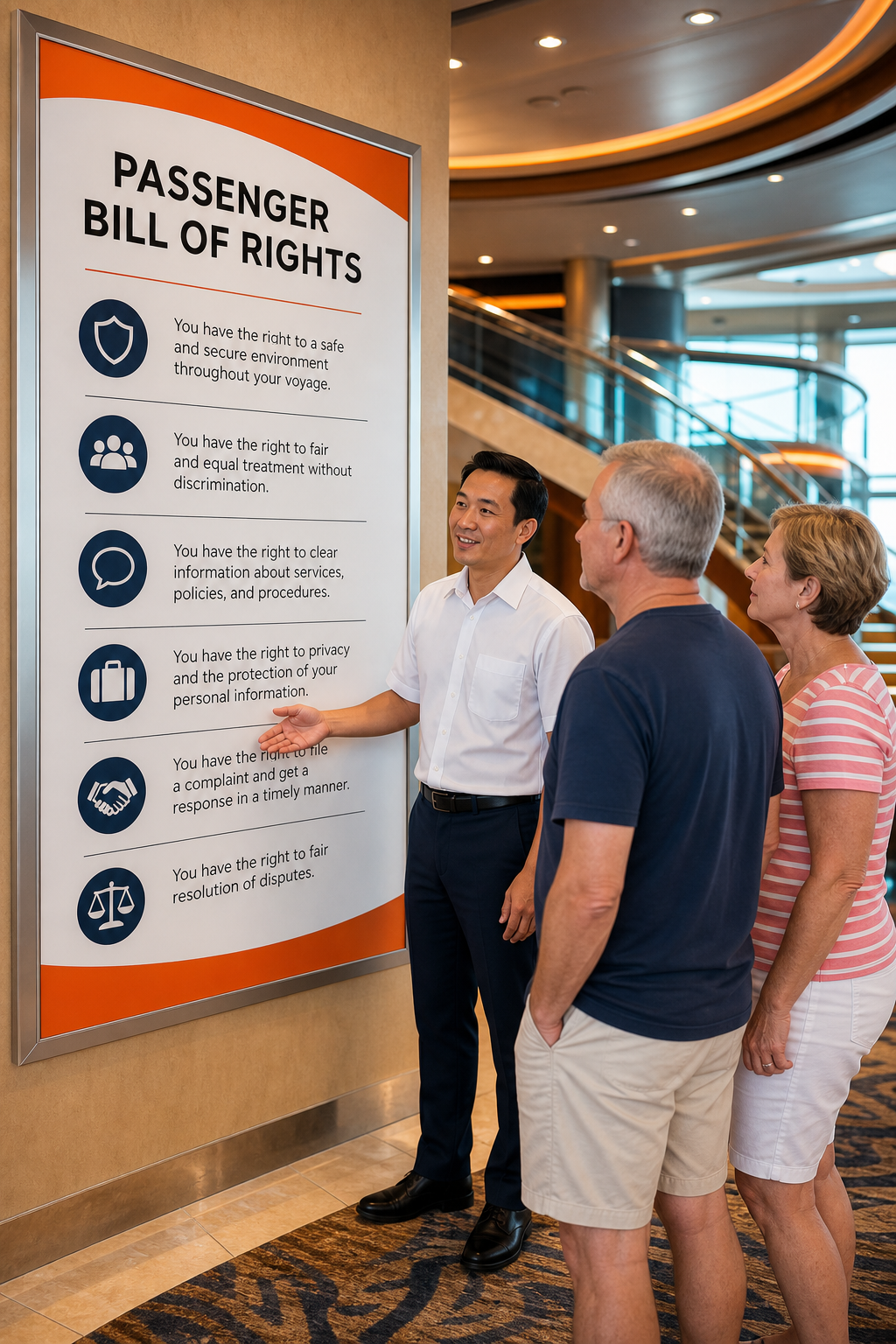
Maritime Law Explained: Key Concepts and Applications
Imagine a world where ships cross oceans without any rules. Chaos would follow, cargo lost, crews injured, and disputes never settled. Maritime law steps in to bring order. In this guide you’ll discover what maritime law covers, why it matters, and how it protects everyone from ship owners to dock workers.
We’ll walk through the history, the core doctrines, the main practice areas, and the way courts enforce the rules. By the end you’ll know when you need a maritime lawyer and how the system keeps global trade moving.
What Is Maritime Law? Definition and Historical Origins
Maritime law, also called admiralty law, is the body of rules that governs activities on navigable waters. It blends ancient customs with modern statutes to cover everything from shipbuilding to crew wages. The earliest traces go back to Ancient Egypt, where traders needed a safe way to move goods across the Nile and the Mediterranean.
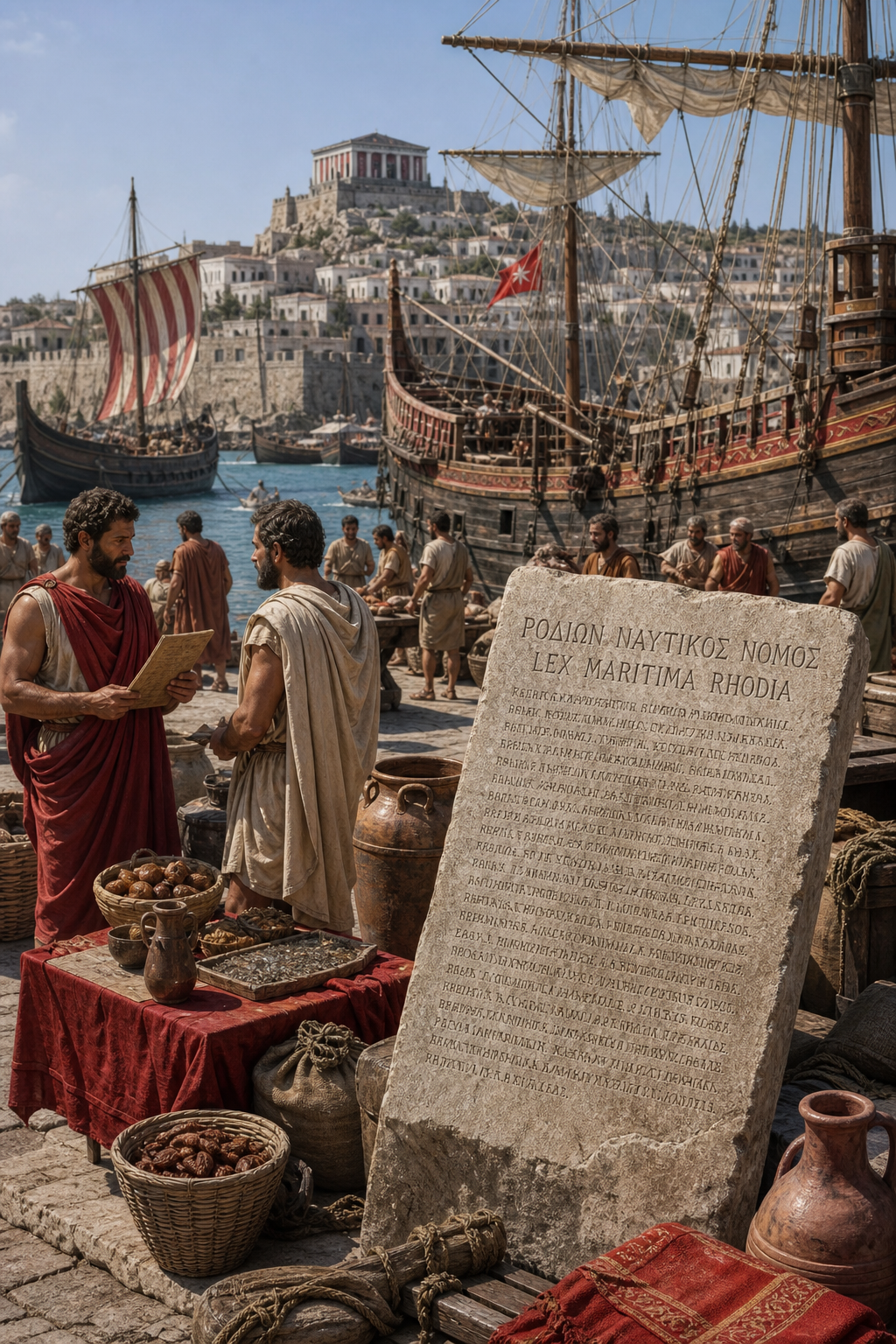
Early seafarers created unwritten customs, but the first formal code appeared on the island of Rhodes around 900 BC. Those “Rhodian Sea Laws” required disputes to be decided by a single set of rules rather than local courts. This idea spread to Rome, then to medieval ports such as Barcelona, where the “Consulate of the Sea” recorded detailed rules on ownership, salvage, and wages.
Fast‑forward to the 12th century: the Black Book of the Admiralty collected English customs, and the Laws of Wisby, Hansa, and Oleron formed the backbone of British admiralty practice. When the United States drafted its Constitution in 1789, the framers included admiralty jurisdiction so that federal courts could handle cases at sea, a legacy that still shapes U.S. law today.
Modern maritime law still rests on two pillars: the duty of shipowners to provide “maintenance and cure” for injured crew, and the principle that a vessel is a legal entity that can be sued directly (an “in‑rem” action). These ideas survive because the hazards of the sea have changed little. A sailor can still face injury, a cargo can still be lost, and a ship can still be arrested for unpaid debts.
Today, international treaties like the United Nations Convention on the Law of the Sea (UNCLOS) and the International Maritime Organization’s conventions fill gaps left by national statutes. Together they create a global framework that lets a ship travel from Singapore to New York while obeying a consistent set of rules.
For a quick reference on the evolution of these rules, see the Wikipedia entry on maritime law, which outlines the major milestones from antiquity to today.
Key Principles of Maritime Law
At the heart of maritime law are a handful of doctrines that decide who pays when things go wrong. The most well‑known is the General Average principle. When a captain makes a deliberate sacrifice, like throwing cargo overboard to keep a ship afloat, the loss is shared among all parties who benefit from the voyage.
The rule dates back to the York‑Antwerp Rules of 1890 and was updated in 2004. It requires the master or shipowner to declare a General Average, then an adjuster calculates each party’s share. The Ever Given grounding in the Suez Canal in 2021 triggered a General Average claim that covered the massive salvage costs.
Another cornerstone is the Limitation of Liability Act of 1851. Shipowners can limit their financial exposure to the post‑voyage value of the vessel, provided they did not act with “privity and knowledge” of negligence. Courts will look at whether the owner knew about unseaworthy conditions before allowing the limitation defense.
Maintenance and cure is a duty that forces owners to pay for medical treatment and living expenses until an injured seaman reaches “maximum medical cure.” This obligation is rooted in the Rolls of Oléron from the 12th century and still applies in U.S. courts.
Finally, the Jones Act of 1920 gives seamen the right to sue their employer for negligence. Unlike most maritime claims, a Jones Act case can go before a jury, which often leads to higher awards for injured workers.
These principles work together to allocate risk, encourage safety, and provide a clear path for compensation when accidents happen.
For more detail on General Average and liability limits, see LMITAC’s guide to General Average.
Major Areas of Maritime Law: Shipping, Salvage, and More
Maritime law touches many different activities. Below is a quick view of the main practice zones and what they involve.
Each area has its own statutes and international conventions. For example, the International Convention for the Safety of Life at Sea (SOLAS) sets safety standards, while MARPOL governs pollution control.
Practitioners often specialize. A lawyer who focuses on salvage will track the value of a ship and the costs of a rescue operation, then argue for a fair award under the 1989 Salvage Convention. In contrast, a marine pollution attorney may work with environmental agencies to calculate damages based on the Clean Water Act.
Because these fields overlap, a single dispute can involve multiple doctrines. A cargo loss might raise General Average, trigger a salvage claim, and lead to a pollution lawsuit if the incident caused an oil spill.
Understanding the scope helps you know which expert to call when a problem arises.
Maritime Law vs. Common Law: Key Differences and Overlaps
When a legal problem happens on a ship, the court system decides whether maritime law or common law applies. The choice changes which rules you follow, which courts hear the case, and even which type of damages you can claim.
Maritime cases usually start in federal courts because the Constitution gives those courts jurisdiction over “cases arising under the law of the sea.” The federal judges apply a mix of statutes, international treaties, and established admiralty precedents. By contrast, common‑law disputes, like a slip‑and‑fall at a dock, typically go to state courts, where judges rely on prior rulings (precedent) and local statutes.
Another difference lies in sources of law. Maritime law leans heavily on written codes, like the Jones Act, SOLAS, and UNCLOS, plus international conventions. Common law builds its rules from past decisions, which can vary from state to state.
Procedurally, maritime cases can be filed “in rem,” meaning the vessel itself is the defendant. This lets a creditor seize a ship to satisfy a debt, even if the owner lives overseas. In a common‑law case, you usually sue a person or company directly.
"Maritime law brings a uniform set of rules to a global industry, while common law reflects the patchwork of local jurisdictions."
Despite the contrasts, the two systems intersect. A personal injury claim on a cruise ship may invoke both maritime statutes (for crew duties) and state tort law (for passenger negligence). Lawyers must handle both worlds to protect their clients.
Enforcement of Maritime Law: Courts, Treaties, and Jurisdiction
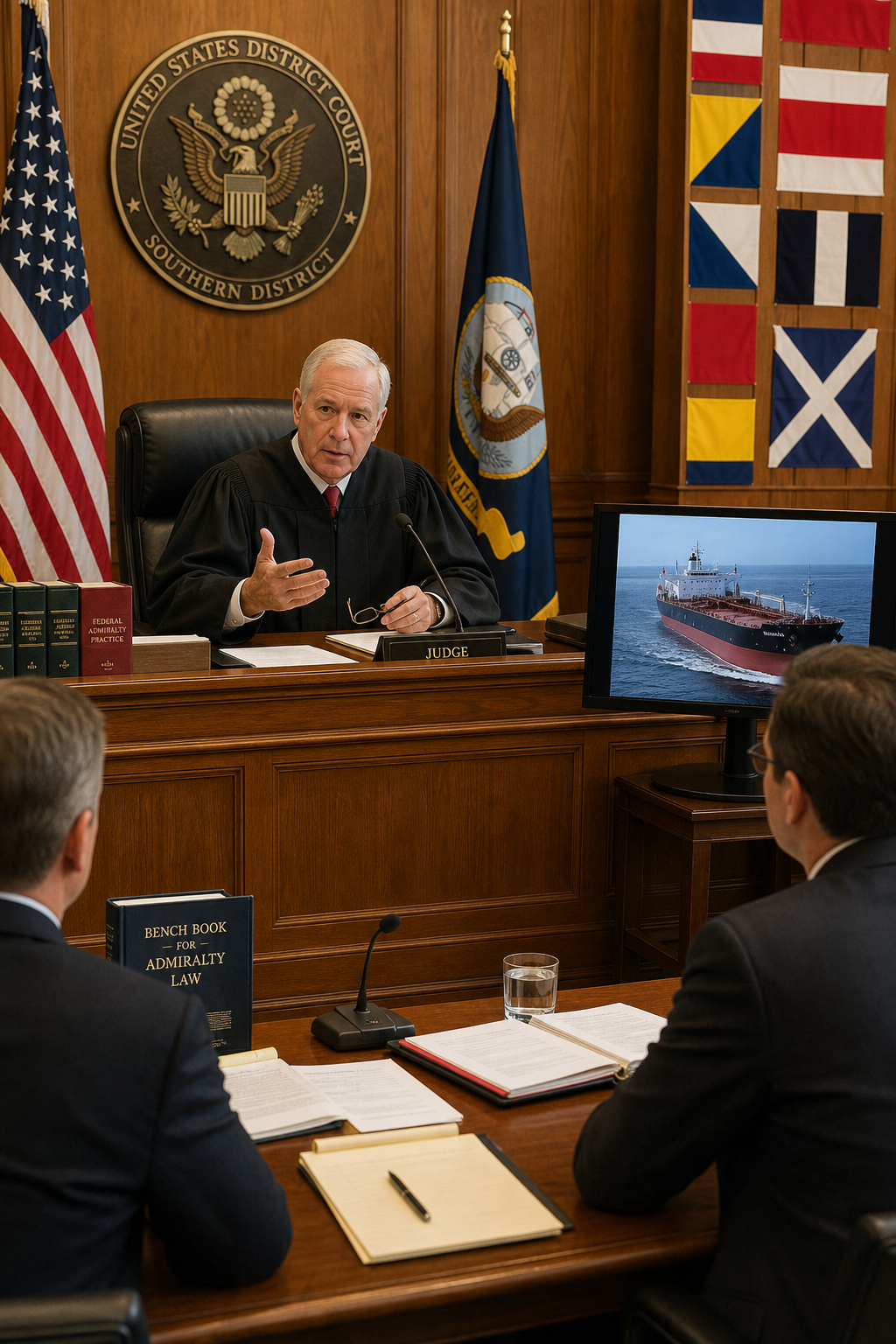
Enforcement happens through three main channels: national courts, international tribunals, and treaty‑based bodies. In the United States, federal district courts have original jurisdiction over admiralty cases under 28 U.S.C. § 1333. Those courts can issue injunctions, award damages, and order ship arrests.
Internationally, the International Tribunal for the Law of the Sea (ITLOS) settles disputes under UNCLOS. For example, when two nations clash over exclusive economic zones, ITLOS can issue binding rulings.
Treaties also create specialized bodies. The International Maritime Organization (IMO) drafts conventions like SOLAS and MARPOL, then member states incorporate them into domestic law. Compliance is monitored through flag state inspections and port state controls.
When a ship is arrested, a court may order a “maritime lien” that gives the creditor priority over other debts. This tool is powerful for cargo owners who need to secure payment quickly.
To see how the U.S. code defines the Limitation of Liability, check Title 46 of the U.S. Code. That provision outlines the circumstances under which a shipowner can cap liability.
Overall, the mix of national courts, international tribunals, and treaty regimes creates a strong enforcement network that keeps maritime commerce flowing.
Usable Applications: Who Needs Maritime Law?
Anyone who touches the sea can be affected by maritime law. Ship owners rely on it to draft charter parties, secure insurance, and defend against claims. Cargo exporters use it to understand liability when goods are loaded onto a vessel.
Port operators must follow safety regulations and environmental standards, while crew members depend on maintenance and cure provisions for health care. Even offshore oil‑rig workers fall under the Jones Act and related statutes.
Large law firms specialize in these matters. For example, Holland & Knight’s maritime team drafts contracts, handles charter‑party disputes, and advises on vessel arrests. Their expertise shows why a knowledgeable attorney can turn a complex legal maze into a manageable process.
If you run a shipping company, you should have a maritime lawyer review every bill of lading and insurance policy. If you are a seafarer, know your rights to maintenance, cure, and injury compensation. And if you are a cargo owner, make sure your contract includes clear terms for loss, salvage, and general average.
Understanding the scope of maritime law helps you avoid costly mistakes. A simple oversight, like failing to secure a General Average guarantee, can turn a routine voyage into a multi‑million‑dollar dispute.
Frequently Asked Questions
What types of cases fall under maritime law?
Maritime law covers any dispute that arises on navigable waters or involves a vessel, cargo, or crew. This includes personal injury claims, cargo damage, ship arrests, pollution incidents, and contractual disagreements like charter‑party breaches. Even cases that start on land can be pulled into admiralty court if they involve a ship or its cargo.
How does a General Average claim work?
When a captain makes a deliberate sacrifice to save the voyage, such as jettisoning cargo, a General Average is declared. An adjuster then calculates the total loss and divides it proportionally among all parties who benefit from the voyage, including cargo owners and insurers. Each party must provide a financial guarantee before the cargo is released.
Can a seaman sue for injuries without a jury?
Yes. Most maritime injury claims are heard in federal admiralty court, which does not use juries. However, the Jones Act allows seamen to bring a claim in a jury‑trial setting, which can lead to higher verdicts. The choice of forum depends on the specific cause of action and the relief sought.
What is the Limitation of Liability Act?
The 1851 Limitation of Liability Act lets a shipowner limit damages to the post‑voyage value of the vessel, provided they did not act with knowledge of negligence. Courts will examine whether the owner had “privity and knowledge” of unsafe conditions. If the act is successfully invoked, the owner’s exposure can be dramatically reduced.
How are marine pollution claims handled?
Pollution incidents trigger both domestic statutes, like the U.S. Oil Pollution Act, and international conventions, such as MARPOL. Liability is often joint and several, meaning each polluter can be held responsible for the full cleanup cost. Courts may award punitive damages if the polluter acted recklessly.
When should I hire a maritime attorney?
If you face a claim for injury, cargo loss, or vessel arrest, contact a maritime lawyer right away. Time limits are strict, some claims must be filed within one year of the incident. An experienced attorney can preserve evidence, negotiate with insurers, and protect your rights throughout the process.
Conclusion
Maritime law weaves together centuries of tradition, modern statutes, and international treaties to keep the world’s oceans safe for trade, travel, and work. From the ancient Rhodian codes to today’s IMO conventions, the rules allocate risk, protect crews, and ensure that cargo moves reliably.
If you run a shipping business, manage a port, or work aboard a vessel, you’ll need to understand these principles, or better yet, partner with a specialist. A knowledgeable maritime attorney can help you draft airtight contracts, defend against claims, and stay compliant with global standards.
Ready to explore more? Check out Admiralty and Maritime Law Explained 2026 for a deeper look at jurisdiction, key doctrines, and usable steps you can take today.