Maritime Accident Investigation: An In‑Depth Guide
A ship hits a reef, a crew member gets injured, and the whole operation grinds to a halt. Understanding what happened and how to stop it from happening again is what maritime accident investigation is all about.
What Is Maritime Accident Investigation?
Maritime accident investigation is the systematic inquiry into a marine casualty or incident to identify the factors that led to the event. It does not aim to assign blame; instead, it looks for safety gaps that can be fixed.
The International Maritime Organization (IMO) defines a marine safety investigation as an effort “to identify those factors that contributed to the accident so that measures can be established to prevent similar marine casualties in the future” . The goal is to protect lives, property, and the environment.
In practice, investigators collect evidence, interview witnesses, analyze data from ship logs, and compare the findings against international standards. The process produces a formal report that becomes part of a public database and feeds into future rule‑making.
For a quick reference, see the Routledge textbook that outlines the theory and practice of these investigations .
Key Players and Agencies Involved
Several bodies play a role, each with a specific mandate.
- Flag State administrations, Under UNCLOS Article 94 and SOLAS I/21, the flag State must launch an inquiry for serious incidents involving its vessels.
- IMO, Provides the global framework, publishes the Casualty Investigation Code, and hosts the Global Integrated Shipping Information System (GISIS) where final reports are uploaded.
- National investigation agencies, For example, the U.S. Coast Guard, the UK's Marine Accident Investigation Branch (MAIB), and Australia’s Transport Safety Bureau conduct investigations on vessels flying their flags.
- Classification societies, Organizations such as DNV GL or ABS may be asked to supply technical expertise on hull integrity or machinery failures.
- Port authorities and owners, They must preserve the scene, secure evidence, and cooperate with the lead investigator.
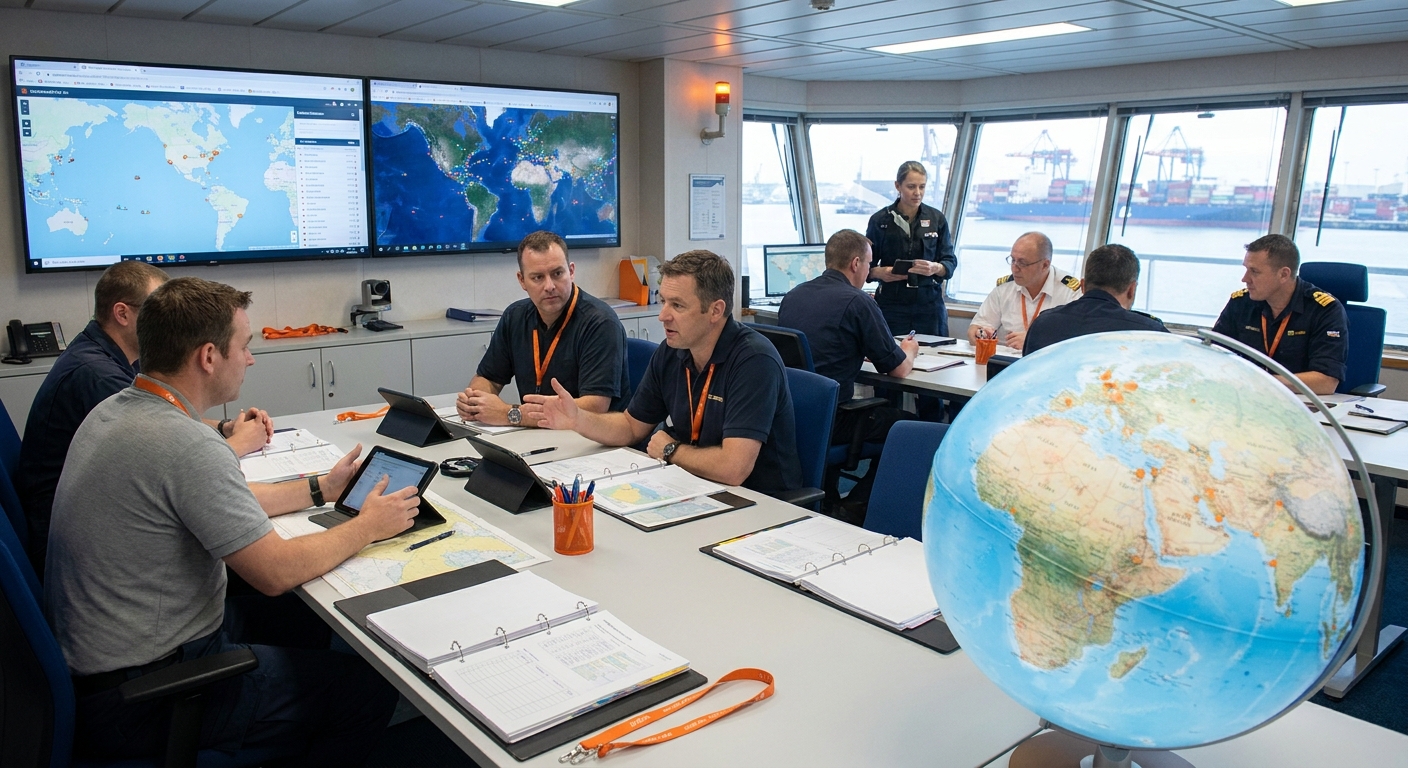
All of these parties feed data into the IMO’s casualty analysis process, which helps shape future regulations.
Typical Investigation Process Steps
Investigations follow a repeatable roadmap, even though each incident has its own quirks.
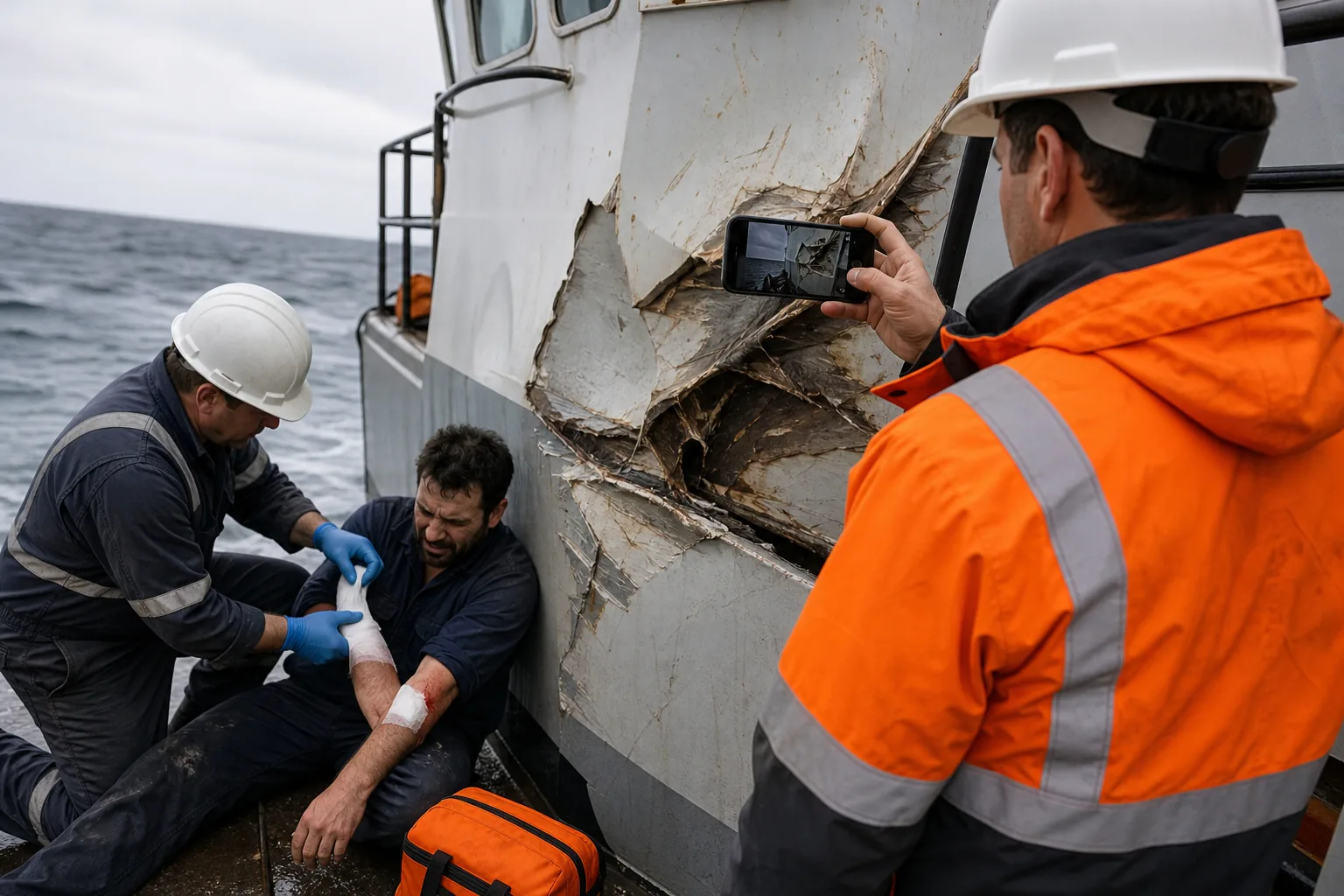
Step 1 , Secure the scene. The first team isolates the vessel, preserves physical evidence, and starts a log of all actions taken.
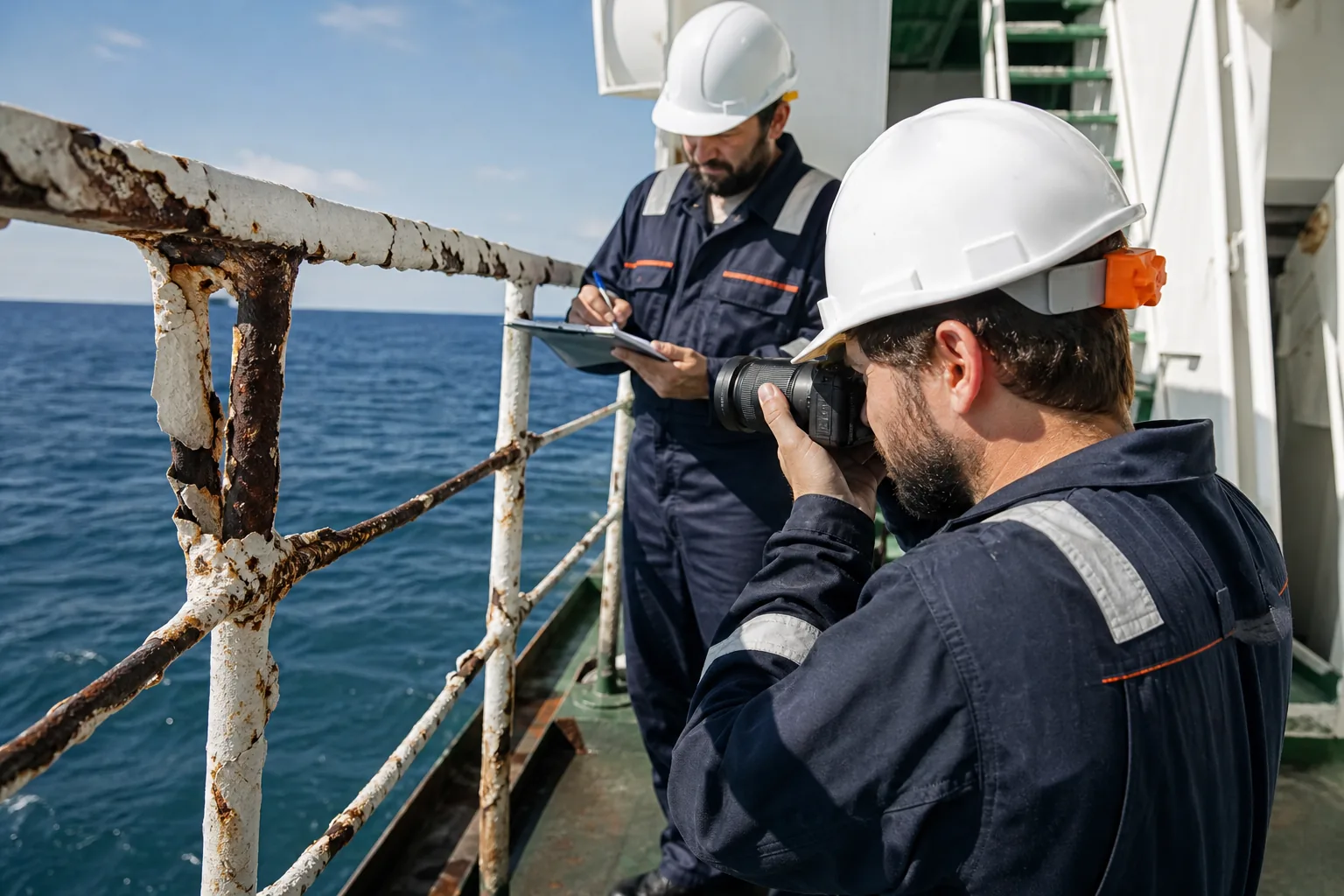
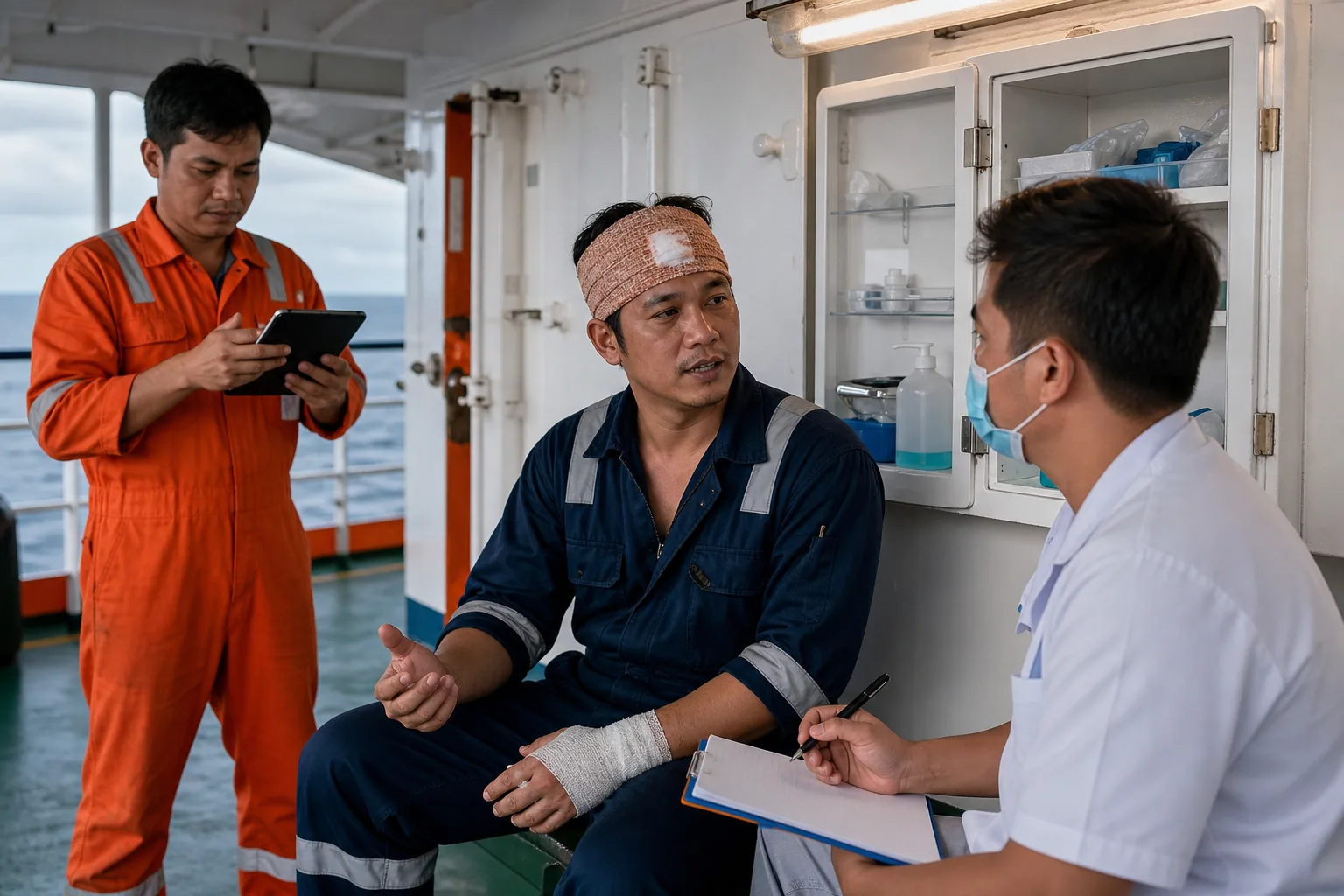
Step 2 , Gather data. Investigators collect ship logs, Voyage Data Recorder (VDR) files, AIS tracks, weather reports, and any CCTV footage. They also record witness statements while memories are fresh.
Step 3 , Analyse causes. Using methods such as the “Swiss cheese” model, the team maps out how multiple failures lined up to produce the accident. Human‑factor analysis looks for fatigue, training gaps, or procedural lapses.
Step 4 , Draft the report. The report outlines the factual timeline, identifies contributing factors, and recommends corrective actions. It must be clear enough for non‑technical readers and precise enough for regulators.
Step 5 , Submit to the IMO. For very serious casualties, the final report is uploaded to GISIS, making it publicly accessible and usable for future safety studies.
Common Causes and Contributing Factors
Accidents rarely spring from a single mistake. Instead, they are the result of a chain of events that line up like holes in a stack of cheese.
Human error tops the list, accounting for roughly three‑quarters of maritime liability claims . Fatigue, miscommunication, and inadequate training are the usual suspects.
Technical failures also play a big role. Mechanical breakdowns, navigation system glitches, and structural weaknesses can turn a routine voyage into a disaster.
Environmental conditions, extreme weather, poor visibility, or strong currents, are often the catalyst that pushes an already vulnerable system over the edge.
Legal experts point out that negligence, such as skipping required safety drills or ignoring maintenance schedules, can expose owners to liability under the Jones Act and other admiralty statutes.
Investigators need to look at all four evidence categories, physical, documentary, electronic, and witness, to piece together the full picture. .
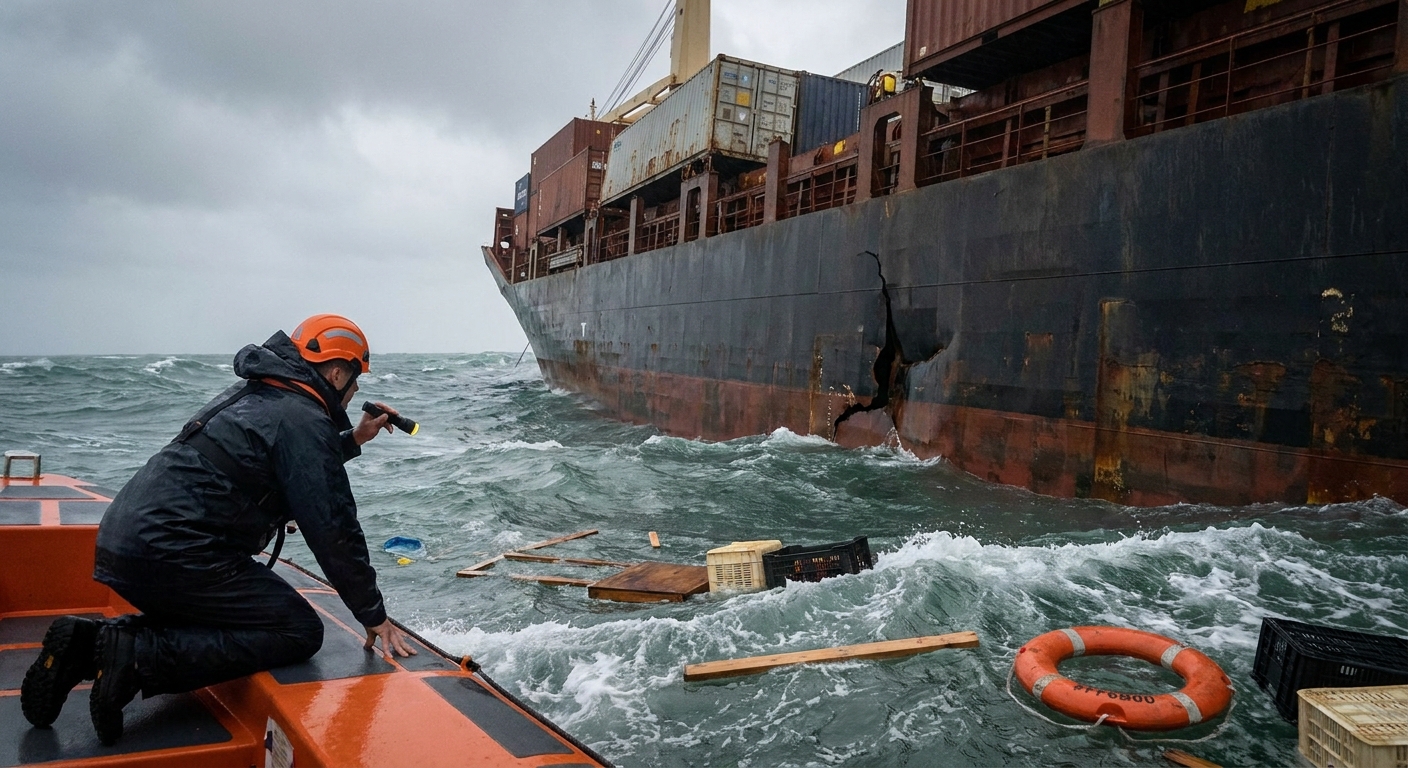
Modern investigations increasingly use drones to capture aerial footage of wreck sites, especially when access is limited. For a usable example of how drones are employed in structural inspections, see the commercial‑building drone roof inspection guide. .
FAQ
What triggers a maritime accident investigation?
Any incident that results in loss of life, serious injury, significant environmental damage, or total loss of a vessel will trigger an investigation under SOLAS and IMO regulations.
Who conducts the investigation?
The flag State’s administration leads the probe, often with support from the IMO, national agencies, and classification societies.
How long does an investigation usually take?
Simple incidents may be wrapped up in weeks, while very serious casualties can require months of data analysis, especially when legal proceedings are involved.
Are investigation reports public?
Yes. For very serious accidents the final report is posted on the IMO’s GISIS database, and many national agencies publish their findings for industry-wide learning.
Can I use the report to file a claim?
Absolutely. The factual findings and identified safety lapses form the backbone of any legal claim, whether under the Jones Act, general maritime law, or insurance policy provisions.
Conclusion
Maritime accident investigation turns tragedy into lessons that keep ships safer. If you need a deeper look at accident causes or want templates for your own reports, explore our Top 5 Most Common Maritime Accidents in 2026 guide and start building a more resilient operation today.
Ready to put this into practice? maritimeattorney.ai was built for exactly this.