Charter Boat Accident: What You Need to Know
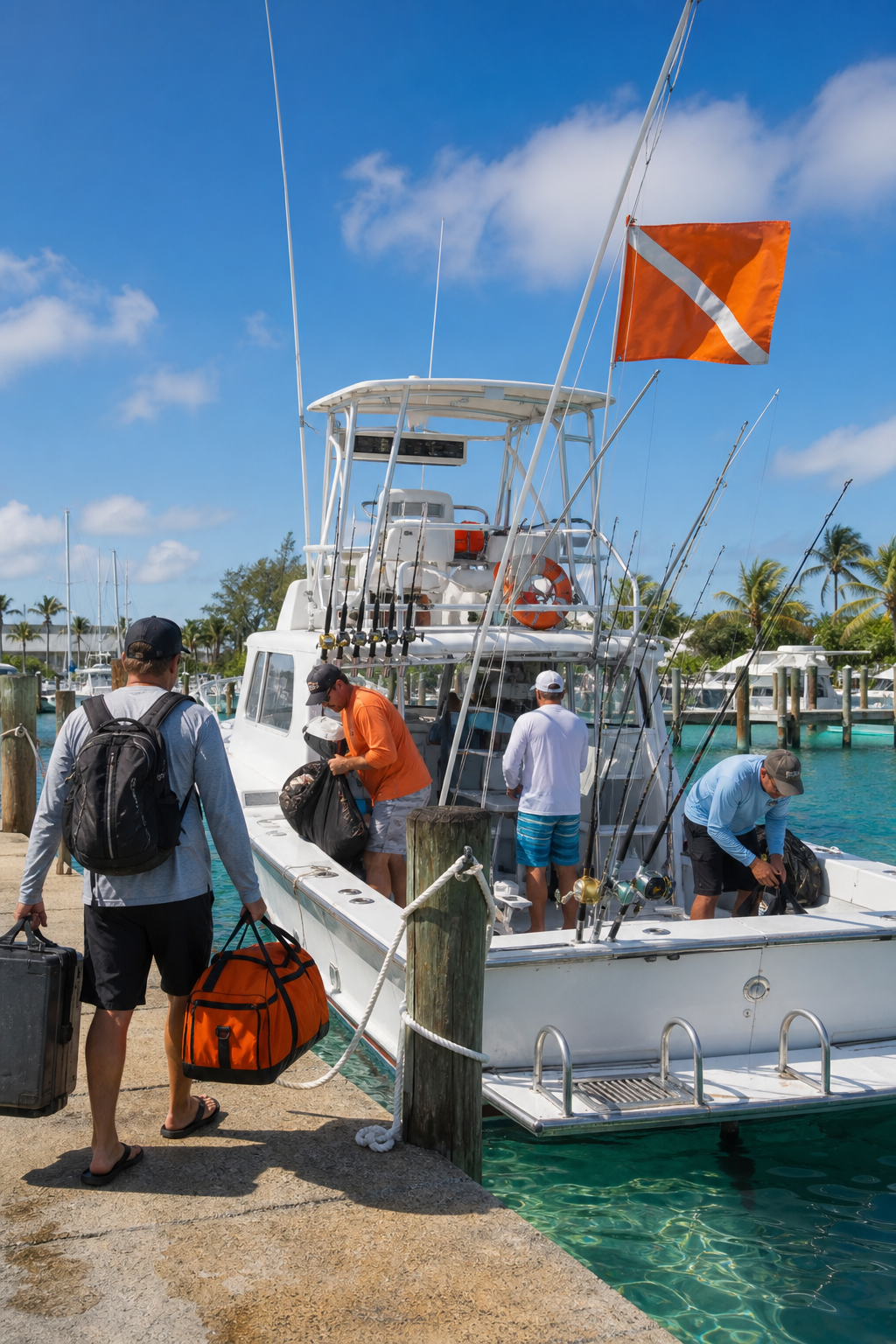
Charter boat accidents happen more often than you think, and they can turn a fun day on the water into a nightmare in seconds. Below you’ll find the core facts, why they occur, what the law says, and what to do if you’re caught in one.
What Is a Charter Boat Accident?
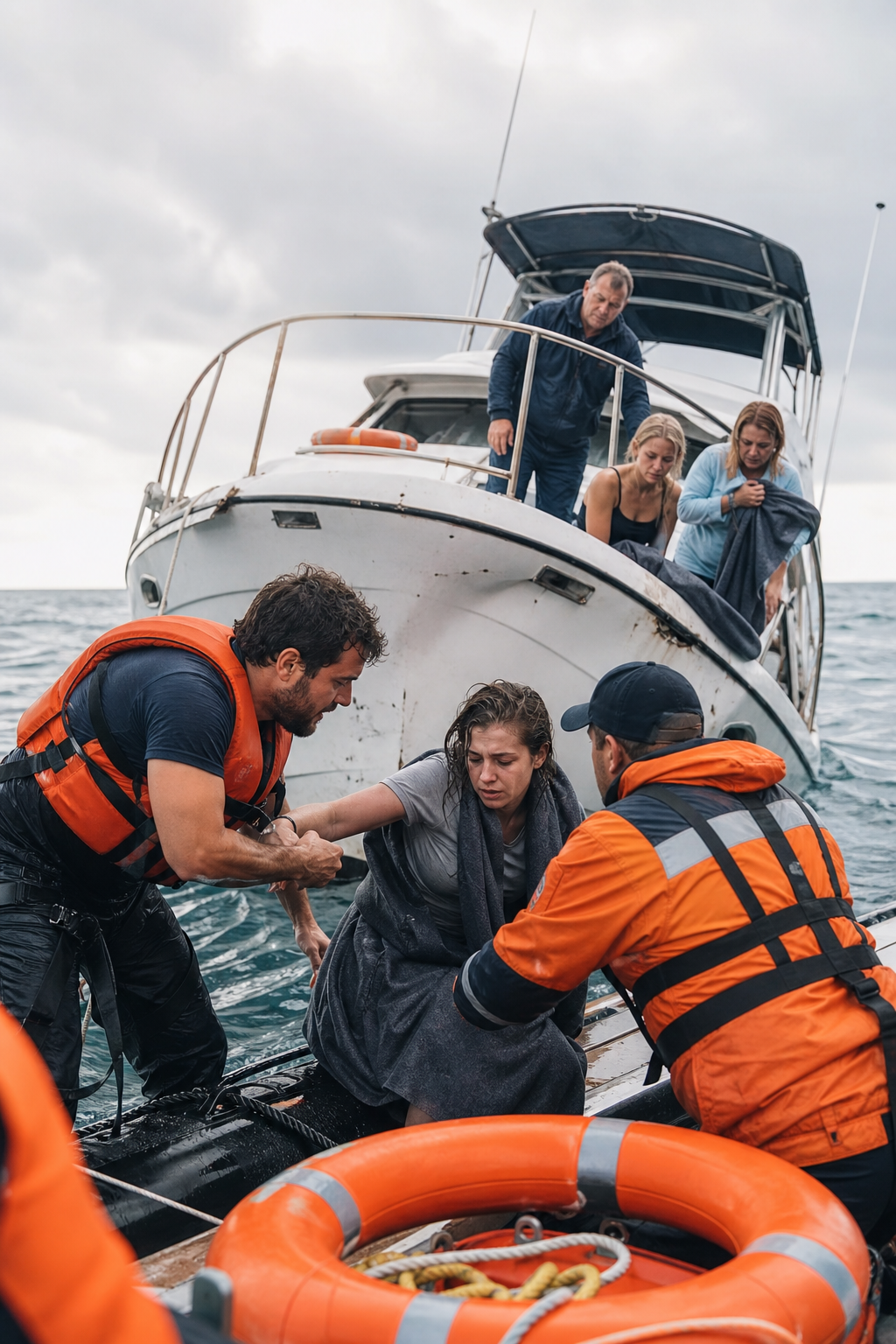
A charter boat accident is any collision, capsizing, or injury that occurs while a vessel is being rented or hired for a trip. The Florida Fish and Wildlife Conservation Commission defines a boating accident as a collision, capsizing, sinking, or personal injury that could lead to death or property damage (source). When you rent a boat without a crew , a bareboat charter , you become the operator and assume the responsibilities of a captain.
These incidents range from minor bumps to serious crashes that involve multiple parties. A charter boat may be a small fishing skiff, a luxury yacht, or anything in between, but the legal exposure is similar: the operator, the owner, and sometimes the charter company can all face liability.
Because the vessel is often shared among friends or a tour group, the lines of responsibility can blur fast. Understanding the definition helps you spot when you need legal help and when safety gear matters most.
Common Causes of Charter Boat Accidents
Most accidents trace back to three broad areas: human error, mechanical failure, and environmental conditions. Human error covers speeding, ignoring the Rules of the Road, and failing to keep a proper look‑out. The Florida statutes list dozens of operator faults, from overloading to reckless turns, that often spark collisions.
Mechanical failure is a silent killer. Faulty steering, engine trouble, or a broken hull can cause a loss of control at the worst moment. Dermer Law Firm notes that engine seizures and propeller damage rank high among mechanical causes (source). A simple pre‑trip inspection can catch many of these issues before they become dangerous.
Weather and water conditions add a wild card. Sudden squalls, strong currents, or high tides can push a boat off course. Even experienced captains can be surprised by a rapid wind shift that capsizes a small vessel.
Legal Implications and Liability
The law splits liability among the skipper, the boat owner, and sometimes the charter company. If a passenger is injured because the acting skipper drove recklessly, that skipper can be held personally responsible. In a bareboat charter, the person who takes the helm assumes the captain’s duties and the associated legal risk.
Owners also bear duty. They must keep the vessel in safe working order and fix known hazards. If a rusty nail pierces a passenger’s skin, the owner may be on the hook for damages, even if the skipper wasn’t at fault.
Beyond state law, federal protections exist. The Jones Act shields maritime workers , sailors, deckhands, and offshore crew , giving them a path to compensation that sidesteps state workers’ comp rules. This coverage applies whether the injury happens on a charter vessel or a commercial ship (source). For passengers, Florida’s comparative negligence rules can reduce a payout if the injured party contributed to the accident.
When the stakes are high, a seasoned attorney can untangle who owes what. What a Boating Accident Attorney Can Do for You in 2026 includes gathering evidence, dealing with insurers, and filing the right claims.
Steps to Take After a Charter Boat Accident
Act fast, but stay calm. Your first priority is safety for everyone on board.
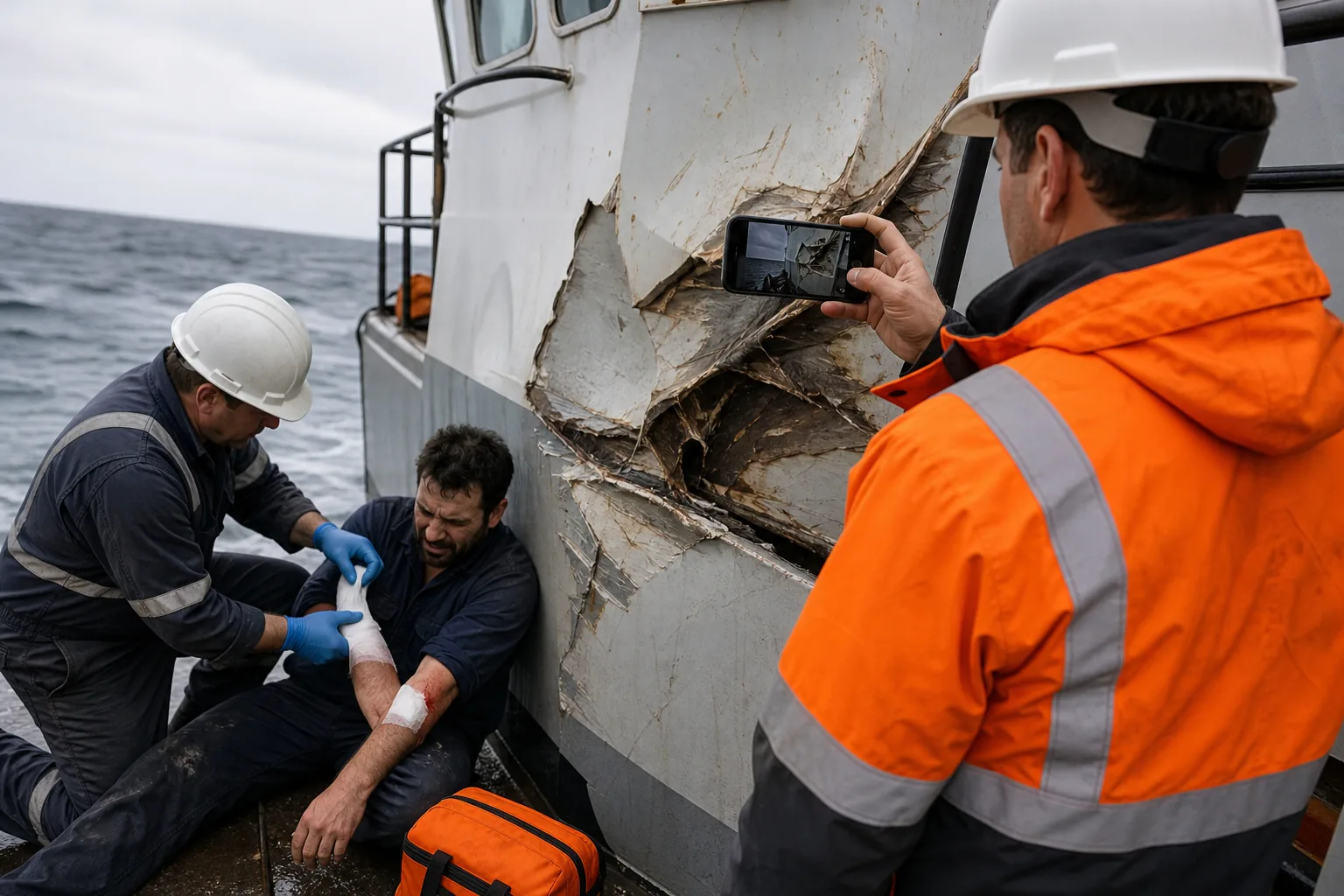
1. Check for injuries. Call emergency services if anyone is hurt. Even a minor cut can become serious if left untreated.
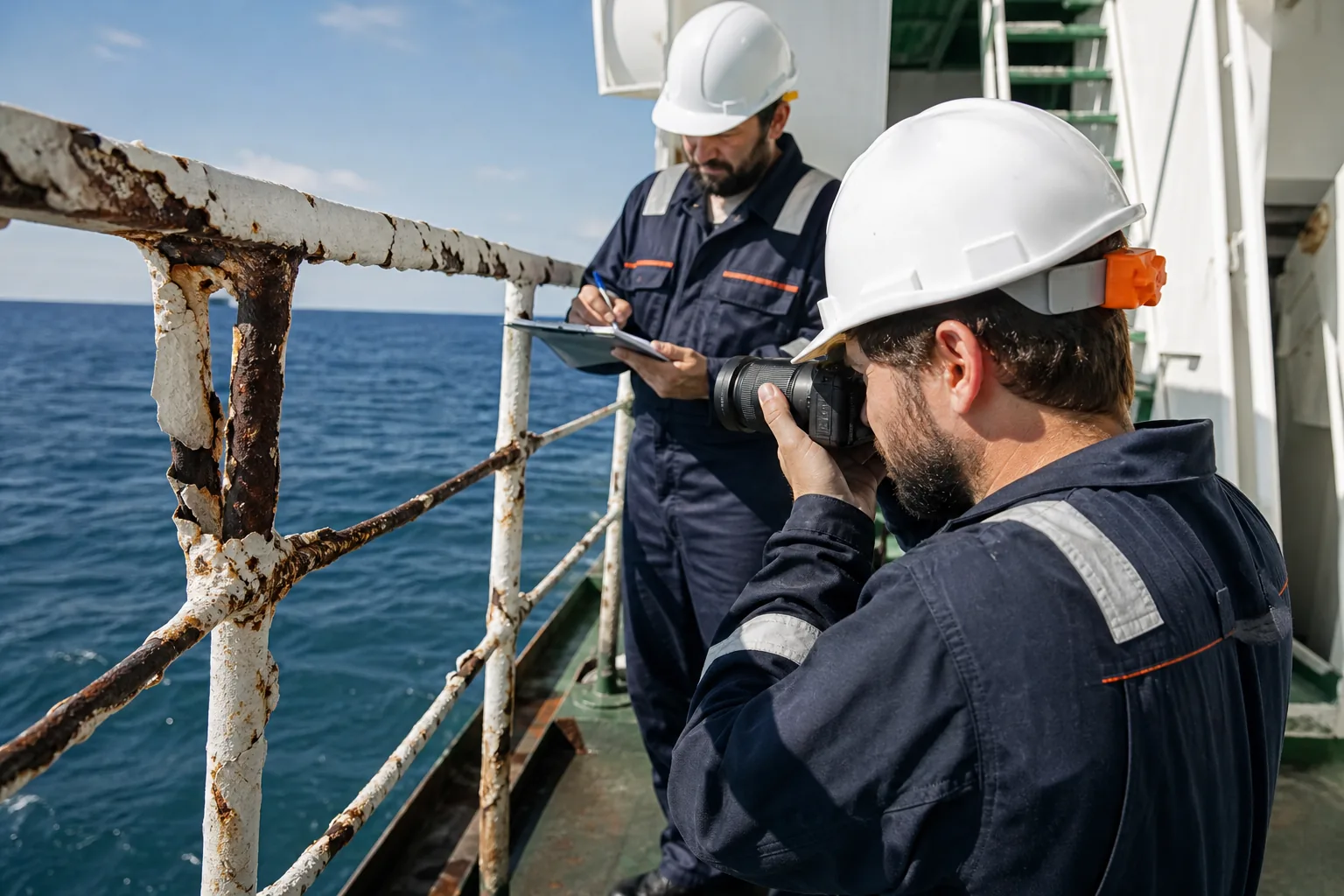
2. Preserve evidence. Take photos of the damage, note the weather, and write down the exact location. If possible, keep the boat in the position it was in after the crash , moving it can erase important clues.
3. Report the incident. In Florida, any accident that results in injury, death, or over $2,000 in damage must be reported to the U.S. Coast Guard and the state’s boating authority. Filing the report creates an official record that insurers and courts rely on.
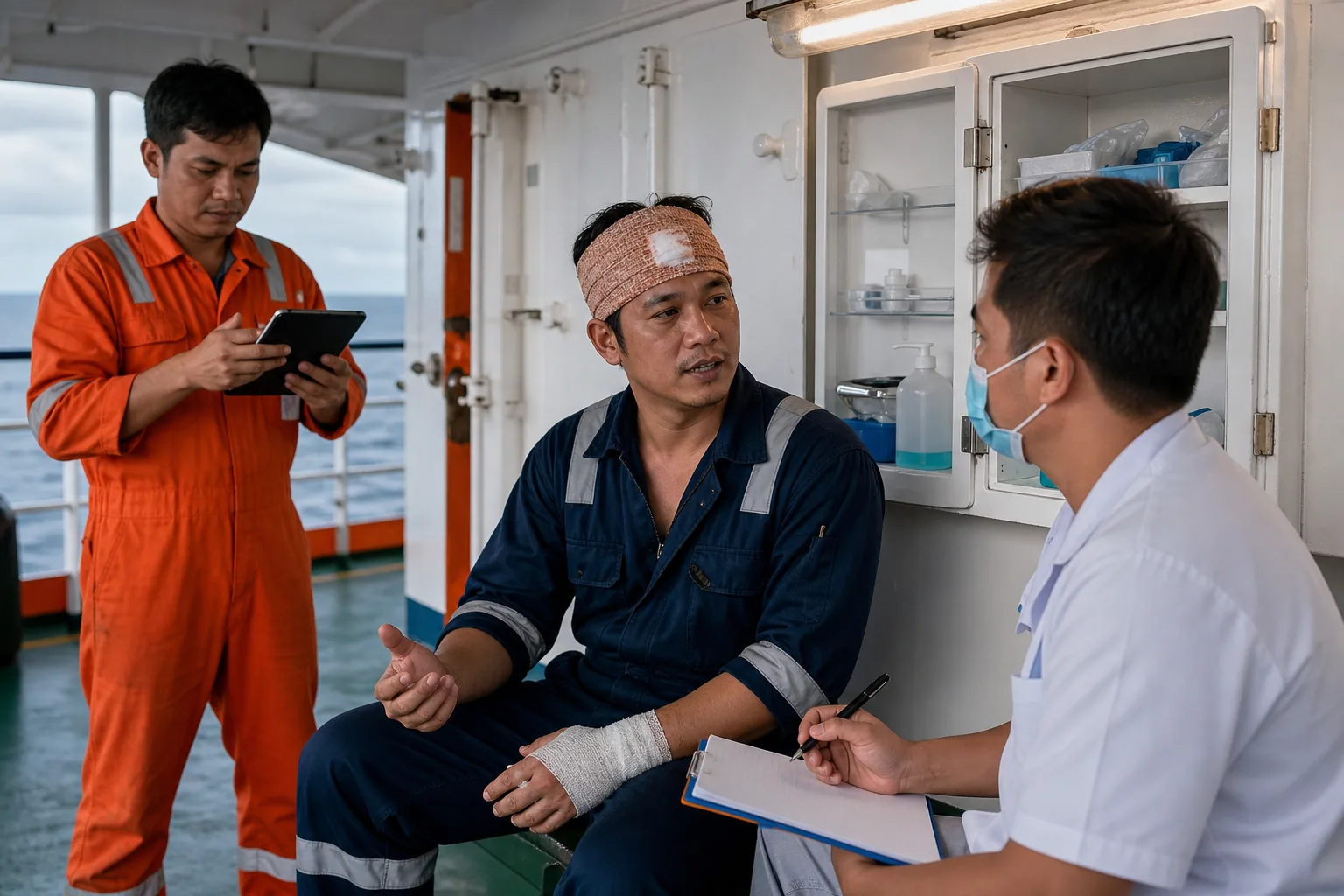
4. Seek medical attention right away. Some injuries, like a concussion, don’t show symptoms until later. A doctor’s report is vital for any future claim.
5. Contact a legal professional. Early counsel helps you understand your rights, preserve evidence, and avoid statements that could hurt your case later.
FAQ
What should I do if I’m injured on a charter boat?
The first step is to get medical help right away. Then document the injury, take photos of the scene, and report the accident to the Coast Guard. A qualified attorney can guide you through the claims process.
Can the boat owner be held liable if I was the one steering?
Yes. Even if you were the acting captain, the owner still has a duty to provide a seaworthy vessel. If a defect caused the injury, the owner may share liability.
Do I need a lawyer if the accident was minor?
It depends. Minor accidents often settle without litigation, but a lawyer can help you assess whether you’re entitled to compensation for medical bills or lost wages.
How long do I have to file a claim?
Florida law generally gives you two years from the date of injury to file a lawsuit, but it’s wise to act sooner. Delays can weaken evidence and affect your recovery.
Are charter boat accidents covered by insurance?
Most charter companies carry liability insurance, but coverage limits vary. Your own personal insurance or the owner’s policy may also apply, so review the charter agreement carefully.
Conclusion
If you’re tangled in a charter boat accident, protect your health first, then secure evidence and call a specialist. Reach out to Maritime Attorney for a free consultation and learn how to move forward with confidence.
Ready to put this into practice? maritimeattorney.ai was built for exactly this.