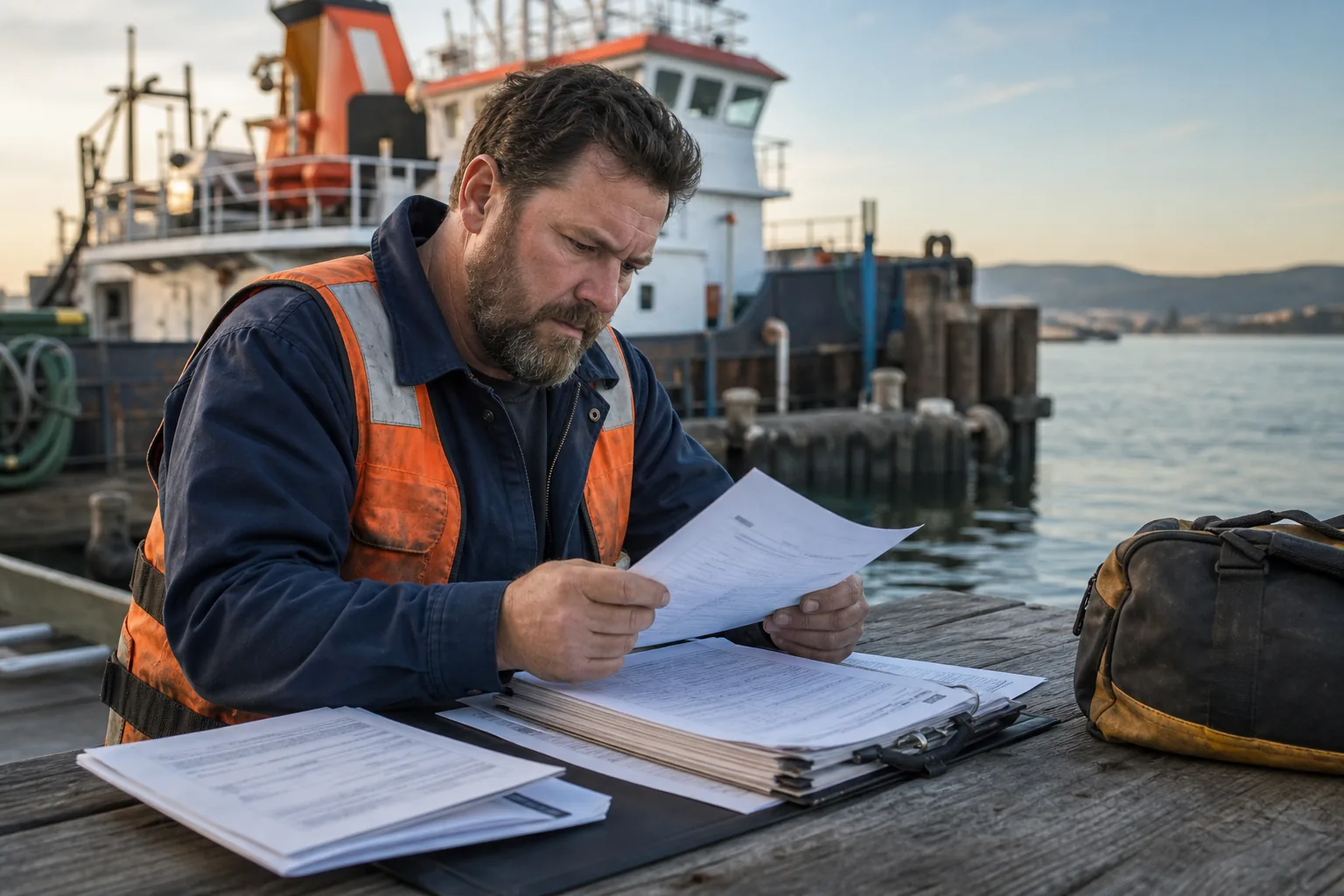
What a Boating Accident Attorney Can Do for You in 2026
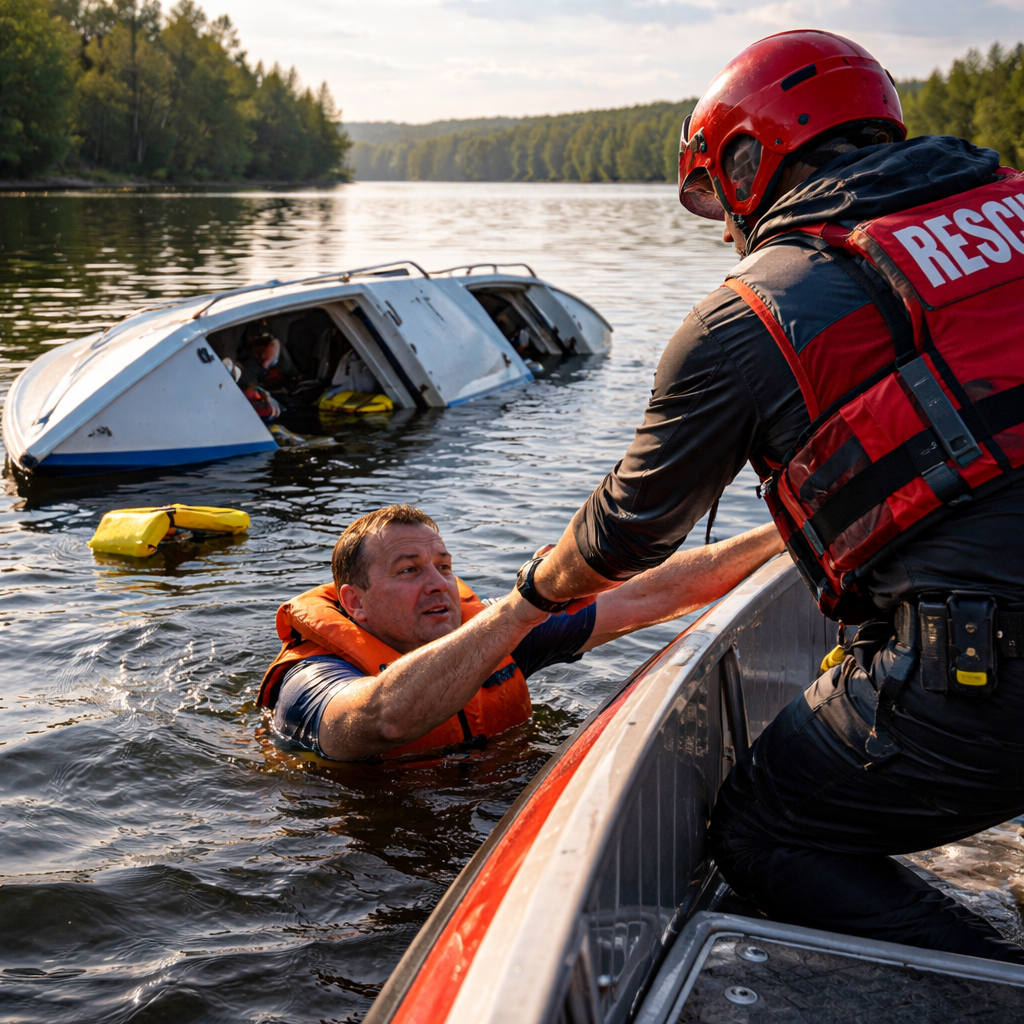
Got hurt on the water? You don't have to face the insurance maze alone. A boating accident attorney can turn a confusing mess into a clear path toward the money you need. In this guide you’ll learn when to call a lawyer, what types of claims exist, how to file, what to ask before you hire, and how compensation is figured out. Stick with me and you’ll know exactly what steps to take after a boat crash.
Understanding When You Need a Boating Accident Attorney
Right after a splash you might feel shock, pain, and a flood of questions. You may think about bandages, doctors, and getting back on the water. But the legal side can slip through the cracks if you wait too long. A boating accident attorney watches the clock for you. Most states set a two‑year limit to file a claim, and some limits start as soon as the accident happens. If you miss that deadline, you lose the chance to collect.
Think about it this way: you’re racing a stopwatch while also dealing with bruises. The attorney makes sure the timer never stops. They also gather the proof you need , photos, witness statements, and the boat’s maintenance logs. Without that evidence, the insurance company can say, “We never saw any fault.” By getting a lawyer early, you lock down the facts before they disappear.
Many people think hiring a lawyer is a luxury they can’t afford. In reality, most boating accident attorneys work on a contingency fee. That means you pay nothing unless they win money for you. This removes the cost barrier and lets you focus on healing.
One reason to call right away is the need for a written accident report. Some states demand a report if the damage tops $2,000, if someone is hurt, or if a life is lost. The report is a key piece of evidence. A lawyer can help you fill it out correctly and file it on time. For more on the role of a boat accident lawyer, see Cullotta Law’s guide.
Another reason is the complexity of insurance negotiations. Companies will often throw a low‑ball offer your way. An attorney knows how to calculate the full scope of your losses , medical bills, lost wages, future care, and the pain you feel. They can push back on the insurer and aim for a fair settlement. If you’ve already spoken to a claim adjuster, bring that conversation notes to your lawyer. It helps them see where the insurer might be weak.
Finally, a serious injury like a brain injury or broken spine changes the game. Those cases need detailed medical records, expert testimony, and sometimes a life‑care plan. A boating accident attorney has the contacts to line up doctors and economists who can explain how the injury will affect you for years.
Bottom line: the sooner you get a boating accident attorney, the more tools you have to protect your rights.
Common Types of Boating Accident Claims Explained
Not every splash looks the same, and not every claim follows the same path. Knowing the main claim types helps you talk the right language with your attorney.
First, there are collision claims. These happen when two vessels hit each other or when a boat hits a fixed object like a pier. The driver who broke the rule of the waterway is usually at fault. In a collision, you can chase damages for your medical costs, the repair of your boat, and lost earnings.
Second, there are passenger or swimmer claims. If you were on a boat or swimming nearby and a careless driver knocked you into the water, you can sue for the injuries you suffered. These claims often involve the duty to keep a safe space around the boat.
Third, there are grounding claims. When a boat runs aground on a hidden reef or shallow spot, the sudden stop can fling passengers forward. Injuries from a grounding can be just as severe as a collision.
Fourth, there are drowning claims. Drowning often occurs when a life jacket is missing or when the operator fails to act quickly. If the operator ignored safety gear, they can be held liable.
Fifth, there are propeller or run‑over claims. A propeller can slice skin, cause lacerations, or even amputate a limb. Those injuries need specialized medical care and often lead to long‑term disability.
| Claim Type | Typical Fault | Key Damages |
|---|---|---|
| Collision | Operator negligence | Medical, vessel repair, lost wages |
| Passenger/Swimmer | Failure to keep safe distance | Medical, pain, loss of enjoyment |
| Grounding | Improper navigation | Medical, trauma, vessel damage |
| Drowning | Lack of safety gear | Medical, wrongful death, funeral costs |
| Propeller | Reckless operation | Severe injuries, long‑term care |
Each claim type may involve different parties. It could be the boat owner, the rental company, the marina, or even the manufacturer if a defect caused the crash. A boating accident attorney can map out who might be on the hook.
For a deeper look at claim types, check out Collier & Collier’s boating accident overview. It breaks down how injuries, wrongful death, and property loss fit together. Also, see Sullivan & Galleshaw’s guide for real‑world examples of how these claims play out in court.
When you sit down with a lawyer, bring any photos of the damage, a list of medical visits, and a log of days you missed work. The clearer your file, the easier it is to match the claim type to the right legal theory.
Step-by-Step Guide to Filing a Boating Accident Claim
Filing a claim can feel like a maze, but you can walk it step by step. Below is a simple roadmap you can follow.
- Seek medical help right away. Even if you feel fine, get checked. A doctor’s note is proof of injury.
- Preserve evidence. Take photos of the boat, the water, and any visible injuries. Get contact info from witnesses.
- Report the accident. Call the local marine authority or the Coast Guard if required. File the written report within the state’s deadline.
- Contact a boating accident attorney. Early contact means the lawyer can start gathering records before they disappear.
- Gather documents. Collect medical bills, repair estimates, and proof of lost wages. Keep a folder.
- Let the lawyer send a demand letter. This letter tells the other side what you want and why they owe you.
- Negotiate or go to court. Most cases settle, but be ready for trial if the offer is too low.
Why each step matters:
- Medical help creates a record that links your injuries to the accident. li>Evidence saves you from “he‑said, she‑said” fights.
- Reports lock in the official version of events.
- A lawyer’s early involvement keeps deadlines safe.
- Documents show the real cost of the crash.
- A demand letter puts pressure on insurers.
- Being ready for court shows you’re serious.
Imagine you were on a jet ski that flipped after a sudden turn. You call 911, get a concussion, and later discover the jet ski’s throttle was stuck. Your lawyer would ask the manufacturer for maintenance logs, the rental company for safety checks, and the operator for training records. All those pieces help prove negligence.
When you’re ready to talk to a professional, look for a lawyer who has handled boat crashes before. The Bodewell guide notes that a claim often hinges on early evidence preservation. Read more at Bodewell Law’s resource page.
Ready to get help now? Try our solution free →
Key Questions to Ask When Choosing a Boating Accident Attorney
Not every lawyer knows the ins and outs of water law. Ask the right questions so you pick a guide who truly gets your case.
First, ask how many boating cases they’ve handled in the past year. A lawyer who only did one or two may not have the courtroom chops you need. Look for a track record of wins and settlements that match the size of your injury.
Second, ask about their fee structure. Most work on a contingency basis, but you should still know the percentage they’ll take if you win. Never sign a contract that asks for money up front.
Third, ask who will actually work on your file. Some firms hand your case to a junior associate while the senior partner stays hands‑off. You want a lawyer who will be in the trenches, talking to insurers and gathering evidence.
Fourth, ask about communication. How often will they update you? Do they return calls the same day? Quick replies mean they’re on top of your case.
Fifth, ask about resources. Do they have connections with medical experts, marine engineers, and accident reconstruction specialists? Those experts can tip the scales in your favor.
Sixth, ask about their approach to settlement versus trial. Some lawyers settle at the first offer, which can leave money on the table. A good attorney will weigh the offer against the likely jury award.
When you’re vetting, also check if the lawyer stays current on maritime law. The Jones Act, for example, lets seafarers sue their employer for on‑the‑job injuries. Understanding that law can open extra compensation routes. For a clear view of that, see Understanding the Role of a Jones Act Attorney: A Complete Guide.
Finally, consider the lawyer’s marketing. A firm that uses professional, clear materials shows they care about client trust. Many firms now use AI‑driven design tools to keep their websites and brochures sharp. For example, QuickDesign offers AI‑powered design that helps law firms create high‑impact marketing assets. You can read about it at QuickDesign.
Ask these questions, write down the answers, and compare the firms side by side. The right boat crash lawyer will give you confidence that every detail of your claim is being chased.

How Compensation Is Calculated in Boating Accident Cases
Money from a claim isn’t a guess. It’s built on a formula that adds up every loss you faced.
First, there are economic damages. These are easy to count: medical bills, surgery costs, physical therapy, and any prescriptions. Add the wages you lost while you were off work, plus the money you’ll miss out on if you can’t return to the same job.
Second, there are non‑economic damages. That covers the pain you feel, the anxiety of not knowing if you’ll heal, and the loss of fun activities you once loved. These are harder to price, but a seasoned boating accident attorney knows how to argue for a fair amount.
Third, future damages matter. If a spinal injury means you’ll need a wheelchair for life, you can claim the cost of that equipment and the extra care you’ll need. Experts will calculate those numbers based on medical forecasts.
Fourth, punitive damages can appear if the other party acted with gross negligence or intoxication. Those aren’t always awarded, but they can boost the total payout.
Here’s a quick checklist you can use to track your losses:
- All medical receipts (hospital, doctor, rehab).
- Proof of missed work , pay stubs, tax forms.
- Estimates for future care , therapist quotes, equipment costs.
- Photos of injuries and damaged property.
- Statements from family about how the injury changed daily life.
Insurance companies will try to downplay many of these items. That’s why a boating accident attorney pushes back with expert testimony and detailed spreadsheets.
To see real numbers, check the settlement data at Lawsuit Information Center. They break down typical verdicts and explain the nine factors that drive payouts.
If your boat hit a dock and the dock needed a new deck, you might also have property damage to your waterfront home. Some victims choose to replace their old deck with synthetic turf for easier upkeep. For ideas on that kind of repair, see Artificial Turf Installation & Supply.
Bottom line: a boating accident attorney adds up every line item, fights the insurer’s lowball offers, and makes sure you get a settlement that truly covers your loss.
Frequently Asked Questions
Do I need a boating accident attorney if the other driver admits fault?
Yes. Even if the other driver says they’re at fault, the insurance company will still try to pay the lowest amount possible. A boating accident attorney can review the medical bills, future care costs, and lost wages to make sure the settlement covers everything. They also handle paperwork so you don’t miss any filing deadlines.
What if I was partly at fault for the crash?
Most states follow comparative negligence. That means you can still recover money even if you share some blame, as long as your fault is less than 50 % in many places. A boating accident attorney will calculate your percentage and argue for the highest possible award based on the facts.
How long does it take to settle a boating accident claim?
The timeline varies. Simple cases with clear evidence can settle in a few months. More complex cases, like those with severe injuries or multiple defendants, may take a year or longer, especially if they go to trial. Your attorney will give you a realistic outlook based on the specifics of your case.
Can I handle my own claim without a lawyer?
You can, but you risk losing valuable compensation. Insurance adjusters are trained to spot weaknesses in a self‑filed claim. A boating accident attorney knows how to collect the right evidence, negotiate effectively, and, if needed, present a strong case in court.
What if the boat owner’s insurance is low‑limit or nonexistent?
If the at‑fault party’s policy can’t cover your losses, you may still have other sources of recovery. A boating accident attorney can look at the manufacturer, the marina, or even the rental company for additional liability. They’ll also explore whether the Jones Act applies if you were a maritime employee.
Will my case go to trial?
Most boating cases settle before trial because it saves time and money. However, if the offer is far below what you deserve, a seasoned boating accident attorney will be ready to take the case to court. They’ll weigh the costs and benefits and keep you in the loop.
How are attorney fees paid in a boating accident case?
Most work on a contingency fee, usually 33 % to 40 % of the final recovery. That means you owe nothing unless the case wins. The fee is taken out of the settlement before you receive the rest. Always get the fee agreement in writing.
What should I bring to my first meeting with a boating accident attorney?
Bring any medical records, a list of expenses, photos of the scene, a copy of the accident report, and contact info for witnesses. Also, write down a timeline of what happened and how it’s affected your daily life. The more detail you give, the faster the attorney can assess your case.
Conclusion
Dealing with a boating accident can feel like you’re stuck in a storm. A boating accident attorney is the lighthouse that guides you toward a fair settlement. They keep the clock from running out, gather the proof you need, negotiate with insurers, and fight in court if required. By knowing when to call, what claims exist, how to file, and what questions to ask, you’re ready to protect your rights and get the compensation you deserve. If you’re ready to start, schedule a free, no‑obligation consultation today and let a skilled attorney take the legal weight off your shoulders.