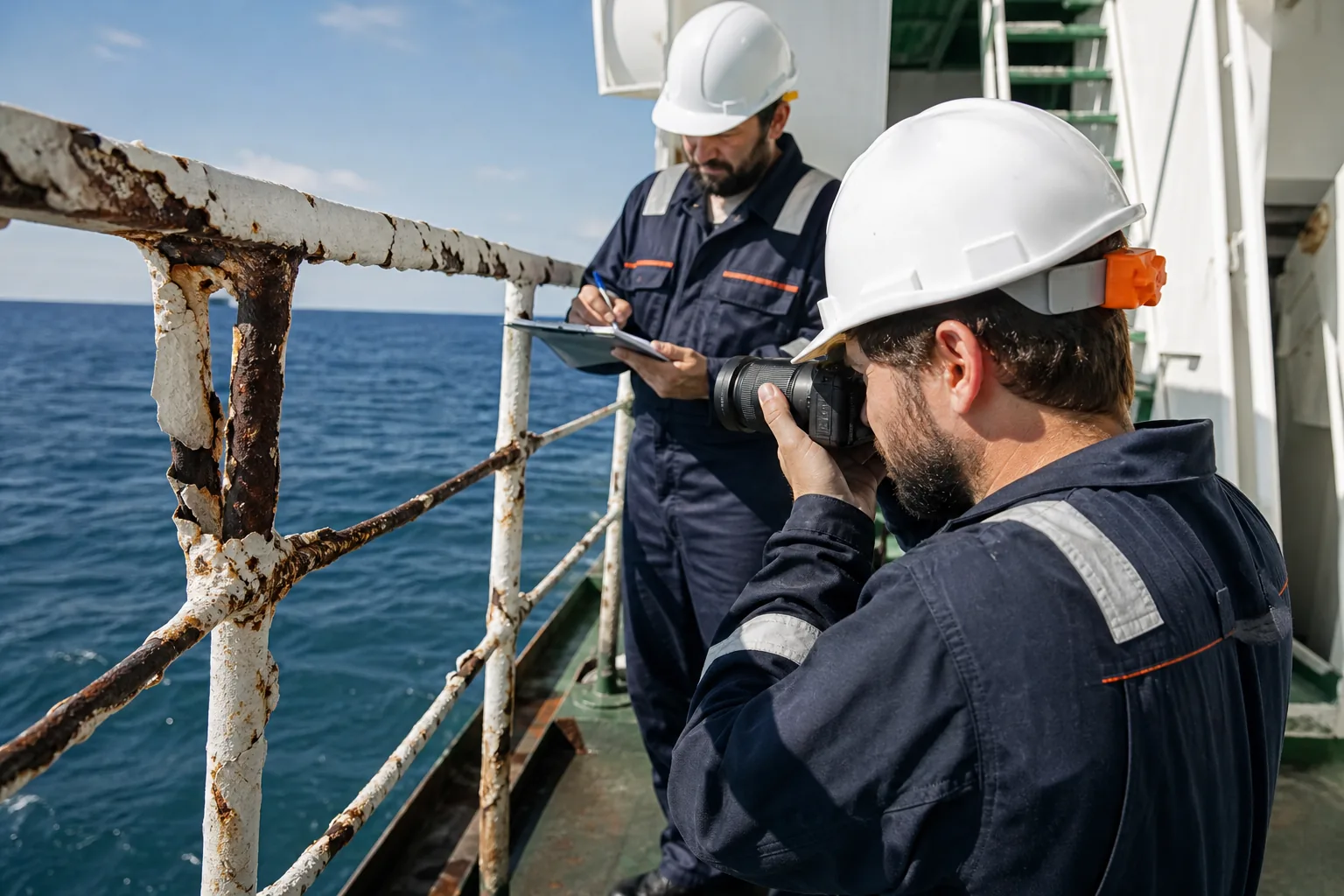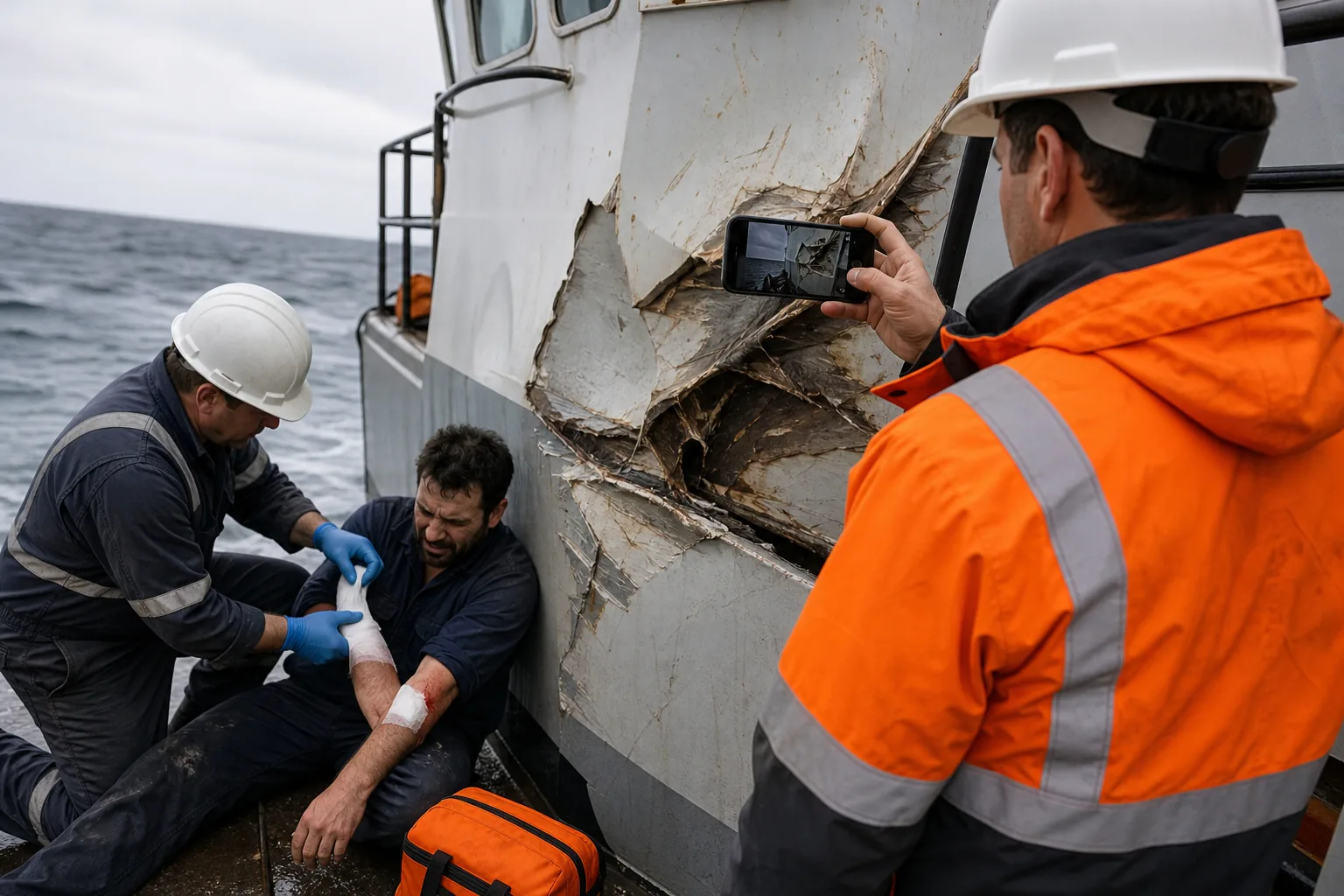
Understanding Types of Maritime Injuries

Maritime work is risky. A slip on a wet deck, a sudden collision, or a toxic spill can leave a crew member hurting fast. Below is a clear look at the main types of maritime injuries you might face and what to watch for.
Slip, Trip, and Fall Injuries
Slip, trip, and fall injuries happen when a worker loses balance on a slippery or uneven surface. The Bureau of Labor Statistics shows that these incidents account for about 38% of all maritime accidents (ilworkinjurylawyer.com). Most falls occur while a vessel is docked, where cargo, oil, or rain make decks slick.
Typical injuries include broken bones, sprains, and head trauma. A crew member who falls from a height can break a wrist or fracture a rib, while a slip on a wet deck often bruises the hip or twists the knee. The same study notes that extremity injuries make up 63% of all recorded cases, with fractures alone representing a third of those injuries.
Workers in shipyards and ports face extra risk from heavy equipment and uneven gangways. A simple misstep while climbing a ladder can turn into a serious spinal injury if the person lands wrong.
Vessel-Related Accidents
Vessel‑related accidents include collisions, grounding, and equipment failures that directly harm crew members. The Maritime Injury Center reports that passenger and ro‑ro cargo ships see the highest number of such incidents, accounting for over 40% of maritime occupational accidents (maritimeinjurycenter.com).
When a ship collides with another vessel or a pier, the impact can throw crew members against railings or machinery. Common injuries are concussions, broken ribs, and lacerations from sharp metal. Engine rooms pose a hidden danger: moving propellers or high‑pressure steam can cause crushing injuries if a worker steps into a blind spot.
Because many accidents happen while the vessel is underway, the crew may have limited access to immediate medical help. That delay can turn a treatable wound into a serious infection.
Overexertion and Repetitive Motion Injuries
Overexertion occurs when a worker lifts, pulls, or pushes beyond safe limits. Repetitive motion injuries happen when the same motion is repeated for hours on end, such as tightening bolts or operating winches.
These injuries often affect the back, shoulders, and elbows. According to the Brown Health Institute, repetitive strain injuries (RSI) include conditions like carpal tunnel syndrome, tendinitis, and bursitis (brownhealth.org). Symptoms start as mild aches and can become chronic pain if ignored.
Imagine a deckhand who spends hours hoisting heavy nets. The constant strain can inflame the tendons in the shoulder, leading to rotator‑cuff tendinitis. Over time, the pain may spread to the neck and upper back.
To keep these injuries at bay, rotate tasks, use mechanical aids, and take short breaks to stretch. Simple stretches for the lower back can make a big difference. For usable moves, .
Exposure to Hazardous Materials
Ships often carry fuels, chemicals, and cleaning agents that can be toxic if inhaled or touched. Boat Law explains that toxic exposure can cause burns, respiratory issues, and long‑term organ damage (boatlaw.com). Even a small spill of diesel can release vapors that irritate the eyes and lungs.
Symptoms may appear right away, coughing, throat pain, skin redness, or develop later as chronic conditions like dermatitis or chemical pneumonia. The risk rises when protective gear is missing or ventilation is poor.
Workers should always wear chemical‑resistant gloves, goggles, and respirators when handling hazardous substances. Prompt decontamination and medical evaluation are important if exposure occurs.
"A single moment of careless handling can turn a routine job into a lifelong health battle."
Medical and Legal Considerations
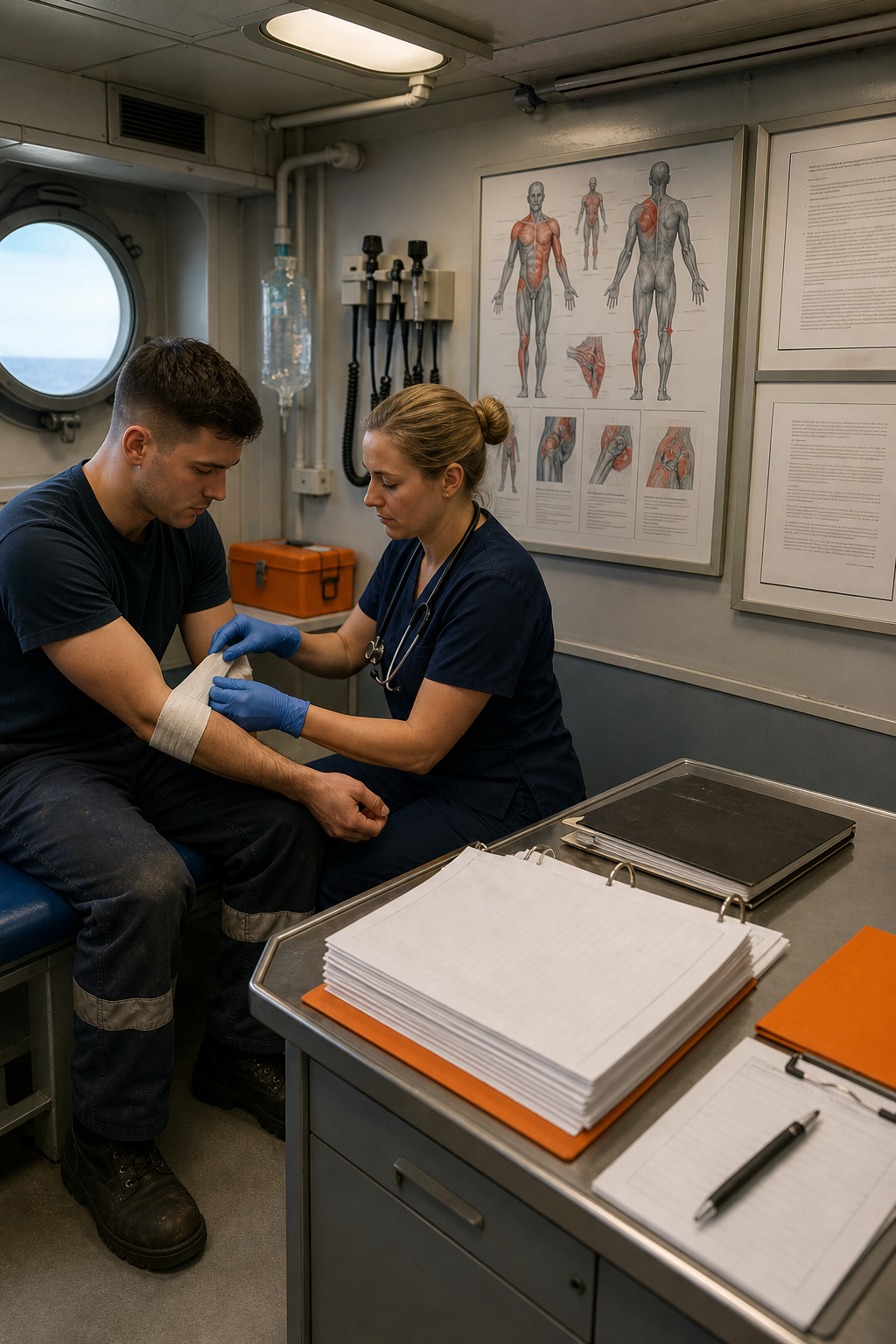
When a maritime injury happens, the first step is to get proper medical care. Documentation of injuries, treatment plans, and follow‑up visits creates a solid record for any future claim.
Under the Jones Act, seamen can sue their employer for negligence that caused the injury. The law covers medical expenses, lost wages, and pain and suffering. A claim often hinges on proving that the employer failed to provide a safe workplace or proper equipment.
It helps to work with an attorney who knows maritime law. A seasoned lawyer can gather evidence, negotiate with insurers, and file the claim within the strict deadlines the Jones Act imposes.
For those coping with lingering back pain or sciatica after an accident, targeted stretches can ease tension. A useful resource is the stretches for sciatica pain relief guide.
Remember, every injury case is unique. Keep all receipts, medical reports, and witness statements in one folder. That habit speeds up the legal process and strengthens your position.
FAQ
What counts as a maritime injury?
A maritime injury is any bodily harm that occurs while a worker is on a vessel, dock, or performing offshore duties, including slips, equipment accidents, and chemical exposures.
How common are slip and fall injuries at sea?
They make up roughly 38% of all recorded maritime accidents, according to the Bureau of Labor Statistics data on maritime injuries.
Can I claim compensation for overexertion injuries?
Yes, if you can show the injury resulted from unsafe work practices or lack of proper equipment, the Jones Act allows you to pursue damages.
What legal protection does the Jones Act provide?
The Jones Act lets seamen sue their employers for negligence, covering medical costs, lost wages, and pain and suffering.
How do I prove a toxic exposure claim?
You need medical records linking symptoms to the exposure, witness statements, and evidence that safety protocols were ignored or insufficient.
Conclusion
If you or a crew member faces any of these injuries, start by getting medical help and then consider talking to a maritime law specialist. Maritime Injury Guide: Types, Legal Rights, and Compensation offers a solid next step to understand your rights and options.
Ready to put this into practice? maritimeattorney.ai was built for exactly this.