Top Maritime Injury Lawyers for Vessel Collisions: 3 Picks
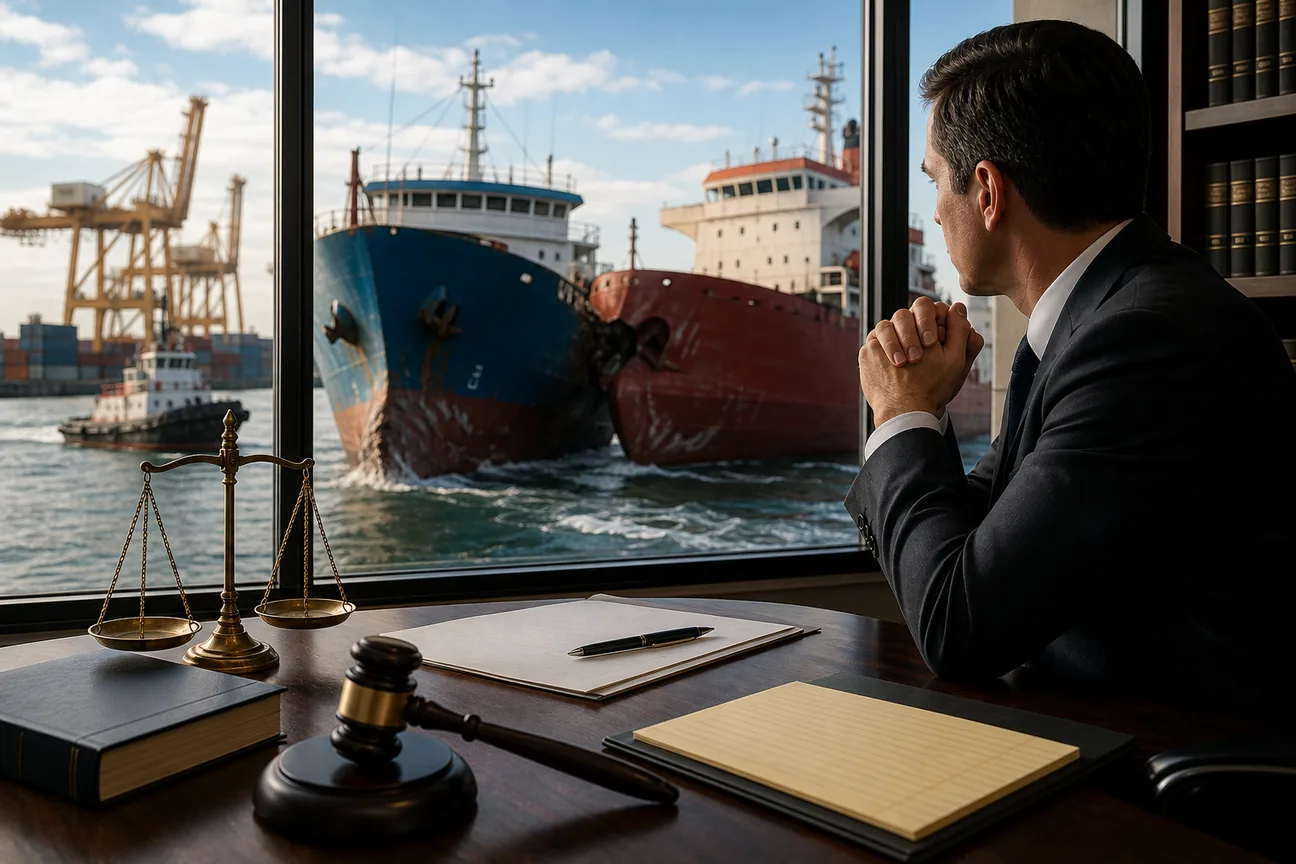
A vessel collision can leave you hurt while the facts are still unfolding. If you’re looking for a top maritime injury lawyer for a vessel collision, start with a lawyer whose work fits your type of case and where it happened. Here are three firms to research, plus the questions that can help you compare them.
We analyzed 43 comments and questions from YouTube, Reddit and Quora about maritime injury lawyers for vessel collisions and found that 47% mentioned the importance of a qualified attorney.
1. BoatLaw, LLP: Verify its fit for your collision case
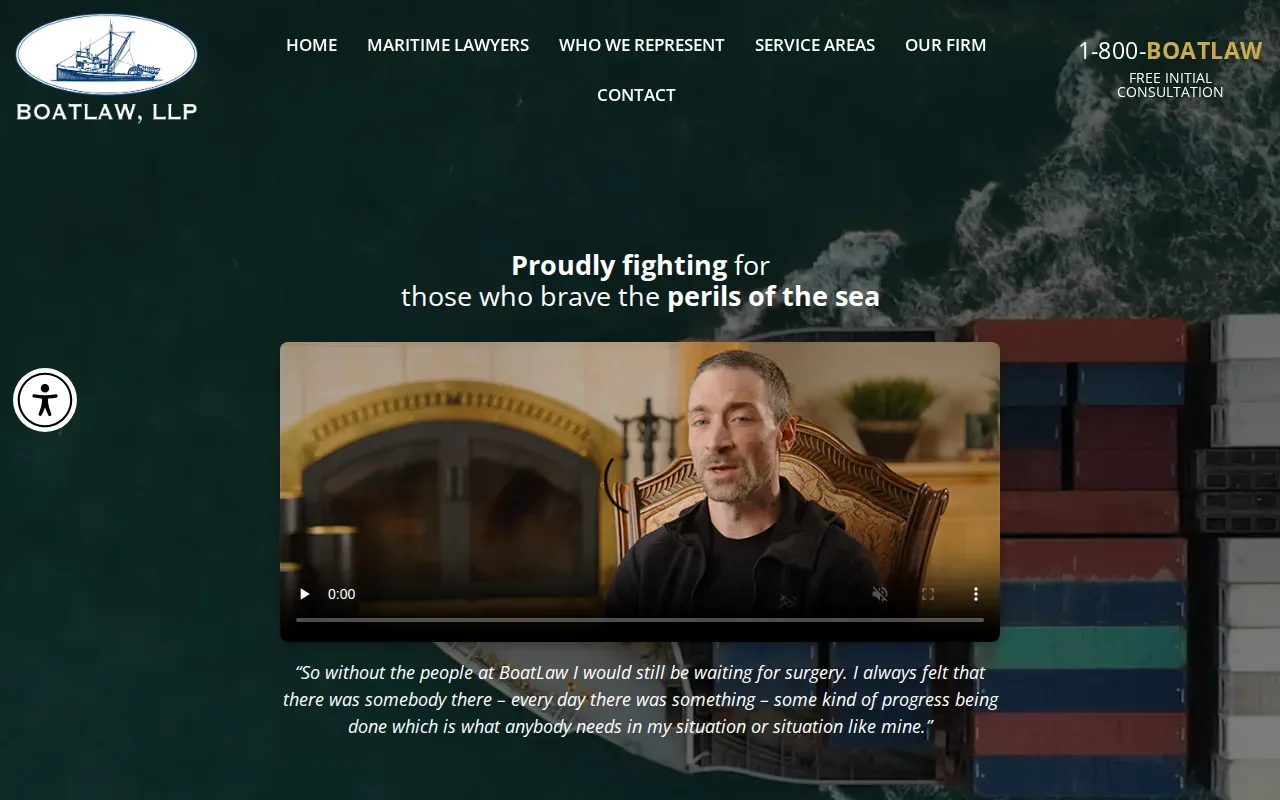
BoatLaw, LLP is one firm to investigate for a vessel-collision claim.
Before you decide, ask how the firm would assess the specific collision. A case involving two recreational boats may raise different questions from a crash involving a working tug or a passenger vessel. Ask which laws may apply, where a claim could be filed, and what evidence the firm would seek first.
Get specific about the lawyer’s role. Will the person you meet handle the case? Who would gather records and speak with witnesses? How would the firm keep you updated as the investigation moves forward? Clear answers help you judge whether the lawyer understands the work ahead, not just the broad label of “maritime injury.”
Ask about fees and case costs before signing an agreement. Request a plain-language explanation of any contingency fee, what expenses may be charged, and how those expenses are handled if there’s no recovery. Don’t assume fee terms are the same across firms.
Use the first meeting to test fit, not to guess the value of your claim. You can also prepare with questions for a maritime injury lawyer interview so you can compare each firm on the same points.
2. Kreindler & Kreindler: Long-standing practice with maritime-worker experience
Kreindler & Kreindler is a firm to consider when a collision injured a maritime worker. The firm has practised law for more than 70 years, including injury cases, and handles claims for injured maritime workers.

That range matters when a worker’s claim turns on the job, the vessel, and the worker’s connection to it. A seafarer’s legal options can differ from those of a passenger or someone hurt near a dock. Ask the firm to explain which rules might cover your work and why.
Kreindler & Kreindler’s past results include a $1,250,000 award affirmed by the 4th Circuit in a case involving a Navy seaman killed when a training vessel was struck by a barge flotilla. That result is a past case, not a forecast for a new claim. The facts, injuries, proof, and law can differ sharply from one collision to another.
For a worker’s case, ask how the firm would sort out the employer’s role, the conduct of other crew, and any vessel-safety issues. Ask what records could support the account of the incident and how the lawyer would assess future lost earnings if the injury ends work at sea.
The firm’s focus on injured maritime workers makes it worth a closer look for that type of claim. A passenger or recreational boater should still ask whether the proposed lawyer has handled cases that match their own situation.
3. Attorney911: Houston-based option to investigate
Attorney911 is a Houston-based option to investigate.

If the collision happened in the course of work rather than during a personal trip, ask how the firm would identify the legal rules that fit your job and location. Also ask whether it has handled the kind of vessel, worksite, and injury involved in your case. A general injury label alone won’t answer those questions.
In an initial meeting, describe what happened in order. Note where the vessel was, what your job was that day, who was on board, and what happened after the impact. If you’re still receiving care, explain what your doctors have said about work limits or follow-up treatment. These details help a lawyer spot questions that need prompt attention.
Ask who would manage the claim and what the next step would be if the evidence points to more than one responsible party. The lawyer should be able to explain the proposed process in plain terms, including what information they need from you and how they’ll keep you informed.
Confirm that its experience matches the facts of your collision before deciding whether to move forward.
What a vessel-collision lawyer handles: injuries, evidence, and damages
A maritime injury lawyer investigates how the collision happened, works out which laws may apply, and pursues compensation from parties who may be responsible. Possible defendants depend on the facts. They may include a vessel operator, employer, or another party whose actions contributed to the crash.
Collisions can cause fractures, head or spinal injuries, burns, and drowning injuries. The harm may be less visible at first, too. Pain, reduced mobility, or a need for ongoing care can affect a person’s job and daily life long after the vessel reaches shore.
Evidence can be hard to replace. A lawyer may seek crew logs, vessel maintenance records, or electronic data from a vessel’s recording systems. They may also speak with crew or other witnesses while their memories are fresh. These records can help show what happened before impact, how the vessel was operated, and whether a safety issue played a part.
Common maritime accident types can include vessel collisions as well as other incidents at sea or near a port. The details matter because an injury on a boat, at a dock, or on an offshore worksite can involve different facts and legal questions.
Possible damages may include medical costs, lost wages, reduced future earning ability, pain and suffering, and long-term care. The right categories depend on the claim and the proof. A lawyer may ask for medical records, pay information, and details about work limits to build a clearer picture of the loss.
For a worker, the Jones Act may apply to a qualifying seaman’s claim. Other maritime rules may address maintenance and cure or an unsafe vessel. These terms have specific legal meanings, so ask the lawyer to explain how they relate to your job and injury.
Maritime law and filing deadlines after a vessel collision
Not every injury near water follows the same legal path. Whether maritime law applies can depend on where the incident happened, the vessel’s activity, and the connection between the injury and maritime work or travel. Navigable waters are often part of that analysis, but the facts and legal tests can be more involved than a simple map check.
Admiralty law is the body of law dealing with maritime matters. This is not a substitute for legal advice. A lawyer should look at the actual location, the vessel, and the people involved before advising which court or rules may apply.
Deadlines can differ by claim. A ticket, contract, statute, or other rule may set a notice period or filing limit. The date of the collision is not always the only date that matters, and a deadline can be shorter than someone expects. Don’t rely on a general rule found online. Ask a maritime lawyer to check the deadline tied to your facts.
Acting promptly can also help preserve evidence. Vessels return to service, records may be harder to obtain, and witnesses can become difficult to reach. Keep copies of medical records and any incident documents you already have. Don’t edit or discard messages, photos, or notes about what happened.
If a worker is hurt, the right law may depend on the worker’s duties and connection to a vessel. The Jones Act, maintenance and cure, and unseaworthiness are distinct legal concepts, not interchangeable labels. A lawyer can explain whether any may fit and what facts would support that view.
Compare the options: case process, fees, and what to verify
A first meeting should give you a clear sense of how the firm would approach the claim. Some lawyers provide an initial consultation at no cost, but ask about any fee before the meeting. Don’t assume every firm uses the same fee plan or handles case expenses in the same way.
The usual case work may include an initial review, evidence gathering, a claim or lawsuit, and talks about settlement. If the dispute doesn’t resolve, the case may proceed toward trial. Ask what the lawyer would do first in your case and what could change that plan.
Compare answers across the three firms rather than relying on a single headline result or years-in-practice figure. One firm may be a better match for a maritime worker; another may be worth considering for a different kind of collision. Fit depends on the type of injury, the vessel, the place, and the legal issues.
| What to compare | Ask in the meeting | Why it helps |
|---|---|---|
| Similar cases | Have you handled a collision like mine, involving this kind of vessel or work? | Shows whether the lawyer’s experience fits the facts. |
| First actions | What evidence would you try to preserve first? | Surfaces a clear plan for records and witnesses. |
| Legal path | Which laws and possible filing locations are you considering? | Helps you understand how the case may be handled. |
| Fees and costs | How are the fee and case expenses handled? | Clarifies what the agreement means before you sign. |
| Communication | Who will update me, and how often? | Sets expectations for the working relationship. |
It’s also fair to ask how the lawyer evaluates a case result. A past award can show that a firm handled a particular dispute, but it doesn’t tell you what your claim is worth. Your injuries, ability to work, medical needs, and available evidence all matter.
At maritimeattorney.ai, you can find material to help prepare for a lawyer conversation. Use it to organize your questions, then ask each firm to explain its answers in terms you understand. A sound choice should leave you clear on the next step, the fee agreement, and who will handle the case.
Frequently asked questions
What does a maritime injury lawyer do after a vessel collision?
A maritime injury lawyer investigates the collision and assesses which laws may apply. The lawyer may seek vessel and crew records, interview witnesses, review medical and wage information, and pursue a claim against responsible parties. The exact work depends on whether you were a passenger, a worker, or another person injured in the incident.
How long do I have to file a maritime injury claim?
There isn’t one deadline that applies to every maritime injury claim. The time limit can depend on the law, the parties, and any contract or notice rule tied to the trip or work. Ask a maritime lawyer to check the deadline for your specific incident promptly, rather than relying on a general online answer.
What compensation can I seek after a boat or ship collision?
Depending on the claim, compensation may include medical costs, lost wages, reduced future earning ability, pain and suffering, or long-term care. The available damages depend on the law and evidence. Keep records of treatment, missed work, and any limits your injury places on daily tasks or future work.
Do maritime injury lawyers charge a fee upfront?
Fee terms vary by firm and case. Some lawyers may discuss a contingency fee, while other costs can be handled separately under the written agreement. Ask what percentage or fee applies, how case expenses are treated, and what happens if there’s no recovery. Read the agreement before signing.
How do I choose between maritime injury lawyers?
Compare each lawyer’s experience with cases like yours, the first steps they propose, and how clearly they explain the legal issues. Ask who will handle your case and how the firm will communicate. Then review the fee agreement. Choose the lawyer whose plan fits your facts and whose answers you can follow.
Conclusion
Choose a lawyer whose maritime work matches your role and the vessel involved, then ask for a clear plan to preserve evidence and check deadlines. Before you sign, compare the written fee terms and confirm who will handle your claim. That next conversation is the best way to see which option fits.