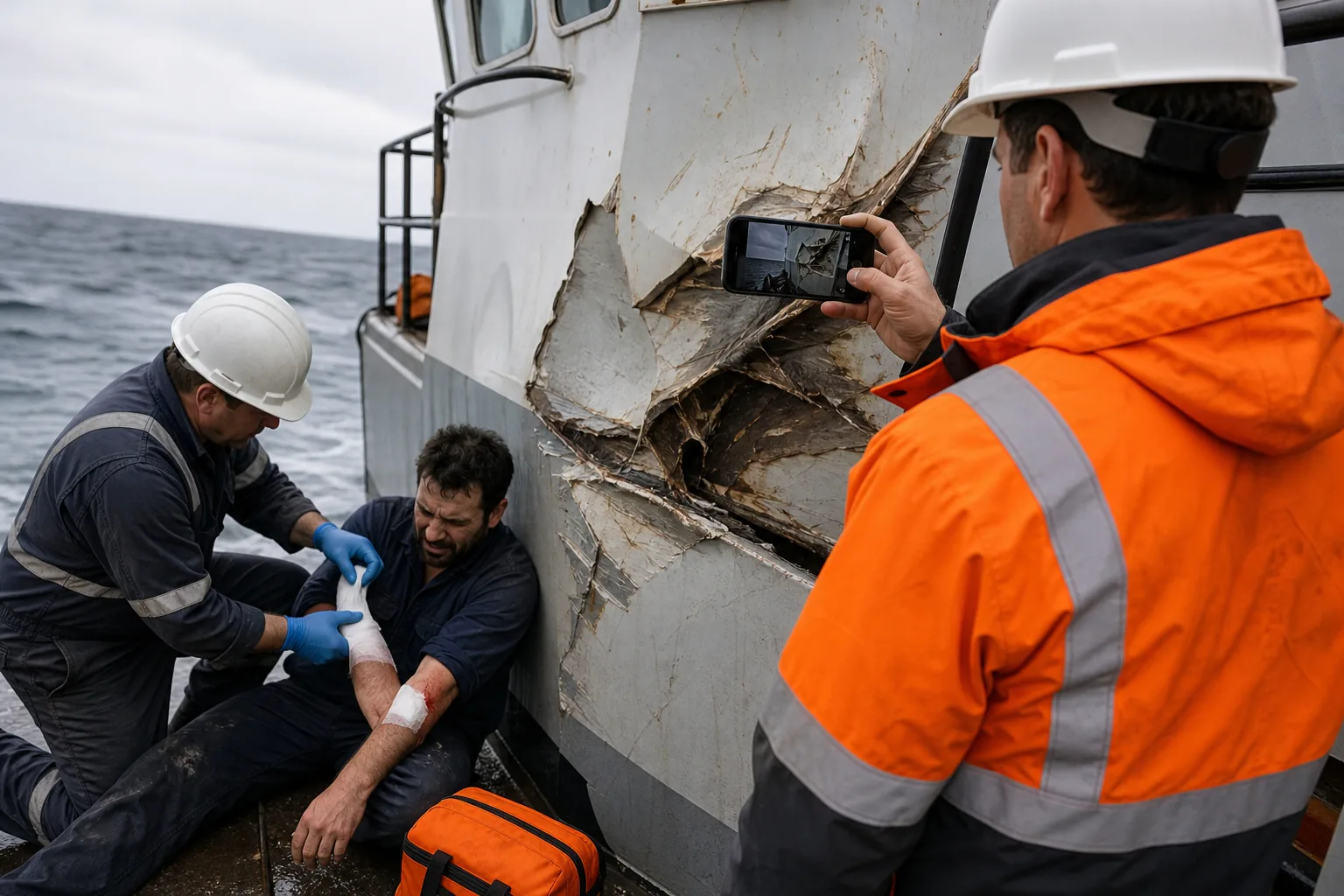
Maritime Injury Claim Attorney Interview Questions to Ask
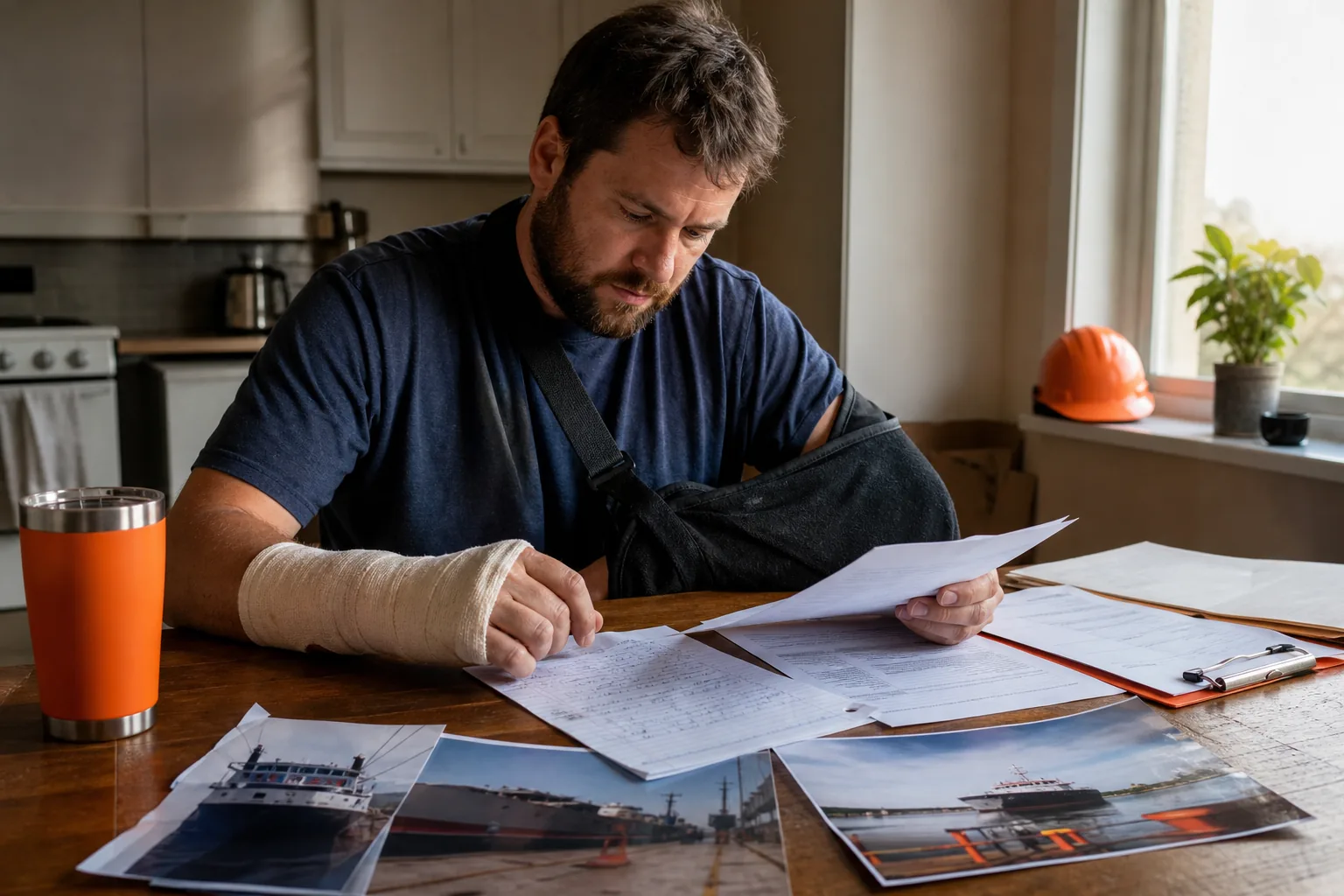
Being hurt at sea can make a lawyer interview feel like one more hard task. The right maritime injury claim attorney interview questions help you see how a lawyer thinks, not just what they’ve handled. Use these steps to prepare, test the lawyer’s plan, and compare the terms before you decide.
We analyzed 24 comments and questions from YouTube and Quora about maritime injury claim attorney interview questions and found that 25% mentioned negligence and liability.
Step 1: Prepare Your Case Details and Documents
Goal: Give each lawyer a clear account of what happened, so you can compare their answers on the same facts.
Before the meeting, write a short timeline. Note when and where the injury happened, what task you were doing, who employed you, and what vessel or work site was involved. Include the names of people who saw the event, if you know them. Don’t guess when you’re unsure. Mark details that need checking.
Bring copies of any records you have, such as the incident report, work schedule, employment papers, photos, messages, and medical records. Keep the originals safe. If you have vessel or worksite details, note them for the lawyer. You can also use this overview of maritime accident types to describe whether the event involved a work injury, vessel collision, or another kind of accident.
Tell the attorney if your employer or an insurer has asked for a statement or sent forms. Don’t sign a document you don’t understand just to get through the meeting. Ask the lawyer whether the form affects your claim and what you should do next.
Classification matters. A worker’s connection to a vessel may affect whether the Jones Act applies; other workers may fall under a different law. The lawyer should ask about your work duties and time aboard, not assume the answer from your job title alone.
By now you should have a fact sheet, copies of key records, and a list of details you still need to confirm.
Step 2: Find Maritime Lawyers and Verify Their Experience
Goal: Speak with attorneys whose work matches your kind of injury and role.
Start with lawyers who handle maritime injury claims, then narrow the list by the facts of your case. A seaman’s Jones Act claim may raise different issues from an injury to a longshore worker or a passenger hurt in a collision. Ask whether the lawyer has handled cases like yours, not simply personal injury cases in general.
Ask questions to a maritime injury claim attorney such as: “Have you handled cases involving this type of vessel or work?” and “What part of a similar case did you handle yourself?” If your injury happened on an oil rig, at a dock, or aboard a passenger vessel, say so. The details help the lawyer explain which parts of their experience apply.
Check the attorney’s license with the relevant state bar.
Find out who will lead the file after you hire the firm. Ask who will speak with you about major choices and who will handle day-to-day work. A firm’s overall case history doesn’t tell you what the lawyer in your meeting did on those cases. Ask for an example they can discuss without sharing private client details.
Questions about case results need care. A settlement may be private, and a lawyer may be limited in what they can share. Ask what the attorney can explain about the dispute, the evidence, and their role. You’re looking for a clear account of their work, not a promise that your case will end the same way.
By now you should have a short list of lawyers who can describe relevant work and name the person responsible for your case.
Step 3: Ask About Applicable Laws and Your Case Strategy
Goal: Learn what legal framework may fit and how the attorney would test and support your claim.
Ask, “Which laws might apply to my situation, and what facts do you need to confirm that?” A maritime lawyer should explain the issue in plain words. For a potential Jones Act claim, ask how your vessel duties and work history affect the analysis. If you worked on a dock or fixed offshore platform, ask whether another framework may apply. Don’t feel you need to know the legal label before you meet.
Then ask the six core strategy questions that help turn a broad claim into an investigation:
- “What defenses do you expect the employer or insurer to raise?”
- “What evidence would you seek first?”
- “Which records should be preserved now?”
- “Who should be interviewed while their memory is fresh?”
- “What kinds of evidence could help prove what happened?”
- “What facts could affect whether the claim is viable?”
Follow each answer with a prompt tied to your case. If the lawyer mentions vessel records, ask which records and who may hold them. If they name a witness, ask how they would find that person. If they say a medical record matters, ask what point it could help establish.
Evidence may include photos, medical records, safety procedures, voyage information, or electronic data, depending on what happened. Ask how the attorney would preserve useful material and what you should avoid changing or deleting. A clear answer should link the proposed evidence to a question the case needs to resolve.
Also ask what the lawyer still can’t tell from the facts you’ve shared. A careful attorney may need records or interviews before giving a firm view. Ask what would change their early assessment and when they expect to know more.
Strategy can differ for a vessel collision, a longshore injury, or an offshore work accident. Ask the lawyer to explain how your work setting affects the evidence and legal questions. maritimeattorney.ai includes information about maritime claims and legal costs; treat online material as a way to prepare, then ask the attorney to apply the law to your facts.
By now you should have a plain-language explanation of the likely legal issues, the first evidence to protect, and the facts that still need review.
Step 4: Evaluate Communication, Negotiation Style, and Red Flags
Goal: Decide whether the lawyer explains things clearly and sets workable expectations.
Notice how the attorney handles your questions. Do they let you finish? Do they answer in terms you understand? Ask how the firm will send updates, who will respond to routine questions, and what usually counts as a major case update. Ask how to reach the person handling your file if you have a time-sensitive concern.
A virtual meeting can work well if you prepare for it. Test your connection before the meeting and keep your notes nearby. Ask the lawyer to pause if the sound cuts out or an answer isn’t clear. Afterward, write down what they said about next steps. Responsiveness during one interview is only a small sample, but it can show whether the process feels workable to you.
Ask how the lawyer approaches settlement talks with insurers or vessel owners. For example: “What would you need to learn before advising me on an offer?” and “How would you weigh an early offer against the risks of continuing?” You want an answer that explains the decision factors, not a claim that every case should settle or go to trial.
Watch for pressure to sign before you understand the agreement. Be cautious if the attorney guarantees a result or brushes off questions about who will handle the work. A lawyer may not be able to predict an outcome at an early meeting. They should be able to explain what they know and what they still need to check.
If one answer leaves you unsure, ask for it in writing or ask the lawyer to explain it another way. Compare how each attorney responds to the same concern. That’s more useful than judging a firm by how polished its interview feels.
By now you should have a sense of how updates work, who handles questions, and how the lawyer weighs settlement choices.

Step 5: Compare Fees and Choose an Attorney
Goal: Understand the full payment terms before you sign and choose counsel.
Ask how the attorney charges for the work. A maritime lawyer may use an hourly rate, a share of a recovery, or a set fee for a defined task. Ask which arrangement they propose for your claim and why. Don’t compare only one number. Find out how case expenses are handled and when they may be deducted.
Ask the lawyer to walk you through the written agreement. Check how the fee is calculated, which expenses may come out of a recovery, and what happens if there is no recovery. If the case moves into litigation or an appeal, ask whether the terms change. Ask what medical liens or repayment claims could mean for the amount you receive.
Request a simple example using the agreement’s actual terms. You should be able to follow the calculation from the recovery through the fee and expenses to the amount left. If any part is hard to follow, stop and ask for an explanation before signing. Keep a copy of the agreement.
The maritimeattorney.ai website discusses hourly rates and different fee arrangements, which can help you prepare questions for the interview. Use that background to ask the lawyer for the exact terms that would apply to your case. The attorney’s written agreement is what you need to review before making your decision.
Now compare your notes. Consider whether the lawyer has relevant maritime experience, explains the legal questions clearly, and names who will handle your file. Then weigh the communication plan and fee terms. No single credential or interview answer can decide the choice for you.
By now you should have written terms you can explain in your own words and a clear reason for choosing one attorney over the others.
Frequently Asked Questions
What should I bring to a maritime injury lawyer consultation?
Bring a short timeline and copies of records tied to the accident and your injury. That may include an incident report, work papers, photos, messages, or medical records. Write down witness names if you have them. Keep originals safe, and mark any detail you’re unsure about so you don’t present a guess as fact.
What questions should I ask a Jones Act attorney?
Ask how the attorney will assess whether the Jones Act may apply to your work and vessel connection. Then ask what evidence they would seek first, what records to preserve, and what defenses they expect. Ask who will handle your case and what facts could change the attorney’s early view of the claim.
How can I tell if a maritime lawyer has relevant experience?
Ask about cases involving your type of work, vessel, or injury, then ask what role the attorney played. A broad claim about firm results may not show who did the work. Look for a clear explanation of the legal issue and investigation steps that relate to your facts.
What should I ask about a maritime injury lawyer’s fees?
Ask whether the fee is hourly, based on a recovery, or set for a defined task. Review the written agreement for the fee calculation and case expenses. Ask what happens if there’s no recovery and whether terms change during litigation or an appeal. Have the lawyer explain a sample calculation before you sign.
What are red flags when interviewing a maritime attorney?
Be wary of a guaranteed result or pressure to sign before you understand the fee agreement. Ask again if the lawyer won’t explain who will handle your case or how you’ll receive updates. A lawyer may need more facts before making a firm prediction, but should be able to explain what needs checking.
Conclusion
Choose the attorney who can connect their maritime experience to your facts, explain a case plan in plain language, and walk you through written fee terms. Before you hire anyone, compare your interview notes and get clear answers to anything that still feels unresolved.