Admiralty Law vs Maritime Law: Key Differences
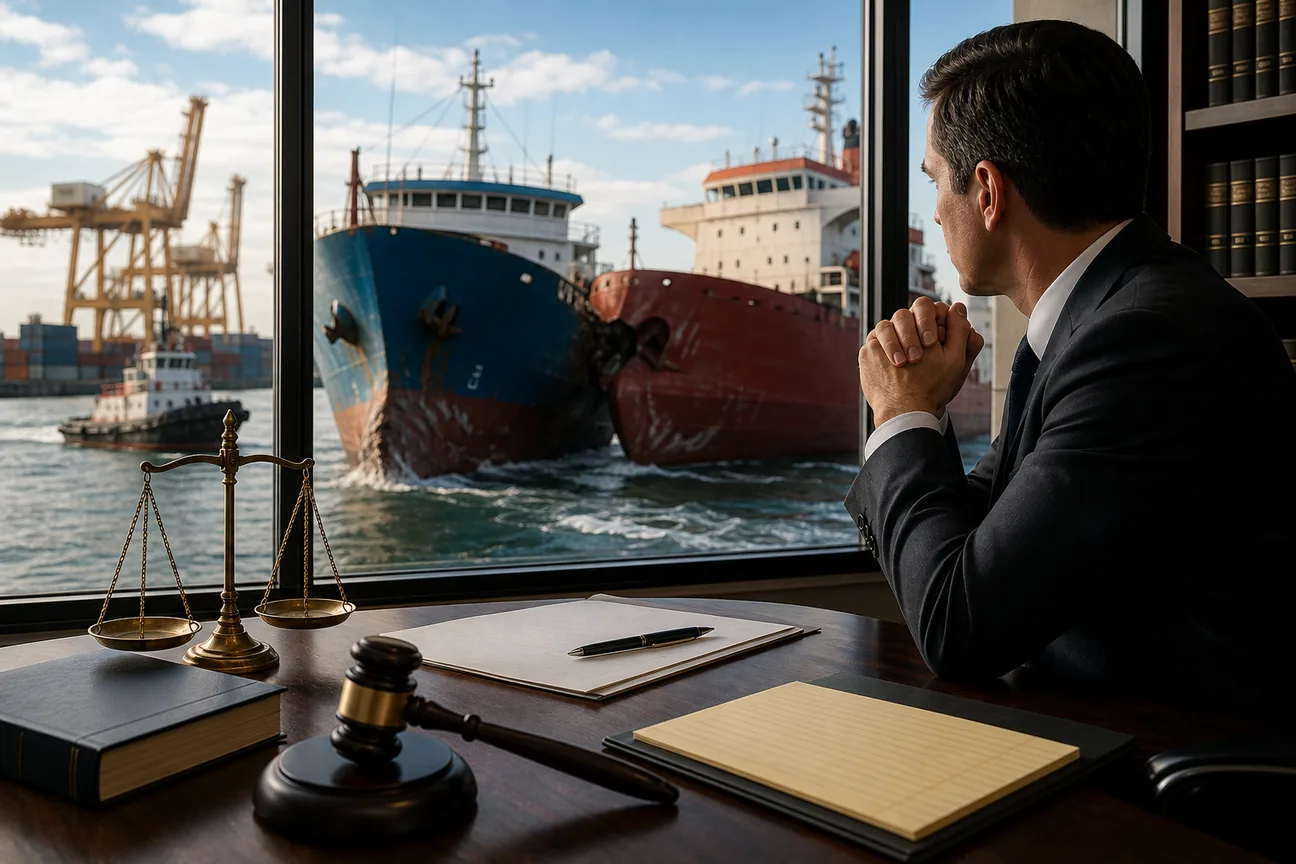
A collision, an injured crew member, and a cargo contract can all involve the same broad body of law. Admiralty law vs. maritime law is usually a difference in wording and focus, not two separate legal systems.
We analyzed 27 comments and questions from YouTube and Quora about admiralty versus maritime law and found that 37% asked about the applicable jurisdiction.
In U.S. practice, the terms often mean the same thing. Some writers use “admiralty” for wet disputes on the water and “maritime” for dry matters tied to shipping, but courts and statutes do not always follow that split.
How Admiralty Law and Maritime Law Relate
Both terms refer broadly to laws governing activity on navigable waters. That can include a vessel collision, a seafarer’s injury, a cargo claim, or a dispute over marine insurance. A case’s facts and the law that applies usually matter more than which label someone uses.
The terms have different histories. Admiralty law grew from courts that heard maritime cases, including English courts and courts in the American colonies. Maritime rules also grew from older trade customs. Early Mediterranean practices, including rules associated with Rhodes, helped shape ways to settle disputes at sea.
That history helps explain a shorthand distinction found in some legal writing. “Wet law” may refer to events involving activity on the water, such as salvage, collisions, towage, ship arrest, or maritime liens. “Dry law” may refer to shipping matters that often begin with a contract, such as carriage of goods, marine insurance, or labor terms.
But that wet-and-dry division is not a universal legal boundary. A cargo contract can concern goods aboard a ship, while a personal injury claim can involve both a worker’s job and the condition of a vessel. In U.S. law, “admiralty” and “maritime” are also used together in statutes that grant court jurisdiction.
Admiralty law generally concerns private maritime disputes, while the law of the sea concerns public legal relations between nations.
That is the key distinction to keep in mind: private shipping disputes are not the same as disputes between countries over ocean boundaries or navigation rights. A single event can raise questions under both kinds of law, but the legal claims and forums may differ.
Scope: The Disputes Each Term Can Describe
A maritime dispute may arise on a vessel, on navigable water, or from a contract tied to shipping. Courts look at the type of claim and its link to maritime activity. The label on a complaint does not decide the outcome.
Common disputes include:
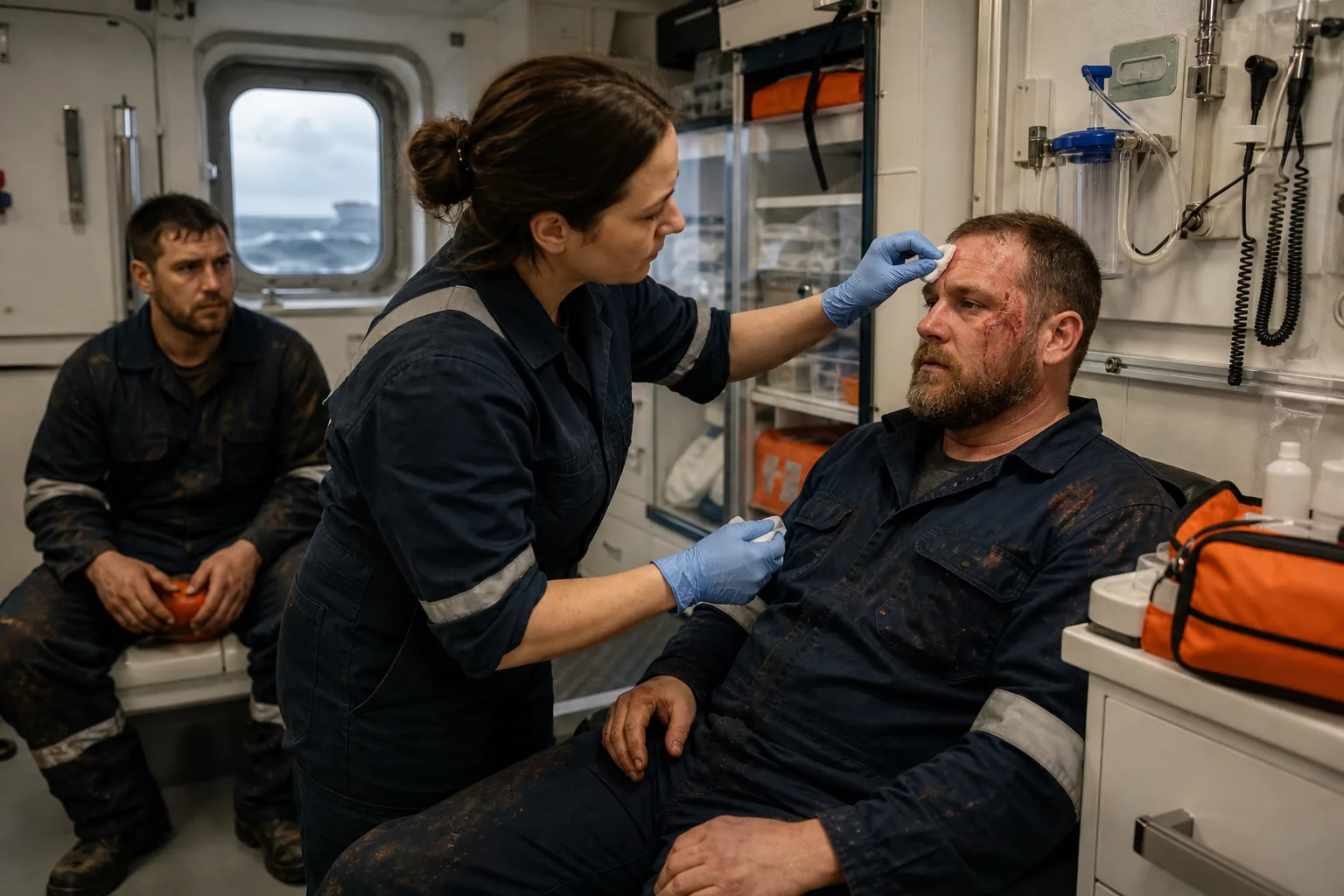
- Injury and death: Claims by crew members, passengers, or workers who load and unload cargo.
- Vessel events: Collisions, salvage work, towage, and damage to a ship or other property.
- Shipping deals: Disputes over cargo carriage, charter terms, wages, or marine insurance.
- Pollution and recovery: Claims after an oil spill, or disputes about the recovery of a vessel or property at sea.
Different laws can protect different groups. A seafarer may have a claim under the Jones Act, or may seek maintenance and cure after an injury. A longshore worker may fall under the Longshore and Harbor Workers’ Compensation Act. A passenger’s claim can turn on the vessel operator’s conduct and the terms of the passenger ticket.
Those examples do not mean every person on a ship has the same rights. A worker’s job duties, time aboard a vessel, location of an injury, and the facts around the event can change which rule applies. A passenger and a crew member hurt in the same incident may have different legal paths.
For instance, suppose cargo is damaged during a voyage and a crew member is hurt while moving it. The cargo owner may point to the shipping contract, while the crew member may raise an injury claim under a separate set of rules. Both disputes concern the same voyage, but they do not necessarily share the same legal test or remedy.
People often begin by sorting out the event itself. A guide to maritime accident types can help identify whether the facts involve an injury, a collision, or another vessel-related event. That first description is useful, but it cannot establish jurisdiction by itself.
The difference between admiralty law and maritime law becomes less important when both terms point to the same U.S. legal field. The claim type, the person affected, and the connection to navigable waters are more useful starting points.
Jurisdiction, Courts, and Procedure
In the United States, federal district courts have original jurisdiction over civil cases of admiralty or maritime jurisdiction. The statute also preserves other remedies available to a party. That provision is commonly called the “saving to suitors” clause.
The statute is available here.
The federal courts do not always have the only role. Under the saving-to-suitors clause, some claims may proceed in state court through a common-law remedy. The state court still applies the relevant federal maritime rules. So the court where a case is filed and the law that governs the claim are related questions, but they are not always identical.
Procedure can also differ from an ordinary land-based lawsuit. Some admiralty cases proceed against the vessel itself, rather than only against its owner. This is called an “in rem” action. A court may also have to decide whether a case belongs in a federal forum, whether another remedy is available, and whether a contract sets limits on where a dispute can be heard.
Here is a quick comparison of how the terms are often used. It is a guide to common usage, not a substitute for a court’s jurisdiction analysis.
| Question | Admiralty law | Maritime law |
|---|---|---|
| Common meaning | Often names the body of law for maritime activity. | Often names the same body of law. |
| Possible narrow usage | May refer to “wet” claims such as collision or salvage. | May refer to “dry” matters such as carriage contracts or insurance. |
| U.S. court jurisdiction | Federal district courts have original jurisdiction over civil admiralty cases. | The same statute covers civil maritime cases. |
| State court role | Some claims may use state court remedies under the saving-to-suitors clause. | State courts may hear certain maritime claims while applying federal maritime law. |
| International context | Private claims are generally heard in national courts. | International rules may affect the claim; public disputes between nations are a separate area. |
International maritime disputes need a separate look. Private claims between a shipowner and a cargo interest usually proceed in national courts, subject to the law and contract that apply. Disputes between nations about ocean rights belong to public international law. The United Nations Convention on the Law of the Sea is one framework for those issues, and some disputes may go before an international tribunal.
So a U.S. case involving a ship does not become an international tribunal matter simply because the vessel crossed a border. The parties, the claim, the contract, and the legal question help determine the forum.
Sources of Law and How the Rules Apply
Maritime rules come from more than one source. In a U.S. case, the court may apply federal statutes, general maritime law, court decisions, and relevant international agreements. Which source controls depends on the claim and the facts.
For injury claims, the Jones Act and the Longshore and Harbor Workers’ Compensation Act are examples of statutes that address different groups of workers. A seafarer’s claim may raise questions under the Jones Act. A worker injured while loading cargo on shore may be covered by a different law. These categories turn on legal status and work duties, not only on whether the injury happened near a ship.
Shipping contracts can bring other rules into play. A cargo claim may depend on the terms of carriage and the statute governing the shipment. Marine insurance disputes may turn on the policy language as well as maritime principles. An injury claim may also involve general maritime doctrines, such as maintenance and cure for an injured seafarer.
International agreements can matter when a voyage or contract crosses borders. A court may need to consider which country’s law applies and whether a treaty affects the claim. Treaties and other primary legal materials, including sources for countries outside the United States, may be relevant. See the maritime law research guide.
History explains why these sources can sit side by side. U.S. admiralty jurisdiction grew from English court practice and the early federal courts. Over time, American courts also applied maritime principles to matters such as marine insurance, carriage contracts, and injuries on navigable waters. The result is a field shaped by statutes and court decisions, not a single code that answers every question.
A useful distinction is between the rule that creates a right and the rule that controls how a claim proceeds. A statute may define who can bring an injury claim. Court procedure then governs how the parties present that claim. Federal civil procedure rules include rules for civil cases, while admiralty matters can also involve specialized procedures.
When Each Term Is More Useful: What to Do Next
“Admiralty law” is often the clearer term when discussing court jurisdiction or a claim tied to a vessel, such as salvage or a collision. “Maritime law” is often broader in everyday use, especially when discussing shipping, labor, insurance, or rules that cross national borders.
That is a language choice, not a reliable way to predict the result. A contract dispute can still fall within admiralty jurisdiction. A personal injury case can involve a statute, general maritime law, and procedural rules at once.
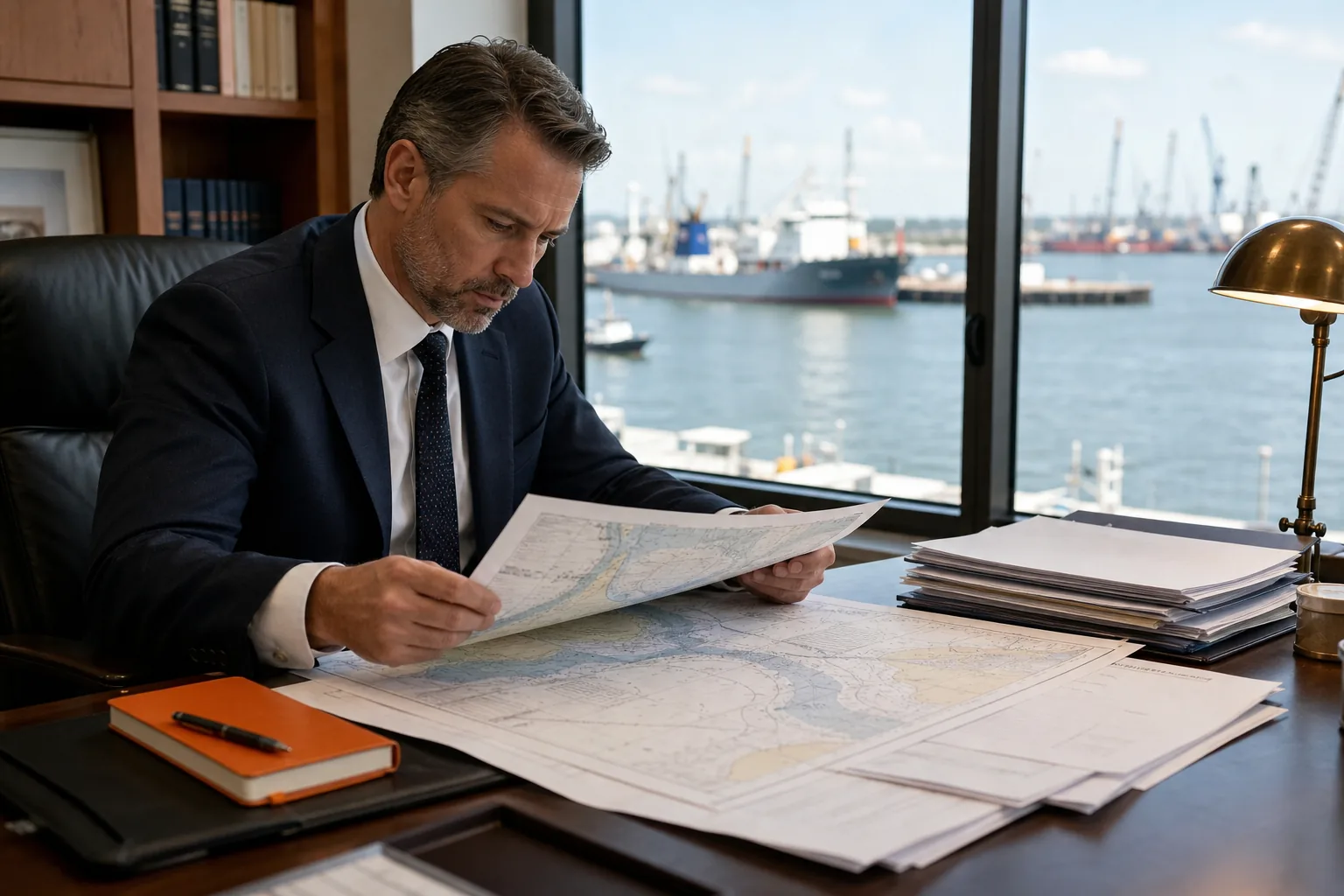
For an early assessment, write down what happened in plain terms. Note where the event took place, what the vessel was doing, who was involved, and whether the dispute concerns an injury, cargo, a contract, or property. If someone was hurt, keep records of the job and the treatment. If goods were damaged, preserve the shipping documents and notices tied to the shipment.
Then ask which legal questions need answers. Does the claim concern navigable water or a vessel? Is there a statute for this worker or type of loss? Does a contract set a forum or deadline? Could a state court remedy be available? Those questions help frame the issue, but they do not replace a case-specific legal review.
The distinction also helps when you speak with a lawyer. Describe the event before choosing a legal label. A lawyer can then assess jurisdiction, the likely source of law, and any filing or notice terms that may apply.
For readers preparing to speak with counsel, maritimeattorney.ai has information about interview questions for a maritime injury claim attorney and how to compare fee plans. Use that material to prepare questions, then ask a lawyer to assess the facts of your own matter.
Neither label alone tells you where a case belongs. The best next step is to preserve the records and get the facts reviewed before deadlines or contract terms shape your options.
FAQ
Are admiralty law and maritime law the same thing?
Usually, yes, especially in U.S. legal use. Both terms commonly refer to law governing activity on navigable waters. Some writers use “admiralty” for claims tied directly to events on the water and “maritime” for shipping or labor matters, but that distinction is not a fixed rule across courts.
What kinds of cases fall under admiralty or maritime law?
They can include vessel collisions, salvage claims, cargo damage, marine insurance disputes, and injuries to crew members or passengers. Pollution claims and disputes over shipping contracts may also raise maritime issues. The exact legal rules depend on the claim, the parties, and the connection to a vessel or navigable water.
Do maritime cases always go to federal court?
No. Federal district courts have original jurisdiction over civil admiralty and maritime cases, but the saving-to-suitors clause preserves some other remedies. Certain claims may proceed in state court, where the court applies federal maritime law. The right forum depends on the type of claim and the remedy sought.
Is maritime law the same as the law of the sea?
No. Maritime law often concerns private disputes involving vessels, crews, cargo, or shipping contracts. The law of the sea concerns legal relations between nations, such as ocean rights and jurisdiction over coastal waters. International agreements may shape those issues, and some disputes between nations can go to international tribunals.
What should I do if I don’t know which law applies?
Start by recording what happened, where it happened, who was involved, and what the dispute concerns. Keep relevant work records, contracts, tickets, incident reports, or cargo papers. Then ask a maritime lawyer to review the facts and identify the possible forum, governing rules, and any notice or filing deadlines.
Conclusion
In most U.S. matters, admiralty and maritime law are overlapping names for the same field, while the wet-and-dry distinction is only a guide. Preserve the relevant records and ask a maritime lawyer to assess the claim’s facts, forum, and deadlines. maritimeattorney.ai can help you prepare questions before that conversation.