Maritime Injury Attorney for Ship Collision Claims
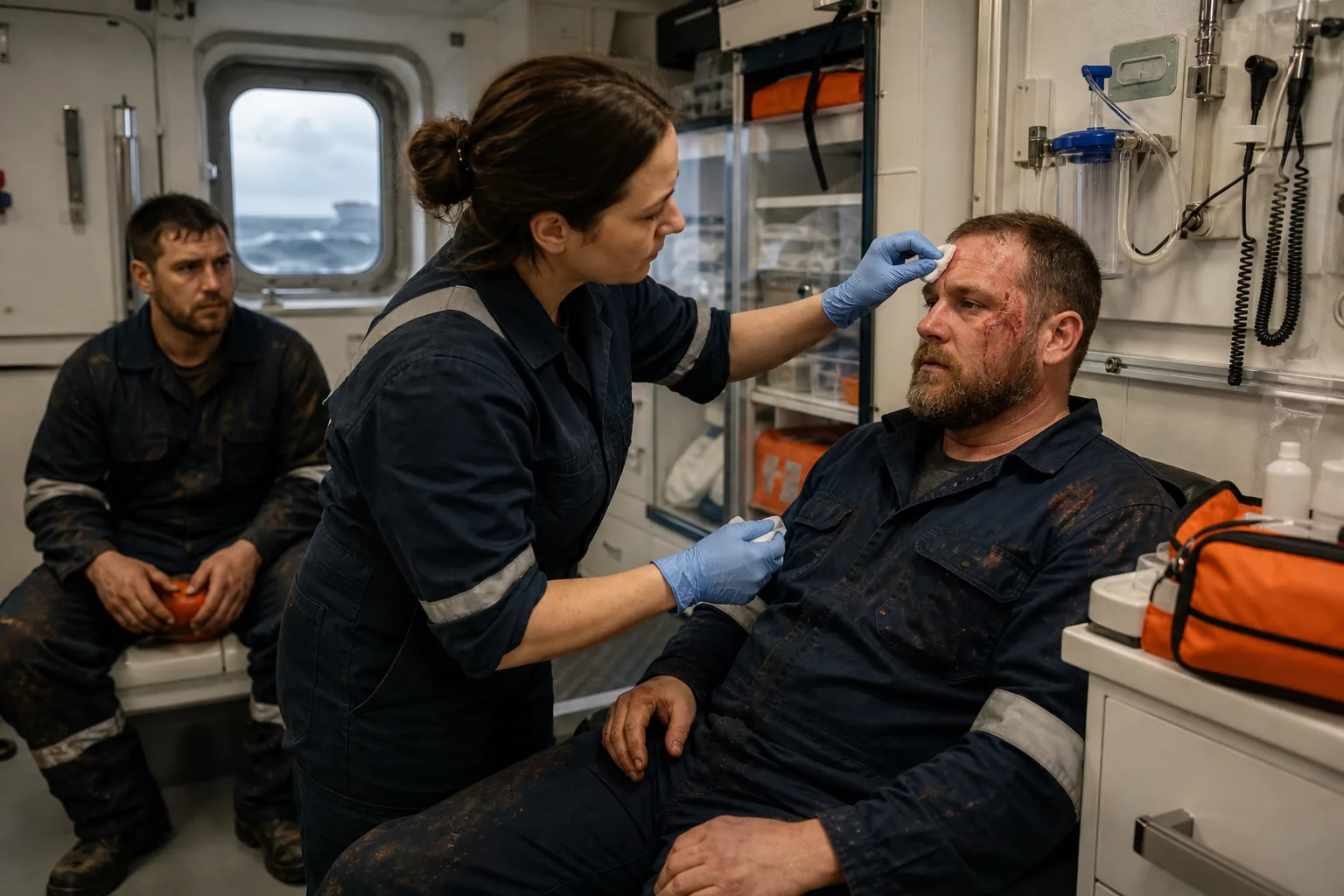
A ship collision can leave you hurt, far from home, and unsure who is responsible. A maritime injury attorney for ship collision claims can help sort out the law and evidence, but there are steps you can take now to protect your health and your claim.
Start with medical care and a clear record of what happened. Then find out which maritime rules may apply before you sign papers or discuss a settlement.
Step 1: Get Medical Care and Report the Collision
Get checked as soon as you can, even if you think you can work through the pain. A collision can cause injuries that are not obvious at first. Tell the medical team exactly what hurts and when the symptoms began. If your condition changes later, report that too.
If you are aboard a passenger ship, the medical team may be able to assess and stabilize you, but a ship’s clinic is not the same as a hospital ashore. Some care may need to wait until the next suitable port. Ask for a copy of your visit notes and any treatment instructions. Keep receipts for care you pay for yourself.
Report the collision and injury to the vessel’s master, supervisor, or the proper ship contact as soon as you safely can. Give a plain account of what happened. Ask how the report will be recorded, and keep a copy if you can get one. Do not guess about the cause or agree to wording that does not match what you saw.
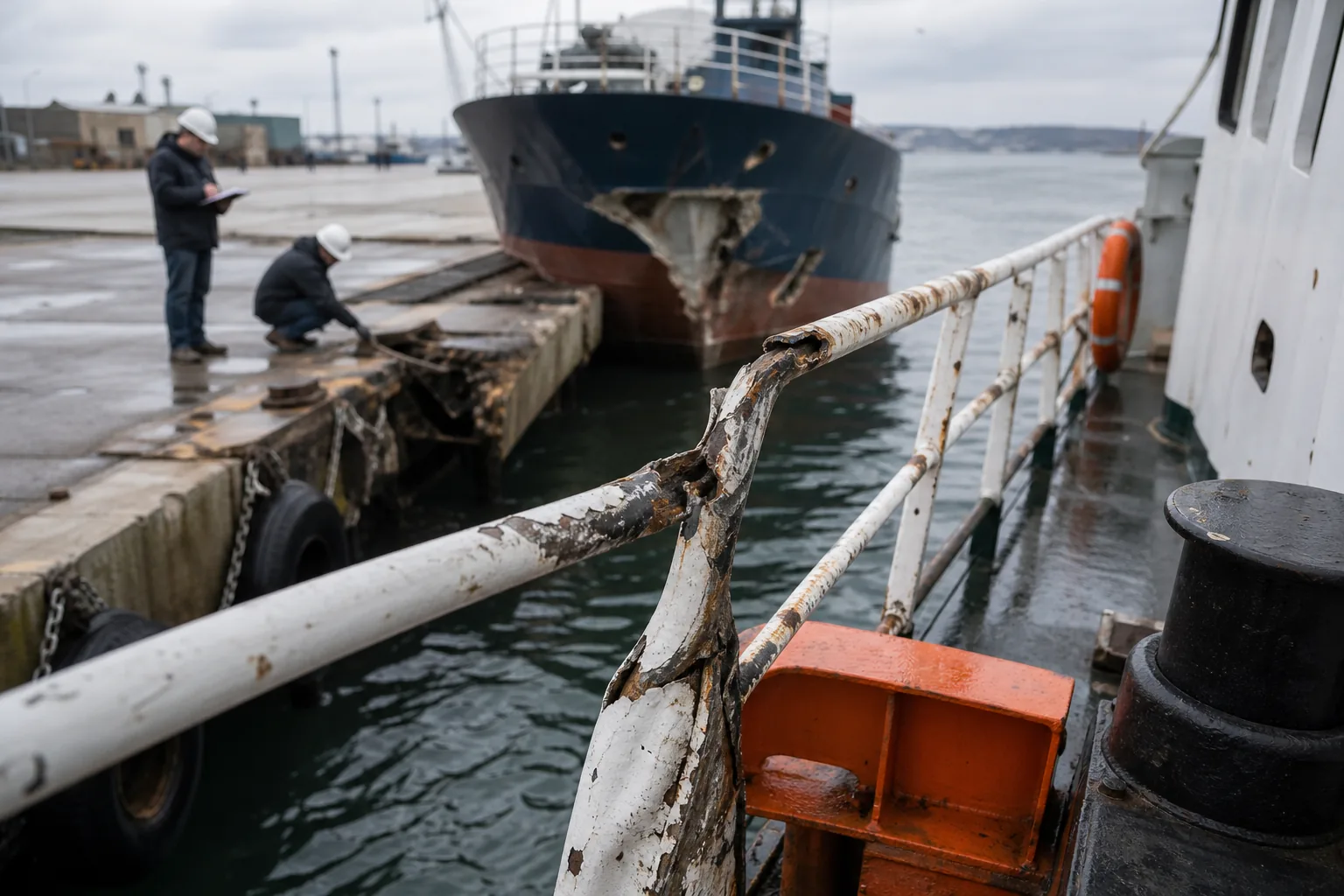
A collision is when vessels strike one another. An allision is when a moving vessel strikes a fixed object, such as a dock or bridge. The difference may shape the investigation and the parties involved. The main maritime accident types can help you name what happened without deciding fault on your own.
By now you should have: a medical record, a report to the vessel, and a note of the date, time, location, and people involved. If you cannot do these tasks yourself, ask someone you trust to help.
Step 2: Preserve Evidence Before It Disappears
Write down your own account while the details are fresh. Note the vessel’s location, weather and visibility as you recall them, what each ship was doing, and when the impact happened. Separate what you saw from what someone else told you. That simple distinction can matter later.
Save photos or video you already have. If it is safe, document visible damage and the area where you were hurt. Do not put yourself at risk to get a picture, and do not alter or crop the only copy. Keep original files and make a separate backup.
- Record witness names and how to reach them, if they are willing to share.
- Save work schedules, travel records, messages, and any incident paperwork you receive.
- Keep medical bills, receipts, and notes about time missed from work.
- Write down the names of vessels and companies, along with any identifying details you can safely note.
Some useful records may be controlled by a shipowner or another company. These can include bridge logs, voyage data, vessel tracking records, maintenance files, and crew statements. You may not be able to get them yourself. Make a note of what records might exist, then ask an attorney promptly about sending a written request to preserve them.
A collision investigation may also look at navigation decisions. The International Regulations for Preventing Collisions at Sea, often called COLREGS, set rules for vessels at sea. A legal team may compare those rules with the course, speed, lookout, and communications shown in the available evidence. The rules do not decide a case by themselves. Investigators still need reliable records and expert analysis of the event.
Keep every version of a statement you are asked to sign. Read it first, ask for time to review it, and do not sign if it is inaccurate or you do not understand it. A maritime injury attorney can help identify which records to request and how to protect evidence before routine retention practices remove it.
Step 3: Identify Which Maritime Injury Rules May Apply
The right legal path depends on your role, where the collision happened, and how your work relates to a vessel. A crew member, dock worker, and passenger may face different rules even when the same impact injured them.
A qualifying seaman may bring a negligence claim under the Jones Act against an employer. A separate general maritime law claim may involve unseaworthiness, which concerns whether a vessel or its equipment was fit for its intended use. A seaman may also have rights to maintenance and cure, which can cover living support and medical care while recovering. The Jones Act is part of federal law; see the Jones Act overview for its basic statutory context.
Some workers who are not seamen may fall under the Longshore and Harbor Workers’ Compensation Act. It can cover certain workers injured on navigable waters or adjoining areas such as docks and terminals. The Longshore and Harbor Workers’ Compensation Act has its own coverage rules, so a job title alone does not settle the question.
Admiralty jurisdiction is the court’s authority to hear certain cases tied to navigable waters and maritime activity. A collision in U.S. waters may raise different issues from an incident involving a foreign-flag vessel or a location outside U.S. waters. In an international case, the vessel’s flag, the location, the parties’ ties to a country, and contract terms may all affect which law or court applies. Do not assume that a familiar U.S. rule controls.
Also ask whether a fixed structure was struck, whether a vessel was unfit, or whether rescue or salvage work changed the scene. If someone died, the family may need advice about a maritime wrongful-death claim. The Seaman’s Manslaughter Statute may apply to some fatal incidents, but it is a criminal statute, not a personal injury damages claim. A lawyer can help separate those issues from the civil case.
Step 4: Speak With a Maritime Injury Attorney Promptly
A maritime injury attorney can investigate how the collision happened, identify potentially responsible parties, and match the facts to the legal rules. That work may involve comparing witness accounts with vessel records, assessing whether navigation rules were followed, and looking at whether unsafe equipment or conditions contributed to the injury.
Timing matters. Evidence can be lost, crew members can move to other vessels, and legal deadlines differ by claim type. The Jones Act generally has a three-year filing period, but that does not mean every maritime claim gives you that long. A passenger ticket or other contract may set a shorter notice period. Ask a lawyer to check the exact deadline for your situation rather than relying on a broad rule.
Bring what you have, even if it is incomplete. A short timeline can help an attorney see what questions need answers. Include the collision date and place, your role aboard or near the vessel, the medical care you received, and any contact from a company or insurer. You do not need to solve the case before asking for a review.
Use the first conversation to test the lawyer’s plan. Ask who would investigate the collision, what records they would seek, how they would assess the law that applies, and how often you can expect updates. Ask about fees and case costs in plain terms. Writing your maritime injury claim attorney interview questions down beforehand can help you prepare for that discussion.
Match the lawyer’s work to your case. A collision involving an offshore crew member may raise different questions from a passenger injury at a harbor. Published results from other cases can give context, but they do not predict your recovery.
Choose someone who can explain the next move without promising an outcome. You should leave the conversation knowing what evidence matters, which deadlines need checking, and what happens next.
Step 5: Track the Claim and Review Any Settlement Carefully
Keep a simple claim file from the start. Save medical records, bills, wage documents, correspondence, and copies of any forms you submit. Add a short note after each important conversation, including who spoke, when it happened, and what they said they would do. This makes it easier to spot missing records or a stalled request.
Potential compensation depends on the law and evidence. A claim may seek payment for medical costs and lost wages. In some cases, pain and suffering may be considered. A fatal collision may lead to a wrongful-death claim by eligible family members. The available damages are not the same for every worker or passenger, and different statutes can set different limits or remedies.
Factors that can affect a claim include the seriousness of the injury, expected future care, time away from work, the strength of the proof, and each party’s share of fault. If the collision involved more than one vessel, responsibility may be disputed among several parties. A damaged vessel or cargo can also bring separate property or salvage questions into the same event. Keep those issues distinct from your injury claim.
Before considering an offer, ask what it covers and what rights you would give up by accepting it. Check whether the amount accounts for ongoing care, missed income, and any liens or reimbursement claims. A settlement can close claims for future losses, so do not judge it only by the amount you would receive now.
Case length varies. Clear responsibility and a settled medical picture can make a claim easier to assess. Disputed fault, serious injury, or multiple defendants can add work. A case may resolve through talks or proceed to court. Your attorney should explain what is still unknown and what evidence could change the claim’s value. Maritimeattorney.ai also has information on the settlement process after a vessel collision, including evidence, liability, damages, and negotiations.
Frequently Asked Questions
Who can be held responsible for a ship collision injury?
Responsibility may rest with one vessel, more than one vessel, an employer, or another party, depending on the facts. Investigators may examine lookout, speed, course changes, communications, and vessel condition. A collision report alone may not settle fault. A lawyer can compare records with witness accounts and the navigation rules that applied.
What compensation can I seek after a maritime collision?
Depending on the law that covers you, a claim may seek medical costs and lost wages. Some claims may also include pain and suffering. Families may have a wrongful-death claim after a fatal collision. The available recovery depends on your role, the injury, the evidence, and the law that applies, so no single list fits every case.
How long do I have to file a maritime injury claim?
The deadline depends on the claim and the documents tied to your trip or work. Jones Act claims generally have a three-year filing period, but some passenger contracts set shorter notice or filing deadlines. Other maritime claims follow different rules. Have an attorney check your deadline promptly, because waiting for symptoms or negotiations to end can put your rights at risk.
What if the ship that hit me flew a foreign flag?
A foreign flag can affect which law or court applies, but it does not answer the question by itself. The collision location, vessel owner, employer, contract terms, and parties’ ties to a country may matter. Preserve your documents and seek legal advice early, especially if the incident happened outside U.S. waters or involved an international voyage.
Conclusion
Get medical care, report the collision, and keep every record you can. Then speak with a maritime injury attorney promptly so deadlines and evidence can be reviewed before they become harder to address. A clear timeline is a useful first step: write down what happened, when it happened, and who was there.