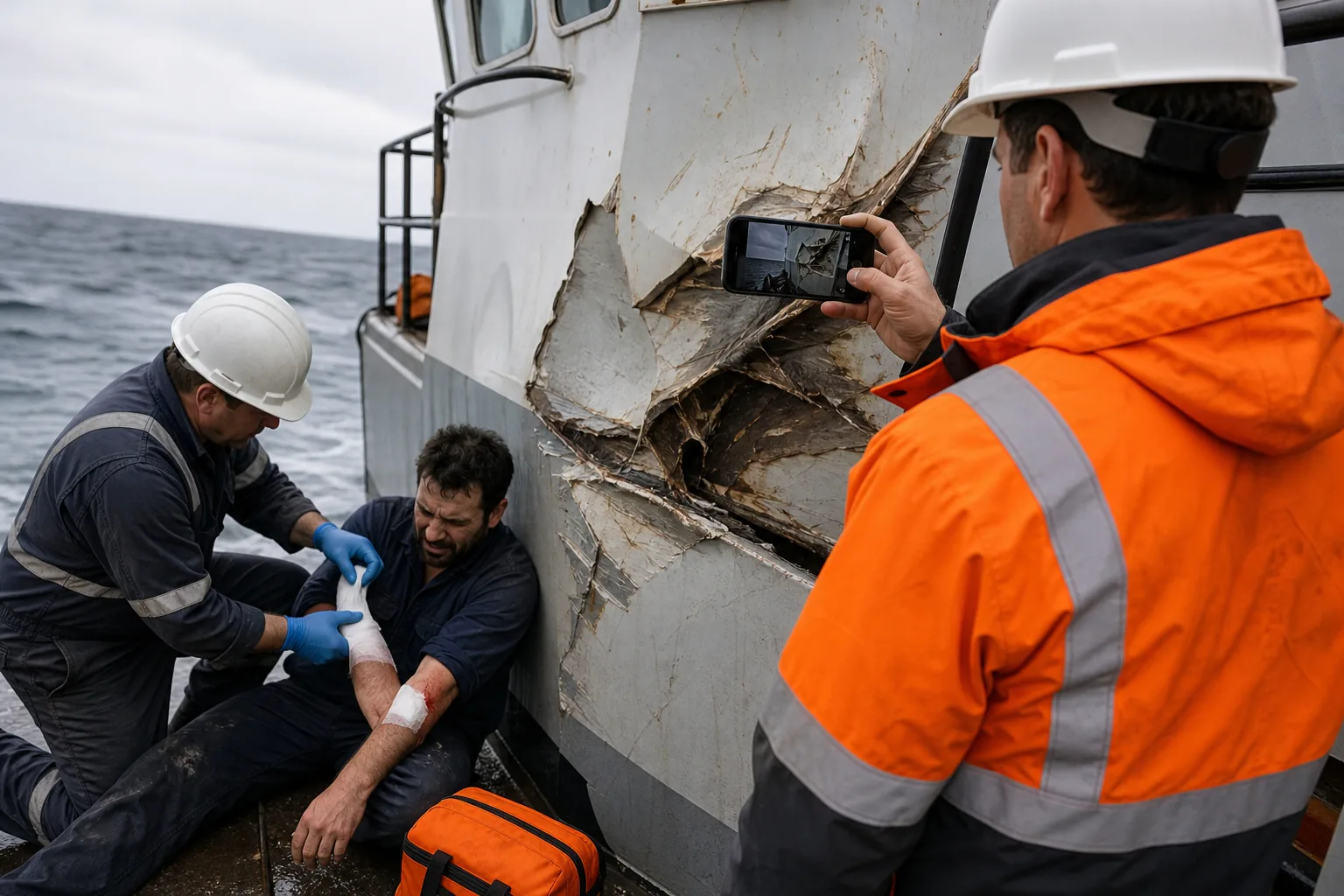
How to Handle a Slip and Fall on Cruise Ship in 2026
Slip and fall on cruise ship injuries happen more often than most travelers think. One misstep on a wet deck can turn a dream vacation into a medical nightmare. In this guide you’ll learn the exact steps to protect your health, keep solid evidence, and boost your chance of getting fair compensation.
We’ll walk through seven practical steps, show you where to find the right forms, and tell you why a maritime lawyer matters. By the end you’ll feel ready to act fast and stay in control.
Step 1: Secure the Scene
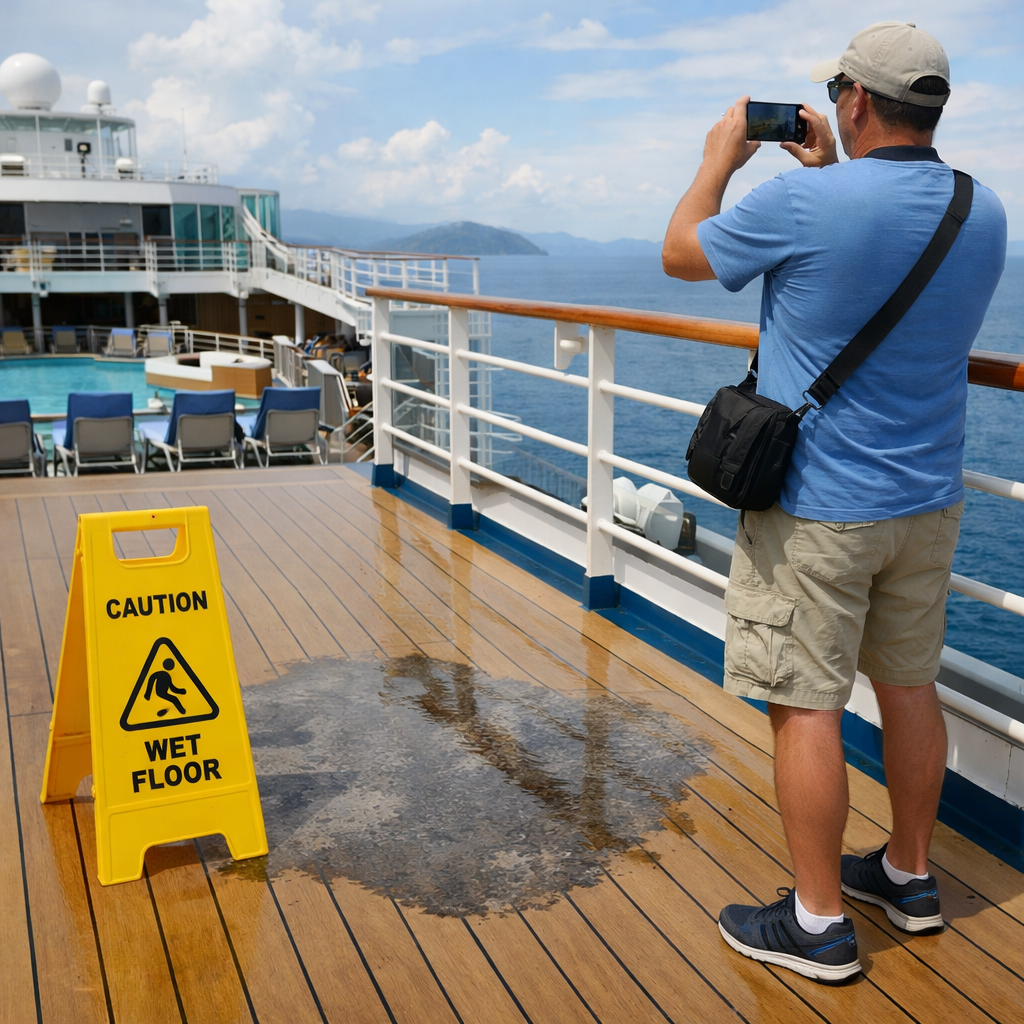
The first thing you do after a slip and fall on cruise ship is to make sure the hazard stays where it is. If the floor is still wet, ask a crew member to put a “wet floor” sign down right away. If you can, block the area with a chair or a towel so no one else slides.
Why this matters: Cruise lines can argue that the danger was gone before you reported it. By keeping the spot marked, you create a clear record that the condition existed at the time of your injury.
Here’s a quick checklist you can follow on the spot:
- Ask staff to place a warning sign.
- Take a photo of the wet spot before it’s cleaned.
- Note the exact location (deck name, near the pool, etc.).
- Request that a crew member write down the time the hazard was first seen.
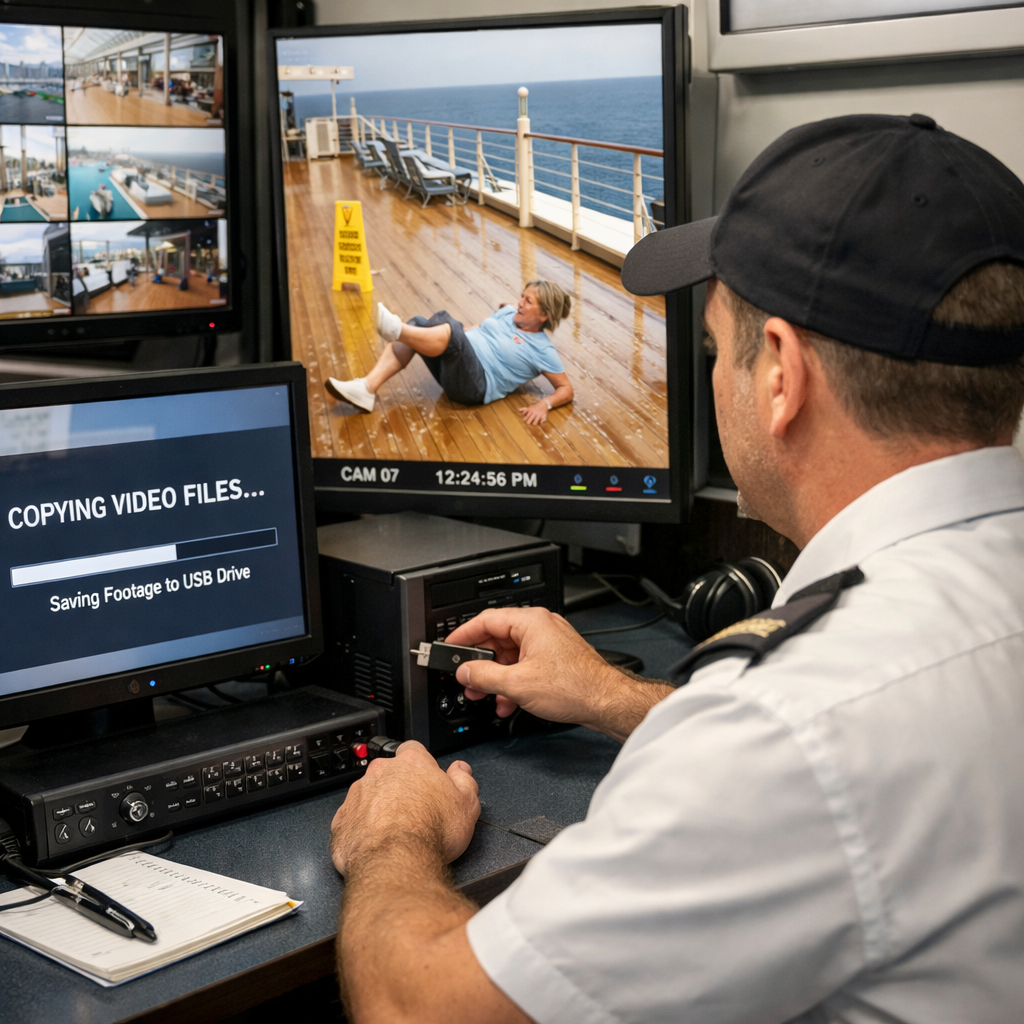
Keeping the scene intact also helps investigators later. Surveillance cameras often capture the area, but the footage can be overwritten if you wait too long.
Bottom line: Preserve the hazard and get a visible warning right away to lock in proof.
Step 2: Document the Incident
Good documentation is the backbone of any slip and fall on cruise ship claim. The more you can prove what you saw, the harder it is for the cruise line to say the danger was “open and obvious.”
Start by snapping clear photos of three things: the wet area, any missing or broken signage, and your injuries. Use your phone’s timestamp feature so the date and time are automatically recorded.
Next, write a short narrative while the memory is fresh. Include the deck name, the weather (was it rainy?), and any sounds you heard (e.g., a cleaning cart passing by).
Don’t forget to collect witness info. Ask nearby passengers for their name, phone, and a brief statement of what they saw. Even a quick “I saw the water on the deck” note can be powerful.
After you’ve gathered the basics, request a copy of the ship’s incident report. Crew members are required to fill one out, but they may downplay the issue. Having your own copy ensures you have the exact wording.
According to Perkins Law Offices, early evidence collection dramatically improves the odds of a successful claim because it prevents the cruise line from erasing or altering records.
Store all files in a dedicated folder on your phone and back them up to a cloud service when you dock.
Bottom line: Document every detail while it’s fresh; a solid paper trail is worth more than a vague memory.
Step 3: Seek Medical Attention
Even if you feel fine after a slip and fall on cruise ship, you should see the ship’s infirmary right away. Some injuries, like a sprained ankle or a concussion, can worsen without proper care.
When you get to the medical bay, describe the incident in plain terms. Tell the nurse how you fell, what you hit, and any pain you feel now. Ask for a written medical note that links your symptoms to the fall.
If the ship’s staff suggests you wait until you reach shore, politely insist on a doctor’s assessment. Delaying care can give the cruise line a reason to claim your injuries weren’t serious.
After you disembark, follow up with a local doctor. Keep all receipts, prescriptions, and imaging reports (X‑rays, MRIs). These records become critical evidence of the injury’s severity and its ongoing impact.
For more on why early medical care matters, see the guidance from Romanow Law Group. They note that cruise insurers often push for quick settlement offers before the full medical picture emerges.
Keep a symptom journal for the first few weeks. Note pain levels, mobility limits, and any medication you take. This journal can be used by a medical expert later to show the lasting effects of the slip and fall.
Bottom line: Get professional medical care immediately and keep every record; your health and your claim both depend on it.
Step 4: Report to the Cruise Line
After you’ve secured the scene and seen a doctor, you must file an official report with the cruise line. This step is required by most passenger contracts and starts the legal clock.
Approach the guest services desk and ask for the “Accident Report Form.” Fill it out with as much detail as possible. Include the exact time, location, and a brief description of the hazard.
Ask for a copy of the completed form before you leave the ship. If the staff refuses, take a photo of the form and the signature line.
Under U.S. maritime law, passengers have a one‑year deadline to file a lawsuit, but many cruise lines tighten that window to six months. The statutory limit is set out in 46 U.S.C. § 30508, which makes prompt reporting essential.
When you hand in the report, request that the crew write down the name of the staff member who took it. That name can later help you prove the report wasn’t altered.
"The best time to start building a claim is the moment you report the injury to the cruise line."
Bottom line: File the ship’s incident report immediately and keep a personal copy to lock in the official record.
Step 5: Collect Evidence
Beyond photos and the incident report, you should gather any other proof that shows the cruise line’s negligence.
Start with the ship’s security footage. Ask the security officer to preserve the video that captured your slip. Do it within 48 hours; otherwise the files may be overwritten.
Next, obtain the ship’s maintenance logs for the area where you fell. These logs can reveal whether the crew had prior complaints about wet decks or broken railings.
Don’t forget the medical records from the onboard infirmary. The ship’s nurse notes are a key piece of evidence that ties your injury directly to the incident.
Finally, collect any receipts for expenses you incur because of the fall, like a taxi to a local hospital, medication, or a wheelchair rental. Keep these receipts in a separate folder labeled “Expenses.”
All of this evidence creates a timeline that shows the hazard existed, you reported it, and the cruise line failed to act.
Bottom line: Preserve video, logs, medical notes, and expense receipts; each piece adds weight to your claim.
Step 6: Notify Your Travel Insurance
Most travelers have a travel insurance policy that covers medical expenses and trip interruption. Let your insurer know about the slip and fall on cruise ship as soon as possible.
Call the claims hotline and give them the incident date, a brief description, and the policy number. Ask what documents they need, usually the ship’s incident report and your medical records.
Be honest about the injury’s severity. Overstating symptoms can lead to a denied claim, while understating them may reduce the payout.
Many policies have a 30‑day filing window for medical claims. Missing this deadline can void coverage, so set a calendar reminder.
While you wait for the insurer’s decision, continue to collect evidence and keep up with medical treatment. The insurer may ask for additional proof before they approve the claim.
Bottom line: Alert your travel insurer quickly and supply all requested documents to avoid losing benefits.
Step 7: Consult a Maritime Personal Injury Lawyer
Maritime law is different from the personal injury rules you see on land. A specialized lawyer knows how to handle the forum‑selection clauses in your ticket, the one‑year filing deadline, and the federal statutes that apply.
Look for an attorney with a proven track record in cruise ship cases. They should be able to explain the duty‑of‑care standard, how to obtain surveillance footage, and how to negotiate with the cruise line’s legal team.
During the first call, the lawyer will ask for the evidence you’ve already gathered, photos, reports, medical records. They will also discuss the likely value of your claim, which can include medical costs, lost wages, and pain and suffering.
One firm that consistently handles these cases is highlighted in Your Complete Guide to a Cruise Ship Accident Lawyer. Their experience with federal admiralty courts can make the difference between a small settlement and a multi‑million award.
Most maritime lawyers work on a contingency basis, meaning you pay nothing unless they win. This removes the upfront cost barrier and lets you focus on recovery.
Schedule a free consultation within two weeks of your injury. The sooner you involve counsel, the faster they can request preservation of video footage and prevent the cruise line from destroying evidence.
Bottom line: Get a maritime personal injury lawyer on board early to protect your rights and maximize compensation.
Conclusion
Dealing with a slip and fall on cruise ship can feel overwhelming, but the steps above give you a clear roadmap. Secure the hazard, document everything, get prompt medical care, file the ship’s report, gather all evidence, notify your insurer, and bring in a maritime lawyer. Each action builds a stronger case and keeps the cruise line from slipping away with your claim.
If you’re ready to protect your rights, start by contacting a qualified cruise ship injury attorney today. Their expertise can turn a painful accident into a fair settlement.
FAQ
What should I do if I slip and fall on cruise ship but no one saw me?
Even if no one witnessed the fall, you still need to report it to the crew and fill out the incident form. Take photos of the spot, note the time, and ask for a copy of the report. Then seek medical attention and keep a detailed symptom journal. These steps create a paper trail that can substitute for witness statements.
Can I file a claim if the cruise line’s crew cleans the wet floor right after I fall?
Yes. The key is to show that the hazard existed before the crew acted. Take a photo or video the moment you notice the wet area, request that the crew note the time they cleaned it, and keep the crew member’s name on the incident report. This shows the line had notice of the danger.
How long do I have to file a lawsuit after a slip and fall on cruise ship?
Federal maritime law gives you one year to file a lawsuit, but many cruise line contracts require a written notice within six months. Check your ticket’s fine print and act quickly. Missing these deadlines can bar you from recovering any compensation.
Do I need a doctor’s note from the ship’s infirmary?
A ship’s medical note is vital because it links your injury directly to the incident. It also serves as early evidence that the cruise line acknowledged the injury. If you later see a shore‑side doctor, keep both sets of records; together they strengthen your claim.
What if the cruise line offers a quick settlement?
Be cautious. Quick offers are often low because the insurer hasn’t seen the full medical picture. Let a maritime lawyer review the offer before you sign anything. They can negotiate a higher amount that reflects future treatment costs and pain.
Can I claim for lost vacation time?
Yes. If your injury forces you to miss scheduled activities or cut the cruise short, you can claim lost enjoyment and any prepaid expenses you can’t recover. Keep receipts for any tours, shows, or excursions you had to cancel.