Top Maritime Expert Witness Resources Guide 2026
Need a solid base to land expert work on the high seas? The right resources can turn a good witness into a great one. In this guide you’ll learn where to find associations, certifications, directories, case‑study libraries, and report‑writing tools that every maritime expert witness should know. We’ll walk through each option step by step, so you can start using them right away.
Professional Associations for Maritime Expert Witnesses
Being part of a professional body tells courts and lawyers you’re serious about your craft. It also gives you a network of peers you can call on for advice or joint opinions.
The UK Register of Expert Witnesses lists every maritime works specialist who has signed up. You can search the register by name, region, or specialty. The list is free to browse, but you need to create an account to see full profiles. The UK Register of Expert Witnesses is a handy first stop for anyone looking to verify credentials or find a peer.
Another key group is the Nautical Institute. Their 2022 guide, "Guidelines for the Maritime Expert Witness," costs £72 for non‑members and £50.40 for members. The book walks you through the whole dispute process, from the first report to the final arbitration. It even has a chapter on how to move from expert to arbitrator, which can open new revenue streams.
"The best time to start building backlinks was yesterday."
Members of the Nautical Institute also get access to webinars, regional meet‑ups, and a private forum where you can ask seasoned experts about tricky cases. The forum is a gold mine for real‑world tips that you won’t find in any textbook.
Beyond the UK, look for global bodies like the International Association of Marine Consultants (IAMC). They host an annual conference where you can meet lawyers from the US, Canada, and the Middle East. Those connections often turn into paid expert engagements.
Bottom line: Join at least one maritime association to boost credibility and gain access to a supportive professional network.
Certification Bodies and Training Programs
There’s no single degree that makes you a maritime expert witness, but certain certifications signal that you’ve met a high bar of knowledge and ethics.
The Institute of Marine Engineering, Science and Technology (IMarEST) runs a short course titled "How to become a maritime expert witness." The module stresses methodical work, reading rules, and staying impartial. It also stresses that the duty of the expert is to help the court, not the hiring lawyer.
Training isn’t just a one‑off event. You need to keep your skills fresh. IMarEST recommends logging any new skill on the My IMarEST portal. That way, when a lawyer asks for proof of recent training, you have a ready‑made record.
Another option is the Certificate in Marine Consultancy offered by Informa Connect. The program runs 16 weeks, both on‑demand and scheduled, and lets you study at your own pace. It covers accident investigation, salvage law, and how to write a clear expert report.
When you finish a program, you get a digital badge you can add to your LinkedIn profile. That small visual cue often convinces a solicitor to give you a call before they even read your CV.
Most certifications also include a mock cross‑examination. That practice is priceless because it shows you how to stay calm when a lawyer tries to trip you up.
Bottom line: Choose a recognized certification and keep your knowledge current to stay competitive.
Legal Directories and Expert Witness Marketplaces
Law firms often start their search for a maritime expert witness on a directory. A well‑populated directory saves them time and gives you exposure.
Law.com’s maritime law directory lists over 15,000 expert profiles across the United States. The site lets you filter by specialty, location, and hourly rate. It’s a good place to list your services with a concise bio and a link to a sample report.
JurisPro runs a similar portal that focuses on transportation safety, including maritime. You can limit the search to a state, which is handy if you only work in certain jurisdictions.
When you create a profile, use clear language. Avoid buzzwords. Instead of "provides complete analysis," write "examines ship logs and explains findings in plain English."
Directories often allow you to upload a short video intro. That personal touch can set you apart from a list of credentials.
Many platforms also rank experts by client feedback. Positive reviews from attorneys can boost your visibility dramatically.
Bottom line: Keep your directory listings up‑to‑date and use plain language to attract more case work.
Case Study and Research Repositories
When you build an opinion, you need solid references. Repositories let you pull in past decisions, technical papers, and industry standards.
JurisPro’s marine‑engineering page lets you find experts who specialize in ship design, turbine control, and power systems. Each profile links to publications and past cases, giving you a ready‑made bibliography.
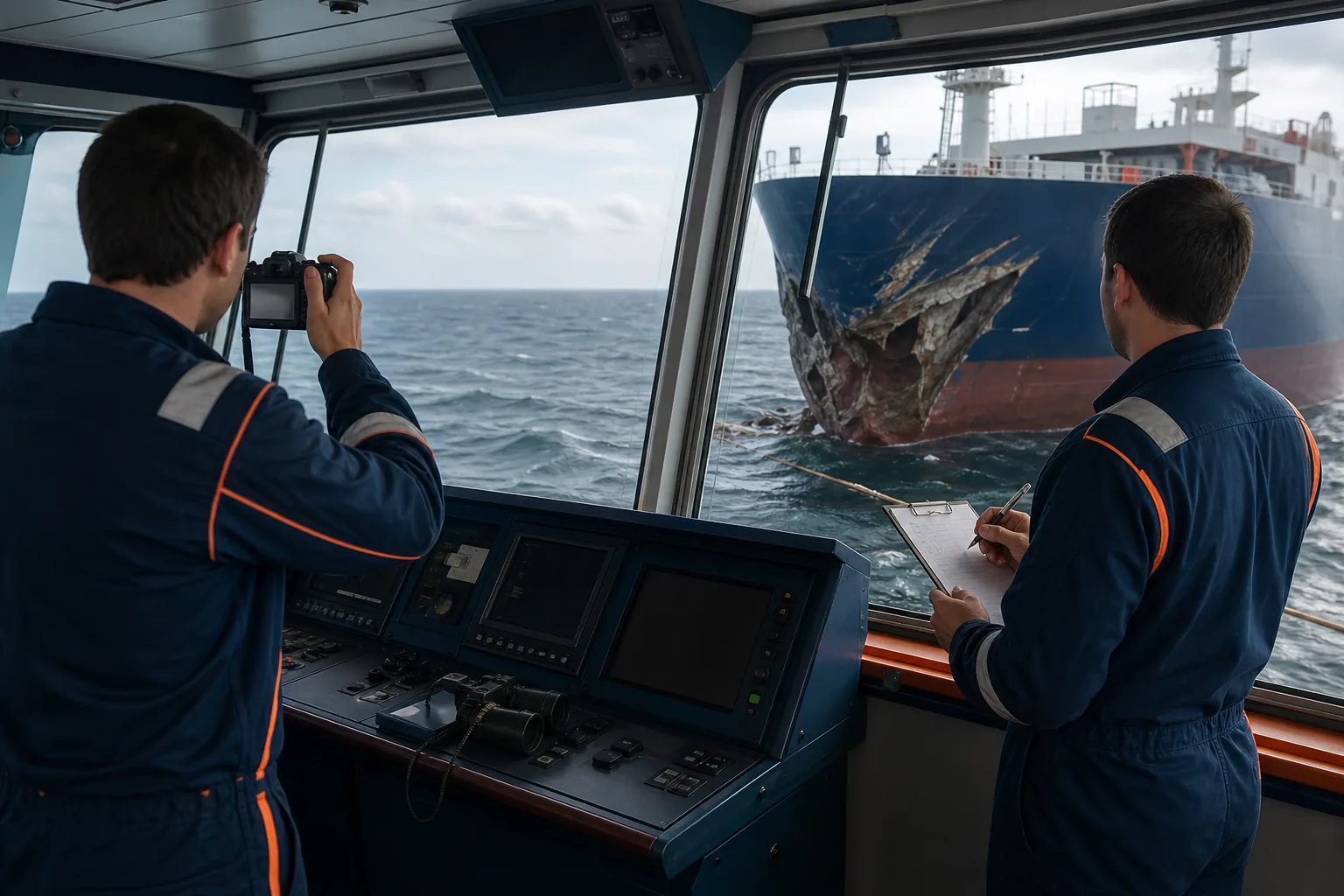
For deeper research, the Maritime Institute’s "Guidelines for Collecting Maritime Evidence" volumes 1 and 2 are essential. They walk you through the exact steps to preserve a ship’s black box, how to photograph a wreck, and how to handle chain‑of‑custody paperwork.
Imagine you’re working on a cargo‑damage case. You could pull a case study where a similar cargo was stored at 5 °C versus 20 °C, and the report showed that temperature variance caused spoilage. That precedent can strengthen your claim.
Many libraries now host digital copies of court judgments. Search for keywords like "maritime collision" and filter by year to see how judges have treated expert testimony in recent years.
When you cite a source, always include the full reference. Courts respect thorough documentation and may give your report extra weight.
Bottom line: Use case‑study databases and guideline collections to ground your opinions in proven facts.
Tools for Report Writing and Presentation
Writing a clear report is as important as the technical analysis itself. A well‑structured document helps the judge follow your logic.
Brookes Bell’s expert‑witness team uses a mix of software to keep reports tidy. They start with a word processor that supports track changes, then move to a citation manager that auto‑formats references to maritime standards.
Visual aids are a must. Simple diagrams of ship routes, flowcharts of damage causation, and tables of data make a report easier to read. A good practice is to draft every visual in a spreadsheet first, then export it as a high‑resolution PNG.
When you prepare for oral testimony, use a slide deck that mirrors the report’s sections. Keep each slide to one main point and use bullet lists, not paragraphs.
| Tool | Use | Cost |
|---|---|---|
| Microsoft Word | Drafting reports | Included in Office 365 |
| EndNote | Managing citations | ~$250 per year |
| Tableau Public | Creating interactive charts | Free |
After you finish the draft, run a readability test. Aim for a reading level that a high‑school graduate can understand. Complex jargon should be explained in a glossary.
Bottom line: The right software and presentation habits turn a technical report into persuasive evidence.
FAQ
What qualifications do I need to act as a maritime expert witness?
You don’t need a specific degree, but you must show solid experience in a maritime field, plus any relevant certifications. Courts look for documented work history, training courses, and membership in professional bodies such as the Nautical Institute or IMarEST. A clear track record of prior testimony also helps.
How do I find my first client as a maritime expert witness?
Start by listing yourself on legal directories like Law.com’s maritime section. Join professional associations and attend their events to meet lawyers. Offer to write a short sample report for free to showcase your style. Many firms also scout the UK Register of Expert Witnesses for new talent.
What is the typical fee structure for a maritime expert witness?
Fees vary by case complexity and region. Most experts charge an hourly rate that can range from $150 to $400, plus a separate charge for report writing. Some prefer a flat fee for the whole engagement. Always discuss fees up front and put the agreement in writing.
How should I prepare for cross‑examination?
Know your own report inside out. Anticipate the opponent’s challenges and prepare concise answers. Practice with a colleague who can play the role of a tough lawyer. Keep calm, answer only what’s asked, and avoid speculation.
Do I need liability insurance as a maritime expert witness?
Yes. Professional liability insurance protects you if a court later finds your opinion faulty. Look for policies that cover expert‑witness work specifically, as they often have higher limits.
Can I work as a maritime expert witness in multiple jurisdictions?
Absolutely, but each jurisdiction may have its own rules. In England you’ll follow the Civil Procedure Rules Part 35. In the U.S., each state may have different disclosure requirements. Familiarize yourself with local rules before taking a case abroad.
Conclusion
Being a maritime expert witness takes more than sea‑time experience. You need the right associations, solid certifications, visible listings, a well‑stocked case library, and tools that make your reports clear. By following the steps in this guide, you can build a trustworthy profile that lawyers will seek out. Start by joining an association, then add a certification, list yourself in a directory, gather case references, and upgrade your reporting workflow.
If you’re ready to level up your expert practice, consider trying the free version of our expert‑witness management platform today. It simplifys case intake, report drafting, and billing, so you can focus on the technical work that matters.