Seaman Definition: Roles, Requirements, and Responsibilities

Ever wonder what a seaman actually does? The term sounds simple, but the law and the deck tell very different stories. In this guide you’ll get a clear picture of who counts as a seaman, what jobs they hold, how to become one, and what a typical day looks like.
By the end you’ll know the exact legal definition, the different ranks on a vessel, the training you need, and the routine tasks that keep ships moving. Let’s start.
What Is a Seaman? Legal and Usable Definitions
In U.S. maritime law a "seaman" is anyone who works on a vessel that moves and who helps that vessel operate or handle. The definition comes from the Jones Act, which treats seamen like railroad workers for the purpose of injury claims. To meet the legal test a worker must spend at least 30 % of their time on a vessel or its related equipment. That percentage matters because it separates seamen from dock workers, who fall under a different safety net.
Practically, a seaman is anyone who performs duties that are essential to the ship’s movement, steering, rigging, engine watch, or deck maintenance. The role can be full‑time on a cargo carrier or part‑time on a fishing boat, but the key is the connection to the ship’s operation.
Key Takeaway: A seaman is defined by both legal time‑spend criteria and the usable need to keep a vessel moving.
For a deeper look at the legal language, see the Jones Act Seaman Definition: What It Means and Who Qualifies guide. It breaks down the three‑part test courts use and explains common pitfalls.
Beyond the law, the term has historic roots. In the 18th‑century British navy, "seaman" meant a sailor who knew the ropes and could handle the complex rigging. That tradition lives on in modern ratings like "Able Seaman," which still signals a higher skill level.
Modern regulations reinforce the definition. The U.S. Department of Labor’s maritime standards outline duties, safety training, and record‑keeping requirements for anyone classified as a seaman. U.S. Department of Labor , Maritime Workers provides the official guidance that courts reference when evaluating claims.
Types of Seamen: From Deckhands to Engineers
Not every seaman does the same job. The crew is a ladder of roles, each with distinct duties and skill sets. Understanding the ladder helps you see where you might fit and what training you’ll need.
At the base are Deckhands, sometimes called Ordinary Seamen. They handle general labor: cleaning, painting, and moving cargo. Their work keeps the ship tidy and ready for the next port.
Above them are Able Seamen (AB). These crew members can stand watch on the bridge, steer the vessel in pilot waters, and go aloft to tend the rigging on sailing ships. Historically, the AB was the go‑to person for any tricky seamanship task.
Next come the Petty Officers. They supervise small teams, manage equipment, and ensure safety drills run smoothly. Their leadership role bridges the gap between the rank‑and‑file and the officers.
Engineering seamen focus on the ship’s power plant. Junior Engine Ratings assist with fuel handling and basic maintenance. Senior Engine Ratings, often called Oilers, monitor turbines, run diagnostics, and perform repairs. Their expertise keeps the engine room humming.
Finally, the deck officers, Third, Second, and Chief Mate, are seasoned seamen who handle, plot courses, and manage cargo operations. While they hold commissions, they still meet the seaman test because they spend most of their time on the vessel.
Each rank carries specific certification requirements, which we’ll cover later. The Navy’s occupational handbook lists these roles in detail, confirming how the modern fleet mirrors centuries‑old hierarchy. U.S. Navy occupational guide outlines duties for each rating.
Watching a crew in action clarifies these roles. In the video above, you’ll see an Able Seaman taking the wheel, a Junior Engineer checking gauges, and a Deckhand securing cargo, each part of the same operation.
How to Become a Seaman: Training and Certification
Becoming a seaman is a step‑by‑step path that blends classroom learning with on‑the‑job practice. The first hurdle is meeting the basic health standards. You must pass a physical exam that checks vision, hearing, and overall fitness. The exam is required by the U.S. Coast Guard and ensures you can handle the demanding environment at sea.
Next, you’ll need a Merchant Mariner Credential (MMC). This credential bundles your identity, certifications, and endorsements. To earn an MMC you must submit proof of citizenship, pass the medical, and complete any required safety courses.
The core safety courses are the Basic Safety Training (BST) and the Standards of Training, Certification and Watchkeeping (STCW) modules. BST covers fire fighting, first aid, personal survival techniques, and basic seamanship. STCW adds navigation basics, radio operation, and crowd management. Both are offered by approved maritime academies and community colleges.
After certification, you’ll likely start as a deckhand or junior engine rating. On‑the‑job training is hands‑on: you’ll shadow a senior crew member, learn rope work, and practice watchstanding. Most employers require a probationary period of three to six months before confirming your status.
Continuing education matters too. The maritime industry updates its standards regularly, especially around safety equipment and environmental regulations. Keeping your certifications current can open doors to higher‑pay positions.
For official guidance on the MMC and required courses, the U.S. Coast Guard’s Maritime Law FAQ page lists the exact steps and links to approved training providers.
"A well‑trained seaman is the backbone of any safe voyage." , Veteran maritime trainer
Daily Life and Responsibilities of a Seaman
Life on board follows a strict schedule, but the day-to‑day duties vary by rank and vessel type. Most ships run on a watch system, typically four‑hour watches that rotate through the crew. This system ensures the ship is always monitored, even at night.
During a watch, a deckhand might stand a lookout, check the horizon for hazards, and report any sightings to the bridge. An Able Seaman may be assigned to steer the vessel, adjust the helm, and handle communications with the port authority.
Engine crew members run equipment checks every watch. They monitor temperature gauges, oil pressure, and fuel consumption. If something looks off, they troubleshoot the issue before it becomes a failure.
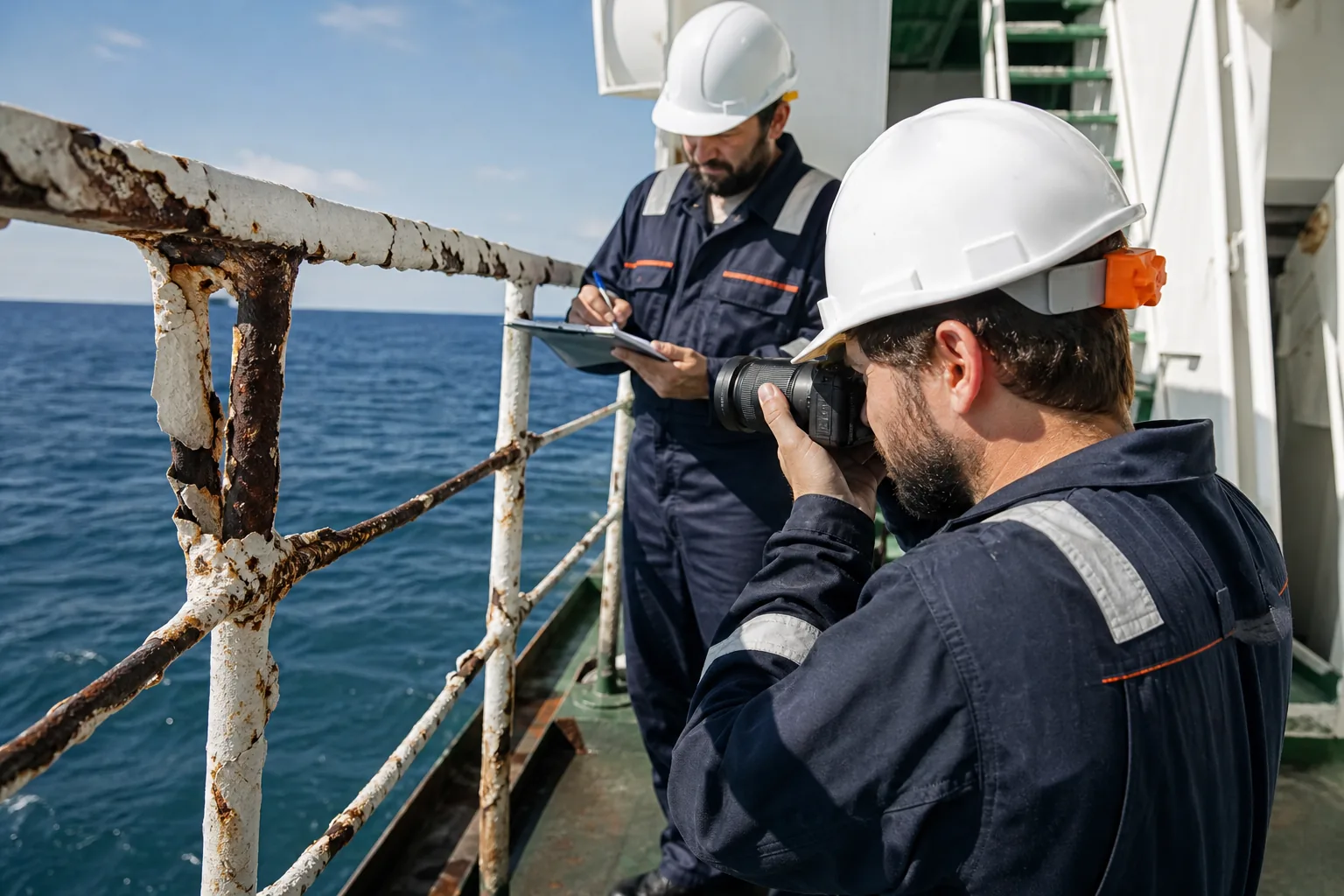
Between watches, crew members handle maintenance tasks: painting rust spots, greasing deck machinery, and cleaning living quarters. Mess deck duties rotate as well, ensuring everyone shares the load of cooking and cleaning.
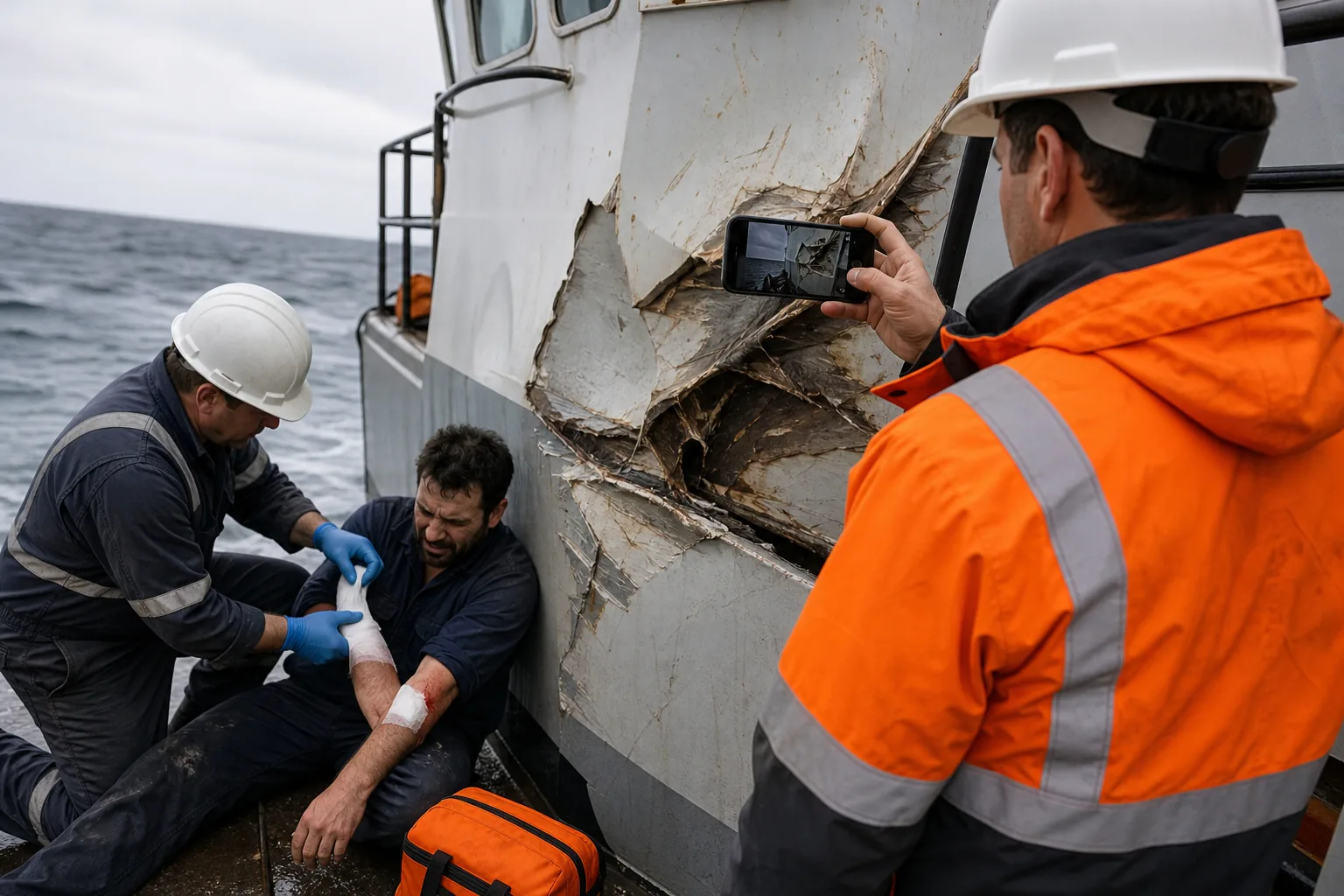
Safety drills are a regular part of the routine. Every month the crew conducts a lifeboat drill, a fire drill, and a man‑overboard drill. Each drill reinforces the protocols that can save lives during an emergency.
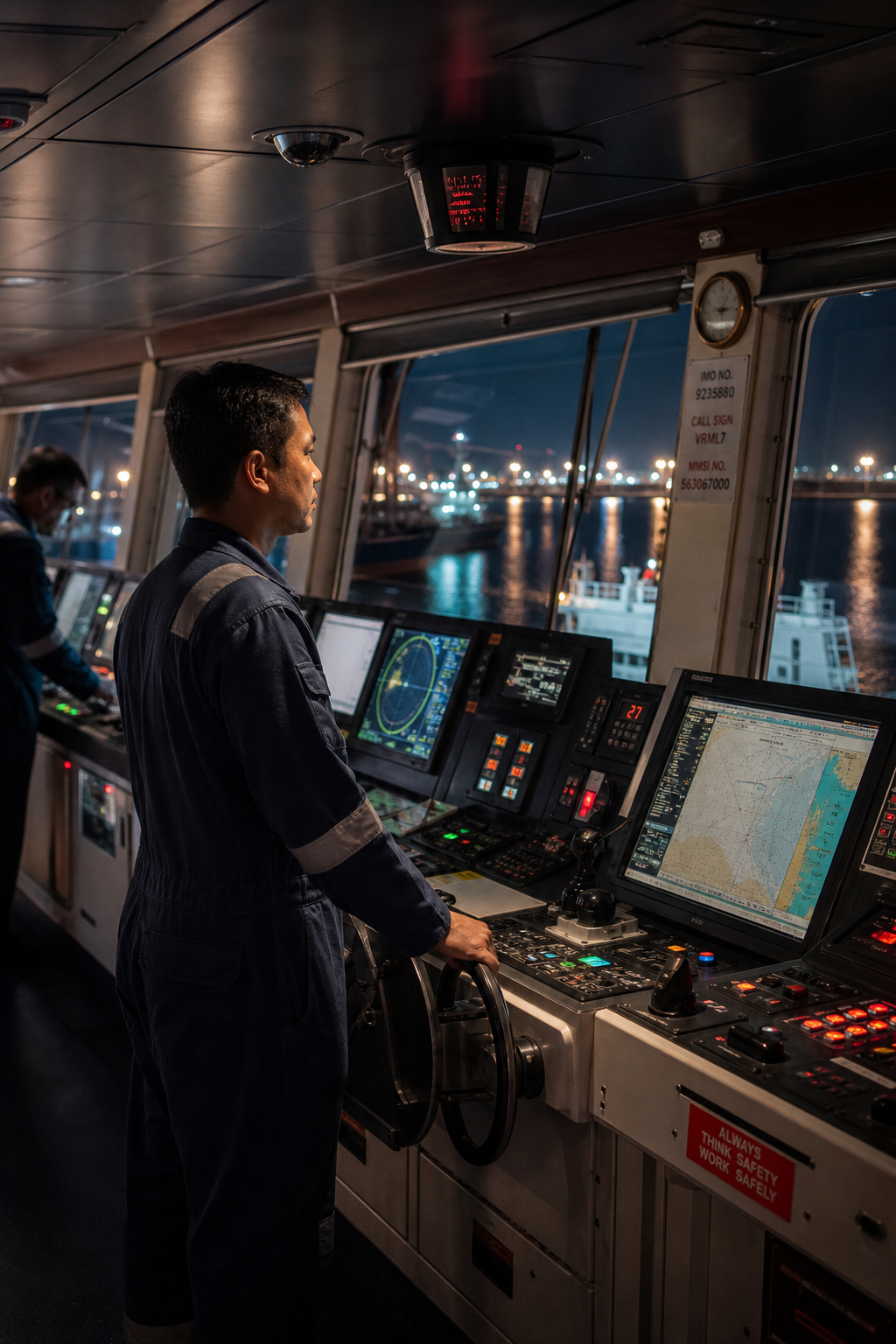
When a ship docks, the workload shifts. Cargo operations kick in, securing containers, operating cranes, and checking cargo manifests. This phase demands coordination with dockworkers and port officials.
Living at sea also means adjusting to limited space, shared facilities, and a rotating social life. Many seamen find camaraderie in the mess hall and on deck during off‑watch hours. Hobbies like reading, gaming, or simple conversation keep morale high.
Frequently Asked Questions
What legal criteria must I meet to be considered a seaman under the Jones Act?
You need to spend at least 30 % of your work time on a vessel that moves, and you must perform duties that help the vessel handle or operate. Courts also look at whether your role is essential to the ship’s movement, not just auxiliary work.
Is an "Able Seaman" the same as an "Able‑bodied Seaman"?
Historically the term "Able Seaman" is the correct rating. "Able‑bodied Seaman" grew out of informal usage and sometimes appears in older recruitment ads, but the legal standard references "Able Seaman" as the qualified rating.
Do deckhands need a specific certification to work on a vessel?
Yes. At a minimum you must have a Merchant Mariner Credential and complete the Basic Safety Training (BST) course. Some vessels also require the STCW modules for fire fighting and first aid.
How long does it take to earn a Merchant Mariner Credential?
The process can take from a few weeks to several months, depending on how quickly you schedule the medical exam, complete the safety courses, and gather required documents. Many schools offer fast‑track programs that finish in 30‑45 days.
Can I work as a seaman on a foreign‑flagged vessel?
Yes, but you’ll need to meet that flag state’s certification standards, which often mirror U.S. requirements. Some flags require additional language proficiency or specific national endorsements.
What are the typical career advancement steps for a seaman?
Most start as a deckhand or junior engine rating, then move up to Able Seaman or Engine Rating. With experience and additional licenses, like a Mate’s License, you can become a deck officer, and eventually a Chief Mate or Captain.
How does the watch system affect my personal time on board?
The watch system rotates every few weeks, giving you blocks of off‑watch time for rest, meals, and personal activities. While you may have limited privacy, the schedule ensures you get regular sleep periods.
What resources can help me prepare for the seaman legal test?
Review the Jones Act’s seaman test criteria on the U.S. Courts website, and study the U.S. Coast Guard’s guidance on crew responsibilities. Consulting a maritime attorney can also clarify how courts interpret the definition.
Conclusion
Understanding the seaman definition is the first step toward a rewarding maritime career. Legally, a seaman must spend a significant portion of time on a moving vessel and perform duties that keep that vessel running. Practically, the crew hierarchy, from deckhands to engineers, offers clear paths for growth. Training starts with a medical exam, a Merchant Mariner Credential, and safety courses, then moves into on‑the‑job learning. Daily life follows a watch schedule, blends maintenance with safety drills, and builds a strong sense of teamwork.
If you’re ready to set sail, consider talking to a maritime attorney who can walk you through the legal nuances and help you avoid common pitfalls. For more on how the Jones Act protects seamen, explore our related guide on Jones Act Seaman Legal Guide. With the right preparation, you’ll be on course for a successful and steady career at sea.