Understanding the Outer Continental Shelf Lands Act
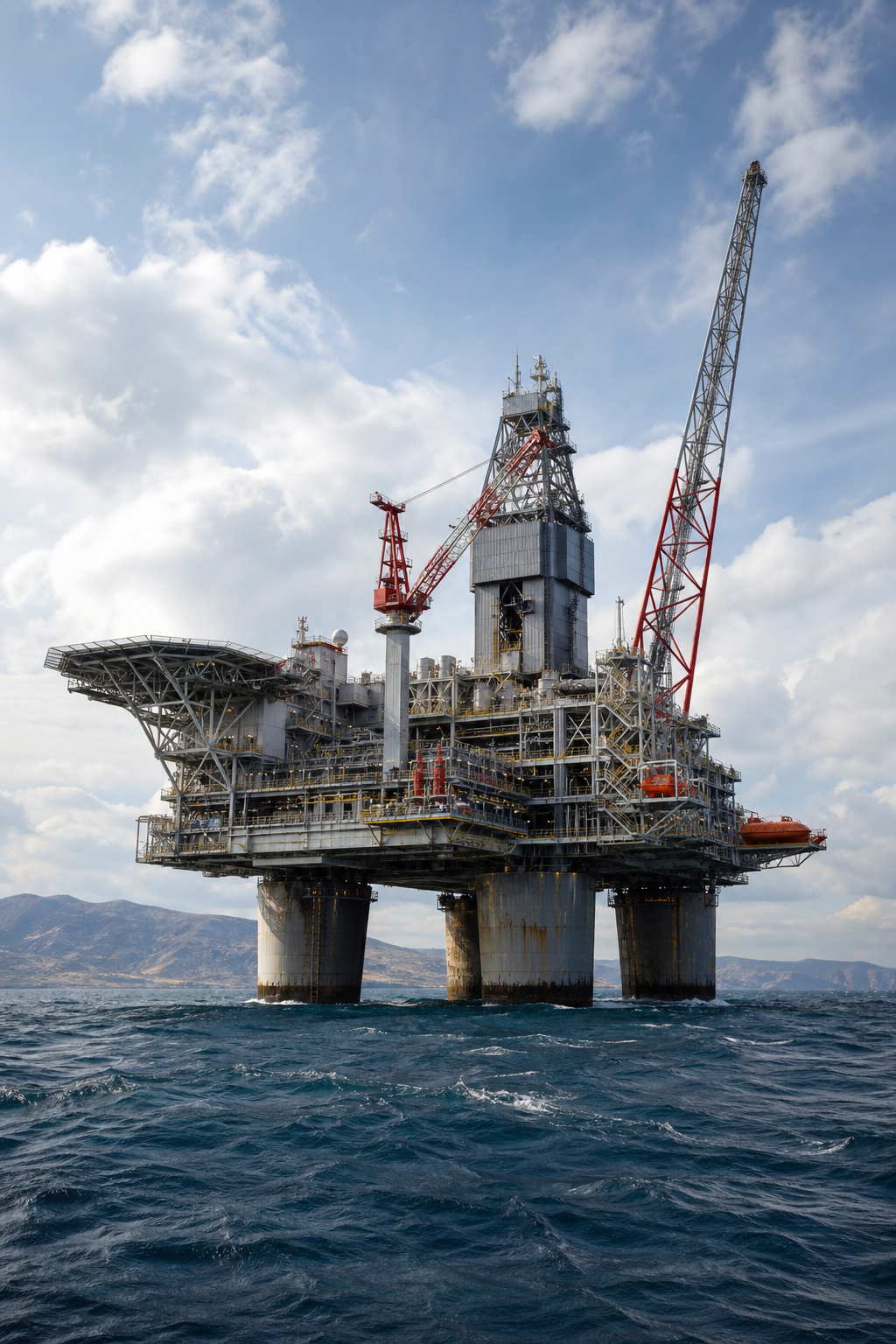
The Outer Continental Shelf Lands Act shapes how the United States manages the huge offshore area that lies beyond state waters. It decides who can explore for oil, gas or wind, and what rules apply. In this guide you'll see how the law works, why it matters to energy firms, states, and coastal communities, and what recent changes could mean for the future.
What Is the Outer Continental Shelf Lands Act?
The Act was passed on August 7, 1953. It defines the "outer continental shelf" (OCS) as all submerged lands beyond the three‑mile state water line that belong to the United States. The law gives the Secretary of the Interior the power to lease those lands for mineral development. The first leases were granted after the law helped settle the long‑running tide‑land dispute between Texas and the federal government over 2.5 million acres in the Gulf of America.
Why does this matter? The OCS holds the bulk of the nation’s offshore oil, natural gas, and now wind resources. The Act lets the federal government set policy, collect royalties, and protect the marine environment while still allowing private companies to extract value.
Under the Act, a lease is a legal permission that lets a company drill, build platforms, or install wind turbines. Leases are awarded through sealed competitive bids , the highest qualified bidder wins. The Secretary also writes regulations to make sure the activities follow safety, environmental, and revenue rules.
Since the original law, several amendments have tweaked the process. The most recent change came from the Inflation Reduction Act of 2022, which forces the Interior Department to offer at least 60 million acres for oil and gas leasing before any offshore wind lease can be signed. This creates a balance between fossil fuel development and renewable energy growth.
For a deeper look at the Act’s history and how the Bureau of Ocean Energy Management (BOEM) runs the program, check out the official BOEM history page here.
If you need help handling the legal landscape of offshore work, the Offshore Injury Attorney: Essential Resource Guide explains the rights and responsibilities that arise when accidents happen on OCS projects.
Key Provisions and Legal Framework
The law spells out several core ideas. First, it defines the OCS itself. The definition includes all submerged lands that are under U.S. jurisdiction and even the exclusive economic zone (EEZ) that lies beyond the 200‑nautical‑mile limit. It specifically leaves out any area that Congress has given to a territorial government.
Second, the Act names the "Secretary" as the key official. While the Secretary of the Interior handles most duties, some functions can be transferred to the Secretary of Energy or the Federal Energy Regulatory Commission when the Department of Energy Organization Act says so.
Third, a "lease" is any form of authorization issued under the relevant sections of the U.S. Code. The lease lets a holder explore, develop, and produce minerals. The law also defines who counts as a "person" , that can be a natural person, a corporation, a state, or any political subdivision.
The Act also sets out the concept of an "affected State." A state can be affected if the federal law applies there, if the state is linked by transportation to an offshore structure, or if the state receives oil or gas from the OCS. This language helps decide when a state can object or demand a share of the revenue.
Environmental language is woven throughout. The Act references the "marine environment," the "coastal environment," and the "human environment" , each defined to guide impact assessments. These definitions tie directly to other federal statutes like the National Environmental Policy Act and the Clean Water Act.
Finally, the law mentions "fair market value" for royalty calculations. It tells the Secretary how to compute the price when there isn’t enough market data.
All of these pieces sit together in the U.S. Code. You can read the exact wording in the official code here.
How the Act Impacts Offshore Energy Development
Every offshore project begins with a lease sale. The Secretary must publish a schedule of lease sales for a five‑year period. The schedule balances energy needs, revenue goals, and environmental protection. Companies watch the schedule closely because it tells them when they can bid for new blocks.
When a lease is awarded, the holder must follow a series of steps: submit a development plan, get a Record of Decision (ROD) from the agency, and meet environmental review requirements. The Act forces the agency to hold public comment periods, which give coastal groups a voice.Because the Act requires a minimum amount of oil and gas leasing before offshore wind can be approved, it directly shapes the renewable push. The 2024‑2029 National OCS Program, for example, limited oil and gas lease sales to three in the Gulf of America so the Interior Department could still meet the IRA’s wind‑leasing requirement.
That video walks through the latest lease‑sale schedule and shows how the public comment process works.
The Department of the Interior recently announced a new RFI for the 11th National OCS Program. The announcement can be read in the official press release here. The RFI starts a 45‑day public comment period that will shape where and when new leases happen.
State vs Federal Jurisdiction Under the Act
Jurisdiction on the OCS is split between states and the federal government. Most coastal states have jurisdiction out to three nautical miles. Texas, the Gulf Coast of Florida, and Puerto Rico have a nine‑mile limit because of historic agreements.
Beyond those limits, the federal government controls the land. The Submerged Lands Act (SLA) gives the United States title to the seabed, while the OCS Lands Act adds the power to lease it.
States can still influence federal decisions. If a state is deemed "affected," the Secretary must consult the governor and can consider state law as the law of the United States for that area. This gives states a voice on environmental reviews and revenue sharing.
The balance between state and federal power can create conflict. For example, a state may object to a lease that could harm its coastline, while the federal agency may argue the lease meets national energy goals. The Act’s affected‑state language is the main tool for resolving those disputes.
"The OCS Lands Act creates a shared framework where both federal and state interests must be weighed before offshore resources are developed."
Understanding who decides what helps companies plan where to invest and helps coastal communities know when to expect a review.
Recent Amendments and Future Outlook
The Act has been updated several times. The biggest recent change came with the Inflation Reduction Act of 2022. That law added a requirement that the Interior Department offer at least 60 million acres for oil and gas leasing before any offshore wind lease can be approved. The goal is to keep the federal budget balanced while still pushing renewable energy.
In August 2025 the Department announced a schedule for new lease sales in the Gulf of America and Cook Inlet, Alaska, as part of the One Big Beautiful Bill Act (OBBBA). The schedule calls for 30 lease sales in the Gulf and six in Alaska through 2040. This shows that the government still sees a strong role for oil and gas on the OCS.
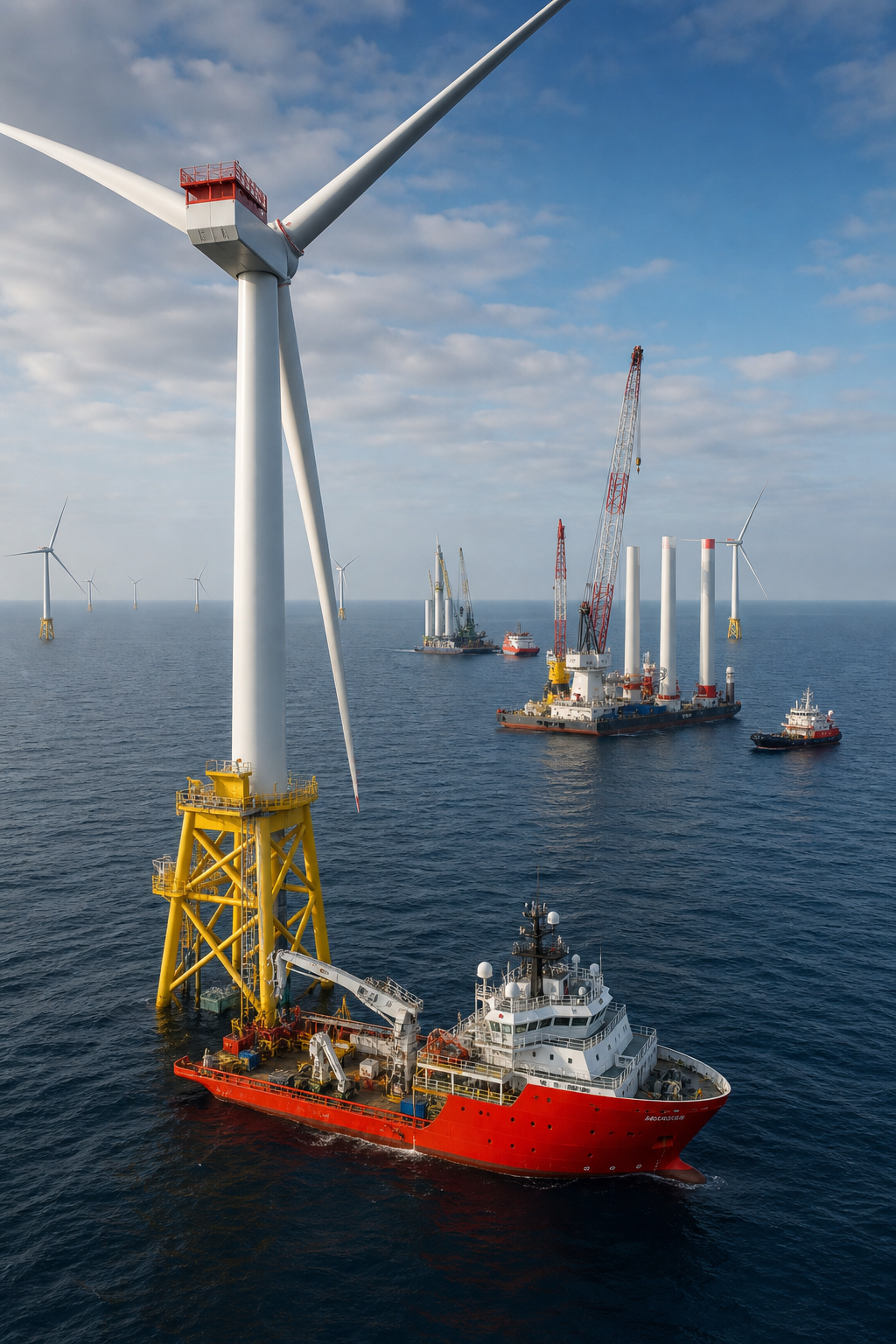
Looking ahead, the next National OCS Program will have to meet both the IRA’s wind‑leasing target of 30 GW by 2030 and the demand for domestic fossil fuels. The balance will likely shift as new technologies lower the cost of offshore wind and as climate policy tightens.
Stakeholders are watching the upcoming 2026 lease‑sale calendar closely. The Bureau of Ocean Energy Management will soon release a draft programmatic environmental impact statement that will set the stage for the next round of auctions.
Usable Implications for Stakeholders
For energy companies, the Act means they must follow a clear bidding process. They need to prepare competitive bid packages that show technical capability, financial strength, and compliance plans. Missing a deadline can cost a chance at a lease.
States benefit from revenue sharing. When a lease is signed, the federal government collects royalties and then passes a share to the state. This money can fund coastal infrastructure, schools, or environmental projects.
Environmental groups use the Act’s public‑comment requirement to raise concerns early. By submitting comments during the RFI stage, they can influence the environmental impact statement and push for stricter mitigation measures.
Local coastal communities often face indirect effects such as increased ship traffic or noise. The Act’s definition of the "human environment" lets them argue for health impact studies and noise limits.
Legal professionals must understand the affected‑state provisions. They often represent states or companies in disputes over whether a lease violates state law or environmental standards.
Finally, investors watch the Act because lease sales create new assets that can be financed and traded. Understanding the schedule helps them time investments and assess risk.
FAQ
What does the Outer Continental Shelf Lands Act actually govern?
The Act governs the federal government's authority to lease submerged lands beyond state waters for mineral development. It defines the OCS, sets the leasing process, and outlines how royalties are collected and shared. It also includes environmental review requirements that protect marine, coastal, and human environments.
How are lease sales scheduled under the Act?
The Secretary of the Interior must publish a five‑year lease‑sale schedule. The schedule balances national energy needs, revenue goals, and environmental protection. Each sale follows a public notice, an RFI, and a comment period before bids are accepted.
Can a state stop a lease on the OCS?
A state cannot outright stop a federal lease, but if the state is an "affected State," the Secretary must consult the governor and consider state law as the law of the United States for that area. This gives states a chance to raise objections or negotiate mitigation measures.
What role does the Inflation Reduction Act play in the OCS Lands Act?
The IRA adds a condition that the Interior Department must offer at least 60 million acres for oil and gas leasing before any offshore wind lease can be approved. This links fossil fuel leasing to renewable development and aims to keep federal revenue streams stable.
How does the Act affect offshore wind projects?
Offshore wind developers must wait until the required oil and gas acreage is offered. Once that threshold is met, the Department can issue wind leases. The Act’s environmental review provisions also apply, so wind projects undergo the same impact assessments as oil and gas projects.
What are the main revenue sources from OCS leases?
Leases generate royalty payments based on the fair market value of extracted minerals. Companies also pay bonus payments at lease award and annual rental fees. A portion of these royalties is shared with affected states, providing a steady source of local revenue.
Where can I find the official text of the Outer Continental Shelf Lands Act?
The full legal text is published in the United States Code, Title 43, Chapter 29, Subchapter III. The government website provides an up‑to‑date version you can read online.
How can the public participate in the lease‑sale process?
When the Interior Department releases an RFI, it opens a comment period, usually 30 to 45 days. Anyone can submit comments online, highlighting environmental concerns, economic impacts, or other issues. These comments become part of the record that informs the final decision.
Understanding the Outer Continental Shelf Lands Act helps everyone, from energy firms to coastal towns, s are managed and what the future may hold.
Ready to dive deeper? on offshore injury law for more on how the Act intersects with worker protections.