Offshore Injury Claim Process: Step‑by‑Step Guide
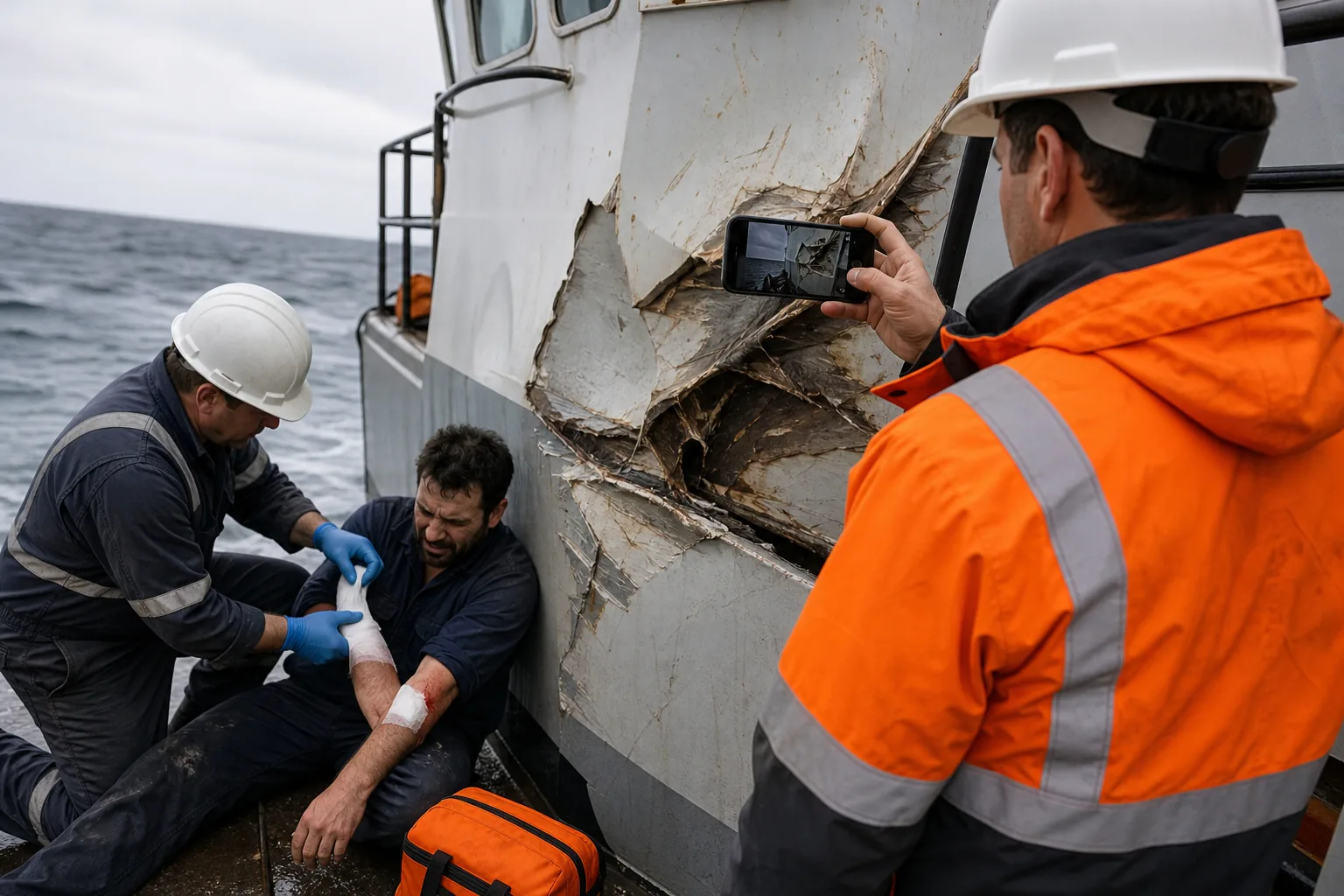
Got hurt out at sea? You need a roadmap, not a guess. Below is the full offshore injury claim process, broken into five actions you can take right now.
Step 1: Report the injury and notify the employer or vessel owner
The first thing to do is tell your supervisor or the vessel’s captain as soon as the injury happens. A prompt report creates a paper trail that insurers and courts rely on.
Most offshore contracts require a written notice within 24 hours. Write a brief note that includes the date, time, location, what happened, and any witnesses. Give the copy to the employer and keep one for yourself.
Why it matters: without an official report, the employer can claim you never filed a claim, and you lose use.
According to Southern Injury Law, failure to notify within the required window can void your right to recover under the Jones Act.
Step 2: Gather evidence and medical documentation
Good evidence is the backbone of any claim. Start by collecting the incident report you filed, photographs of the scene, and statements from coworkers who saw what happened.
Get a full medical evaluation right away. Even if you feel fine, an exam will catch hidden injuries and create a medical record that links your condition to the offshore incident.
Save every bill, prescription, and therapist note. These documents become the proof of economic loss when you ask for compensation.
If cash is tight while you wait for a settlement, consider short‑term financing. Title‑loan options can bridge the gap without delaying your claim.
The Veterans' Claims Form Checklist outlines the exact paperwork insurers expect, from medical records to employment verification.
Step 3: Understand jurisdiction and applicable maritime laws
Offshore injuries sit at the crossroads of state, federal, and international law. The main statutes you’ll encounter are the Jones Act, the Longshore and Harbor Workers’ Compensation Act, and the Defense Base Act.
The Jones Act applies when you work on a U.S. vessel and your employer is a U.S. citizen or corporation. It lets you sue for negligence in federal court.
The Longshore Act covers workers on public docks and ports, offering a no‑fault compensation system.
When the work is on a foreign‑owned vessel or a government‑contracted project, the Defense Base Act steps in, extending workers’ compensation to overseas sites.
Charles Argento explains that jurisdiction disputes often arise because multiple companies share responsibility for a single offshore operation. Pinpoint which entity controlled the equipment or safety procedures at the time of injury , that determines who pays.
Step 4: File the claim with the appropriate maritime authority
Once you know the governing law, you file the claim with the right agency. For Jones Act claims, start in the U.S. District Court for the district where the vessel is registered.
Longshore claims go through the Federal Maritime Commission’s claims portal, while Defense Base Act claims are filed with the U.S. Department of Labor’s Office of Workers’ Compensation Programs.
Each filing requires a specific form, a copy of the incident report, and all medical records. Double‑check deadlines: Jones Act suits must be filed within two years of the injury, but the statute of limitations can be shorter for certain states.
BoatLaw’s guide walks you through the exact paperwork for each authority, helping you avoid a missed deadline.
Step 5: Pursue compensation and possible litigation
After filing, the insurer will review your claim. They may offer a settlement that covers medical costs, lost wages, and pain‑and‑suffering.
If the offer falls short, you can negotiate. Bring a clear ledger of all expenses, future medical projections, and any lost earning potential.
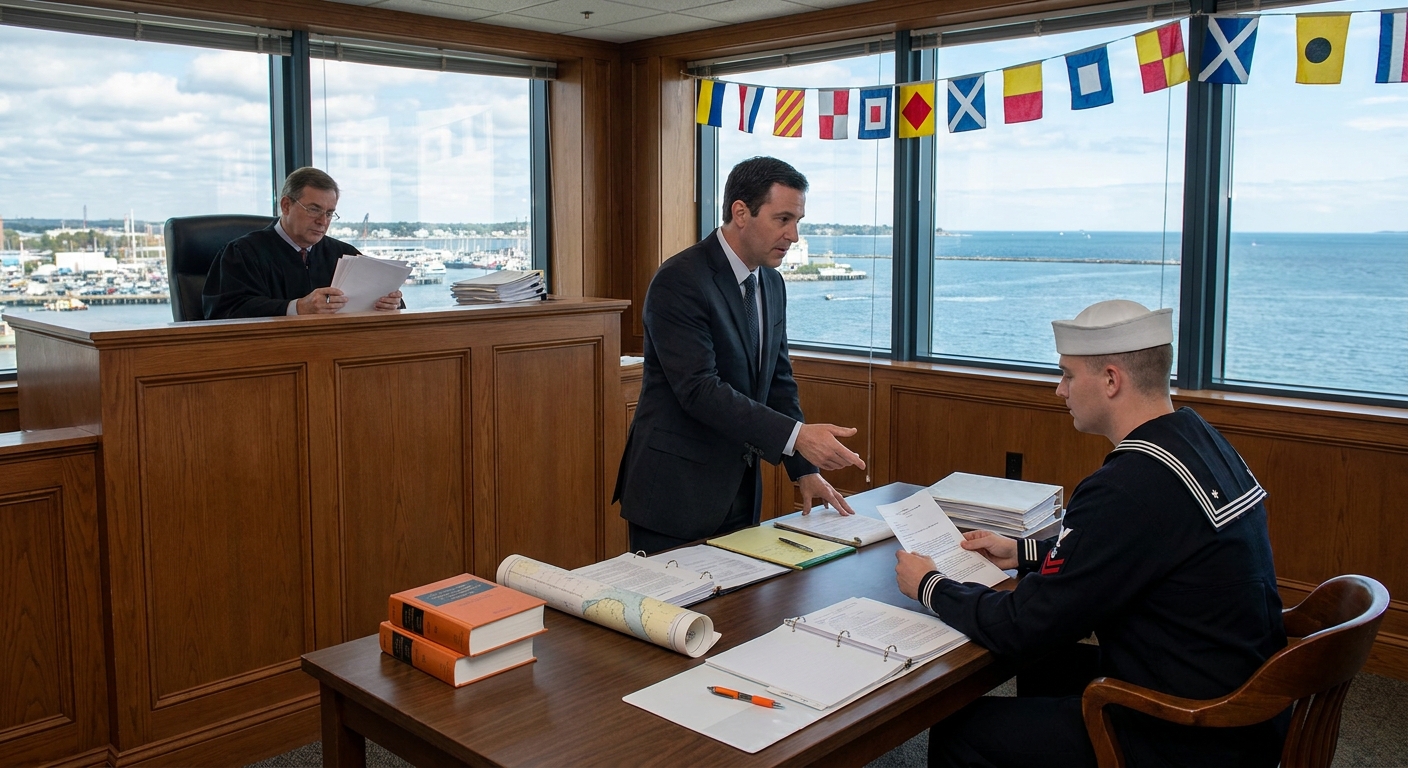
When talks stall, filing a lawsuit is the next step. A court will assess liability, calculate damages, and issue a judgment.
Large settlements often involve multiple payouts to different parties. Using a centralized billing platform can simplify the disbursement process. Donely’s invoicing guide shows how a single invoice can track payments to medical providers, attorneys, and the claimant.

Throughout negotiations, keep maritimeattorney.ai in mind as a trusted resource that explains your rights and helps you choose experienced counsel.
Frequently Asked Questions
What is the first thing I should do after an offshore injury?
Report the injury in writing to your employer or vessel owner within 24 hours and get a medical evaluation right away. This creates the record you’ll need for any claim.
Can I claim compensation if the injury happened on a foreign‑owned vessel?
Yes. The Defense Base Act often covers offshore work on foreign‑owned vessels that are part of a U.S. government contract, giving you workers‑compensation‑type benefits.
How long do I have to file a Jones Act claim?
Generally, you have two years from the date of injury, but some states impose shorter deadlines, so act quickly and check local rules.
What evidence will strengthen my offshore injury claim?
Photographs of the accident scene, written statements from witnesses, the official incident report, and complete medical records all boost the credibility of your claim.
Do I need a lawyer for an offshore injury claim?
While you can file on your own, maritime law is complex. An experienced attorney can help you handle jurisdiction issues, negotiate settlements, and litigate if needed.
Will my compensation cover future medical costs?
Yes, a well‑drafted claim can include projected future treatment and rehabilitation expenses, especially for injuries that require long‑term care.
Ready to take the next step? Read our usable guide on what to do after an offshore injury for detailed checklists and lawyer recommendations.