Offshore Crane Accident: Complete Explainer
Offshore crane accidents happen fast and can change a crew’s life in an instant. Below you’ll find everything you need to understand the event, why it occurs, how it’s investigated, and what you can do if you’re caught in one.
What Is an Offshore Crane Accident?
A crane accident at sea occurs when a lifting device fails or is mis‑used, causing a load to drop, a swing to strike someone, or the crane itself to collapse. These incidents happen on rigs, supply vessels, and platform‑supply ships that move heavy equipment in rough ocean conditions.
Research shows that crane work carries a higher risk than many other offshore tasks because operators juggle heavy loads, moving decks, and unpredictable weather. A study of crane safety data notes that human error, machine fault, and environmental factors all interact to raise accident probability. Read the full analysis here.
In usable terms, an offshore crane accident can mean a broken wire rope snapping, a brake failing, or a load being swung into a crew‑member. The result can be severe injuries, loss of life, or costly equipment damage. The key is that every part of the lift, people, machine, management, and environment, must stay in sync, or the whole system can fail.
Common Causes of Offshore Crane Accidents
Crane failures on the water often start with something simple that goes unchecked.
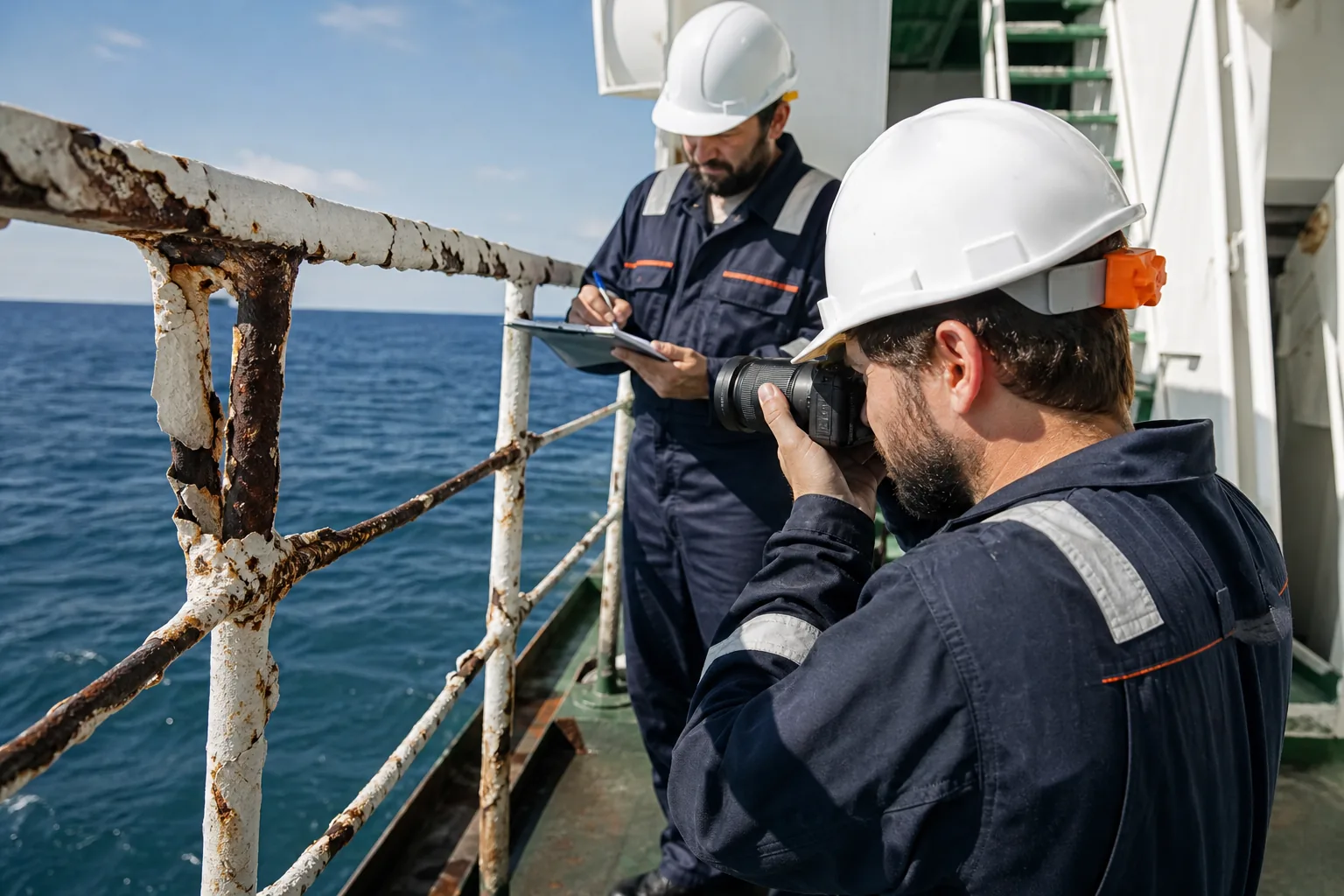
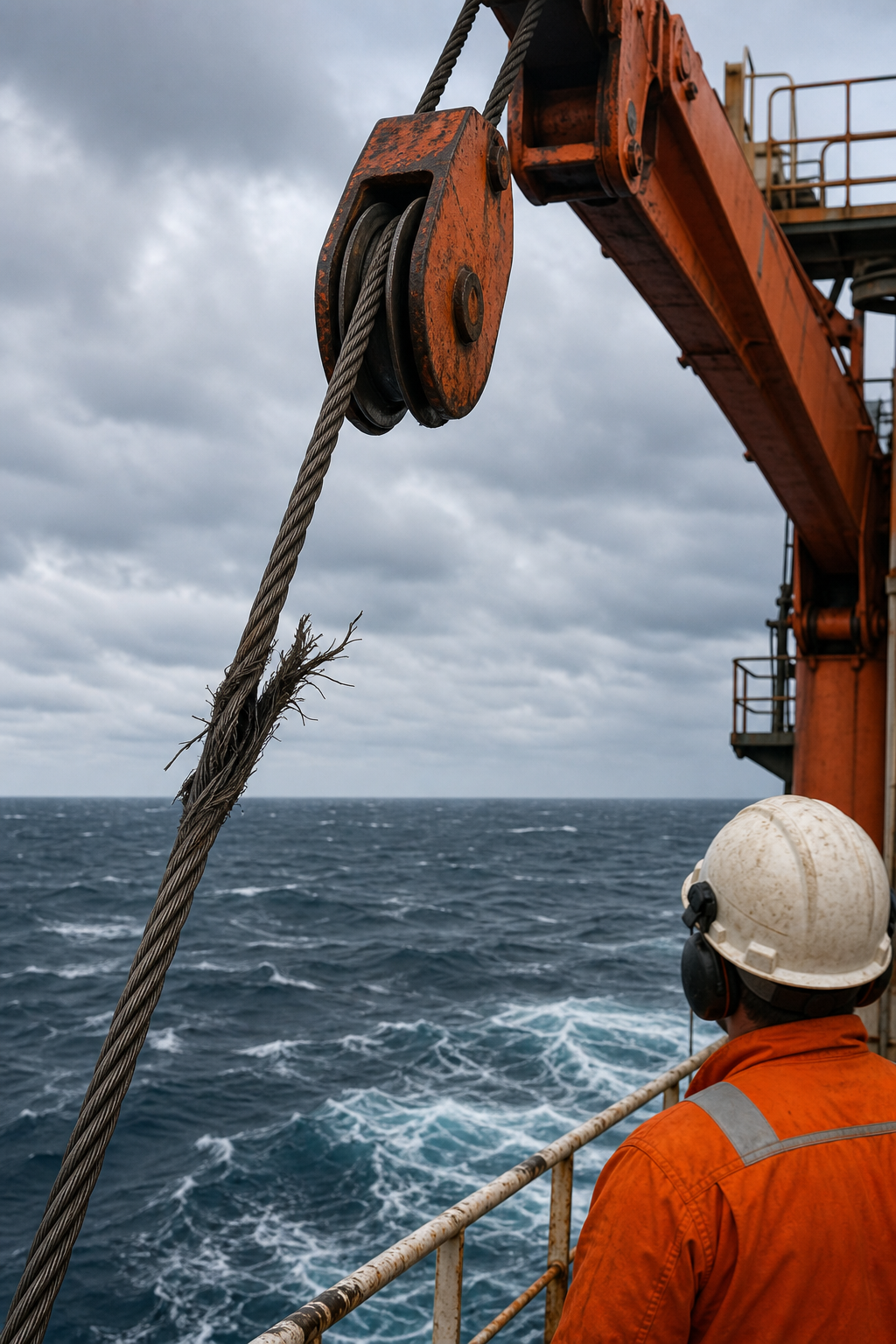
Wire ropes corrode quickly in salty air, and repeated loading can cause hidden cracks. When a strand breaks, the rope can whip like a snake and strike anyone nearby.
Mechanical parts, brakes, clutches, and slewing gears, need regular inspection. A worn brake can let a loaded hook free‑fall, and a faulty slewing mechanism can spin the crane out of control.
Human factors matter, too. Operators who lack proper certification or who work long shifts become fatigued, making split‑second decisions harder. Miscommunication between the crane operator and deck crew can also send a load down the wrong path.
Environmental stress adds another layer. High winds, rolling swells, and low visibility turn even a well‑maintained crane into a hazard.
How Offshore Crane Accidents Are Investigated
When a serious incident occurs, the U.S. Bureau of Safety and Environmental Enforcement (BSEE) steps in. The agency has the authority to launch an official probe under the Outer Continental Shelf Lands Act. BSEE investigation details.
First, the operator must report the event within hours. The report includes the type of incident, injuries, equipment involved, and any immediate safety actions taken. BSEE then decides whether a full‑scale panel investigation or a smaller district review is needed.
A panel investigation brings together specialists from BSEE’s Safety and Incident Investigations Division and, often, the U.S. Coast Guard. Together they interview witnesses, examine the crane’s black‑box data, and test components to see if a mechanical fault existed.
Throughout the process, investigators look for three things: a direct cause (like a broken brake), contributing factors (such as inadequate training), and systemic issues (like missing maintenance procedures). The final report spells out the cause(s) and recommends changes to prevent repeat incidents.
The report is public, so other operators can learn from the findings and improve their own safety programs.
Legal Consequences and Compensation Options
When a crane mishap leads to injury or death, several legal theories can apply.
Under the Jones Act, a seaman who suffers a work‑related injury can sue the vessel owner for negligence, even if the owner didn’t directly cause the accident. This is called an unseaworthiness claim, and it doesn’t require proof of the owner’s knowledge of the defect.
Employers also face liability under general maritime law. If the crane operator was not properly certified or was forced to work while fatigued, the employer can be held responsible for the resulting harm.
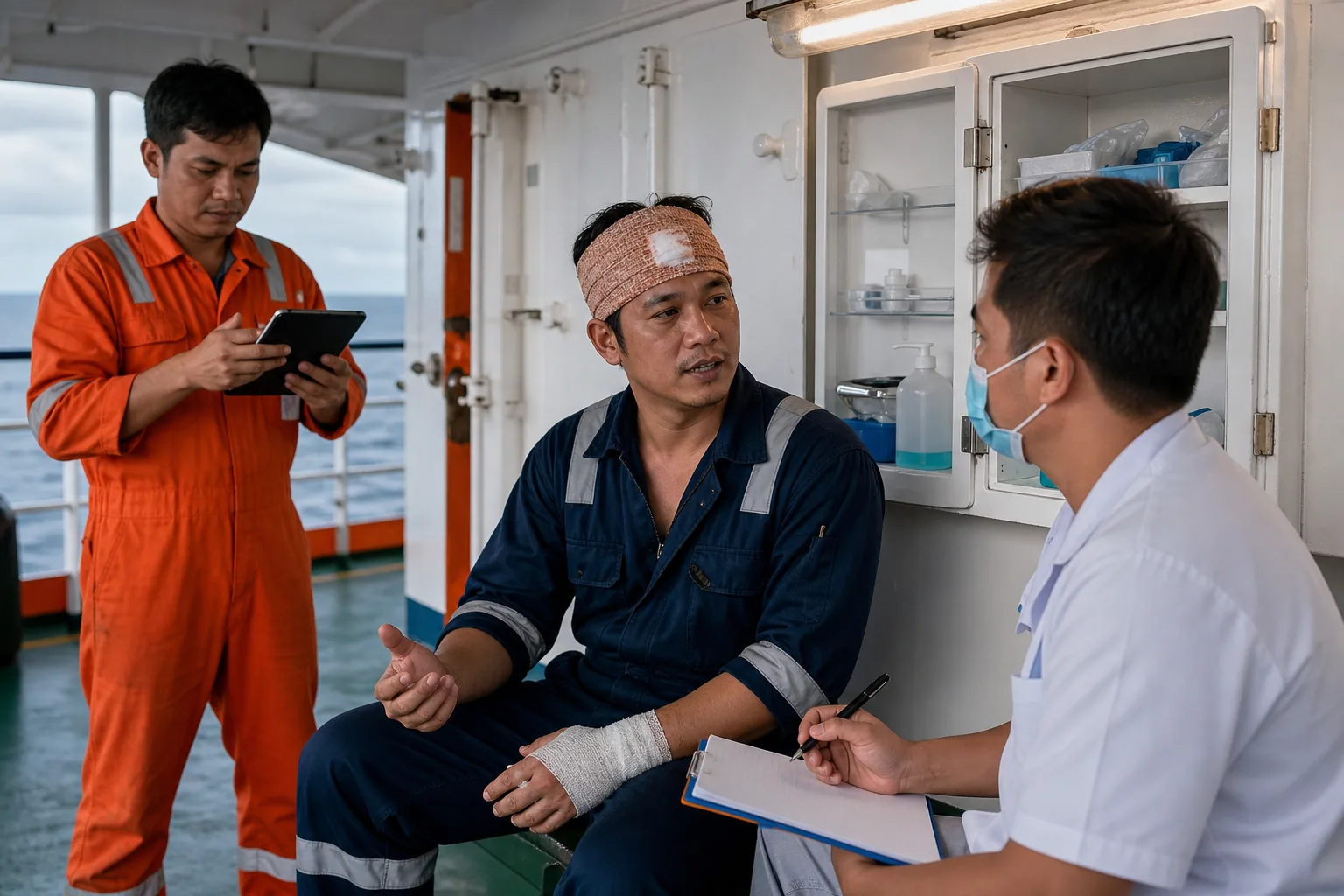
Compensation can cover medical bills, lost wages, pain and suffering, and, in fatal cases, survivor benefits. A settlement often depends on the severity of injury, the degree of negligence, and the availability of evidence like maintenance logs.
Victims looking for guidance should consider a lawyer who knows maritime law. MaritimeAttorney.ai’s offshore accident lawyer guide walks through the steps to protect your rights and gather the right paperwork.
Types of Offshore Crane Failures (Table)
Understanding the exact failure mode helps investigators, insurers, and safety teams target the right fixes. Below is a quick reference of the most common failure types.
Each row points to a specific area where a maintenance program can cut risk dramatically.
FAQ
What should I do immediately after an offshore crane accident?
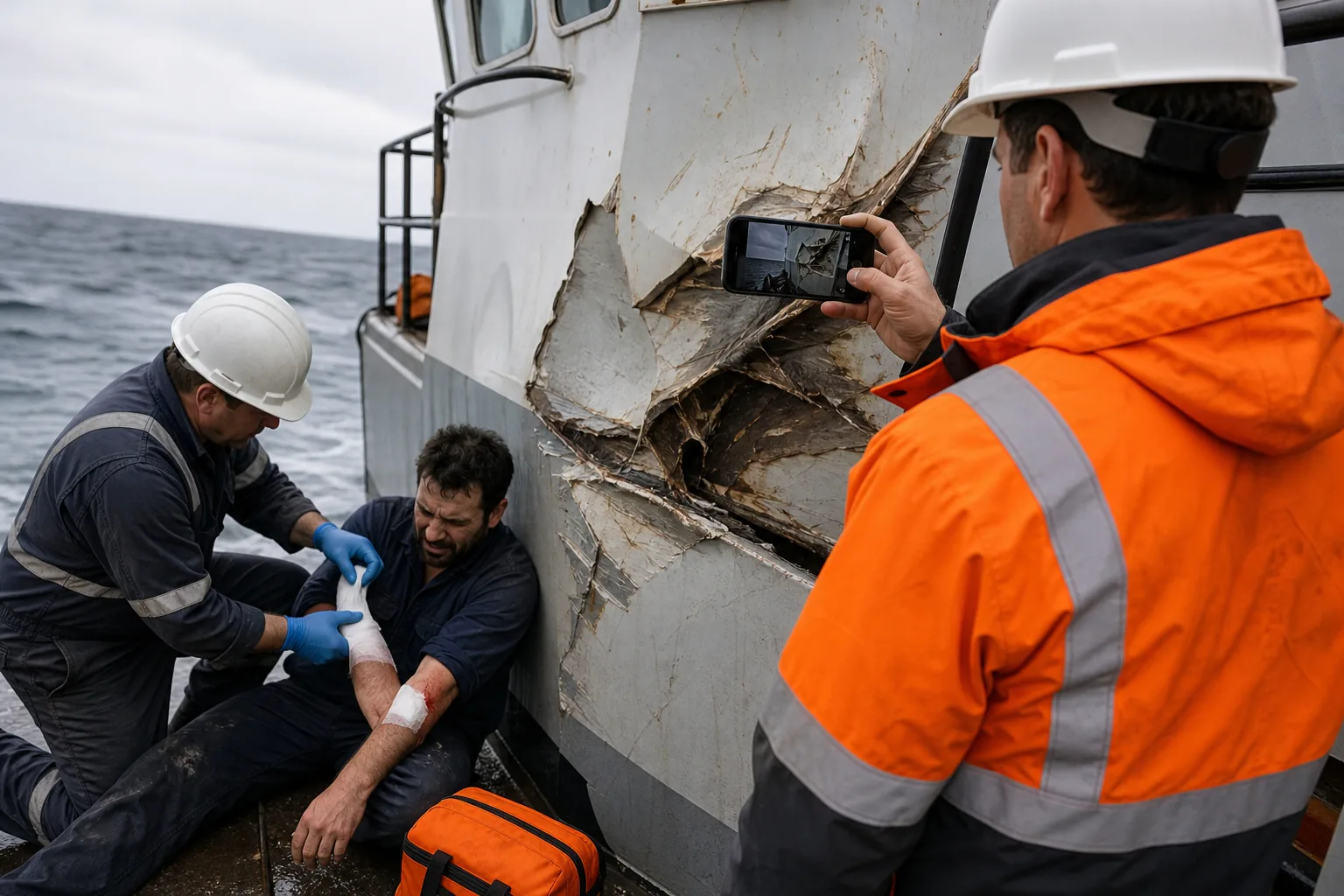
The first step is to secure medical care for anyone injured, then report the incident to the vessel’s safety officer and to BSEE within the required time frame. Preserve the crane’s log books and any video footage, because investigators will need them.
Can a worker sue for a crane accident if the equipment was inspected?
Yes, a worker can still pursue a claim if the inspection was inadequate, missed a critical defect, or if the employer forced the worker to operate the crane despite known issues. The legal standard looks at whether reasonable care was exercised.
Is fatigue a recognized cause of offshore crane accidents?
Fatigue is a leading factor because offshore crews often work long, rotating shifts. Fatigued operators have slower reaction times, which can lead to mis‑judged loads or delayed emergency stops.
How does the Jones Act differ from general maritime negligence?
The Jones Act gives seamen a direct path to sue their employer for negligence, while general maritime law can target other parties like equipment manufacturers or vessel owners when they contribute to the unsafe condition.
What role does an offshore crane FMEA play in safety?
A Failure Mode and Effects Analysis (FMEA) systematically identifies potential failure points, ranks their severity, and sets preventive measures. Conducting an FMEA before new equipment is installed helps catch risks before they become accidents.
Conclusion
If you or a crew‑member have been hurt in an offshore crane accident, protect your rights by gathering evidence, reporting the event promptly, and consulting a maritime lawyer. For a deeper look at your legal options, on MaritimeAttorney.ai.