Maritime Safety Regulations Explained: A Complete Guide
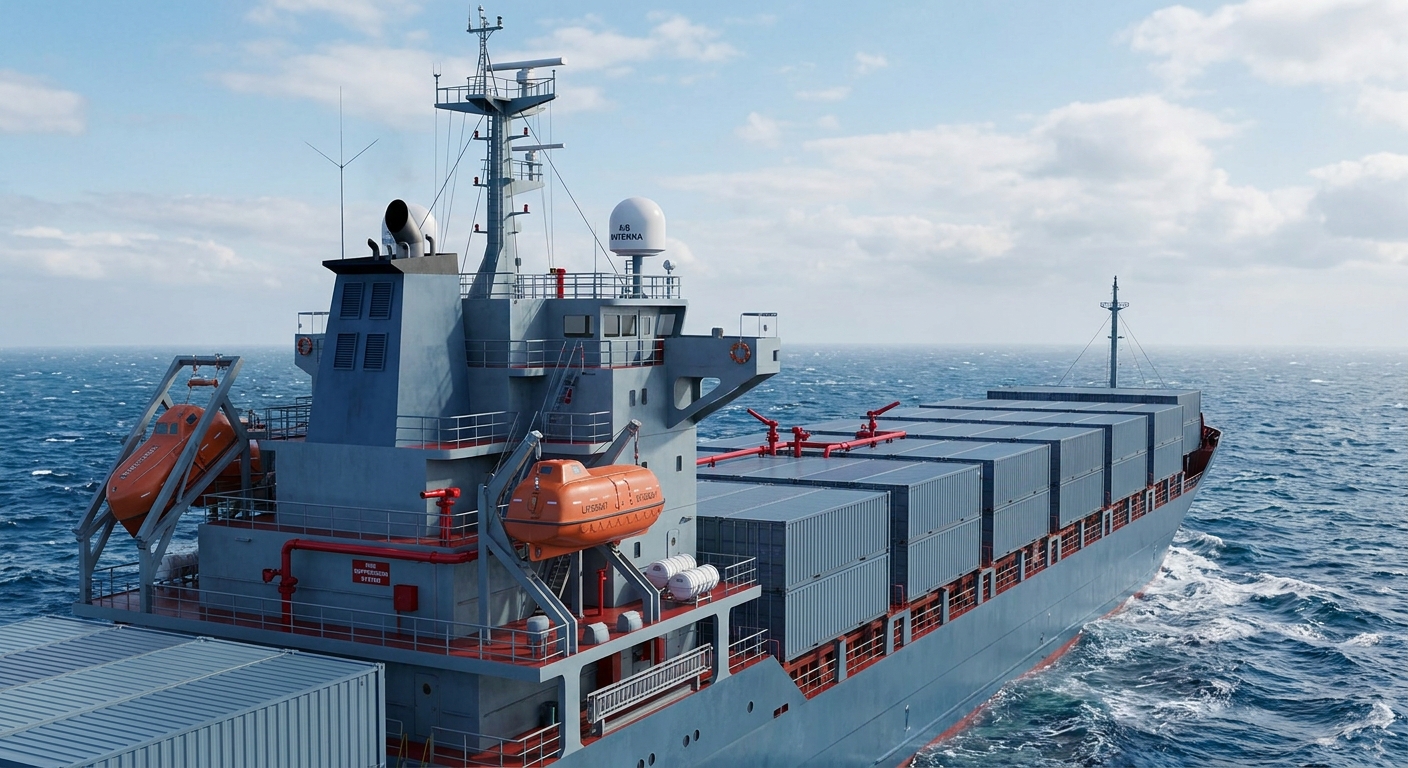
Ships move most of the world’s trade, but a crash or spill can shut down supply chains in days. Knowing the rules that keep vessels safe is the first step to avoiding those disasters. Below you’ll find a plain‑talk guide to maritime safety regulations , what they are, how they work, where they apply, and what can go wrong.
What Are Maritime Safety Regulations?
Maritime safety regulations are legal requirements that govern ship design, equipment, crew training, and operational conduct. They exist to protect lives, cargo, and the marine environment. The International Maritime Organization (IMO) writes most of the global rules. Its safety arm, the Maritime Safety Committee, drafts standards that every flag state must enforce (IMO). In the United States, the Coast Guard and other agencies translate those standards into enforceable statutes.
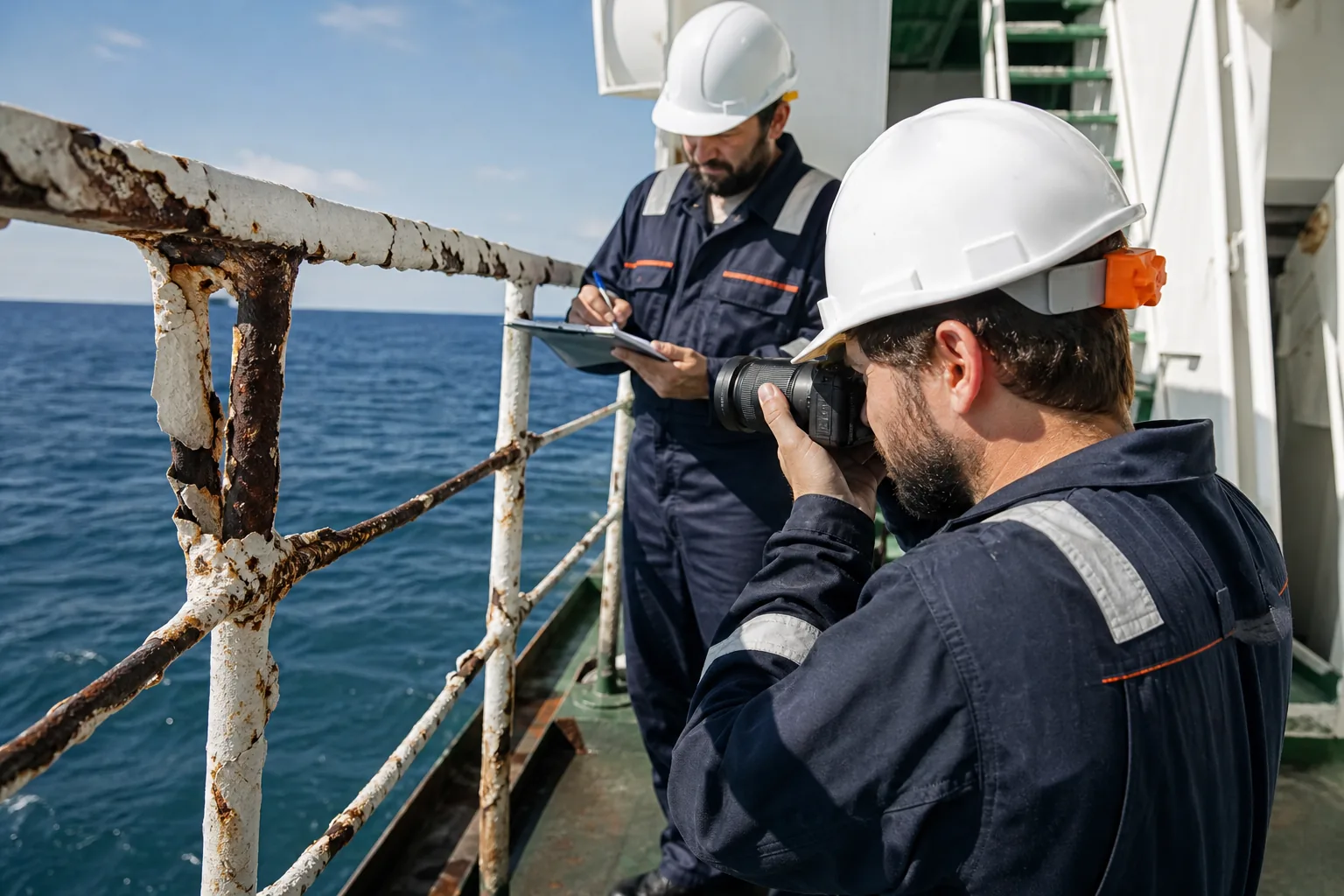
These rules cover everything from fire suppression systems to lifeboat capacity, from navigation equipment to hazardous cargo handling. They also set inspection routines, certification processes, and reporting obligations. When a vessel fails to meet a requirement, it can be detained at port, fined, or forced to repair before sailing again.
Because shipping crosses many borders, the regulations are largely uniform. That uniformity helps ship owners plan routes and crews know what to expect no matter which country they dock in. Still, each nation may add local rules that sit on top of the international framework.
How Maritime Safety Regulations Work
At the heart of the system is a two‑step process: rule making and enforcement. First, the IMO adopts treaties like SOLAS (the Safety of Life at Sea Convention). Once a treaty is adopted, each country becomes a “contracting party” and must pass national legislation that mirrors the treaty’s provisions. The United States does this through Title 46 of the U.S. Code and the Code of Federal Regulations, which give the Coast Guard authority to inspect ships and issue certificates.
Enforcement happens in three ways. Flag states conduct regular surveys to verify that ships under their flag meet the standards. Port states perform “port state control” checks when foreign vessels enter their waters, looking for obvious deficiencies. Finally, incident investigations trigger corrective actions and, if needed, penalties.
Compliance is documented with certificates , for example, the International Load Line Certificate proves a vessel’s watertight integrity, while the Safety Management Certificate shows a ship’s operational procedures meet the ISM Code. These papers travel with the ship, and any missing or expired certificate can halt a voyage.
Where Maritime Safety Regulations Are Used
The rules apply to any vessel that engages in international voyages, whether it’s a bulk carrier, a cruise liner, or a small tug. In the United States, the Coast Guard enforces the standards through a mix of routine inspections, random spot checks, and targeted investigations after accidents.
For owners of U.S.‑flagged vessels, the Coast Guard’s Coast Guard Regulations guide is the go‑to reference. It spells out required safety equipment, manning levels, and reporting duties. International operators follow the same IMO conventions, but they must also respect the rules of every port they call.
On the technology side, modern ships use Automatic Identification Systems (AIS) and Voyage Data Recorders (VDR) to meet the navigation and monitoring clauses of SOLAS Chapter V. These tools feed data to both flag and port authorities, making it easier to spot non‑compliance before a problem erupts.
In practice, a container ship sailing from Shanghai to Los Angeles will be inspected at its departure port under Chinese flag regulations, then again at the West Coast terminal under U.S. port state control. If any safety equipment is missing or a crew certificate has expired, the ship can be detained until the issue is fixed.
International Conventions Shaping Maritime Safety
The backbone of the global regime is the SOLAS Convention, first adopted after the Titanic disaster and most recently updated in 1974. SOLAS sets minimum standards for ship construction, fire protection, life‑saving appliances, and navigation safety. It also requires ships to carry a Global Maritime Distress and Safety System (GMDSS) for emergency communication.
Each chapter of SOLAS tackles a specific area. Chapter II‑1 deals with hull subdivision and stability, ensuring that a ship can stay afloat after damage. Chapter II‑2 outlines fire‑detection and extinction systems, while Chapter III mandates lifeboats, life jackets, and rescue boats. Chapter V requires ship‑borne AIS and VDRs to improve navigation safety.
Other key conventions include MARPOL (pollution prevention), the International Convention on Standards of Training, Certification and Watchkeeping for Seafarers (STCW), and the International Code for the Safety of Ships using Gases (IGC Code). Together they create a web of obligations that span construction, operation, and environmental protection.
These conventions are not static. The IMO recently approved a Net‑Zero Framework that will add a new fuel‑standard chapter to MARPOL Annex VI, aiming for a global emissions pricing system by 2027. The move shows how safety rules evolve to meet new challenges like climate change.
For anyone managing a fleet, staying on top of these updates means reading IMO press releases and adjusting ship manuals accordingly.
National Regulations: U.S. Coast Guard & IMO Implementation
In the United States, the Coast Guard acts as the primary enforcement agency. It issues Vessel Inspection Reports (VIR) after each survey, noting any deficiencies. If a ship fails a critical safety check, the Coast Guard can issue a Notice of Detention, preventing the vessel from leaving port until the problem is corrected.
The Coast Guard also runs the Vessel Traffic Service (VTS) in busy waterways like the San Pedro Bay, monitoring ship movements to prevent collisions. It works hand‑in‑hand with the IMO, applying international conventions through U.S. law and adding its own rules for domestic waters.
Recent developments include the draft Net‑Zero regulations that will impose greenhouse‑gas fuel‑intensity limits on ships over 5,000 gross tons. The final rules are expected to take effect in 2027, and the Coast Guard will be responsible for verifying compliance during inspections.
Beyond inspections, the Coast Guard provides guidance documents that break down complex IMO clauses into usable steps for ship owners. Those guides are especially useful for small operators who may not have dedicated compliance teams.
Core Compliance Requirements for Vessel Operators
Running a compliant vessel means checking off a long list of items before each voyage. The basics include:
- Valid safety certificates (SOLAS, Load Line, ISM, STCW).
- Functional lifesaving appliances , lifeboats, life jackets, immersion suits.
- Working fire‑detection and suppression systems that meet Chapter II‑2 standards.
- Operational GMDSS equipment and up‑to‑date emergency radio frequencies.
- Proper stowage of dangerous goods as required by the IMDG Code.
Operators also need a documented Safety Management System (SMS) that outlines how the crew handles emergencies, maintenance, and reporting. The SMS must be audited annually by a recognized organization.
Documentation is key. For example, the New South Wales boating safety checklist stresses the importance of a pre‑departure inspection that verifies all safety gear is on board and in good condition. That checklist is used by many Australian operators and mirrors the spirit of international standards (NSW checklist).
In the United States, the Code of Federal Regulations lays out the exact wording for each requirement. Title 33 CFR Chapter I details Coast Guard regulations on vessel operating standards, while Title 46 CFR Chapter 1 covers merchant mariner qualifications and vessel documentation. Keeping these references handy helps owners spot gaps before an inspection.
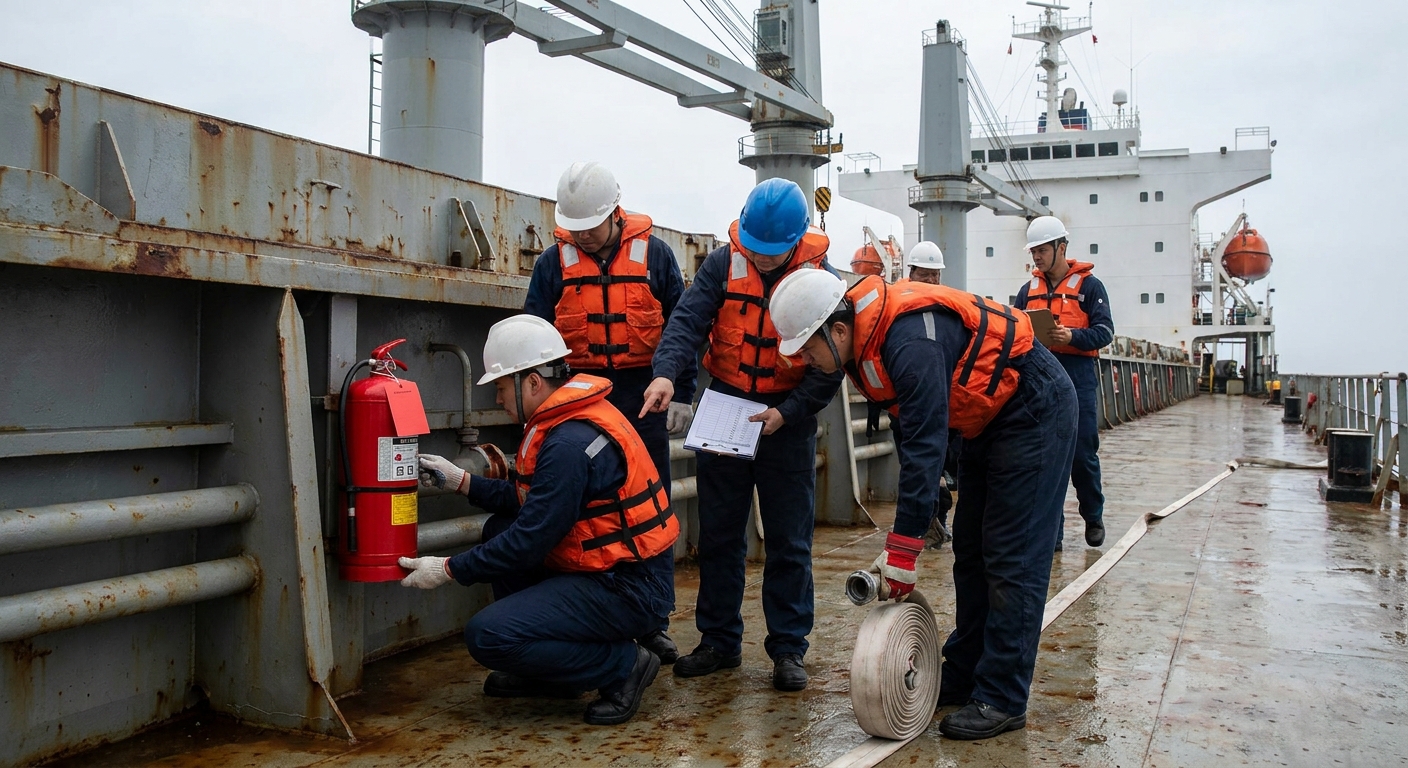
One common pitfall is treating certificates as paperwork rather than evidence of actual safety. A recent port state control study found that vessels with expired fire‑extinguisher certificates were 40 % more likely to be detained. The lesson? Schedule certificate renewals well before they expire and keep records of every test.
Enforcement, Penalties, and Future Trends
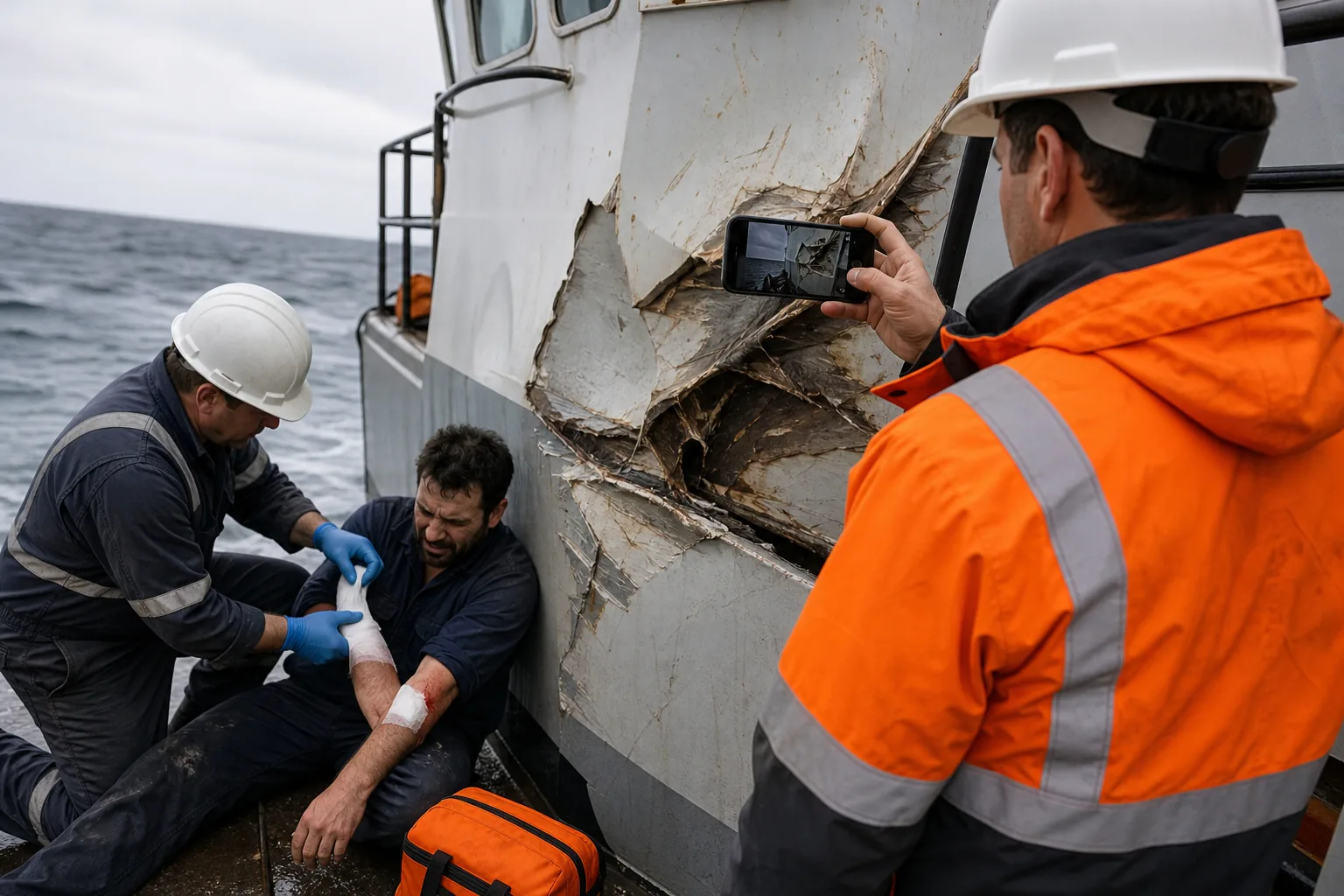
If a ship is found in breach of safety rules, penalties can range from modest fines to full vessel detention. In the United States, the Coast Guard can levy civil penalties of up to $25,000 per day for each violation. Repeat offenders may face higher fines and even criminal charges if negligence leads to loss of life.
Internationally, the IMO’s upcoming Net‑Zero Framework will add a new layer of economic enforcement. Ships that exceed greenhouse‑gas fuel‑intensity targets will need to purchase “remedial units” or transfer surplus units from compliant vessels. The system creates a market‑based incentive to adopt low‑carbon fuels.
Looking ahead, technology will reshape compliance. Digital twins of vessels, real‑time sensor data, and AI‑driven risk assessments are already being piloted. According to Lloyd’s Register’s Global Maritime Trends report, digital tools will cut inspection times by up to 30 % and help regulators spot anomalies before accidents happen (LR report). However, the rise of cyber‑risk means that ships must also meet emerging cybersecurity standards, a topic that the IMO is currently drafting.
For operators, the best strategy is to treat compliance as an ongoing process, not a one‑off checklist. Regular internal audits, crew training refreshers, and staying tuned to IMO press releases will keep you ahead of the curve.
FAQ
What are the core international conventions that govern maritime safety?
The main treaties are SOLAS for ship safety, MARPOL for pollution prevention, STCW for crew training, and the IMDG Code for dangerous goods. Together they set the baseline that every flag state must enforce.
Do U.S. vessels have to follow IMO rules?
Yes. The United States adopts IMO conventions into domestic law, so U.S.‑flagged ships must meet the same safety standards as ships flying any other flag.
How often are safety certificates renewed?
Most certificates are valid for five years, but some, like fire‑extinguisher certificates, require annual testing. Always check the specific expiry dates in the vessel’s documentation.
What happens if a ship is detained for safety violations?
The vessel cannot leave port until the deficiencies are corrected. The owner may also face daily fines, and serious breaches can lead to civil or criminal liability.
Are there upcoming changes I should watch for?
The IMO’s Net‑Zero Framework, expected to be enforced from 2027, will add fuel‑intensity targets and a global emissions pricing mechanism. Digital compliance tools are also gaining traction, making real‑time monitoring a new norm.
Where can I find more detailed guidance on U.S. Coast Guard rules?
The Coast Guard’s website hosts a library of regulations, safety bulletins, and inspection manuals that break down each requirement in plain language.
Staying on top of maritime safety regulations protects crews, cargo, and the ocean. If you want a deeper look at how the rules apply to your specific operation, explore our OSHA Maritime Standards guide for usable checklists and real‑world examples.
Ready to put this into practice? maritimeattorney.ai was built for exactly this.