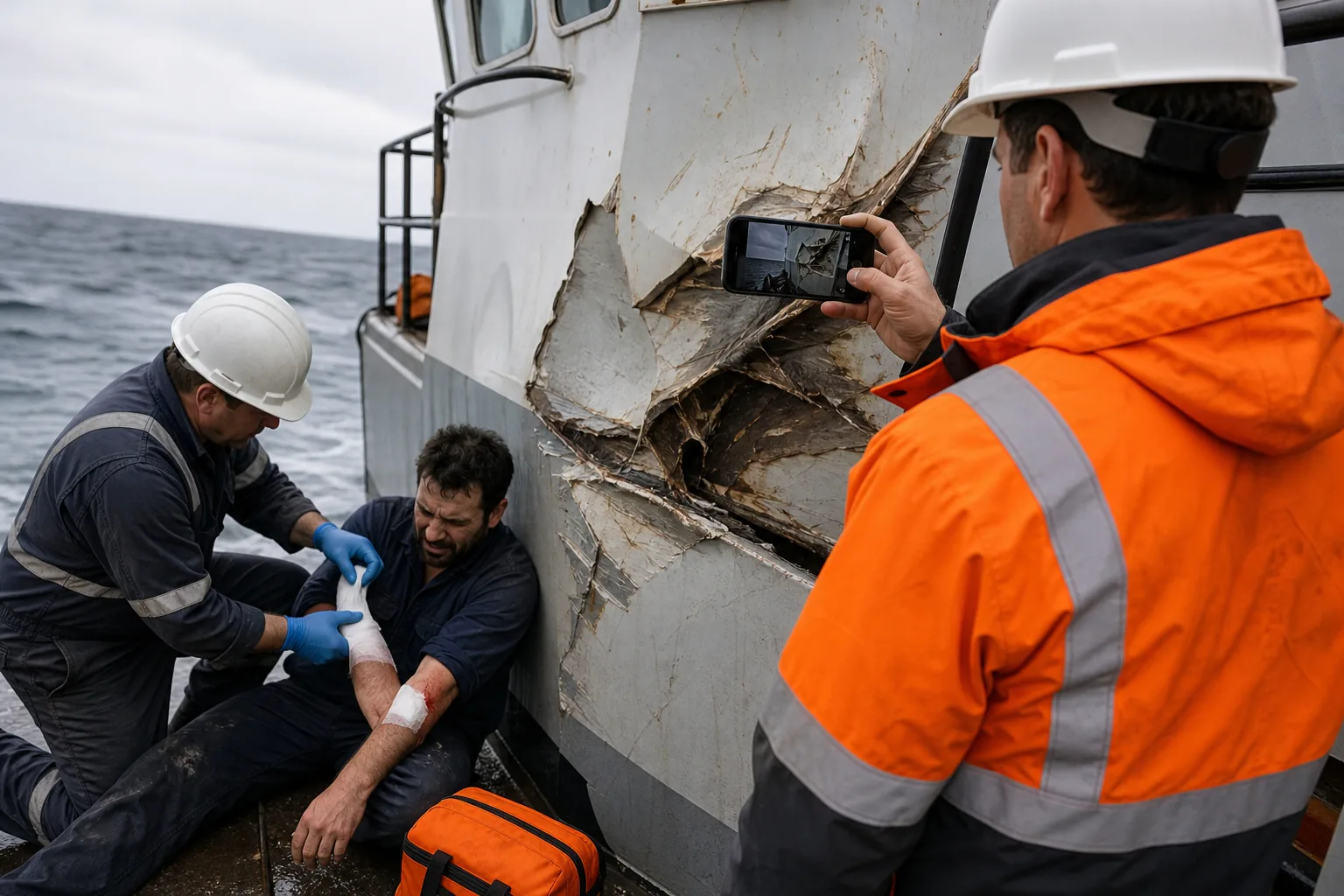
Maritime Law for Cruise Passengers: What You Need to Know

Ever been on a cruise and wondered what legal safety net you actually have? You’re not alone. Below is a straight‑forward guide to the maritime law rules that protect cruise passengers today.
Understanding Passenger Rights on Cruise Ships
Passengers have a bundle of rights that stem from both U.S. statutes and international conventions. The core idea is that cruise lines must keep you safe and must honor the contract you signed when you bought the ticket.
One of the most cited sources explains that these rights include a duty of care, the right to compensation for injuries, and the right to a safe environment on board (The Cruise Lawyer). The duty of care means the ship’s captain and crew must act with reasonable prudence to avoid harm.
How the duty works in practice: if a wet deck leads to a slip‑and‑fall, the cruise line can be held responsible if it failed to warn or fix the hazard. The same principle applies to food safety, medical treatment, and even lost luggage.
Where you see these rights in action varies by itinerary. A cruise that departs from a U.S. port is subject to U.S. maritime statutes, while voyages that only touch foreign ports may fall under the Hague‑Visby Rules or other international agreements.
Pitfalls include the fine print in the ticket contract. Many passengers overlook clauses that limit liability, especially when the ship never stops at a U.S. port. Ignoring these clauses can make it harder to claim compensation later.
Understanding these rights before you set sail can save you time and stress if something goes wrong.
Liability and Compensation Claims for Injured Passengers
When an injury occurs, the cruise line’s liability hinges on whether it breached its duty of care. The captain, ship owner, and even the operating company can be named in a claim.
Federal maritime law, including the Jones Act, provides a route for compensation if the vessel is U.S.‑registered or the cruise starts or ends in the United States (Friedman Rubin). The Jones Act traditionally helps seamen, but courts have extended its reach to passengers in certain cases.
To file a claim, you’ll need documentation: medical records, photos of the incident, and written statements from crew. The stronger the evidence, the higher the chance of a fair settlement.
Claims can cover medical expenses, lost wages, pain and suffering, and sometimes punitive damages if the cruise line acted recklessly.
A common pitfall is the “damage‑limitation clause” many tickets contain. If the cruise never stops at a U.S. port, that clause may limit what you can recover, unless you can prove gross negligence.
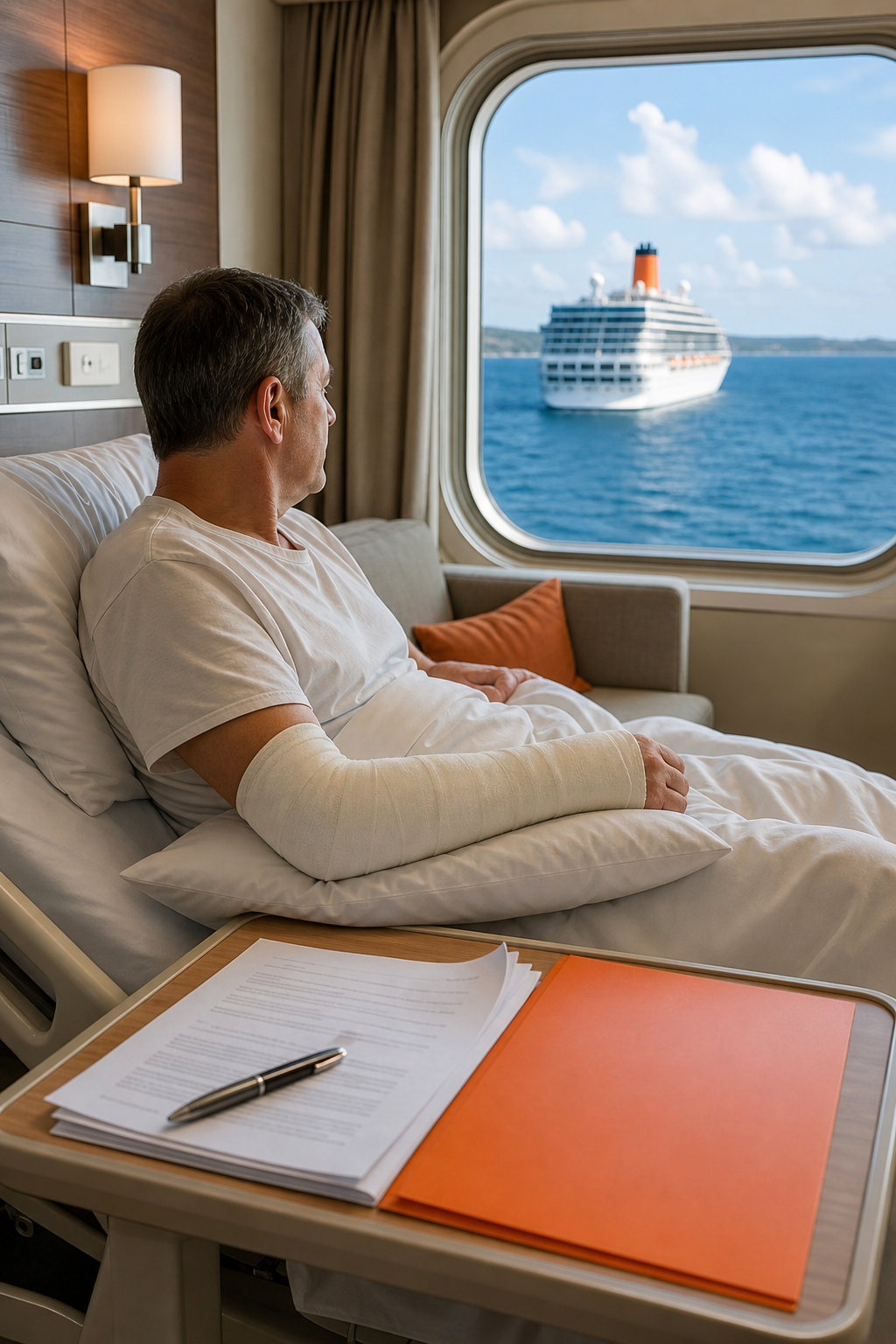
Common Legal Issues and How to Address Them
Beyond injuries, passengers run into other legal snags: overbooking, false advertising, and inadequate medical care on board. Each issue has its own legal pathway.
The law that applies often mixes U.S. maritime statutes with the contract you signed. For example, the Federal Maritime Commission regulates overbooking and must be notified if you’re denied a cabin (Perkins Law Offices). If the cruise line promises a “spa day” that never happens, that could be a breach of contract.
Addressing these issues starts with a written complaint to the cruise line’s customer service. Keep a copy of every email and note the dates you sent them. If the line ignores you, you can file a complaint with the Federal Maritime Commission or pursue a lawsuit in federal court.
Medical malpractice on a ship is another gray area. The ship’s doctor must meet the same standard of care as a land‑based physician, but proving negligence can be tricky without expert testimony.
One pitfall is waiting too long. Maritime claims often have shorter statutes of limitations than typical personal injury cases. Acting quickly protects your right to sue.
Handling International Jurisdictions and Ticket Contracts
Where a cruise sails determines which laws apply. The three broad categories are: voyages that call on a U.S. port, voyages that stop in an EU port, and voyages that avoid both.
U.S. port calls bring the passenger under U.S. maritime law, which generally offers stronger consumer protections. EU ports fall under the Athens Convention, which also caps liability but provides clear rules for compensation.
When a cruise never touches U.S. or EU ports, the ship’s flag state law governs. That can mean weaker protections, depending on the country’s regulations.
Ticket contracts often embed the applicable law clause. Reading that clause tells you which court will hear a dispute. Some contracts even require arbitration, which can limit your ability to go to court.
Because contracts are dense, many passengers miss the clause that forces arbitration in a foreign country. That can add cost and delay to any claim.
maritimeattorney.ai offers a concise rundown of these jurisdictional nuances and can help you decide if you need a lawyer. Their guide walks through the key steps without jargon.
For a deeper look at how to choose the right legal help, check out the Cruise Ship Attorney Resource Guide 2026. It explains the criteria you should weigh when selecting counsel.
FAQ
What legal rights do I have if I slip on a cruise deck?
You have the right to compensation if the cruise line failed to warn or fix a known hazard. Document the slip, get medical care, and report the incident to the crew immediately.
Can I sue a cruise line in U.S. federal court?
Yes, if the cruise starts or ends in the United States or the vessel is U.S.‑registered. The Jones Act and other maritime statutes give you a federal forum for claims.
Do cruise contracts limit my ability to claim damages?
Many contracts contain damage‑limitation clauses that cap recovery, especially for voyages that never touch a U.S. or EU port. Knowing the clause before you travel helps you assess risk.
How long do I have to file a maritime injury claim?
Statutes of limitations vary, but many maritime claims must be filed within two years of the injury. Acting quickly preserves your rights.
What should I do if I receive inadequate medical care on board?
Request a copy of your medical records, note the doctor’s name, and file a formal complaint with the cruise line. If the issue isn’t resolved, you can pursue a malpractice claim under maritime law.
Conclusion
Maritime law gives cruise passengers a set of safety nets, but the protections only work if you know them. For a quick next step, 2026 to see how to protect your rights before you set sail.