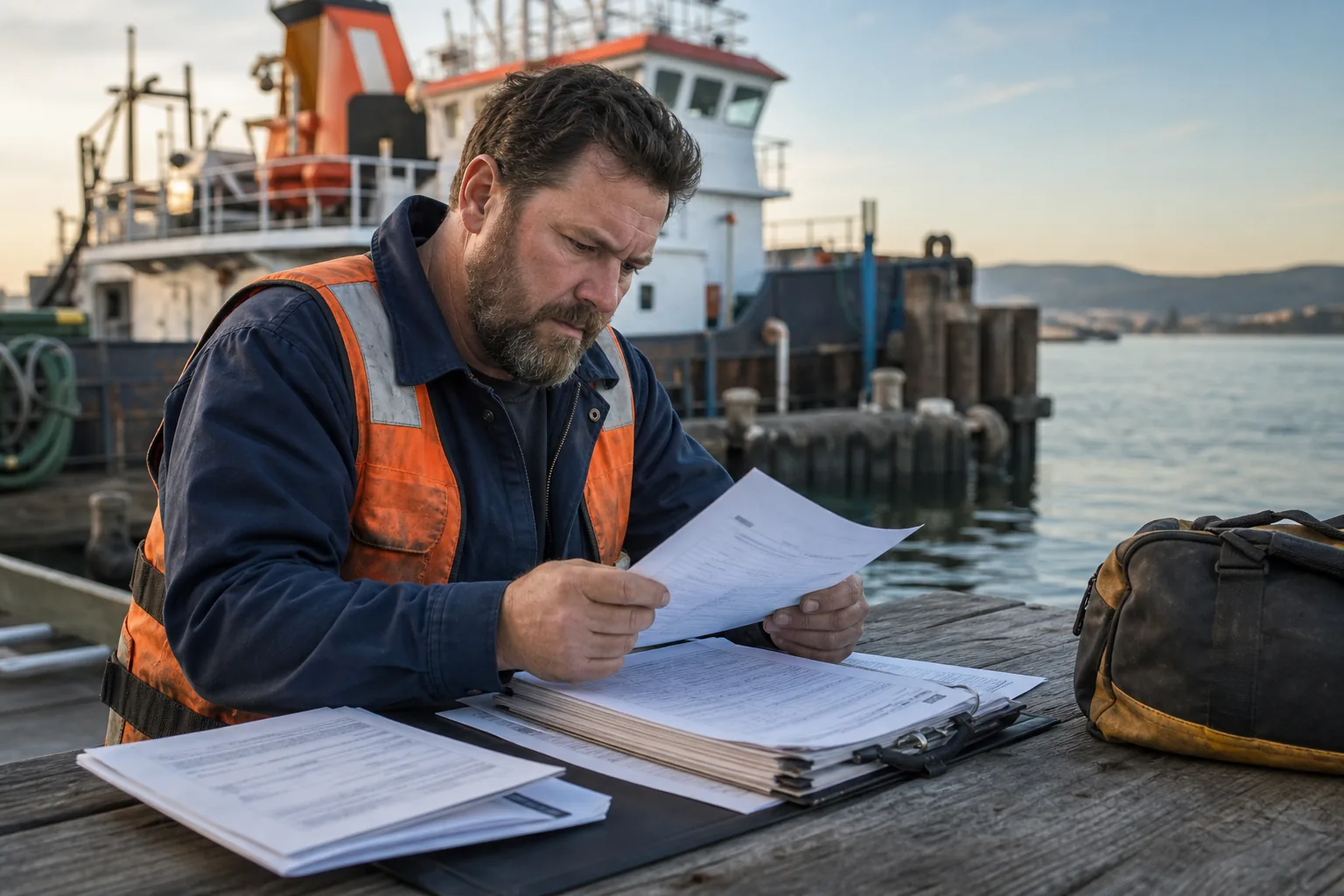
Maritime Labour Convention: A Complete Guide

Ships cross oceans every day. People on board need safe work and decent living conditions. The maritime labour convention makes that happen. In this guide you’ll get a clear picture of what the convention covers, who it protects, and how it is enforced.
We’ll break down the history, the main rules, the rights of crew, the duties of owners, and the latest updates. By the end you’ll know what steps to take to stay compliant and protect seafarers.
What Is the Maritime Labour Convention?
The maritime labour convention, often called the MLC, 2006, is a global agreement that sets minimum standards for ship workers. It was adopted at an ILO conference in 2006 and became binding on 20 August 2013. The convention is sometimes called the seafarers’ bill of rights because it covers everything from wages to medical care.
It applies to commercial vessels of 500 gross tonnage or more that sail on international routes. Those ships must carry a Maritime Labour Certificate and a Declaration of Maritime Labour Compliance. Inspectors check those papers when a ship enters a port that has ratified the convention.
Why does it matter? Without a common set of rules, ship owners could cut costs by ignoring safety or paying crew poorly. The MLC levels the playing field, so quality owners aren’t undercut by those who ignore standards.
Today more than 90 % of the world’s shipping tonnage is covered by the convention. That means most crew you’ll meet on a cargo ship, cruise liner, or offshore platform are protected by the same basic rights.
For a full rundown of the convention’s purpose and entry‑into‑force details see the International Labour Organization (ILO) description here. The ILO also explains how the MLC fits with other maritime rules.
And that’s just the start. Next we’ll look at the actual rights and duties that the convention spells out.
Key Provisions and Standards Under the MLC
The MLC bundles 68 older conventions into a single, easy‑to‑read document. It groups standards under four main headings: employment conditions, health and safety, accommodation and food, and social protection.
First, employment conditions cover minimum age, employment contracts, hours of work and rest, wages, and paid leave. A ship must keep a record of each crew member’s contract and make it available for inspection.
Second, health and safety require a safe workplace, proper safety equipment, and regular drills. The ship’s medical facilities must be adequate for the size of the crew and the voyage length.
Third, accommodation and food set out minimum space per person, ventilation, lighting, and nutrition standards. Meals must be varied, balanced, and meet cultural or religious needs.
Finally, social protection includes medical care ashore, repatriation at the end of a contract, and financial security for unpaid wages or abandonment.
Below is a quick comparison of the four headings and the key checks inspectors look for.
The International Transport Workers' Federation (ITF) explains these rights in plain language here. It’s a good place to see how the standards play out on a day‑to‑day basis.
Ship operators use the table to run internal audits. If a gap shows up, they fix it before the next port‑state inspection. That prevents costly detentions.
Remember, the convention is living legislation. Amendments can tighten standards, so keep an eye on updates.
Seafarer Rights and Protections
Seafarers enjoy a bundle of rights that cover work, health, and payment. The MLC makes sure those rights are written into law, not left to a ship’s goodwill.
One key right is the guarantee of a written employment agreement. The agreement must spell out wages, hours, leave, and repatriation. If a crew member feels the contract is broken, they can raise a complaint with the ship’s union or the flag‑state authority.
Another protection is the right to safe and healthy living conditions. That includes proper sleeping quarters, clean water, and nutritious meals. If a ship’s galley falls short, inspectors can order the crew to receive meals ashore until the issue is fixed.
Medical care is also covered. Seafarers must have access to on‑board medical facilities and, if needed, to shore‑based hospitals. The convention requires the ship to carry a medical care plan and to keep a list of nearby facilities.
Financial security is a big part of the MLC. Ship owners must hold insurance or other financial guarantees that cover unpaid wages, repatriation costs, and compensation for death or long‑term disability. If a ship abandons its crew, the financial security certificate ensures the crew can get paid.
Seafarers can also appeal to the International Labour Organization if a flag state fails to enforce the rules. The ILO’s database of national determinations shows which countries have declared exemptions.
For deeper insight into maritime law, Maritime Law Explained. It walks through related legal concepts and how they intersect with the MLC.
These rights aren’t just theory. In 2023 a crew on a bulk carrier filed a claim for unpaid wages and won a settlement after the ship’s insurer paid out under the MLC financial security clause.
Understanding the rights helps crew members speak up and helps owners avoid violations.
Shipowner Responsibilities and Compliance
Ship owners bear the bulk of the compliance burden. They must obtain two certificates: the Maritime Labour Certificate and the Declaration of Maritime Labour Compliance. Those papers prove that the ship meets every standard.
Owners also need to keep up‑to‑date records for each crew member. That means contracts, wage statements, and training certificates. The records must be shown to flag‑state inspectors and, when the ship calls at a port, to port‑state officials.
Financial security is a big piece. Owners must arrange insurance or other guarantees that cover repatriation, unpaid wages, and compensation for death or disability. The certificates must list the insurer and the coverage limits.
Regular internal audits help catch gaps before an outside inspection. An audit checklist might include: verify contracts, check medical supplies, inspect living quarters, and confirm insurance coverage. If anything is missing, the owner fixes it right away.
Owners also need to train their crew on the MLC. That includes safety drills, health‑care procedures, and how to file a complaint. Training should be documented and refreshed annually.
When a ship is found non‑compliant, the flag state can issue a notice of non‑compliance or even detain the vessel. That leads to lost revenue and reputational damage.
Best practice is to work with a P&I club that offers MLC‑specific certificates and guidance. Many clubs provide template certificates that meet the International Group (IG) wording requirements.
In practice, a shipowner who follows the checklist can avoid costly delays. For example, a container line that instituted quarterly MLC audits saw a 30 % drop in detention incidents over two years.
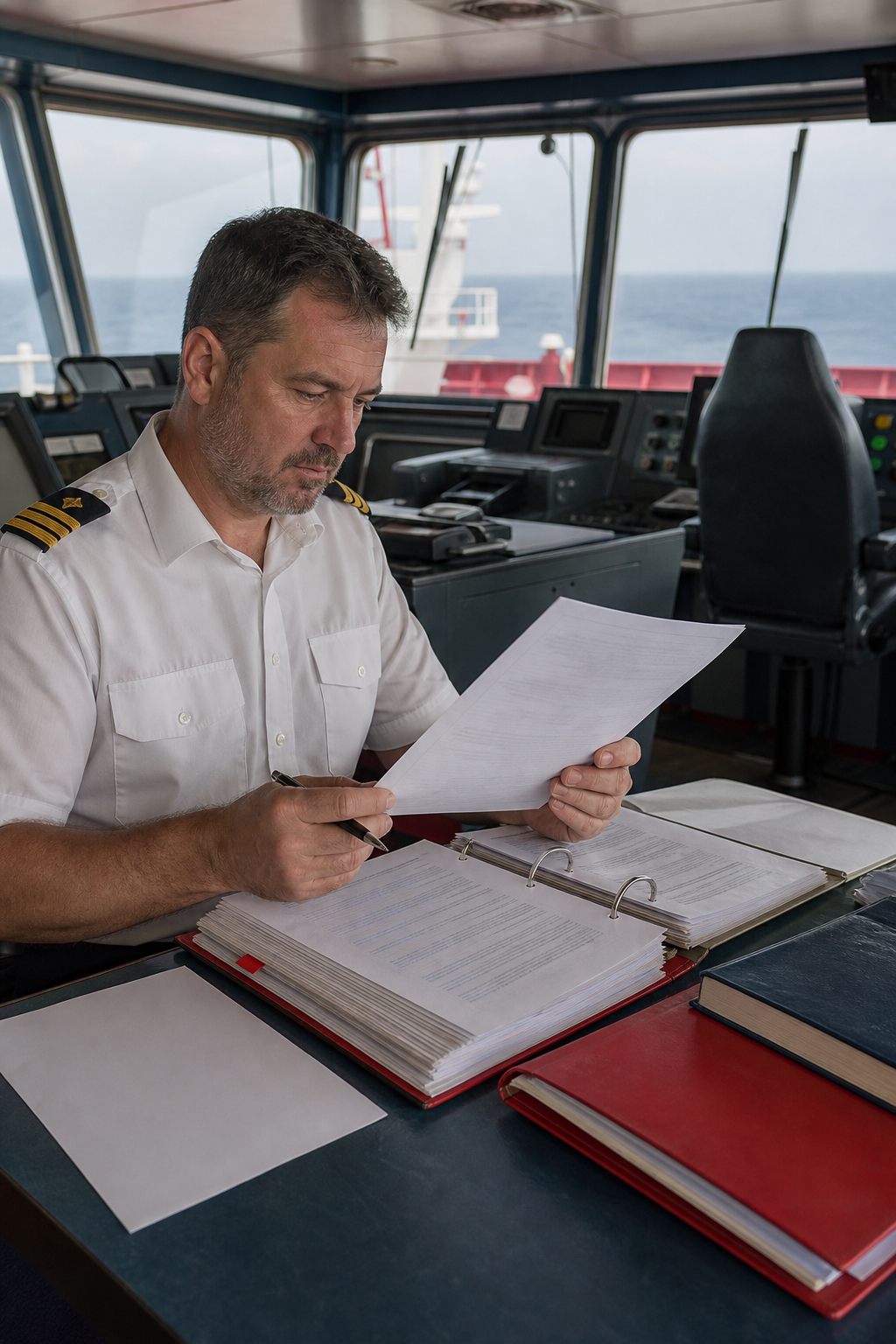
Staying on top of the rules isn’t optional, it’s essential for smooth operations.
Flag State and Port State Control
Flag states are the primary regulators. They issue the certificates and conduct inspections on ships that fly their flag. If a flag state fails to enforce the MLC, other countries can step in through port‑state control.
Port‑state control officers check the certificates when a ship calls at a foreign port. They compare the ship’s documents with the actual conditions on board. If they spot a breach, they can detain the vessel until the problem is fixed.
The International Maritime Organization (IMO) supports this system. Its guidelines explain how port‑state officers should carry out inspections here. The IMO also promotes regional agreements, like the Paris MoU in Europe, to share inspection data and focus on high‑risk ships.
One usable tip is to keep a digital copy of the certificates on board. That lets inspectors view the documents quickly, reducing the chance of a paperwork snag.
Flag‑state inspections are also part of the picture. The ILO has published detailed guidelines for flag‑state inspections, which help ensure consistency across jurisdictions.
If a ship is flagged by a non‑MLC state but calls at an MLC‑compliant port, the port authority can still require proof of financial security. That prevents ships from “flag hopping” to avoid the rules.
Overall, the two‑tier system creates a safety net. Flag states set the baseline, and port states act as the watchdog.
Recent Amendments and Updates to the MLC
The convention is not frozen in time. In 2022 a set of eight amendments were adopted to address lessons learned from the pandemic and other recent events.
One big change is the new requirement for social connectivity. Ships must provide reliable internet or messaging apps so crew can stay in touch with families. The amendment aims to cut isolation and improve mental health.
Food and water standards were also tightened. The updated rules demand that meals be balanced and that drinking water be free and sufficient for the entire crew.
Medical care requirements were expanded, too. Ships now must ensure prompt disembarkation for crew needing urgent treatment and must have clear procedures for handling deaths at sea.
"The 2022 amendments bring the convention into the modern age, recognizing that connectivity and mental health are as vital as safety equipment."
Implementation varies by country. The United Kingdom published guidance on how it will bring the new standards into national law, noting that some provisions will take effect in Spring 2026.
Owners should review the amendment list now and update their policies. A common mistake is to assume the old certificates still cover the new rules. In reality, the certificates must be re‑issued once the amendments are in force for the ship’s flag.
Staying current helps avoid surprises during inspections and keeps crews protected under the most up‑to‑date standards.
Frequently Asked Questions
What vessels are covered by the maritime labour convention?
The MLC applies to commercial ships of 500 gross tonnage or more that operate on international voyages. It also covers ships engaged in national voyages if they meet the tonnage threshold. Vessels that operate only in inland waters, traditional dhows, junks, warships, or fishing boats are generally excluded.
Do flag states that have not ratified the MLC have to follow its rules?
If a ship flies a flag of a state that has not ratified the convention, it still must comply when it calls at a port of a ratifying state. Port‑state control can inspect the ship and enforce the standards, preventing a “no‑more‑favourable‑treatment” loophole.
How often must a ship renew its Maritime Labour Certificate?
Certificates are usually valid for one year. They are tied to the ship’s insurance period and are re‑issued each year, typically from noon GMT on 20 February. Owners should start the renewal process well before the expiry date to avoid gaps.
What happens if a crew member’s wages are withheld?
The MLC requires ship owners to have financial security that covers up to four months of unpaid wages. If wages are withheld, the crew can file a claim with the flag‑state authority or the ship’s insurer. The financial security certificate guarantees payment even if the owner defaults.
Can a seafarer complain about poor living conditions while at sea?
Yes. The MLC mandates a complaint‑handling procedure on board. Crew can raise issues with the master, who must forward them to the shipowner or designated representative. If the problem is serious and not resolved, the crew may involve the flag‑state or a union.
How do the 2022 amendments affect shipowners?
The new rules add obligations for internet access, balanced meals, and faster medical evacuation. Shipowners must update contracts, upgrade catering facilities, and ensure insurance covers the expanded financial security. Failure to adapt can lead to detention or fines during inspections.
Conclusion
The maritime labour convention is the backbone of fair treatment for the men and women who keep global trade moving. It sets clear rules for wages, safety, living standards, and medical care. Ship owners must hold the right certificates, keep thorough records, and stay on top of the latest amendments. Flag states and port‑state inspectors work together to enforce the standards and keep a level playing field.
By following the guidelines in this guide, owners can avoid costly detentions, crews can enjoy safer and healthier voyages, and regulators can ensure the convention lives up to its promise. For more on related maritime legal topics, explore other resources on our site. Staying informed is the best way to keep ships compliant and crews protected.