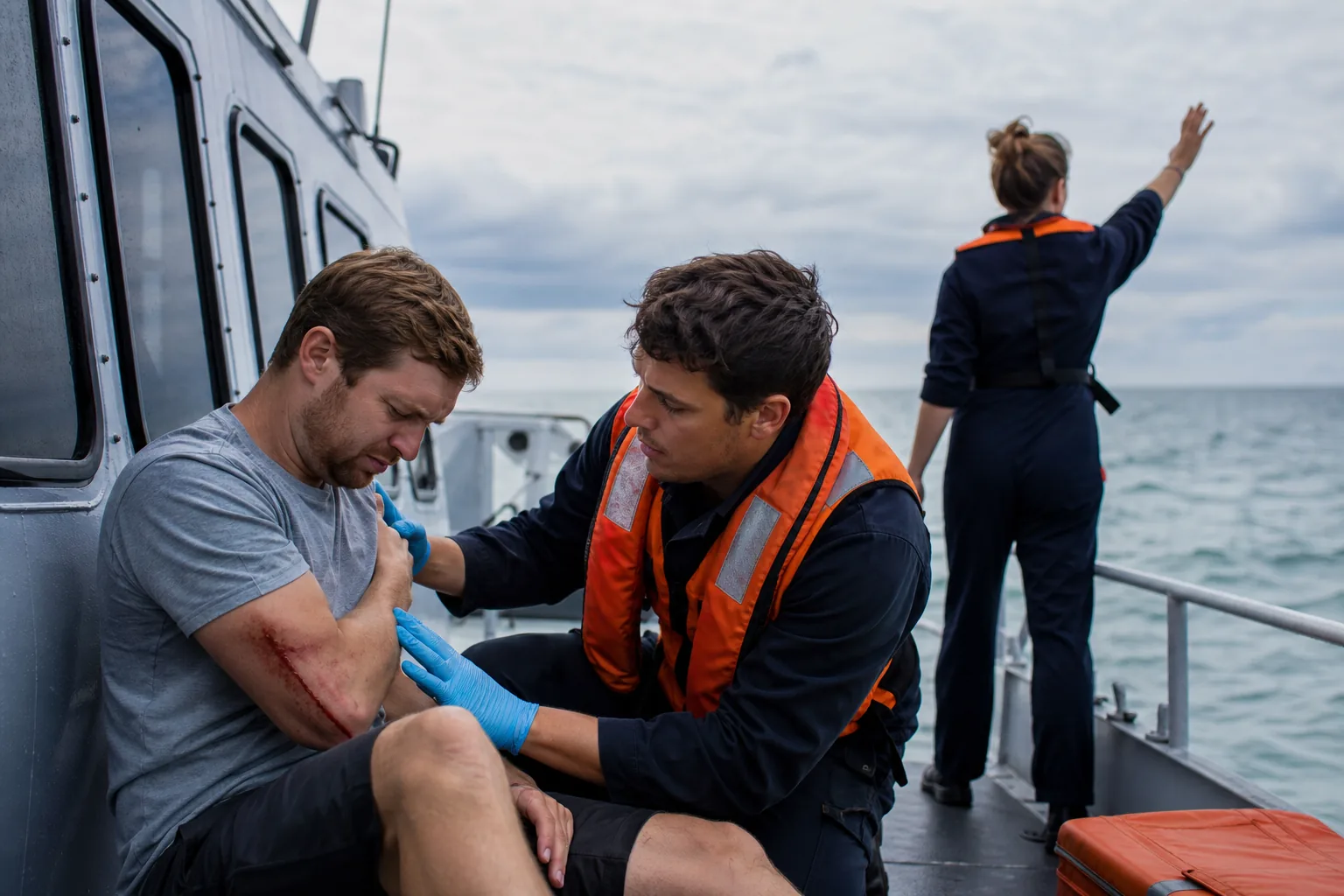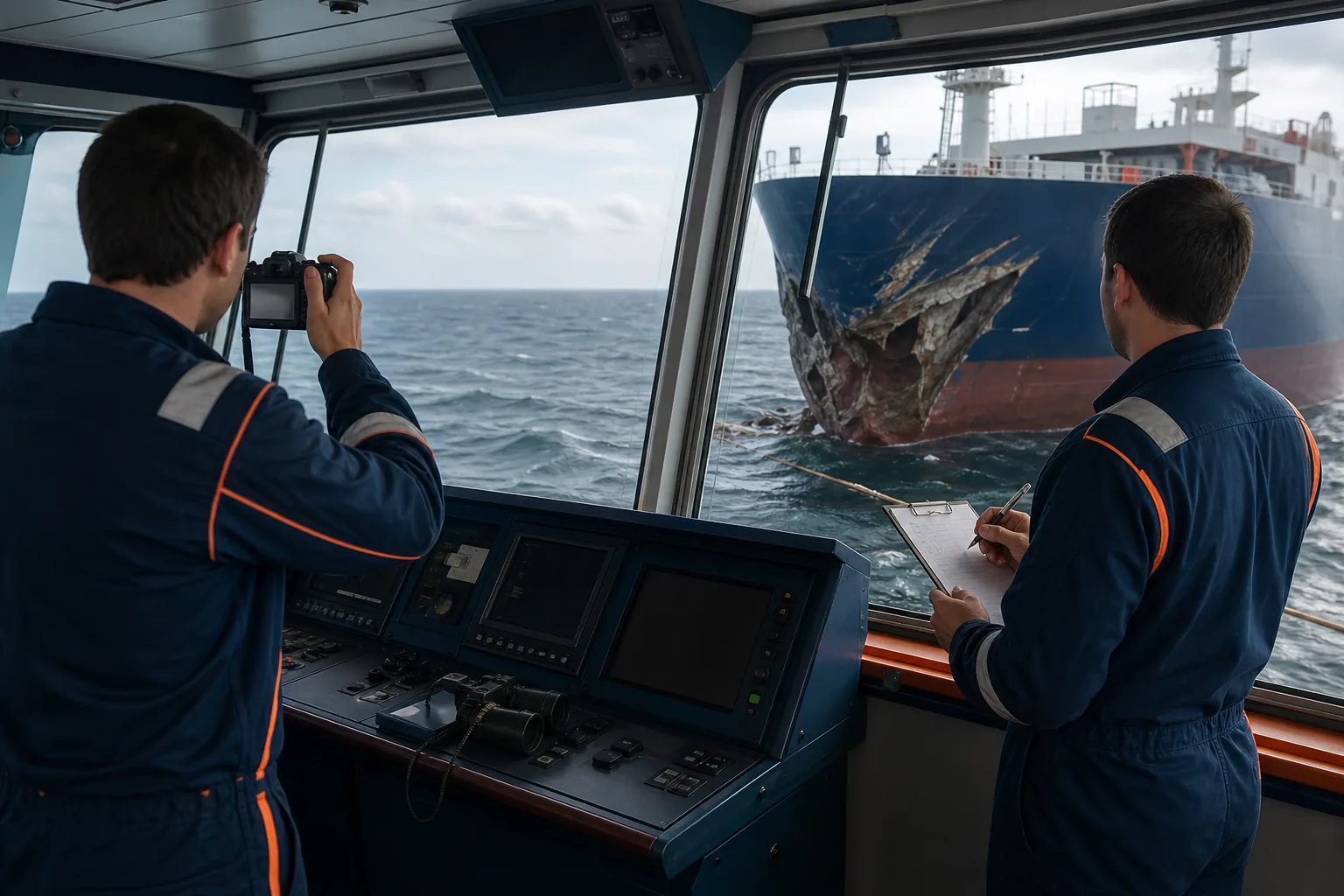
Maritime Injury Claim Free Consultation: What to Expect
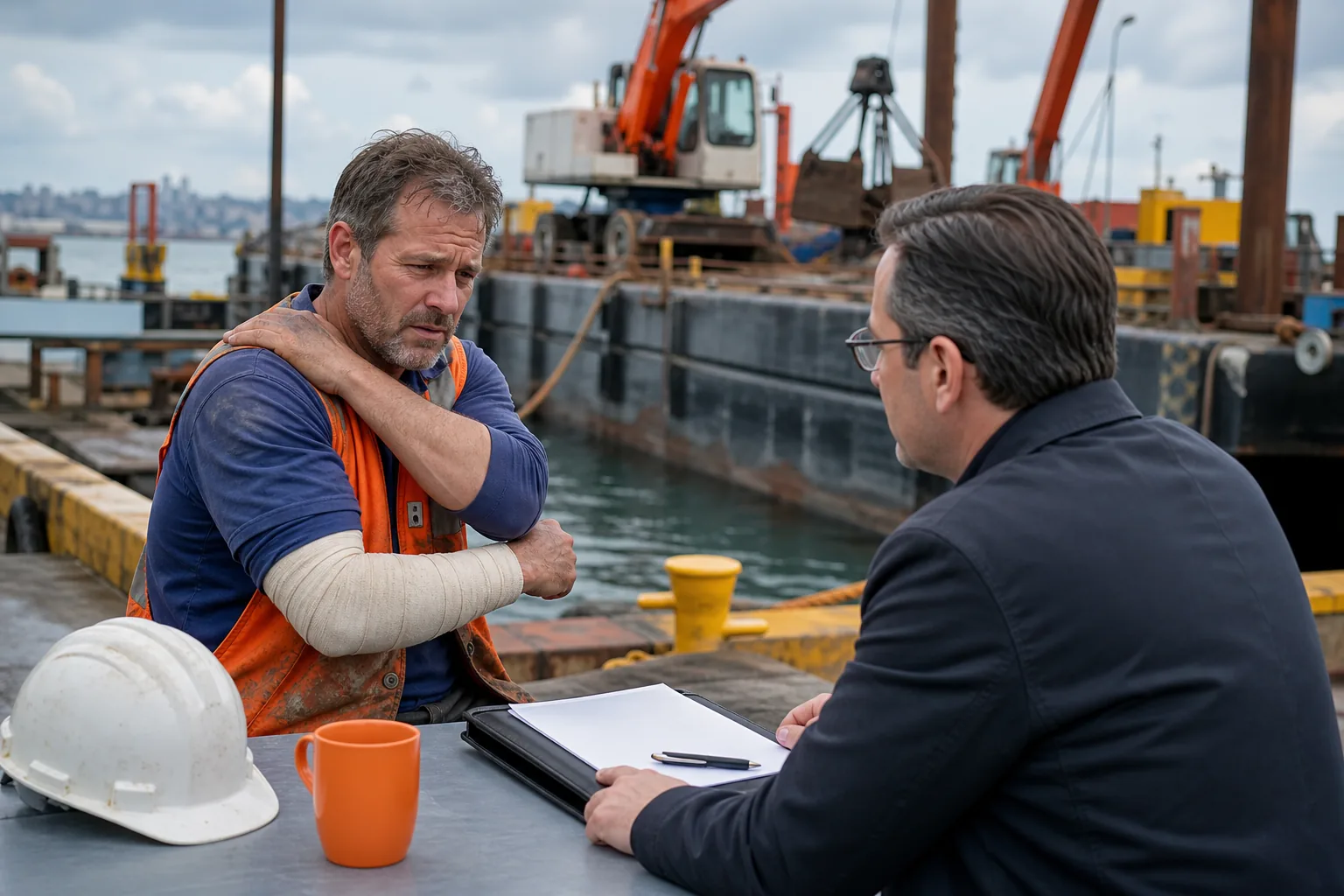
A free consultation can clarify whether your injury falls under maritime law before a deadline passes. It also gives a lawyer the facts needed to assess your worker status, possible claims, and next steps. Use these five steps to prepare for a maritime injury claim free consultation with maritimeattorney.ai or another qualified maritime lawyer.
Step 1: Confirm Whether Your Injury May Fall Under Maritime Law
Start by writing down where you worked, what your job involved, and where the injury happened. Those facts help show whether federal maritime law may apply.
Possible settings include a vessel, dredge, construction barge, pile driver, dock, port facility, offshore platform, or navigable waterway. A worker may have a claim under the Jones Act, the Longshore and Harbor Workers’ Compensation Act, general maritime law, or another rule. The right path depends on the facts.
A seaman usually has a regular and meaningful connection to a vessel or fleet of vessels. The vessel does not need to be self-propelled. Barges, dredges, pile drivers, and floating cranes may qualify when they are used, or can be used, for transportation.
The Jones Act’s basic framework covers certain seamen injured through employer negligence. A worker’s job duties matter as much as the name on a pay stub. Handling lines, helping move or anchor a vessel, working on deck, or keeping vessel systems working may support seaman status.
Other workers may fall under the LHWCA. This can include some longshore workers, harbor workers, and people who work near navigable water without a strong connection to a vessel. Some workers operate in a gray area. They may receive one type of benefit while also reviewing another possible claim.
Do not decide your legal status from your job title alone. Make a short timeline that shows how often you worked aboard a vessel or fleet. Note the vessel names, work sites, supervisors, and tasks you performed there.
For a plain-language overview of vessel incidents and related claims, review these maritime accident types. The page can help you describe the event before your meeting.
Step 2: Gather Evidence Before Your Maritime Injury Consultation
A maritime injury claim free consultation works best when the lawyer can see more than a short account of the accident. Gather what you have. Do not delay medical care while searching for every document.
Begin with a one-page account of the event. Write the date, time, vessel or site, weather or sea conditions, task, equipment involved, and names of people who saw what happened. Use your own words. Do not guess at facts you cannot recall.
Then collect the records that show what happened and how the injury changed your life:
- Incident reports, safety reports, and written statements.
- Photographs or video of the vessel, deck, machinery, work area, and visible injuries.
- Medical records, hospital bills, prescriptions, and treatment instructions.
- Pay records, work schedules, tax forms, and notes about missed shifts.
- Messages or emails with an employer, supervisor, claims adjuster, or doctor.
- Names of contractors, vessel owners, employers, and equipment operators.
Keep the original files. Store copies in a safe place outside your work email or employer device. Photos can contain useful details such as poor lighting, missing guards, wet surfaces, damaged lines, or the position of equipment.
Medical care comes first. Tell your doctor how the injury happened and explain the tasks you cannot perform. Follow treatment instructions. If an employer sends you to a doctor, ask the lawyer during the consultation whether you can choose your own doctor under the rules that may apply to your claim.
Do not post about the accident on social media. Do not give a recorded statement to an insurer before you understand what it covers. You can report the injury at work while still asking a lawyer to review later requests for statements or documents.
Liability may involve more than one party. The employer, vessel owner, contractor, equipment maker, or another worker may have a role. A clear record helps the lawyer test each possibility instead of relying on the first version given by an insurer.
Step 3: Schedule the Free Consultation and Prepare Your Questions
When you schedule a maritime injury claim free consultation, ask what information the firm wants before the meeting. Some consultations take place by video or phone. Others happen in person. The format does not change the need for clear facts.
Use the meeting to learn whether the lawyer handles the type of maritime work involved. Ask how the firm will assess your worker classification and whether it has handled cases involving your kind of vessel, dock, offshore site, or employer structure.
Write your questions before the meeting. Good questions include:
- Which maritime law may apply to my facts?
- Could I qualify as a seaman, longshore worker, or another worker type?
- Who might be responsible for the injury?
- What evidence should I preserve now?
- How could medical care and living costs be handled?
- What filing or notice deadlines should I track?
- How does the fee agreement work?
- What would make the firm decline the case?
Expect the lawyer to ask the same event in more than one way. That is normal. Injury events are stressful, and small details can affect classification or fault. Be direct about gaps in your memory, prior injuries, work restrictions, and conversations with the employer.
A consultation is an evaluation, not a promise of a result. Be cautious if anyone guarantees a settlement, gives a fixed recovery figure without reviewing records, or tells you to stop medical care.
Also ask what happens if the firm cannot take the case. A referral may still point you toward a lawyer with the right license or practice focus. If you choose maritimeattorney.ai as your starting point, use the meeting to ask for a clear explanation of the possible path rather than a sales pitch.
Step 4: Discuss Liability, Compensation, Fees, and Filing Deadlines
The main purpose of a maritime injury claim free consultation is to understand the legal path and the risks. Ask the lawyer to explain each point in plain language.
Liability and possible claims
A Jones Act claim may involve employer negligence. A separate unseaworthiness claim may focus on an unsafe vessel or equipment condition. Maintenance and cure may cover medical care and basic living support for a qualifying seaman, even when fault is disputed.
Longshore and harbor workers may have a different benefit system. The Longshore and Harbor Workers’ Compensation Act sets out federal workers’ compensation rules for covered employees. A third-party claim may also exist in some cases.
Ask which facts support each possible claim. For example, a broken winch may raise equipment and maintenance questions. A lack of training may point toward employer negligence. A contractor’s unsafe work area may raise a separate liability issue.
Compensation
Potential recovery depends on the law and the proof. It may include past or future wages, medical expenses, lost earning capacity, pain, disability, and vocational or educational retraining. Wrongful death claims follow their own rules.
Do not treat a broad damages list as a promise. The lawyer needs medical evidence, work records, and a view of your likely recovery before estimating value. A serious injury may reduce future work options even after the first hospital bills are paid.
Fees and deadlines
Many maritime injury firms use contingency agreements. That often means no attorney fee is paid at the start, with the fee taken from a recovery. The written agreement should state the percentage, case costs, expenses, and what happens if there is no recovery.
Ask about notice deadlines as well as lawsuit deadlines. Some claims may require quick notice to an employer. Jones Act claims often have a three-year filing period, but the rule may not fit every maritime claim. Claims involving a government vessel or public agency can have extra notice rules.
| Question to ask | Why it matters | What to record |
|---|---|---|
| Which law may apply? | It can change benefits, damages, and procedure. | The statute or claim type discussed. |
| What deadline comes first? | Notice and filing dates may differ. | Date, action required, and responsible person. |
| Who may be liable? | More than one company may be involved. | Names, roles, and supporting evidence. |
| What will I pay? | Fees and case costs vary by agreement. | Percentage, expenses, and payment timing. |
Step 5: Decide What to Do After the Free Consultation
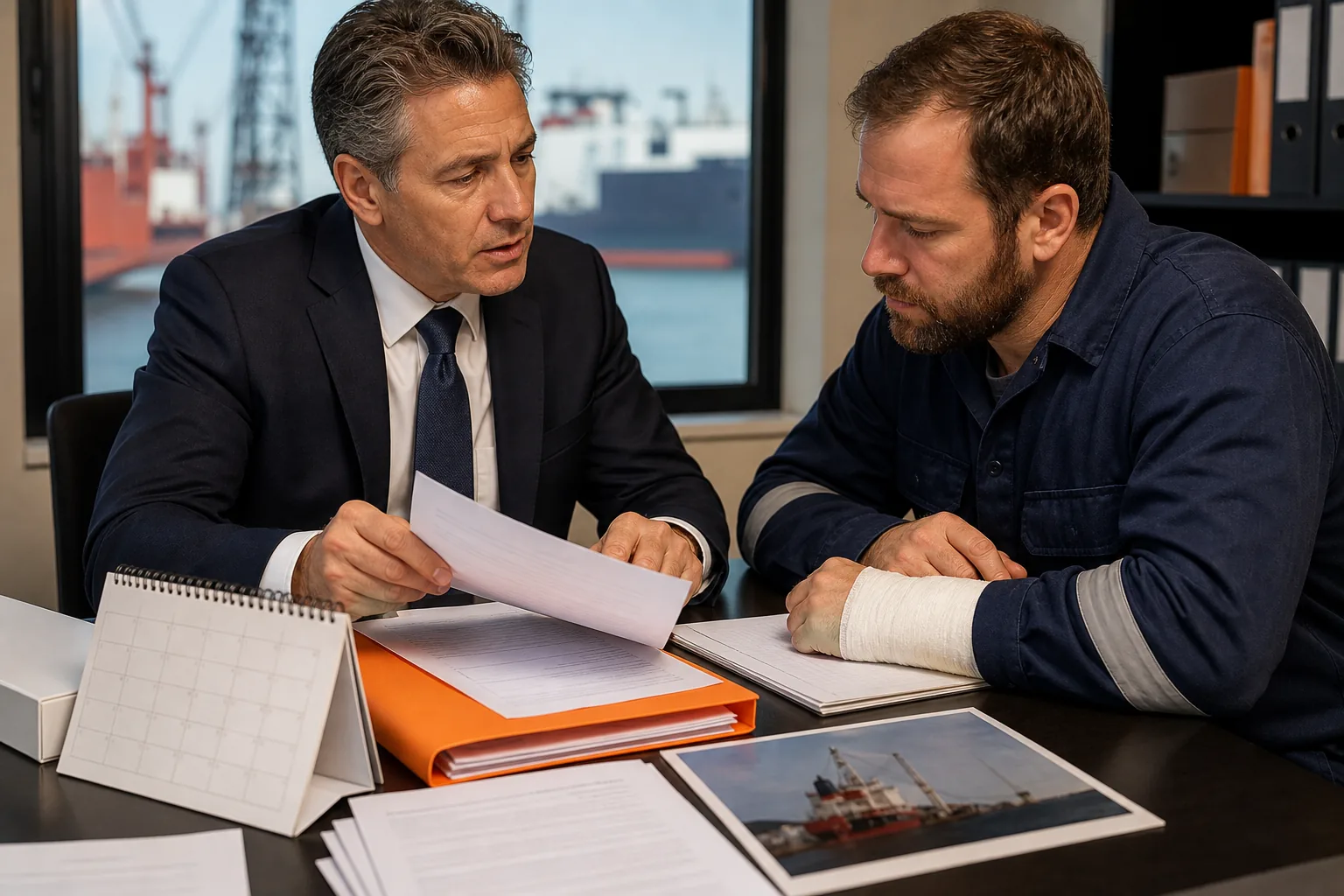
After the consultation, compare the advice with your records. A good maritime injury lawyer should explain the strengths, weak points, deadlines, and likely next steps without promising an outcome.
Review the engagement agreement before signing. Check:
- How the attorney fee is calculated.
- Which case costs you may owe.
- Who approves a settlement.
- How often the firm will update you.
- What happens if you end the relationship.
Do not sign an employer release or settlement while you are still unsure what rights it gives up. Send the agreement to the lawyer for review. Keep copies of everything you sign.
If you hire a firm, share the full record, including facts that feel unhelpful. The lawyer needs to prepare for questions about your conduct, prior health, training, and work status. Surprises are harder to manage when they appear late.
If you do not hire that firm, track the deadline yourself while you seek another opinion. A free consultation does not pause the clock. It also does not require you to hire the lawyer who reviewed your case.
maritimeattorney.ai can be a starting point for organizing your next step and deciding what questions to raise with counsel. The best choice is the one that gives you a clear plan and a fee agreement you understand.
FAQ About a Maritime Injury Claim Free Consultation
What happens during a maritime injury claim free consultation?
A lawyer reviews the accident, your job duties, your medical care, and the possible legal path. You can ask about worker status, fault, compensation, fees, and deadlines. The lawyer may not give a final opinion at the first meeting, especially when records or witness details are missing.
Is a maritime injury consultation really free?
Many firms provide an initial consultation without charging a meeting fee, but terms differ. Ask whether the meeting is free and request the fee agreement in writing before hiring anyone. A free meeting does not mean every future service or case cost is free.
What should I bring to a maritime injury consultation?
Bring your incident report, medical records, injury photos, pay records, work schedule, employer details, and names of witnesses. Bring whatever you have, even if the file is incomplete. A written timeline often helps the lawyer spot missing facts and urgent deadlines.
Can I still consult a lawyer if my employer paid medical bills?
Yes, you can still request a maritime injury claim free consultation after receiving medical payments. Payment of one benefit does not answer every question about worker status, negligence, future care, lost wages, or other claims. Keep records of every payment and treatment visit.
How soon should I schedule a maritime injury consultation?
Schedule it as soon as you can after the injury. Early advice may help preserve evidence and identify notice rules before they expire. You do not need a complete case file to begin. Tell the lawyer if an insurer has requested a statement or a signature.
Conclusion
Prepare a short timeline, gather your key records, and ask direct questions about classification, liability, fees, and deadlines. Then schedule a confidential review with maritimeattorney.ai or another qualified maritime lawyer before you sign a release or let a filing date pass.