How to Document a Ship Collision for a Legal Claim
A collision can leave you with a damaged vessel and a stack of paperwork, but one careless sentence can hurt a claim before it starts. Record facts promptly, keep original evidence, and check each reporting deadline with the right authority or legal adviser.
Step 1: Report the Collision and Record the Scene
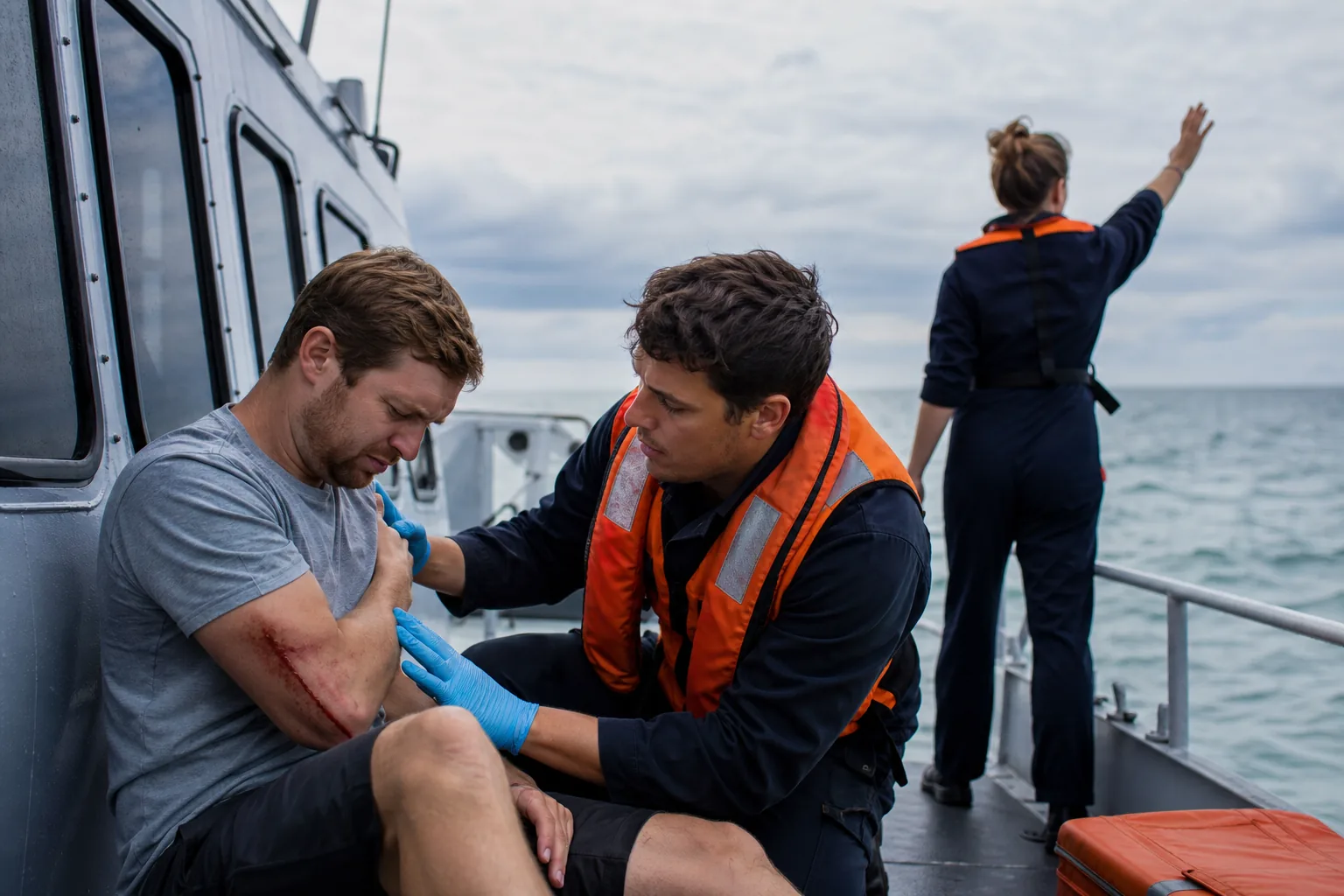
The first step in documenting a ship collision is to make sure people are safe, then make a prompt report. Follow emergency procedures, seek medical help for anyone hurt, and notify the vessel’s master, company, port authority, and relevant government agency as the situation requires.
Don’t assume one report meets every rule. Reporting duties can depend on the vessel, where the collision happened, whether anyone was injured, and the laws or contracts that apply. Some boating incidents have short reporting windows, but there’s no single deadline that fits every ship collision. Ask the responsible authority what form and timeframe apply, then keep proof of when you filed.
A reporting form may apply only to a specific context. Don’t treat it as a universal collision form. Confirm the right process for your vessel and location.
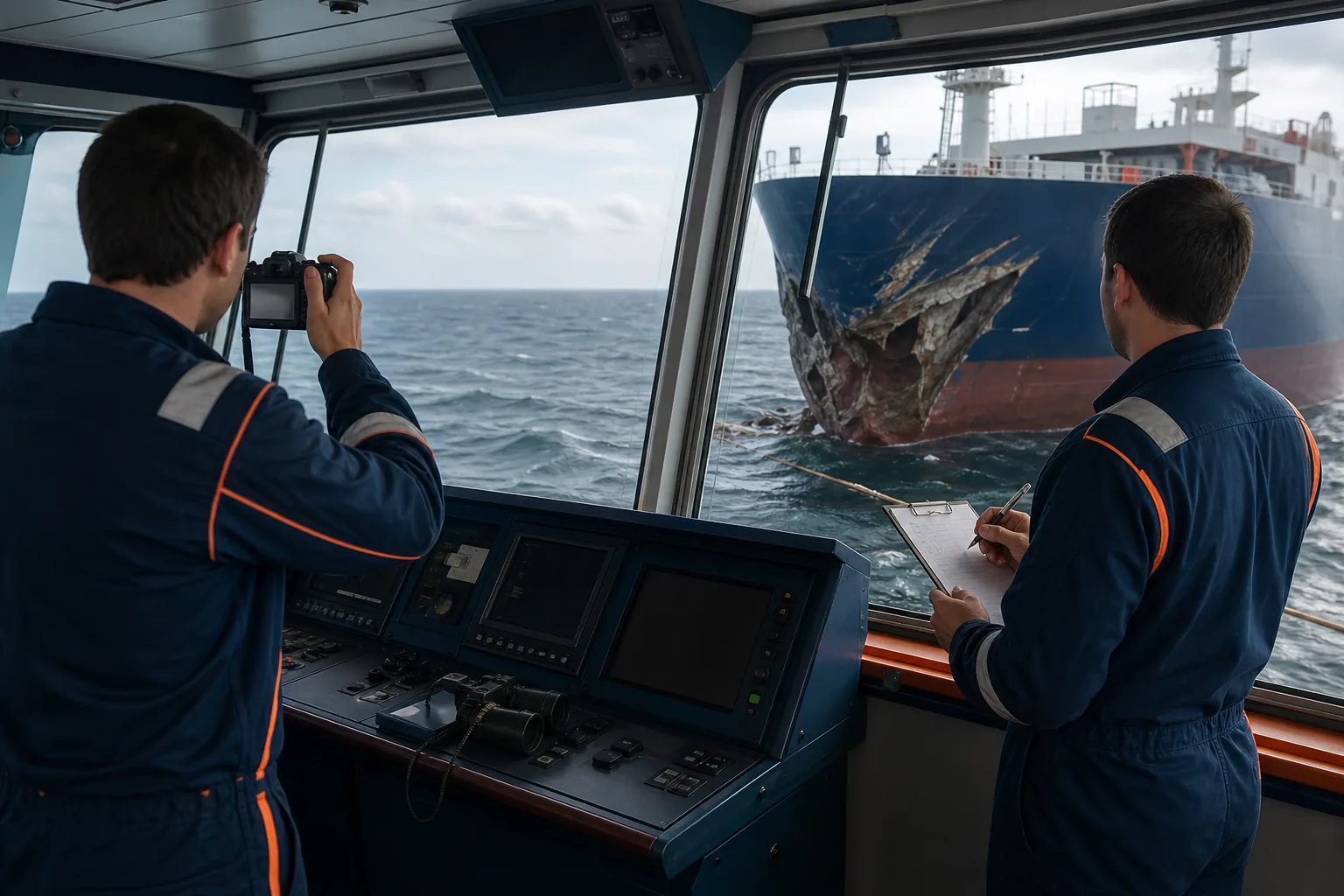
While the scene is still accessible, note the date and time, approximate position, weather, visibility, sea state, vessel headings, and damage you can see. Record what you personally observed. Avoid guessing about fault or cause. A short factual entry is safer than a confident explanation you can’t support.
Shipboard records may include a Sea Protest or a Deck Log Book entry. Keep these factual, and check that related entries, such as the Engine Log Book, don’t conflict. Don’t add a detailed theory of cause to a Sea Protest. If the other vessel asks you to sign a claim letter, get advice before signing or adding wording that could sound like an admission.
For more on how vessel type can shape the issues after an incident, see this overview of maritime accident types.
Step 2: Preserve Ship Records, Photos, and Witness Accounts
Strong collision records preserve what happened before anyone edits, moves, or forgets key details. Ask the company or vessel manager to retain relevant records at once. Don’t delete files or change log entries to make them look neater.
Build a record set that fits the event. Include:
- Photos and video of both vessels, damage, the water, and any hazards.
- Bridge, deck, and engine log entries, plus available navigation or vessel data.
- Maintenance and inspection records for damaged or failed equipment.
- Weather reports, voyage records, bills of lading, and cargo documents if cargo was affected.
- Written accounts from crew or other witnesses, made separately and as soon as possible.
- Medical notes and treatment records for anyone who was hurt.
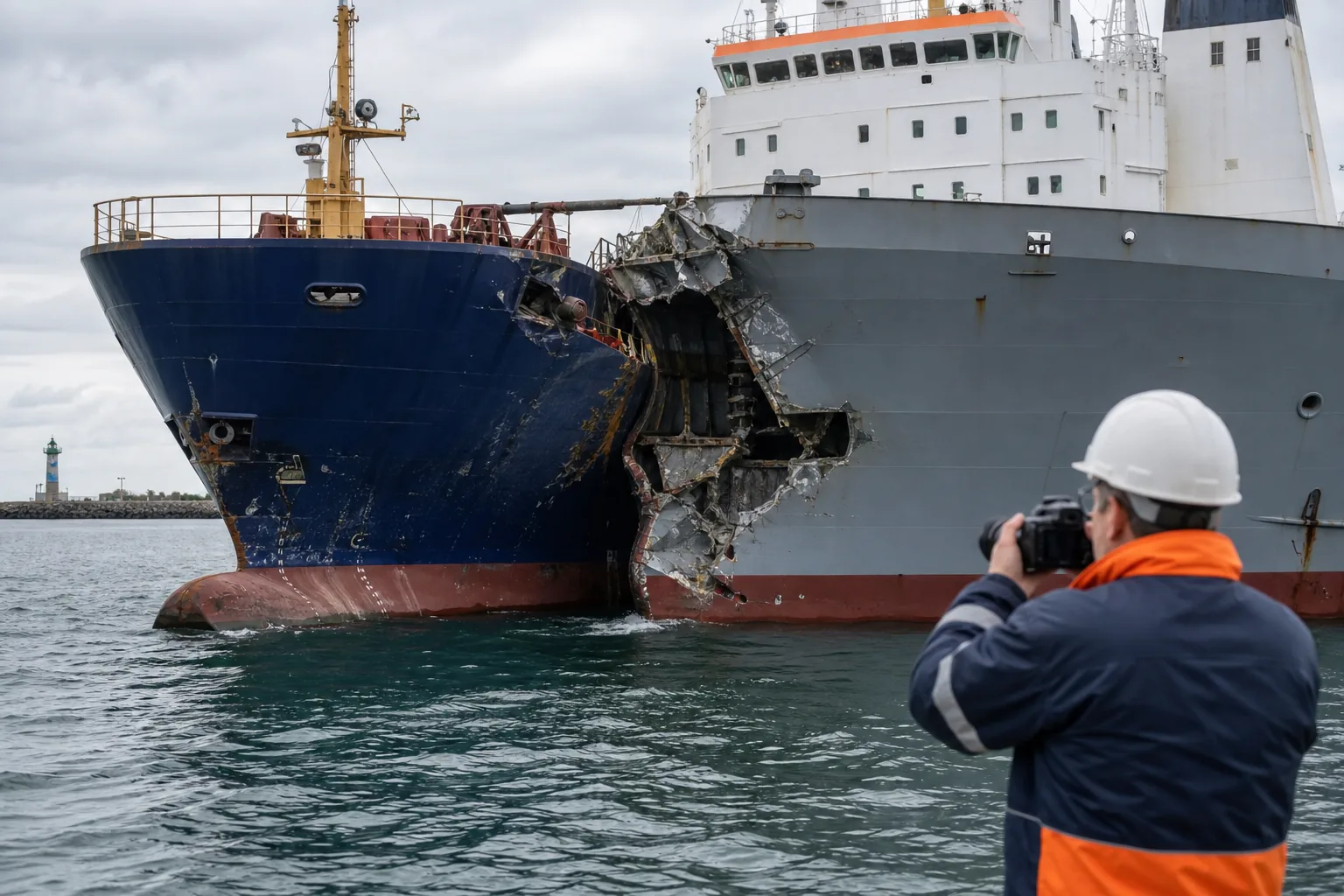
Take wide shots first to show the scene, then close views of damage. Keep original files where possible. Note who took each image, when it was taken, and what it shows. If camera footage may exist on a ship or dock, ask the owner to preserve it quickly. Systems may overwrite old footage, and a request made later might come too late.
Ask witnesses to write what they saw in their own words. Record their names and roles, plus the date the account was made. Don’t give them a script or ask them to agree on one version. If a person only heard an impact or saw the aftermath, make that limit clear in the record.
Keep the focus on preserving the records tied to your event, not on copying a generic checklist without checking what applies.
For commercial vessels, cargo and voyage documents may help show what was aboard and how the trip was managed. For a private boat, focus on its registration, damage, operator account, and any required local report. The records differ, so match your file to the vessel and claim.
By now, you should have a secure copy of key records, a list of missing items, and names for anyone who can fill those gaps.
Step 3: Create a Clear, Consistent Written Record
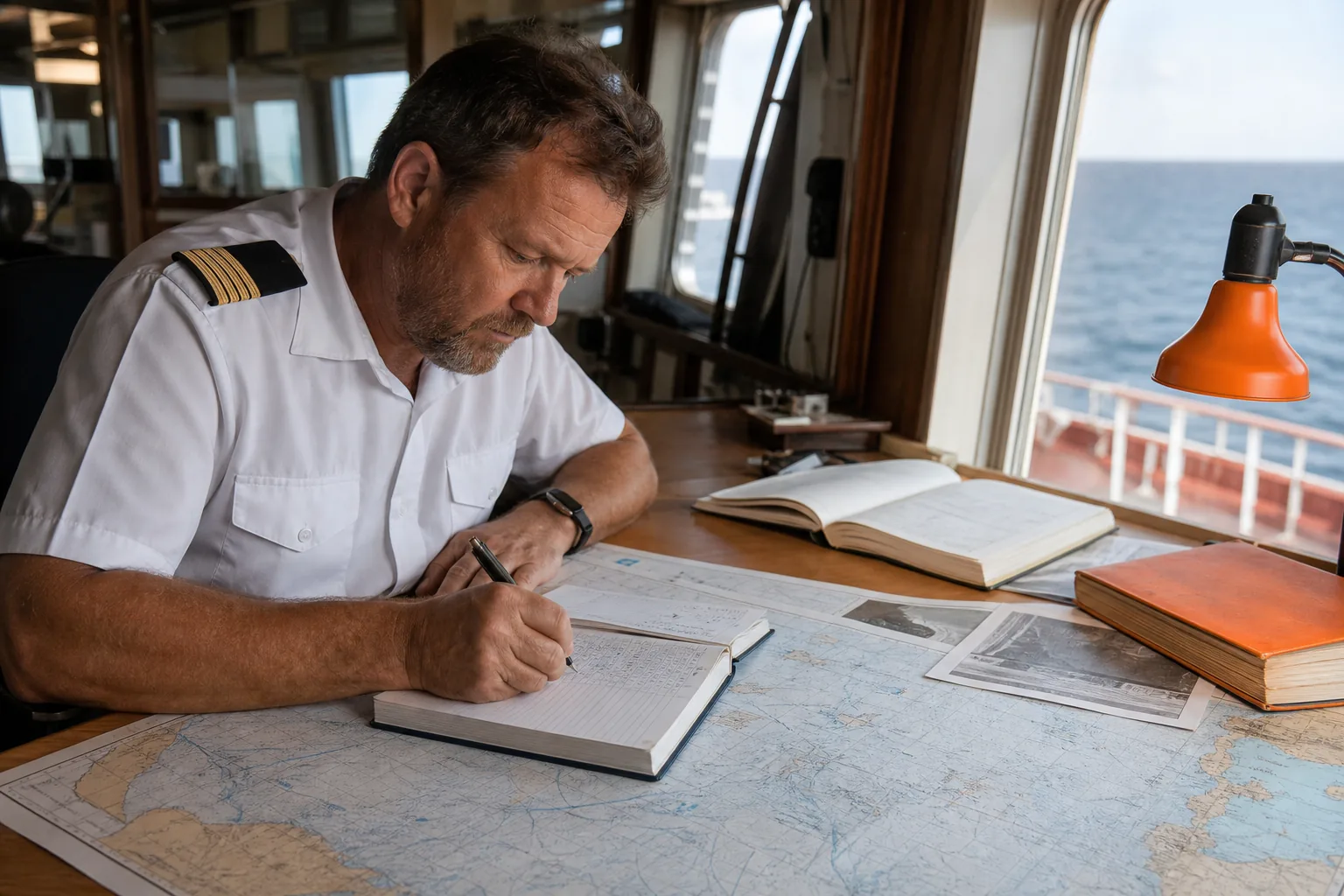
A clear written timeline helps others follow the event without filling gaps with assumptions. Start with a private chronology while memories are fresh. Include what happened before impact, what you saw or heard at the time, and what took place afterward.
Use approximate times when that’s all you know. Mark estimates as estimates. If two clocks show different times, note the difference rather than changing one record to match another. This matters when a log entry, a camera file, and a witness account appear to disagree.
Separate direct observations from secondhand information. For example, write that you saw damage to the port side. Don’t write that the other vessel caused it unless you know that firsthand or can point to evidence that supports the claim. Save emails and messages about the collision in their original form.
Compare relevant records for consistency, but don’t rewrite an original entry to resolve a mismatch. If a correction is needed under vessel procedures, follow those procedures and preserve the original. A later note can explain why an earlier entry was corrected. The goal is a traceable record, not a polished story.
Keep the file easy to review. Use folders for reports, images, ship records, witnesses, medical documents, insurance notices, and legal correspondence. Give files names that identify the date and content. Keep a separate note of who supplied each item and when you received it.
These habits can help when you ask maritimeattorney.ai to help you think through what records may matter. Keep your factual timeline separate from any legal view about fault. An attorney can review both, but the source records should remain intact.
Step 4: Notify Insurers, Track Deadlines, and Get Legal Advice
Notify the relevant insurer or protection and indemnity club promptly, and do it in writing. Check the policy for notice rules, required forms, survey steps, and any limits on settling or admitting liability. A phone call may help start the process, but keep a written record of what you reported and when.
Ask whether a survey is needed before repairs or cargo handling change the evidence. The shipowner or technical manager may need to arrange class, damage, joint, or P&I surveys after checking with the insurer. Keep copies of survey requests and reports. If urgent repairs are needed for safety, record the damage first where it’s safe to do so.
Don’t assume the insurer’s notice deadline is the same as the deadline to file a lawsuit. A ticket, policy, charterparty, or other contract may set terms about notice, arbitration, or where a dispute must be heard. A collision that crosses borders can raise questions about which court or legal rules apply. Ask a maritime lawyer to check the documents that govern your case.
Legal filing limits vary with the claim and its setting. In English Admiralty procedure, collision claims use specific statements of case under CPR Part 61, and related counterclaims may raise separate timing issues under Part 20. That is not a universal deadline for every collision claim. Have counsel identify the rule that applies to your vessel, location, and parties.
Keep a deadline sheet with the event date, each notice sent, the recipient, delivery proof, and the next known due date. Mark uncertain dates for legal review rather than treating them as settled. Early advice can also help identify records that should be requested from another vessel, port, employer, or insurer.
maritimeattorney.ai can be a starting point for organizing questions about a collision claim. Before sharing a formal statement or signing a settlement document, get advice from a qualified maritime lawyer who can review your facts and deadlines.
FAQ
How soon should I report a ship collision?
Report a ship collision as soon as safety allows, then confirm the specific deadline for your vessel and location. Some reporting rules have short windows, but a 48-hour or 72-hour period isn’t universal. Contact the proper agency and your company promptly. Keep a copy of the report and proof of when it was sent.
What evidence should I keep after a ship collision?
Keep original photos and video, ship logs, navigation data, maintenance records, weather information, witness accounts, and any medical records. Add cargo papers or bills of lading if the collision affected goods. Record who provided each item and when. Ask relevant parties to preserve security footage before it can be overwritten.
Can I write a Sea Protest before fault is clear?
Yes, a Sea Protest can record basic facts while avoiding a detailed explanation of cause. Use the best available time and place information, and mark estimates as approximate. Don’t include a firm claim about fault unless it’s supported and reviewed. Preserve the original entry and seek legal advice if you’re unsure about wording.
Does every ship collision claim have the same filing deadline?
No, filing deadlines depend on the kind of claim, the place of the collision, and the contracts or laws that apply. An insurer’s notice deadline may differ from a court filing limit. Some claims may also involve arbitration terms or more than one country’s rules. Ask a maritime lawyer to check your dates early.
Should I sign a statement from the other vessel or insurer?
Don’t sign a statement you don’t understand or agree with. Read it closely, keep a copy, and ask for time to get legal advice if it describes fault or asks you to accept a version of events. A factual report is different from an admission of liability or a settlement. Keep your own account accurate and unchanged.
Conclusion
Keep the record factual, preserve original evidence, and treat every deadline as something to verify, not guess. Start by saving the documents and notices you already have, then ask a maritime lawyer to review the reporting and filing dates that apply to your collision.