Steps to Preserve Evidence After a Maritime Accident
After a maritime accident, the scene can change fast. People may need help, vessels may drift, and useful records can be lost or changed. Take these steps in order: get safe care first, then document what you can and keep a clear record of each item.
Step 1: Get to Safety, Seek Medical Care, and Report the Accident
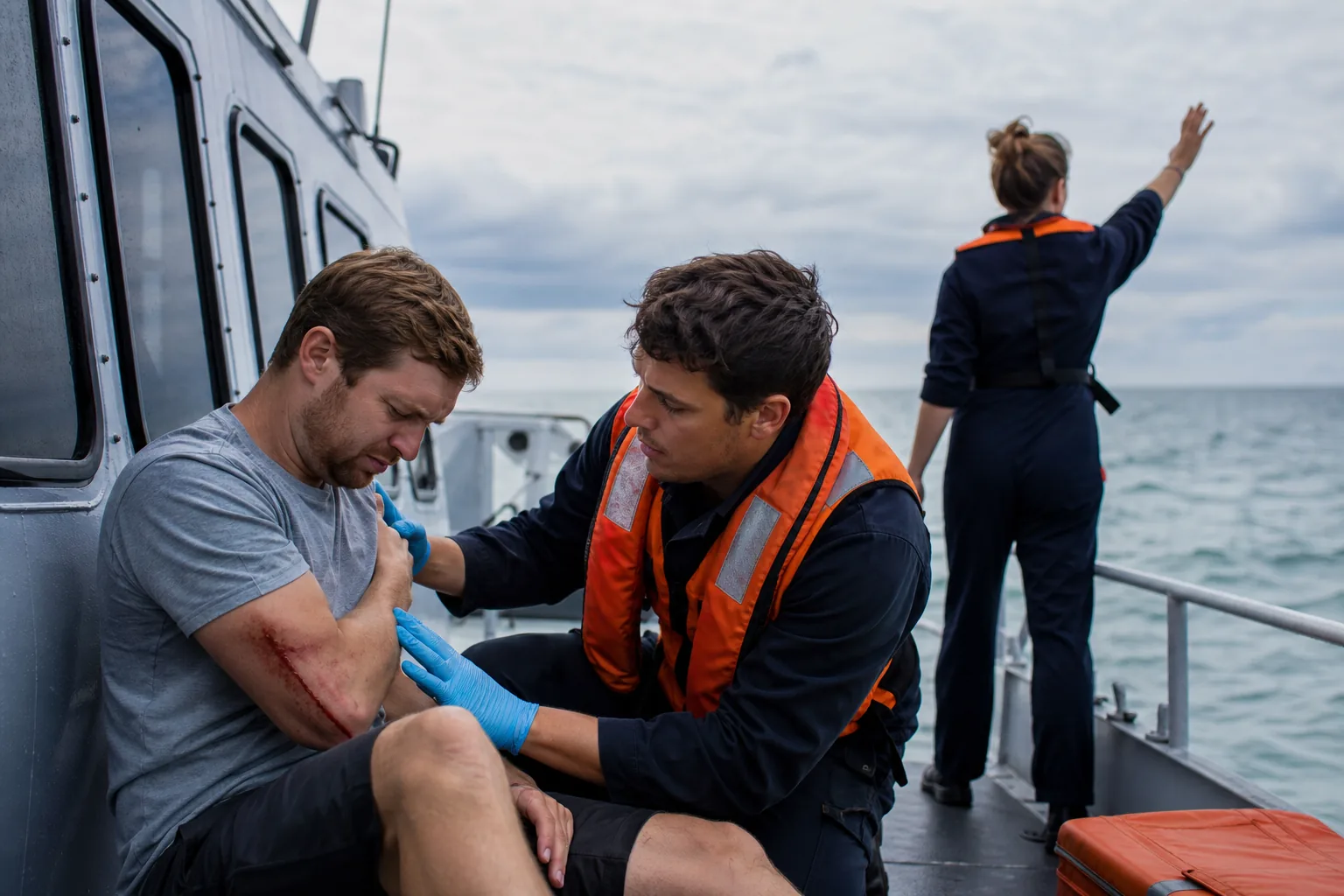
Protect people before evidence. Check for injuries and immediate hazards. If you can do so safely, shut down the engine and move away from fire, leaking fuel, active propellers, or passing vessels. Help someone in the water with a life jacket or flotation aid, but don’t put yourself in danger.
Get emergency help if anyone is hurt, missing, trapped, or in the water. Accept medical care, even if you feel well. Some injuries may not show up right away. Tell the clinician that the injury happened in a maritime accident, and describe any impact, fall, or time spent in the water.
Report the accident to the right authority for the location and type of vessel. A call for emergency help may not count as a required written accident report. Ask the responding agency whether a separate report is needed, who must file it, and when it’s due. Keep a copy of anything you submit.
Write down the date, time, location, and names of people involved while you can. Give an honest account to responders, but don’t guess about details you don’t know. If you’re unsure which rules may apply to your situation, review the relevant maritime accident types and get guidance from a qualified professional.
Don’t leave the scene unless staying puts someone at risk or responders direct you to move. If a vessel must move to prevent another collision, note its original position first if it’s safe to do so.
Step 2: Document the Scene, Vessel, and Visible Damage
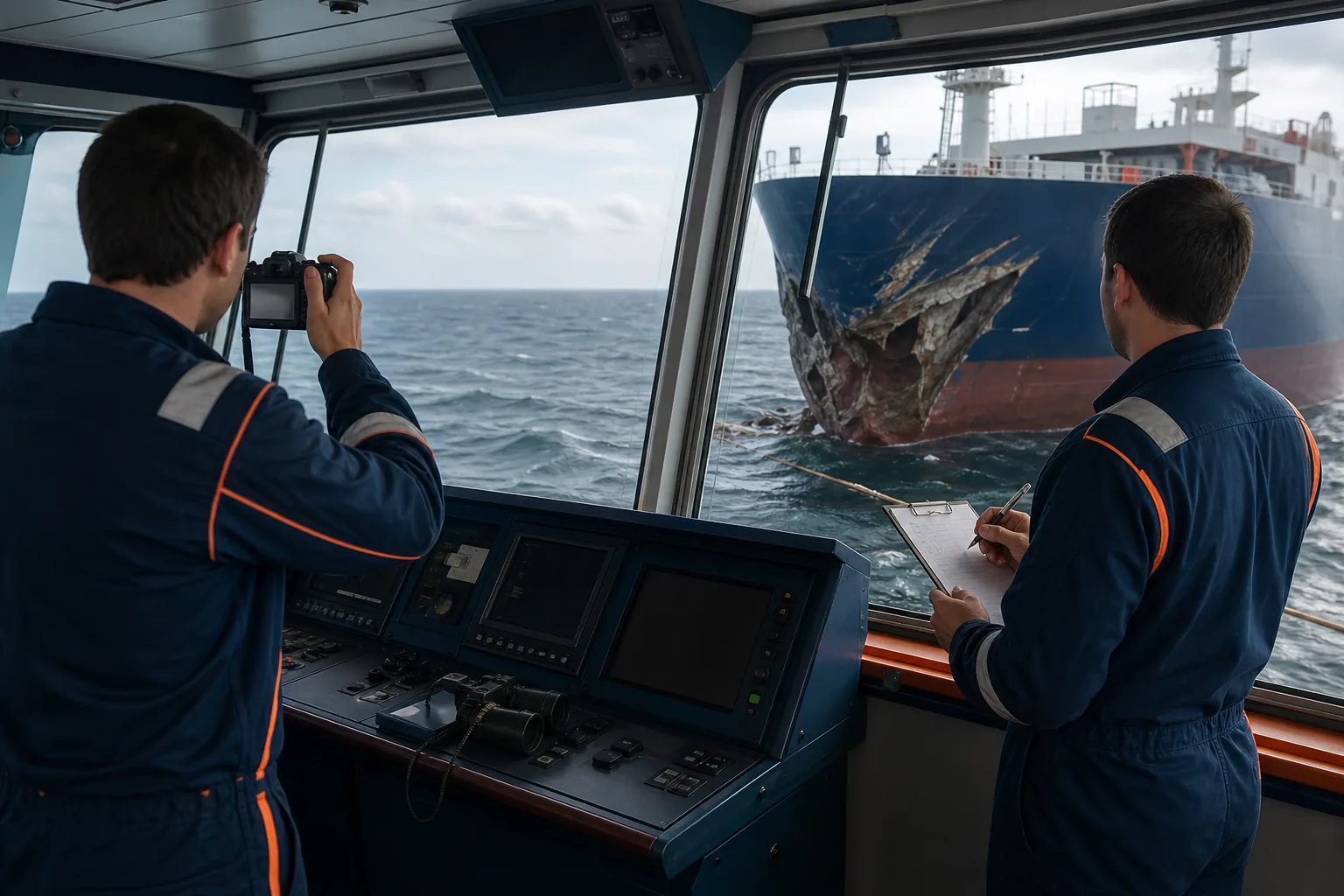
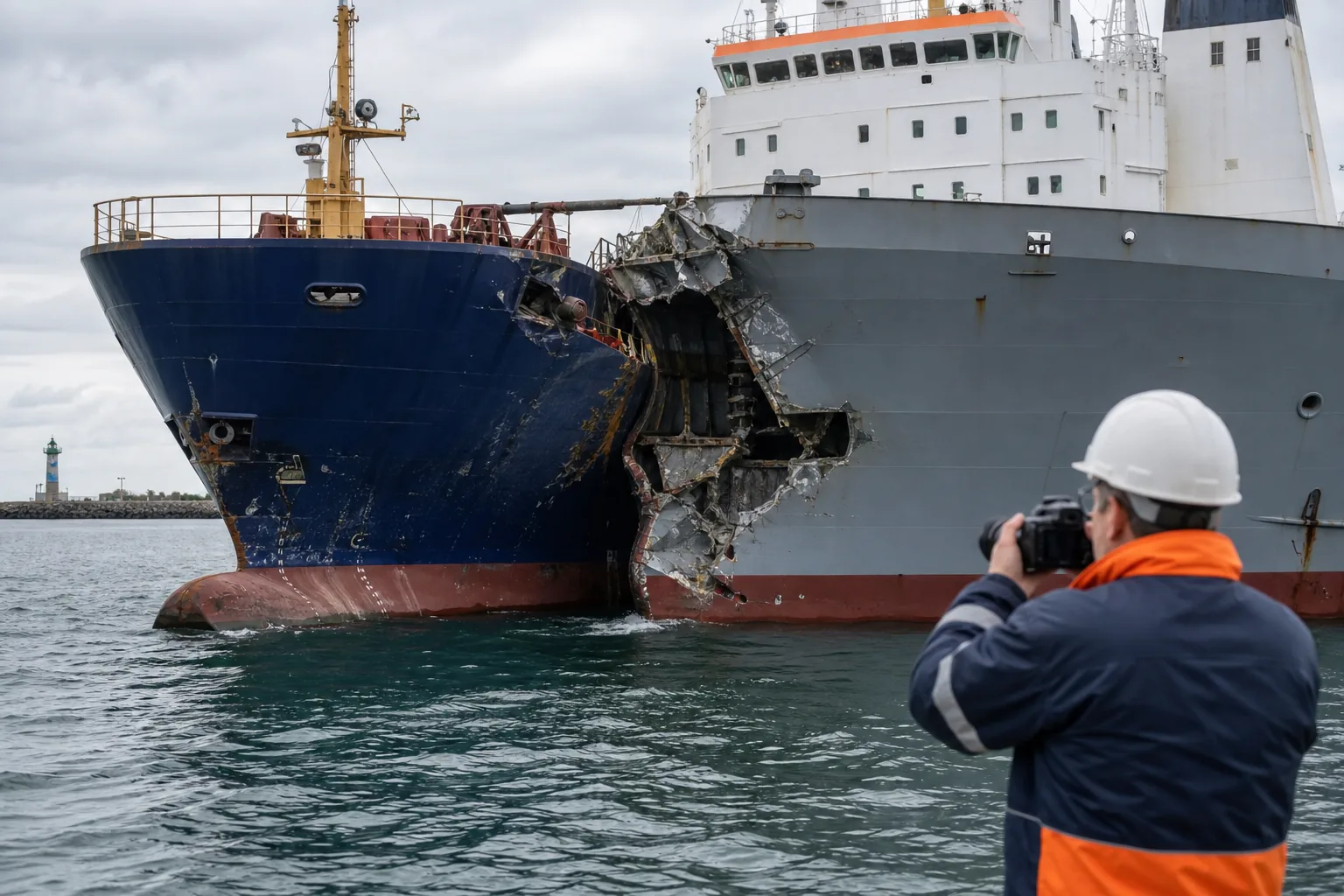
Once everyone is safe, record what you see before anything is moved, cleaned, or repaired. Take photos from several angles. Start with wide shots that show the vessels and their positions, then take closer images of damage and nearby objects.
Capture details that may explain how the event happened. These can include the hull, propeller, navigation lights, deck debris, safety gear, and any damaged controls. Photograph the water, weather, visibility, nearby markers, and the surrounding area. If debris is in the water, record its location before it drifts away. Don’t climb into an unsafe area or handle damaged equipment just to get a photo.
A short video can show the scene as a whole. Speak plainly as you record: note the time, location, direction of travel, and what each image shows. Make a separate written note soon after. Include what you heard or saw, what happened before the impact, and what changed afterward. Mark uncertain details as uncertain rather than filling gaps with a guess.
Keep original photo and video files. Don’t crop, add text, or adjust the only copy. If you make a working copy, keep the original unchanged and note when you copied it. Save files in a folder with a clear date and a short description, then back them up somewhere secure.
Don’t repair, sell, discard, or alter a vessel or damaged part until it has been documented and the right people have had a chance to inspect it. If the boat must be repaired for safety, take photos first and keep the repair records. A damaged steering part or navigation light may tell investigators more than a written account alone.
Preserve electronic records too. GPS tracks, radar data, engine RPM, fuel use, and course printouts may help establish a vessel’s route or operation. Ask the vessel owner or operator to retain them promptly. Don’t try to change system settings or retrieve data if doing so could alter the original record.
Step 3: Identify Witnesses and Preserve Vessel and Employment Records
Witness memories can fade, and vessel records may not stay available. Ask people who saw the event for their names and a way to reach them. Note where each person was and what they may have observed. If they’re willing, ask them to write their own account in their own words. Don’t coach them or compare stories first.
For a work-related accident, keep a record of your job role, shift, tasks, and supervisor. Save messages about the incident and copies of any report you complete. Ask for copies of training records, maintenance records, safety procedures, work orders, and relevant crew statements. If the employer controls the original records, make a dated written request that they preserve them.
Vessel and company records can include logbooks, radar and GPS data, engine RPM, fuel-consumption records, course printouts, maintenance notes, and inspection records. On a cruise or passenger vessel, ask that passenger manifests, safety logs, and onboard surveillance footage be kept. Camera footage may be overwritten, so make the request as soon as you can.
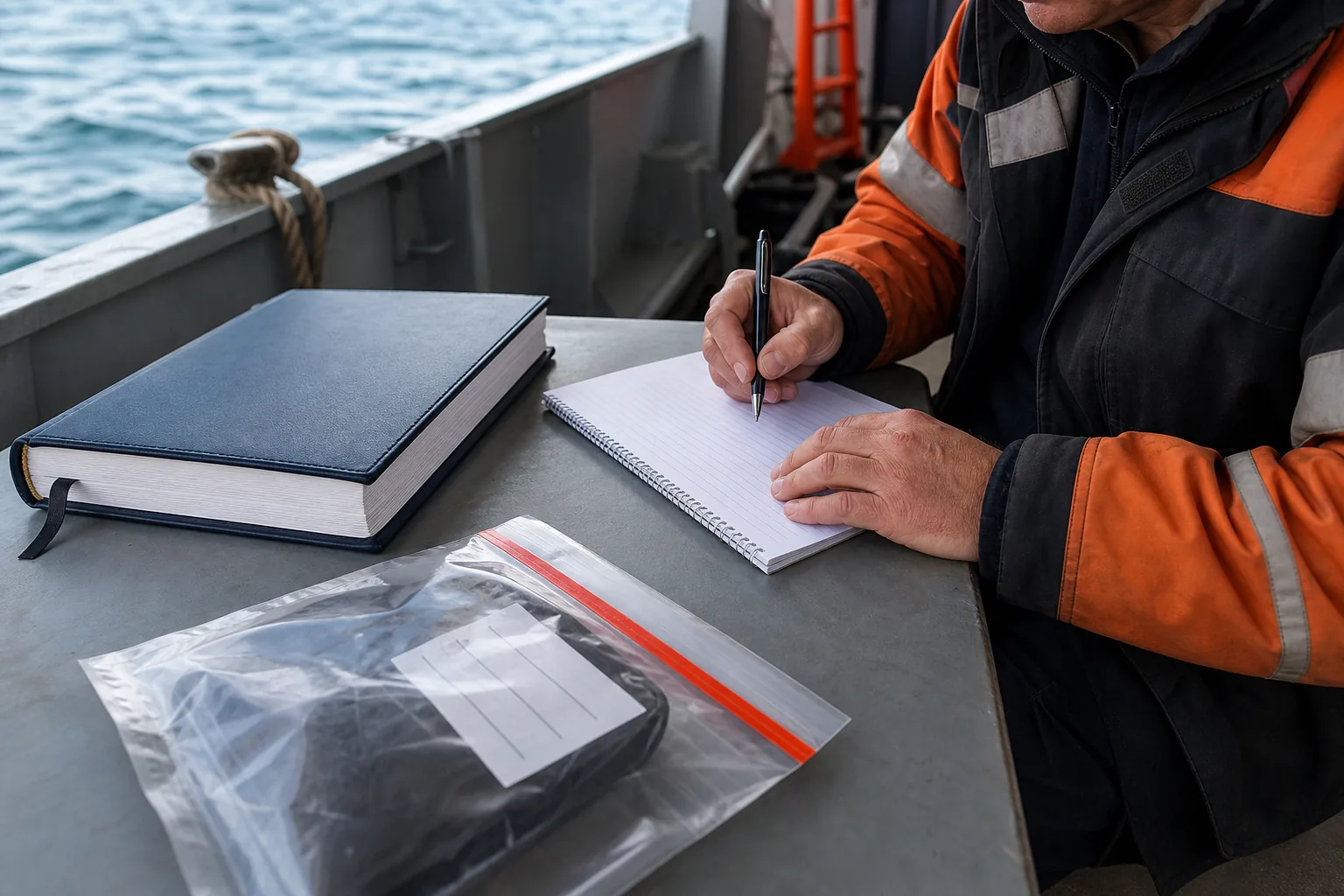
Keep physical items in their current state when it’s safe. Don’t wash, repair, or throw away damaged work clothes, boots, or gear. Make a note of who has each item. For evidence collected by an investigator, label each item with its location, date and time, and collector’s name. Pack and seal items to protect them.
Use a separate chain-of-custody form for each evidence bag. Record every handoff with the person’s signature, plus the date and time. That record helps show who held an item and when. Confirm maritime reporting deadlines and applicable statutes with the relevant authority or a maritime lawyer.
Step 4: Notify a Maritime Attorney and Organize the Investigation
Contact a maritime attorney promptly if you’re injured or key evidence is held by another person or company. An attorney can assess what records may matter and send a written preservation notice to the vessel owner, employer, insurer, or another party. The request can name items such as video, electronic logs, maintenance files, and the vessel itself.
Don’t assume a request has been received just because you sent it. Keep a copy and note the date, recipient, and delivery method. If a company replies, save the reply with your records. Avoid posting about the accident online, and don’t sign a statement you don’t understand. Give accurate basic facts, but don’t speculate about speed, fault, or details you can’t recall.
Make one incident folder, digital or paper. Keep a simple timeline at the front, with links or notes pointing to each file. Sort the materials by type, such as:
- Medical visits and reports
- Photos, videos, and scene notes
- Witness names and statements
- Authority reports and insurer letters
- Vessel, employer, and maintenance records
Keep original files unchanged. Record when you received a document and who gave it to you. If an investigator collects an item, ask for a receipt or inventory. A sound evidence process uses a clear label and tracks each transfer.
A formal investigation can bring together people with different knowledge of the vessel and work. One person can gather records while another interviews witnesses. The team can compare accounts with physical and electronic evidence, then examine both the immediate event and any contributing maintenance or safety issues. Keep findings tied to records and observations, not assumptions.
maritimeattorney.ai is a place to start if you’re looking for help with the next step. Share a short timeline and a list of evidence that may be held by others. That gives the discussion a clear focus without asking you to draw conclusions before the records are reviewed.
Frequently Asked Questions
What evidence should I collect after a maritime accident?
Start with photos or video of the scene, the vessels, visible damage, and nearby debris. Write down the time, location, weather, and what you remember. Save witness details and copies of medical and incident records. If you can’t safely collect something, note what it is and who may control it. Don’t disturb an unsafe scene to get evidence.
How soon should I preserve maritime accident evidence?
Preserve what you safely can as soon as possible. Vessels may move, debris may drift, and electronic or surveillance records may not remain available. Reporting deadlines depend on the incident and the rules that apply, so ask the relevant authority promptly. If another party has key evidence, ask a maritime attorney about a written preservation request.
Should I repair my boat after an accident?
Don’t repair or dispose of a damaged vessel or part before it has been documented and any needed inspection has been arranged. If a repair is needed for safety, photograph the condition first and keep records of the work. Tell the people handling the investigation before making changes when possible. A repair can change evidence that may help explain what happened.
How do I preserve electronic vessel records?
Identify the records that may matter, such as GPS tracks, radar data, engine RPM, fuel records, or a course printout. Ask the owner or operator to retain them promptly. Don’t change system settings or overwrite data to make a copy. Record who controls each file and when you requested it, then give that information to your investigator or attorney.
What is a chain-of-custody record?
A chain-of-custody record tracks who collected and handled an evidence item. Label the item with identifying details, keep it protected, and record each transfer with a signature, date, and time. Use a separate form for each evidence bag. These steps help show how an item was handled, but they don’t replace legal advice about deadlines or reporting rules.
Conclusion
Put safety and medical care first, then preserve what you can without changing it. Today, write a short timeline and list any records or video controlled by someone else. Share that list with a maritime attorney so you can ask for the right evidence to be kept.