Maritime Employer Negligence: An Explainer Guide
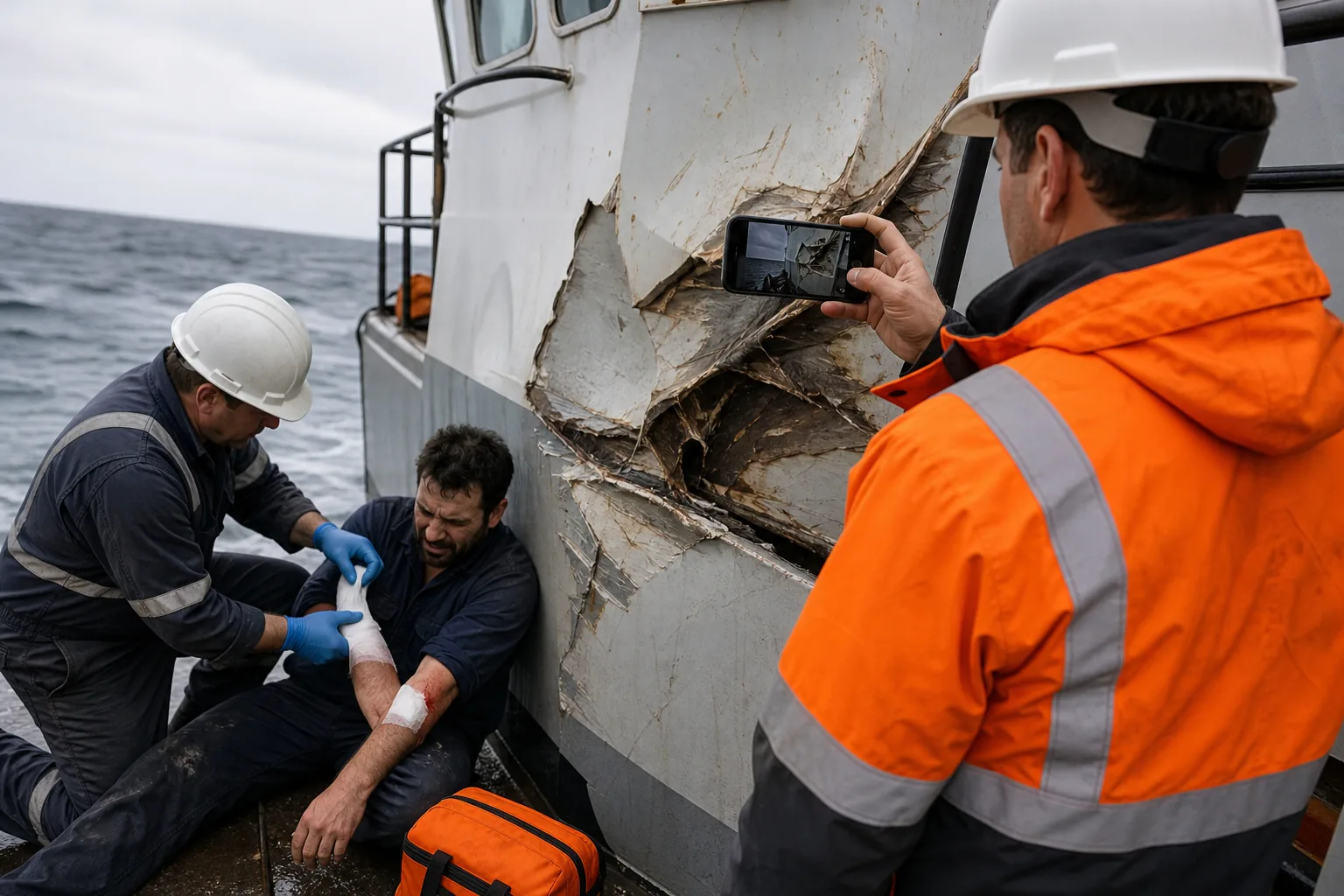
Injured at sea? You might be dealing with maritime employer negligence. Below is a plain‑talk guide that defines the issue, shows how it works, points out where it shows up, and warns of common pitfalls.
What Is Maritime Employer Negligence?
Maritime employer negligence means a shipowner or offshore operator fails to take reasonable care to keep workers safe. The duty to provide a safe place to work is written into the Jones Act, the federal law that protects seamen. When an employer cuts corners, skipping safety checks, ignoring training, or sending crews into bad weather, the resulting injury can be a negligence claim.
Under the Jones Act, a seaman must prove three things: the employer owed a duty of care, breached that duty, and the breach caused the injury. The burden of proof is low; even a small role in the accident can be enough. Sean Cleary Law explains the duty and breach elements in detail. Employers who ignore these obligations risk lawsuits that can cost millions in damages and legal fees.
Because maritime work happens far from land, the stakes are high. A simple oversight, like a missing life jacket, can become a fatal mistake. Understanding the legal framework helps workers recognize when they have a claim.
Employer Legal Duties on the High Seas
Employers must provide a "safe place to work" under the Jones Act. That includes proper training, adequate supervision, and enough crew to perform tasks safely. OSHA and Coast Guard regulations back up these duties, demanding regular inspections, marked walkways, and functional safety gear.
For example, the Coast Guard requires that all ladders be equipped with anti‑slip measures, and OSHA mandates visible markers on step edges. Failure to follow these rules is treated as negligence in court.
Maritime employers also have to keep vessels seaworthy. That means routine maintenance, documented inspections, and prompt repair of any defect. When a vessel is unseaworthy, the employer can be held liable even if they acted in good faith.
Understanding Jones Act Negligence: A Legal Guide offers a deeper look at how these duties play out in real cases.
Employers who ignore training or skip safety drills put workers at risk and open the door to costly lawsuits.
Common Scenarios of Negligence
Negligence shows up in many everyday situations on board. Here are a few that pop up often:
- Inadequate training on equipment or emergency procedures.
- Failure to maintain or inspect machinery, leading to sudden breakdowns.
- Skipping safety gear like life jackets or uses.
- Allowing crew to work long hours without rest, causing fatigue‑related accidents.
- Sending vessels out in severe weather without proper shelter plans.
Each of these can be the basis for a Jones Act claim if the worker can show the employer’s lapse contributed to the injury.
Imagine a deckhand who slipped on a wet deck because the crew didn’t post a warning sign. Even if the slip seems minor, the employer’s failure to mark the hazard can trigger a negligence claim.
Legal experts often find that the “reasonable care” standard is met when an employer follows industry best practices and documented safety protocols. When those are missing, courts usually side with the injured seaman.
Legal Consequences and Claim Process
If a claim goes forward, the employer faces both civil liability and possible regulatory fines. The Jones Act allows recovery for medical expenses, lost wages, pain and suffering, and even punitive damages in egregious cases.
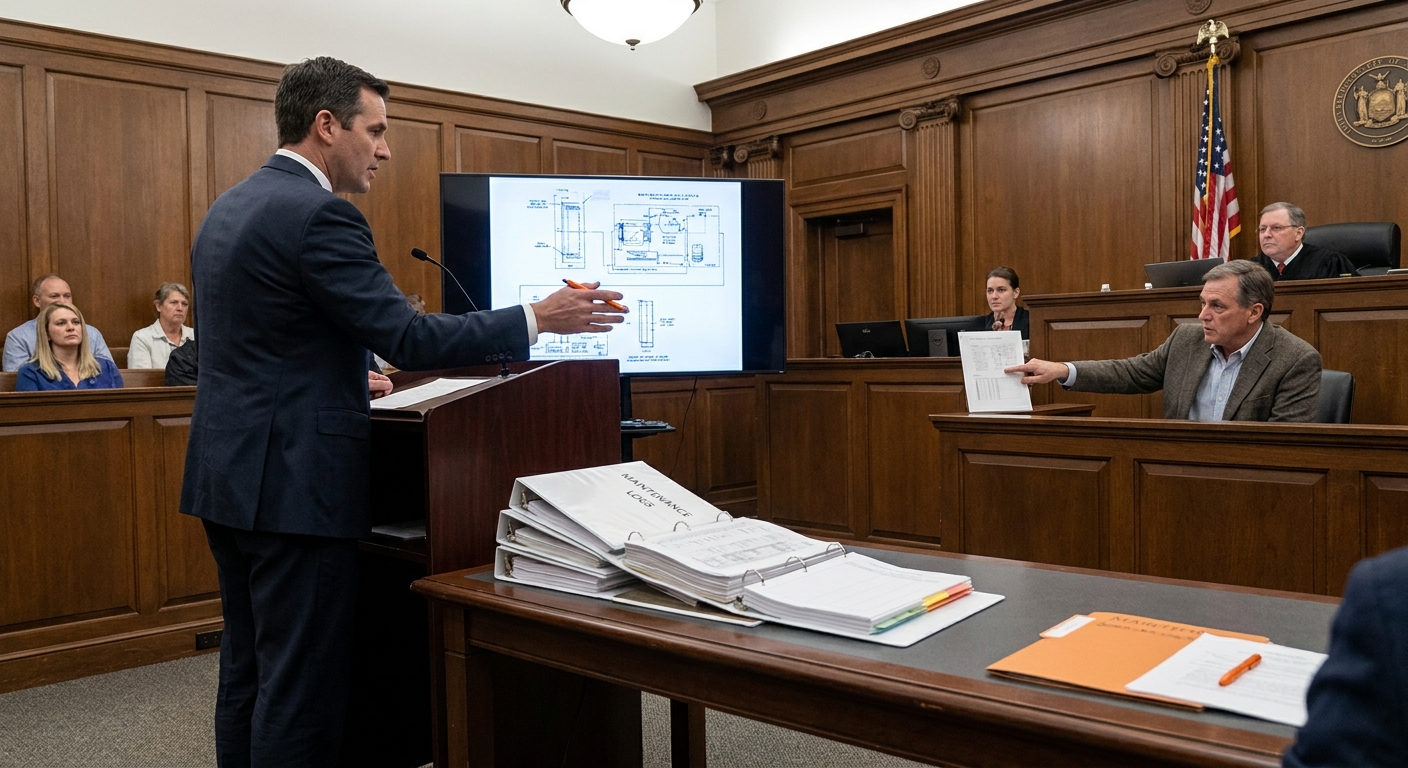
To start a claim, the seaman must file a lawsuit within three years of the injury. The case begins with gathering evidence, maintenance logs, training records, and eyewitness statements. An experienced attorney will often enlist expert witnesses to explain technical safety standards.
Proving negligence means showing a breach of duty and a direct link to the injury. Evidence can include OSHA violation notices, Coast Guard investigation reports, and internal safety audits.
The court may award "maintenance and cure", a daily stipend for living expenses until the worker reaches maximum medical improvement, on top of other damages.
Jones Act Law details the evidentiary steps needed to prove employer negligence. Failure to meet these steps can result in the claim being dismissed.
Preventing and Mitigating Employer Negligence
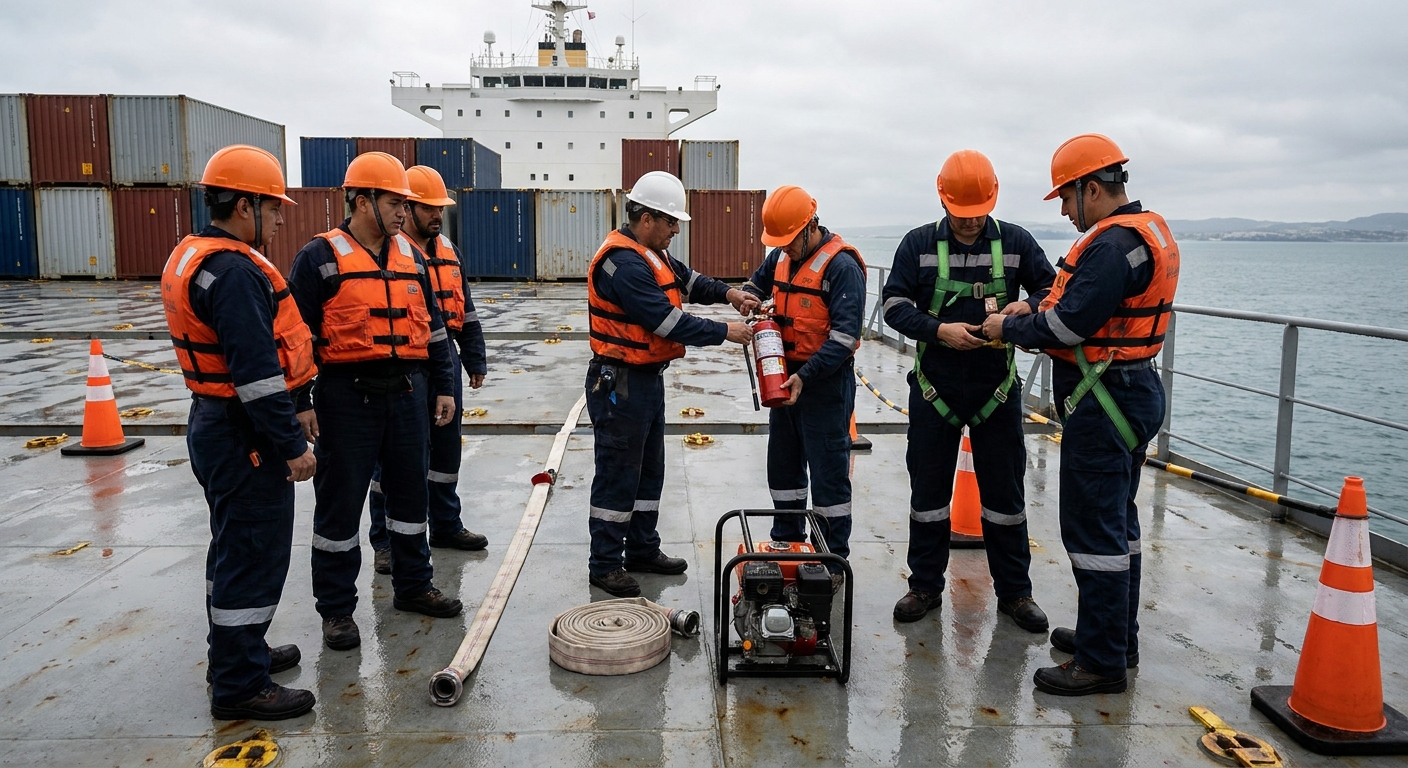
The best defense against lawsuits is proactive safety management. Employers should adopt a safety management system (SMS) that tracks training, equipment inspections, and hazard reports.
Regular drills, updated safety manuals, and real‑time monitoring of crew fatigue help close the gaps that lead to negligence claims. Technology like wearables can alert workers when they’re over‑exerted, and predictive maintenance software can flag equipment that needs repair before it fails.
When an employer invests in proper training and maintenance, the risk of accidents drops dramatically. The Occupational Safety and Health Administration (OSHA) estimates that improved safety protocols can prevent hundreds of injuries each year.
Even with solid systems, mistakes happen. A quick internal review after any incident helps identify root causes and adjust policies before another claim arises.
FAQ
Can I sue my employer for negligence if I was injured offshore?
Yes. Under the Jones Act, a seaman can bring a negligence lawsuit against an employer if the employer’s breach of duty caused the injury.
What is the statute of limitations for a maritime negligence claim?
You have three years from the date of injury to file a claim under the Jones Act.
Do I need a lawyer to file a maritime negligence claim?
While you can file on your own, an experienced maritime attorney can handle complex evidence rules and increase the chance of a favorable settlement.
What damages can I recover?
Recoverable damages include medical costs, lost wages, pain and suffering, and "maintenance and cure" payments while you’re unable to work.
How does employer negligence differ from unseaworthiness?
Negligence focuses on the employer’s failure to exercise reasonable care, whereas unseaworthiness deals with the vessel’s condition itself, even if the employer acted carefully.
Conclusion
Maritime employer negligence is a serious risk that can be avoided with solid safety practices and proper legal guidance. If you think you’ve been harmed, on how maritime injury claims work and consider a consultation with a qualified attorney.
Ready to put this into practice? maritimeattorney.ai was built for exactly this.