General Maritime Law Explained: Key Principles & Applications
Need a quick grasp of how the law protects ships, crews, and cargo? Below you’ll find the core ideas of general maritime law, how it works in courts, the big doctrines, and the everyday problems it solves.
Foundations of General Maritime Law
General maritime law is a body of rules that grew from ancient seafaring customs and was woven into U.S. statutes after independence. It fills gaps that ordinary state law can’t reach because ships travel across borders and waters that no single state controls.
The law blends three sources: (1) the Constitution’s admiralty clause, (2) statutes like the Jones Act, and (3) long‑standing international customs. Together they give a uniform set of rights for seamen, owners, and cargo owners.
For a plain‑language overview, on maritime law basics. It walks through the history, the main statutes, and why the law matters for everyday shipping.
One key idea is that maritime law treats many disputes as “in rem” , the case is against a vessel itself, not the people who own it. This lets courts seize a ship to settle a claim, even if the owner lives overseas.
Another hallmark is the protection of seamen. Under general maritime law, a crew member can claim “maintenance and cure” , the ship must pay for medical care and living expenses while the sailor recovers.
These rules help keep commerce flowing on the high seas. Without a common legal framework, each port could demand its own fees and standards, slowing trade.
Key Takeaway: General maritime law blends constitutional authority, federal statutes, and centuries‑old custom to create a single set of rules that apply wherever ships move.
Jurisdiction and Courts in Maritime Cases
Federal courts have original jurisdiction over most admiralty and maritime matters because the Constitution says the judicial power extends to “all Cases of admiralty and maritime Jurisdiction.” The Cornell Law School site explains this authority. State courts can still hear related contract or tort claims, but the federal courts run the core admiralty cases.
When a case lands in federal court, it follows admiralty procedures: no jury, a judge decides the facts, and the court can issue orders that affect vessels worldwide. This setup grew from the Judiciary Act of 1789, which gave district courts exclusive original jurisdiction over civil admiralty cases.
The courts also handle prize cases , historic claims where a nation’s privateers captured enemy ships. While prize cases are rare today, the legal framework still allows courts to adjudicate captures and bounty claims when they arise.
Modern courts use the “navigable waters” test to decide if a dispute falls under maritime law. If the waterway can serve as a highway for commerce, the federal court can hear the case, even if the water lies entirely within one state.
Because of this broad reach, a shipowner suing for unpaid freight can file in a district court far from the incident, and a seaman injured on a river can still claim under the Jones Act.
Understanding where a case belongs saves time and money. If you’re unsure, a maritime attorney can map the jurisdiction and file in the right court.
Core Doctrines: Salvage, Towage, and Limitation of Liability
Salvage is the right to claim a reward for rescuing a vessel or its cargo from danger. The classic rule is “no cure, no pay” , you only earn a reward if you actually save the ship. International conventions, like the 1989 Salvage Convention, shape the exact formula, but U.S. courts still apply the basic principle.
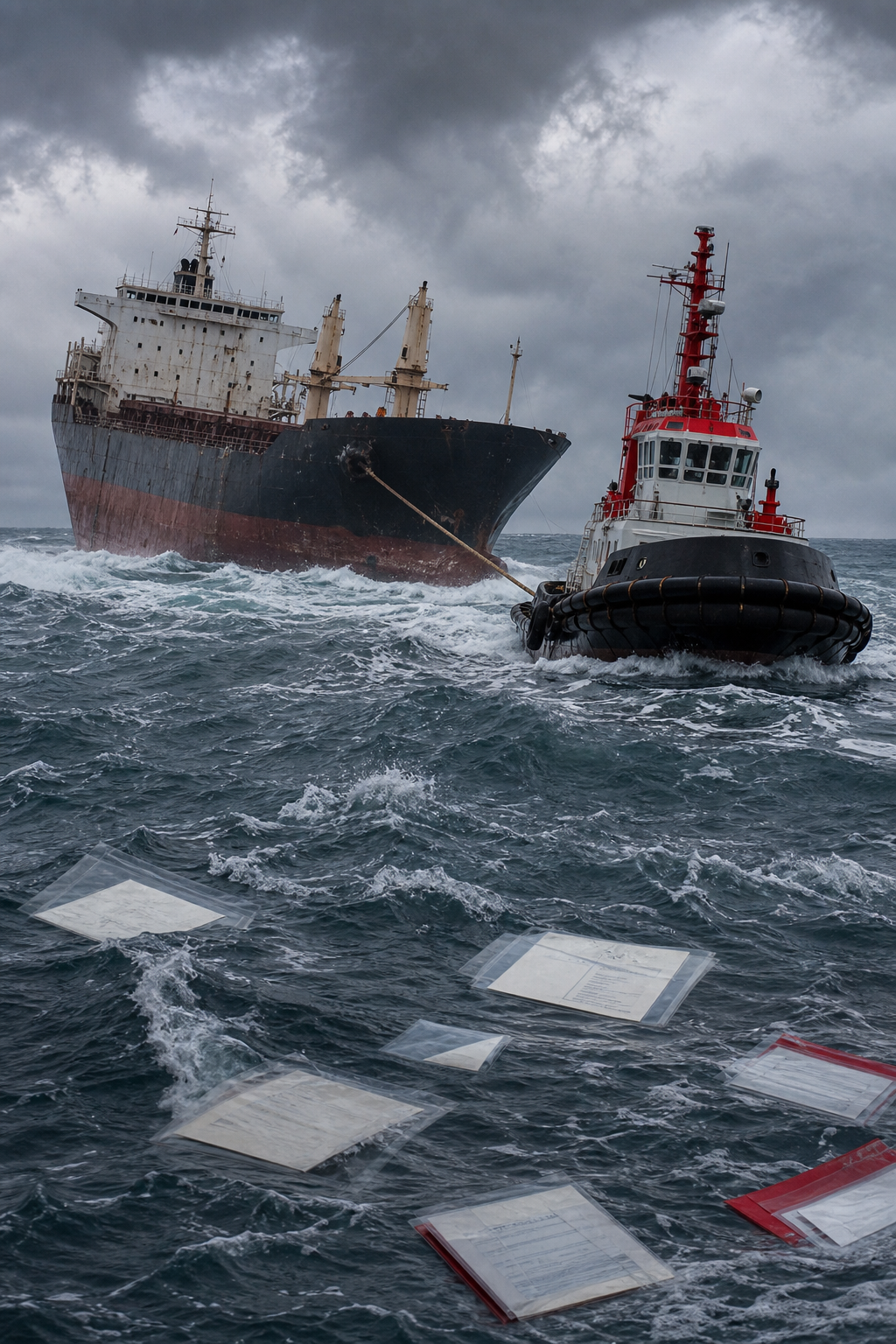
Towage covers contracts where one vessel pulls another, often because the latter lost power or ran aground. The towage agreement sets the fee, which can be a flat rate or based on distance. If the tow fails, the shipowner may sue for breach, but the towage provider can limit liability if the contract includes a limitation clause.
Limitation of liability caps a shipowner’s financial exposure after a serious incident. Under the Limitation Act, a shipowner can limit liability to the value of the vessel at the time of the accident, plus freight earned. This can protect owners from crushing judgments, though courts may pierce the limit if gross negligence is proven.
These doctrines intersect often. A salvager might also tow a damaged ship, and the owner may invoke limitation to keep the salvage award affordable.
Pro Tip: When negotiating a towage or salvage contract, spell out the exact calculation method for any reward or fee. Ambiguous language leads to costly disputes later.
Common Issues: Collisions, Cargo Claims, and Personal Injuries
Collisions are the most frequent maritime lawsuits. When two vessels strike, the court looks at fault using the “comparative negligence” rule. Each party’s responsibility is weighed, and damages are split accordingly.
Cargo claims arise when goods are damaged, lost, or delayed. The carrier’s liability depends on the contract type , a bill of lading, charter party, or freight forwarder agreement. Under the Carriage of Goods by Sea Act (COGSA), carriers have a limited liability of $500 per package unless they prove an excepted cause.
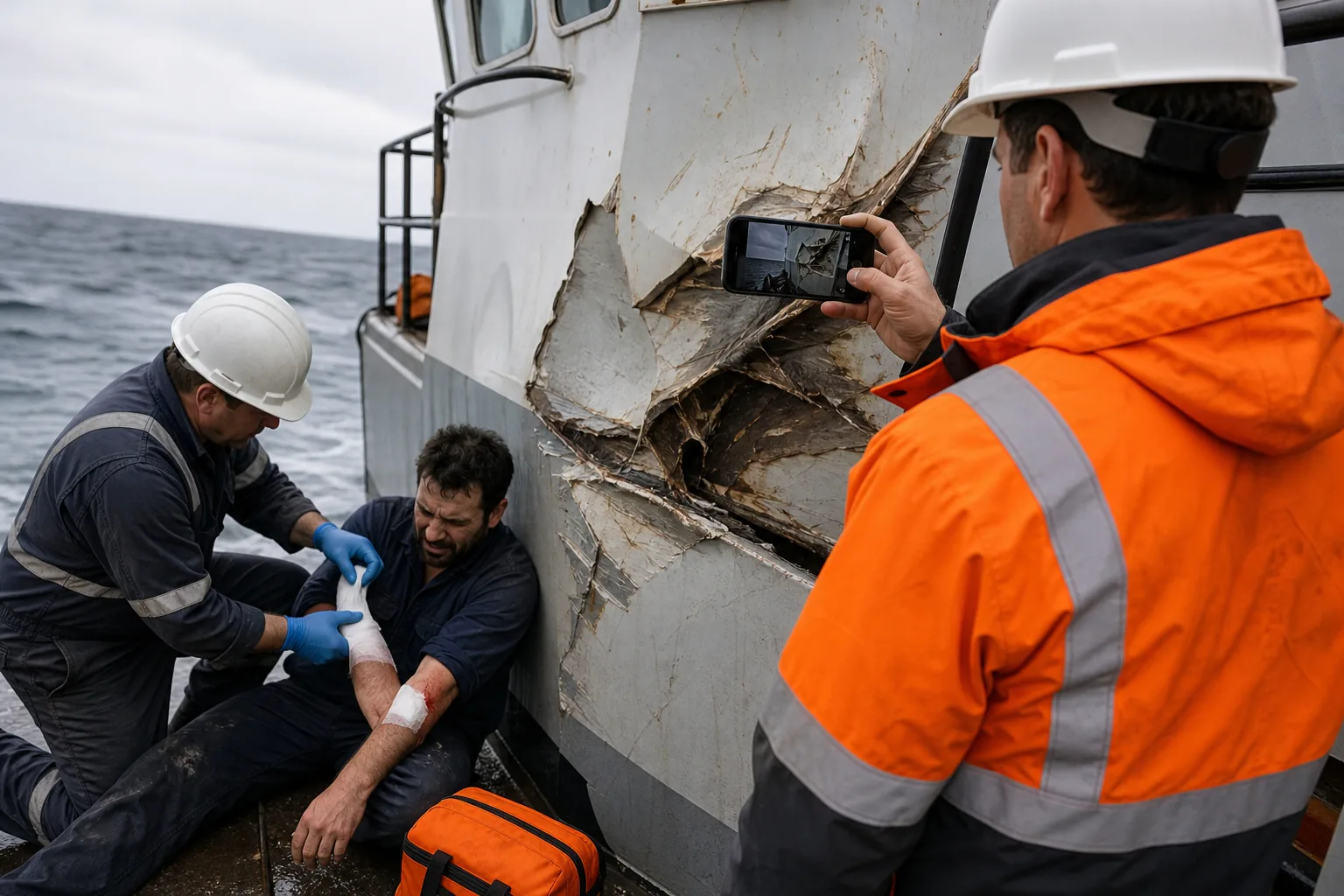
Personal injuries to seamen or passengers trigger the Jones Act and the general maintenance and cure provisions. A seaman can sue for wrongful death, lost wages, and medical costs. Even non‑seamen on a vessel, like a passenger, may claim under state tort law, but many states apply maritime standards for consistency.
One usable pitfall is the “forum selection clause” in many contracts. It can force a case into a distant court, raising costs. Parties should review these clauses early and consider arbitration if the clause is unfair.
Another trap is the statute of limitations. Maritime claims often have a one‑year filing deadline, especially for Jones Act cases. Missing the deadline can bar recovery entirely.
FAQ
What is general maritime law?
General maritime law is the collection of federal statutes, constitutional provisions, and historic customs that govern shipping, seamen, and cargo on navigable waters.
Which courts hear maritime cases?
Federal district courts have original jurisdiction over most admiralty and maritime cases, while state courts can handle related contract or tort claims.
How does the “no cure, no pay” rule work?
Salvage reward is only payable if the salvager successfully saves the vessel or cargo; failure means no payment.
Can a shipowner limit liability after an accident?
Yes, under the Limitation of Liability Act, a shipowner can cap liability to the vessel’s post‑accident value plus earned freight, unless gross negligence is shown.
What deadline applies to a Jones Act injury claim?
In most cases, a seaman must file a Jones Act claim within one year of the injury; filing later can bar the claim.
Conclusion
If you need solid advice on any maritime dispute, start with Maritime Law Basics: What You Need to Know to see how the rules fit your situation, then reach out to a qualified attorney to protect your rights.
Ready to put this into practice? maritimeattorney.ai was built for exactly this.