What Is General Maritime Law? An Explainer Guide
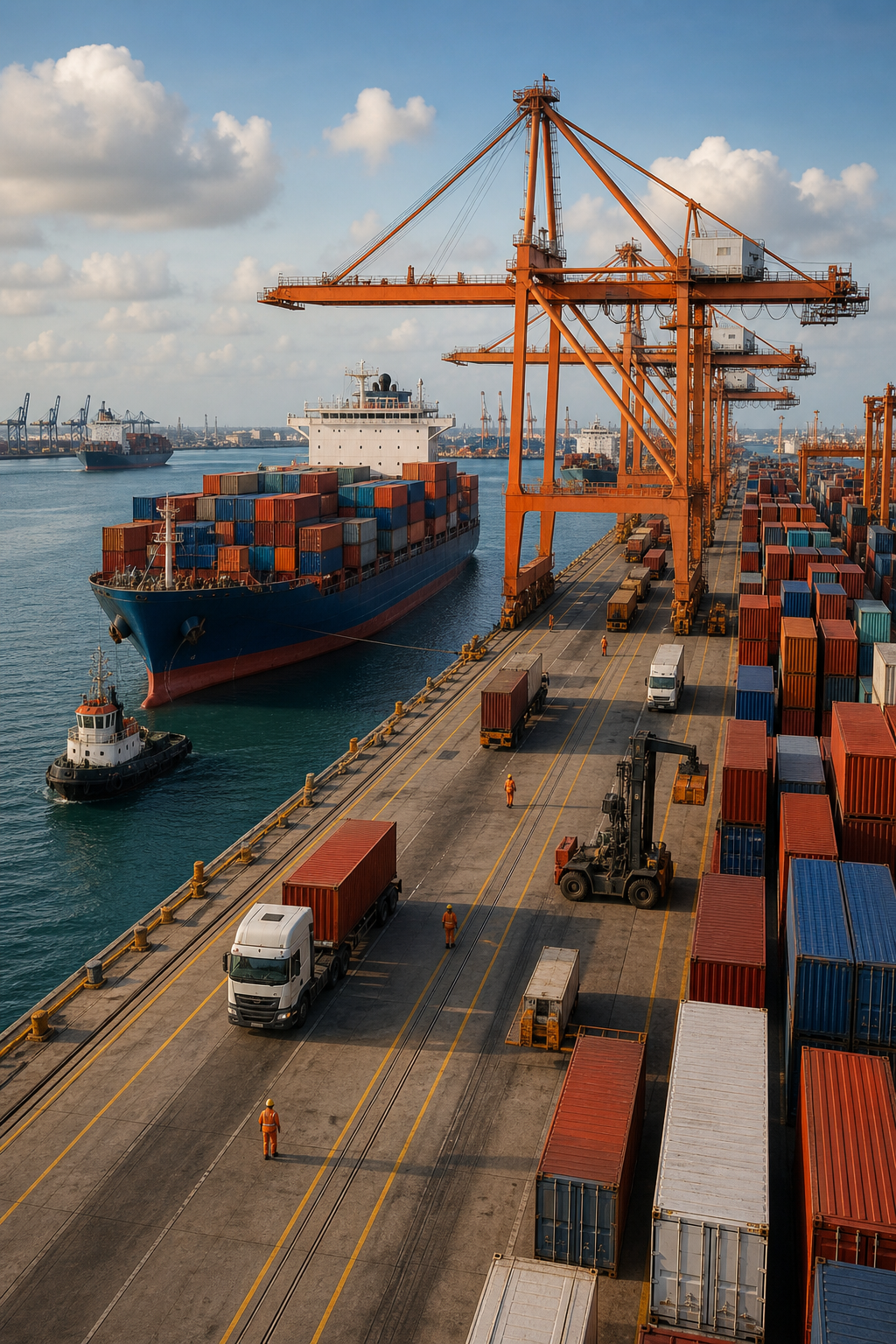
General maritime law runs the legal ropes for ships, crews, and ocean commerce. It’s the rulebook that keeps the high seas orderly and protects those who work on them. Below you’ll find a plain‑language walk through its definition, reach, core ideas, and real‑world uses.
Definition and Legal Foundations of General Maritime Law
At its core, general maritime law is a body of U.S. law that applies to all activities on navigable waters, whether on the open sea or in inland rivers. It blends statutes, treaties, and centuries‑old customs that started in ancient Greece and Rome. Today it lives in the Constitution, federal statutes, and case law that courts have built over time.1
Federal district courts have original jurisdiction over maritime cases because Article III of the Constitution extends judicial power to "all Cases of admiralty and maritime Jurisdiction." The 1789 Judiciary Act gave these courts exclusive authority, and over the years the Supreme Court has expanded that reach to cover contracts, torts, and even environmental claims on the water.2
Below is a quick snapshot of the main sources that shape the law:
These layers give maritime lawyers a flexible toolkit. A vessel owner might rely on a treaty for pollution rules, while a seaman leans on the Jones Act for wage recovery. The mix can feel dense, but each piece serves a clear purpose.
Because the law stretches from ancient customs to modern statutes, practitioners often specialize. Some focus on cargo claims, others on personal injury, and a few on environmental enforcement. Understanding where each source fits helps you spot the right path for a dispute.
Scope of General Maritime Law: Who and What Is Covered
The reach of general maritime law is broad. It touches anyone who steps onto a vessel, works at a port, or conducts commerce on the water. That includes ship owners, charterers, crew members, passengers, cargo owners, and even dockworkers.3
Geographically, the law applies to high seas, territorial waters (the first 12 nautical miles from a coastline), and any navigable inland waterway that can support commerce. It also stretches to land‑based activities that are tightly linked to maritime operations, such as shipyard repairs or loading dock work.
Because the framework blends international treaties with domestic statutes, the same rule can govern a collision on the high seas and a cargo claim filed in a U.S. district court. For example, a cargo loss in the Pacific might invoke the Hague‑Visby Rules, while a crew injury in a U.S. harbor could trigger the Jones Act.
For businesses, the usable upshot is that a single dispute can involve multiple legal regimes. A shipowner sued for a collision may also face environmental penalties under the Oil Pollution Act. That layered exposure is why many firms turn to specialists who understand how these pieces fit together.
Need a deeper look at maritime law basics? Maritime Law Explained: Key Concepts and Applications offers a concise overview that walks through the same topics in plain language.
Key Principles and Doctrines Under General Maritime Law
Maritime law rests on a few core doctrines that shape most cases.
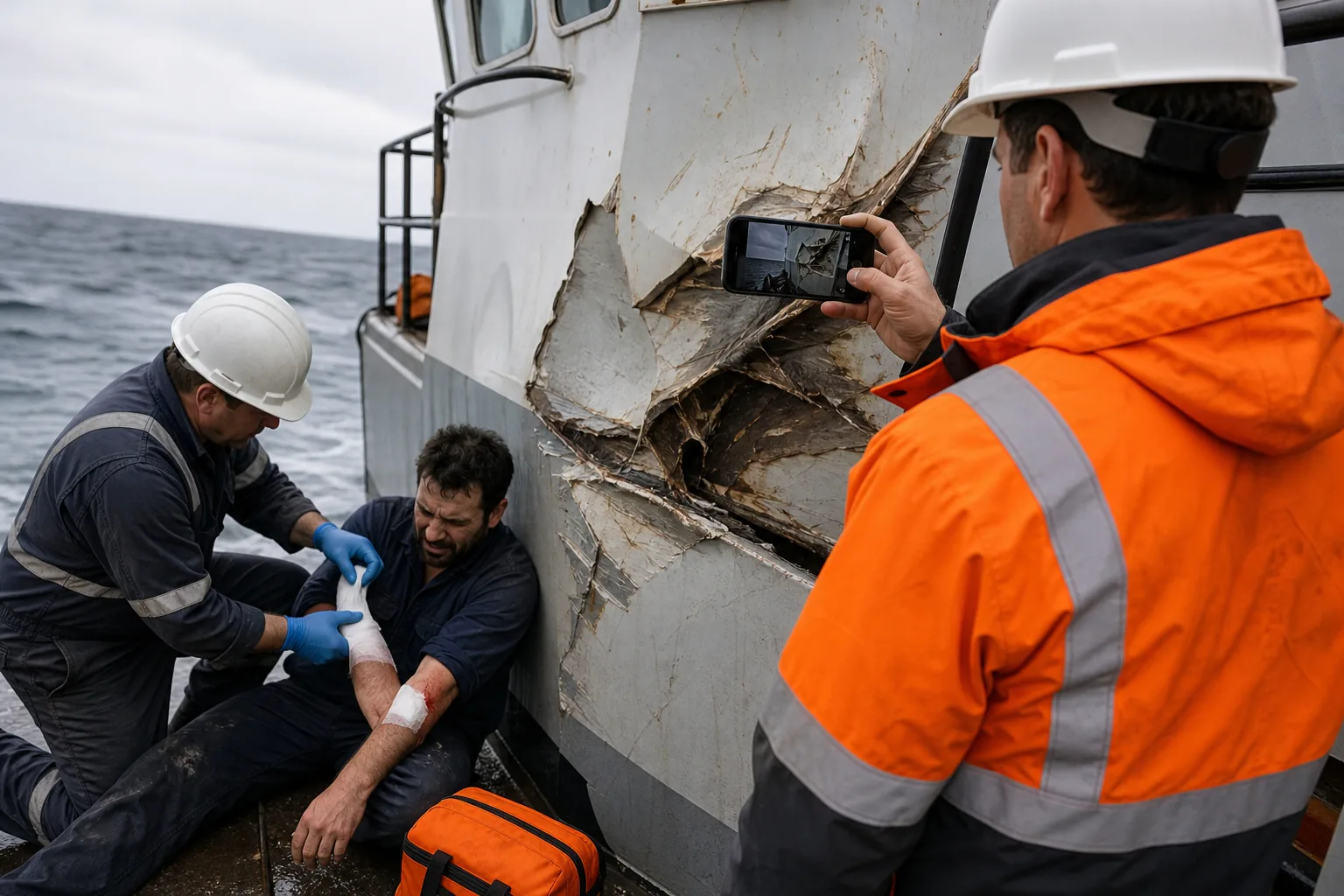
Maintenance and cure. This ancient rule requires a shipowner to cover a seaman’s living expenses and medical care while they recover from an injury, regardless of fault. It ensures that injured crew members aren’t left stranded without support.4
In‑rem actions. Rather than suing a person, a claimant can sue the vessel itself. The court can then place a lien on the ship, seize it, or order it sold to satisfy a judgment. This approach protects claimants when owners hide behind corporate structures.
Doctrine of unseaworthiness. If a vessel is not reasonably fit for its intended use, the owner can be held liable for any resulting injury or loss, even if negligence isn’t proven.
Salvage and prize. Salvage awards compensate those who rescue a vessel or cargo from danger, while historic prize law once allowed privateers to capture enemy ships. Modern salvage still follows the “no cure, no pay” principle, meaning payment hinges on the success of the rescue.
These principles intertwine. A crew member hurt in an unseaworthy vessel may claim maintenance and cure, while also suing for negligence under the Jones Act. Understanding which doctrine applies can change the damages a claimant can recover.
Usable Applications and Common Disputes
In the real world, general maritime law shows up in a handful of frequent battlefields.
First, ship collisions generate complex liability questions. Courts look at fault, navigational rules, and sometimes the doctrine of unseaworthiness. A notable case involved two cargo carriers colliding in the Gulf of Mexico, where the court applied both negligence principles and the Jones Act to award damages to the crew.
Second, cargo claims dominate the docket. If goods are damaged, lost, or delayed, the carrier’s liability hinges on the contract of carriage, the bill of lading, and applicable international conventions. The “carrier owes a duty of care” standard often drives settlements.

Third, personal injury claims under the Jones Act or the Longshore and Harbor Workers’ Compensation Act are common. A deckhand who slips on deck can sue for lost wages, medical bills, and pain‑and‑suffering, while the employer must provide maintenance and cure during recovery.
Environmental violations also rise under statutes like the Oil Pollution Act and MARPOL. A spill triggers massive fines, cleanup orders, and often a parallel in‑rem action against the vessel.
Law firms that help maritime clients often need tech tools to manage these cases. Innovative platforms, such as AI‑driven avatars, let firms explain complex doctrines to clients in plain language. Atmee.ai showcases how virtual personas can break down maintenance‑and‑cure rules for a seaman who’s never seen a courtroom before.
Frequently Asked Questions
What does "general maritime law" cover?
General maritime law covers any legal issue that arises on navigable waters, including ship collisions, cargo disputes, crew injuries, and environmental violations. It blends statutes, treaties, and common‑law principles.
Is the Jones Act part of general maritime law?
Yes. The Jones Act is a federal statute that sits within general maritime law and gives seamen the right to sue their employers for negligence‑related injuries.
Can a plaintiff sue a vessel instead of its owner?
Yes. Through an in‑rem action, a claimant can bring a lawsuit against the vessel itself, allowing the court to place a lien on the ship to satisfy any judgment.
Do foreign ships fall under U.S. general maritime law?
Foreign vessels are subject to U.S. maritime law when they operate in U.S. waters or engage in commerce that touches U.S. ports. International conventions also guide their behavior.
How long do I have to file a maritime injury claim?
Generally, the statute of limitations is three years from the date of injury for Jones Act claims, but it can vary based on the type of claim and jurisdiction.
What is maintenance and cure?
Maintenance and cure is a no‑fault duty that requires a shipowner to provide a seaman with daily living expenses (maintenance) and all reasonable medical treatment (cure) until maximum medical improvement is reached.
Understanding these basics helps you see when general maritime law applies and what remedies might be available.
Conclusion
General maritime law is the backbone of legal rules that keep sea commerce running and protect those who work on the water. If you’re facing a maritime dispute, start by pinpointing which doctrine, maintenance and cure, in‑rem action, or unseaworthiness, fits your situation. For deeper guidance, explore our broader guide on maritime law fundamentals.
Ready to put this into practice? maritimeattorney.ai was built for exactly this.