
Understanding Jones Act Negligence: A Legal Guide

Getting hurt on a vessel can feel like you’ve hit a dead end. Workers' comp won’t cover you, and the law feels like a maze. That’s why you need to know how Jones Act negligence works. In this guide we break down the basics, the claim elements, real‑world examples, proof steps, and how the Jones Act fits with other maritime laws.
What Is Jones Act Negligence?
The Jones Act is a federal statute that lets a seaman sue his or her employer for careless actions that cause injury. Unlike the no‑fault "maintenance and cure" system, a negligence claim requires the sailor to show that the shipowner or crew acted without a good excuse.
Imagine a deckhand who slips on a greasy hatch because the captain knew the rail was missing and did nothing. That is the type of scenario the Jones Act addresses. The law treats the claim much like a land‑based personal injury case: you must prove the employer’s fault and link that fault to your injury.
One key difference from land cases is the lower burden on causation. Even if the employer’s negligence was only a small factor, the claim can still succeed. This makes it easier for sailors to recover damages for medical bills, lost wages, and pain and suffering.
The doctrine also coexists with the broader unseaworthiness principle, which does not require proof of fault. Unseaworthiness simply says the vessel was not fit for its purpose. In practice, many cases involve both theories, giving sailors multiple pathways to compensation.
For a quick overview of the Jones Act’s history and scope, see the Wikipedia entry on the Jones Act. It outlines how the law extends the Federal Employers’ Liability Act to maritime workers.
And remember, the right to sue only applies if you qualify as a seaman, generally, you must spend at least 30% of your work time on a vessel that can handle water.
Key Elements of a Jones Act Negligence Claim
To win a negligence case, a sailor must prove four core elements: duty, breach, causation, and damages. Each element builds on the previous one, so missing any piece can break the whole claim.
Duty of Care
Shipowners owe an absolute duty to provide a safe working environment. This includes proper equipment, training, and adherence to safety regulations. The duty exists whether or not the owner knew about a specific hazard.
Breach of Duty
A breach occurs when the owner fails to meet the standard of care. Evidence of a breach often comes from safety manuals, Coast Guard regulations, or expert testimony on what a prudent shipowner would have done.
Causation
The sailor must link the breach directly to the injury. This is where “but for” the unsafe condition, the injury would not have happened. Comparative negligence may reduce the award if the sailor was partly at fault.
Damages
Damages cover medical expenses, lost wages, and non‑economic losses like pain and suffering. Future losses, such as loss of earning capacity, are also considered.
When building a case, gather documentation early. Maintenance logs, crew schedules, and incident reports are gold mines. Even if the employer resists releasing records, a seasoned maritime attorney can subpoena them.
For a deeper legal definition of duty and breach, the Cornell Legal Information Institute explains the concepts in detail here. Their breakdown helps you see how courts analyze each element.
Understanding these pieces lets you assess the strength of your claim before you file.
Common Examples of Negligence Under the Jones Act
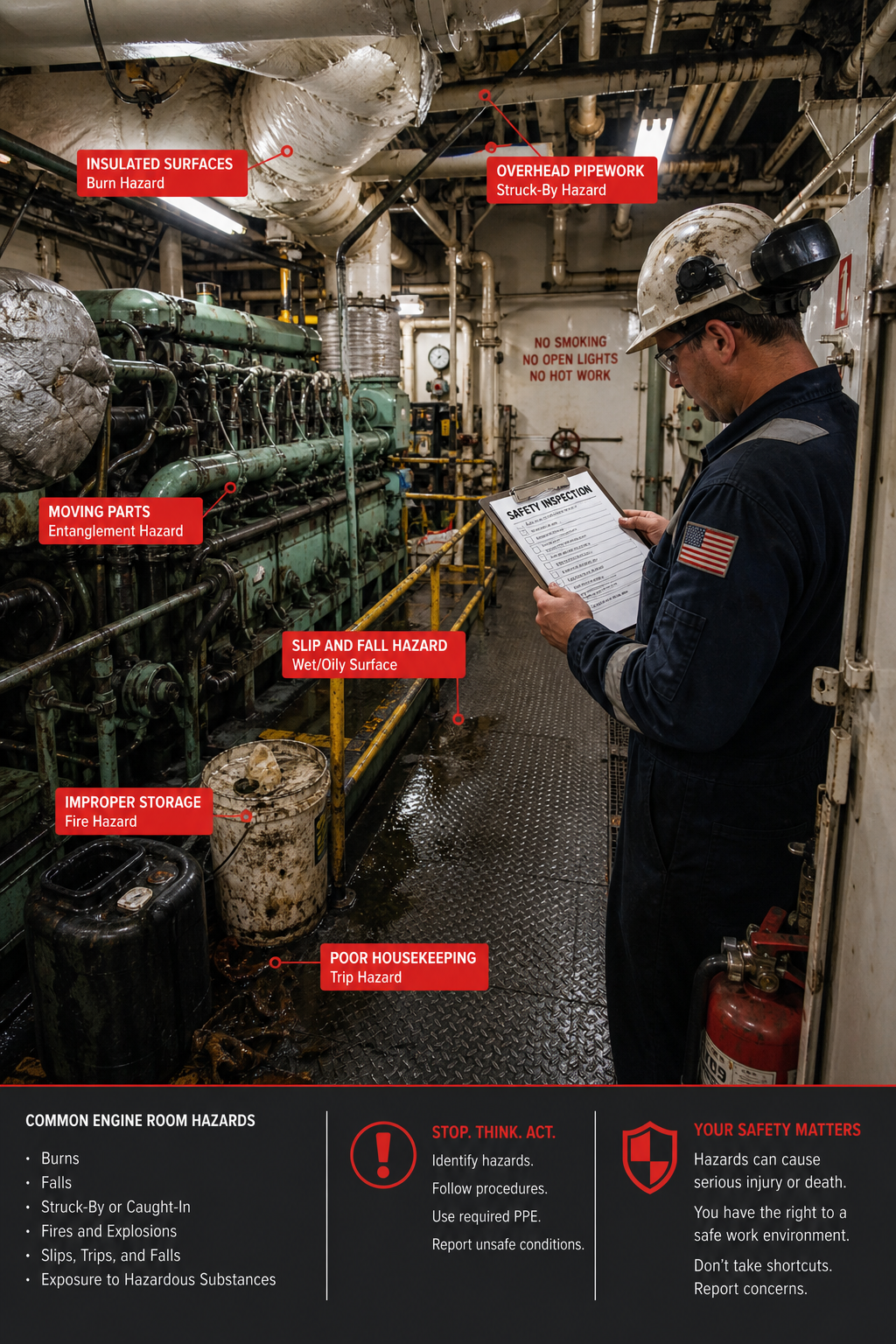
Negligence can show up in many everyday shipboard activities. Below are some of the most frequent situations that have led to successful claims.
- Failure to provide proper safety gear, such as life jackets or uses.
- Inadequate training on equipment operation, leading to mishandling of winches or cranes.
- Skipping routine maintenance on critical machinery, causing sudden breakdowns.
- Sending a vessel out in severe weather without adequate shelter for crew.
- Leaving deck hatches open without temporary rails during cargo loading.
These examples illustrate how a seemingly small oversight can become a liability when it results in injury.
Below is a quick reference table that matches typical hazards with the type of evidence you’d need to prove negligence.
These data points help you and your attorney build a clear narrative for the jury.
Watch the video above for a walk‑through of how a typical negligence case is assembled from incident to courtroom.
How to Prove Jones Act Negligence
Proving negligence is a step‑by‑step process. Start by securing every piece of evidence that shows the employer’s duty and how it was breached.
1. Document the Incident Immediately
Take photos, record videos, and write a detailed account while the scene is fresh. Note who was present, what equipment was involved, and any safety warnings that were ignored.
2. Gather Official Records
Request maintenance logs, crew schedules, and safety inspection reports. Even if the employer refuses, a subpoena can compel production.
3. Secure Witness Statements
Talk to fellow crew members as soon as possible. Their statements can corroborate your version and fill gaps in the written record.
4. Engage an Expert
Maritime safety experts can testify about the standard of care for a given piece of equipment. Their opinion helps the jury understand why the owner should have acted differently.
5. Build the Causal Chain
Connect the breach to your injury. Show that without the unsafe condition, the accident would not have occurred. Use medical records to tie the injury to the incident.Finally, file the claim within three years of the injury. Missing the statute of limitations ends your right to sue.
Our team at Maritime Attorney often helps sailors gather these pieces. While we’re not the only resource, we’ve seen how a solid evidentiary foundation makes a huge difference in settlement negotiations.
Jones Act Seaman Legal Guide: Rights, Claims, and Protections offers a deeper look at the steps outlined above.
Jones Act vs. Other Maritime Laws
Maritime workers may wonder how the Jones Act stacks up against other statutes like the Longshore and Harbor Workers’ Compensation Act (LHWCA) or the Death on the High Seas Act (DOHSA). Each law serves a different group and offers distinct remedies.
Jones Act
Applies only to seamen, those who spend at least 30% of their work time on a vessel that can handle waters. It requires proof of negligence and allows a jury trial. Damages include medical costs, lost wages, pain and suffering, and future earning capacity.
Longshore and Harbor Workers’ Compensation Act
Covers dockworkers, pier employees, and other maritime laborers who are not classified as seamen. Benefits are no‑fault; workers receive medical care and wage replacement without needing to prove negligence. The compensation is more limited than Jones Act damages.
Death on the High Seas Act
Provides recovery for families of seamen who die beyond three nautical miles from U.S. shores. It covers only pecuniary losses such as lost earnings and funeral costs, not non‑economic damages like pain and suffering.
Understanding which law applies can save you months of filing the wrong claim. Often, a single lawsuit will include both a Jones Act claim and an unseaworthiness claim, allowing the sailor to capture the broader set of damages.
For a side‑by‑side comparison, . It outlines the key differences in eligibility, proof requirements, and damage caps.
When you know the distinctions, you can talk to an attorney about the best strategy for your situation.
Frequently Asked Questions
What qualifies a worker as a "seaman" under the Jones Act?
A seaman is anyone who works on a vessel that can handle water and spends at least 30% of their work time on that vessel. This includes deckhands, engineers, and even catering staff if they meet the time threshold. If you’re unsure, review your employment contract and work schedule to see if the 30% rule applies.
Can I still recover if I was partially at fault?
Yes. The Jones Act follows a pure comparative negligence rule. If you were 20% at fault, your award is reduced by that percentage, not barred entirely. The key is to have evidence showing the employer’s larger share of responsibility.
How long do I have to file a claim?
The statute of limitations is three years from the date of injury or death. Courts may extend the deadline if you can prove you were unaware of the injury’s connection to your work, but it’s risky to rely on extensions.
What kinds of damages can I recover?
You can claim past and future medical expenses, lost wages, loss of earning capacity, pain and suffering, and loss of enjoyment of life. In some cases, punitive damages are also available if the employer’s conduct was especially reckless.
Do I need an attorney?
While you can file a claim on your own, maritime law is complex. An attorney who specializes in the Jones Act can obtain employer records, work with expert witnesses, and handle the jury trial process, which often leads to higher recoveries.
Is maintenance and cure still available if I win a negligence claim?
Yes. Maintenance and cure is a no‑fault remedy that provides medical care and a living allowance until you reach maximum medical improvement. It runs alongside any negligence damages you may win.
How does a Jones Act claim differ from a workers’ compensation claim?
Workers’ compensation applies to land‑based jobs and generally limits recovery to medical bills and a portion of lost wages. The Jones Act, by contrast, allows a full personal injury lawsuit with the right to a jury trial and broader damage categories.
Can I sue for emotional distress?
Emotional distress is part of the non‑economic damages you can claim under the Jones Act. You’ll need medical or psychological documentation to support the claim, just like you would for physical injuries.
Conclusion
Jones Act negligence gives seamen a powerful tool to hold shipowners accountable for unsafe conditions. By understanding the duty‑breach‑causation‑damages framework, gathering solid evidence, and filing within the three‑year window, you can pursue the compensation you deserve.
If you’re ready to explore your options, on filing a Jones Act claim in 2026. It walks you through the paperwork, timelines, and what to expect from the legal process.
Remember, the first step is not to stay silent. Document the incident, seek medical care, and reach out to a qualified maritime attorney who can protect your rights and help you handle the complexities of maritime law.