
Maritime Arbitration: A Complete Guide to Shipping Dispute Resolution
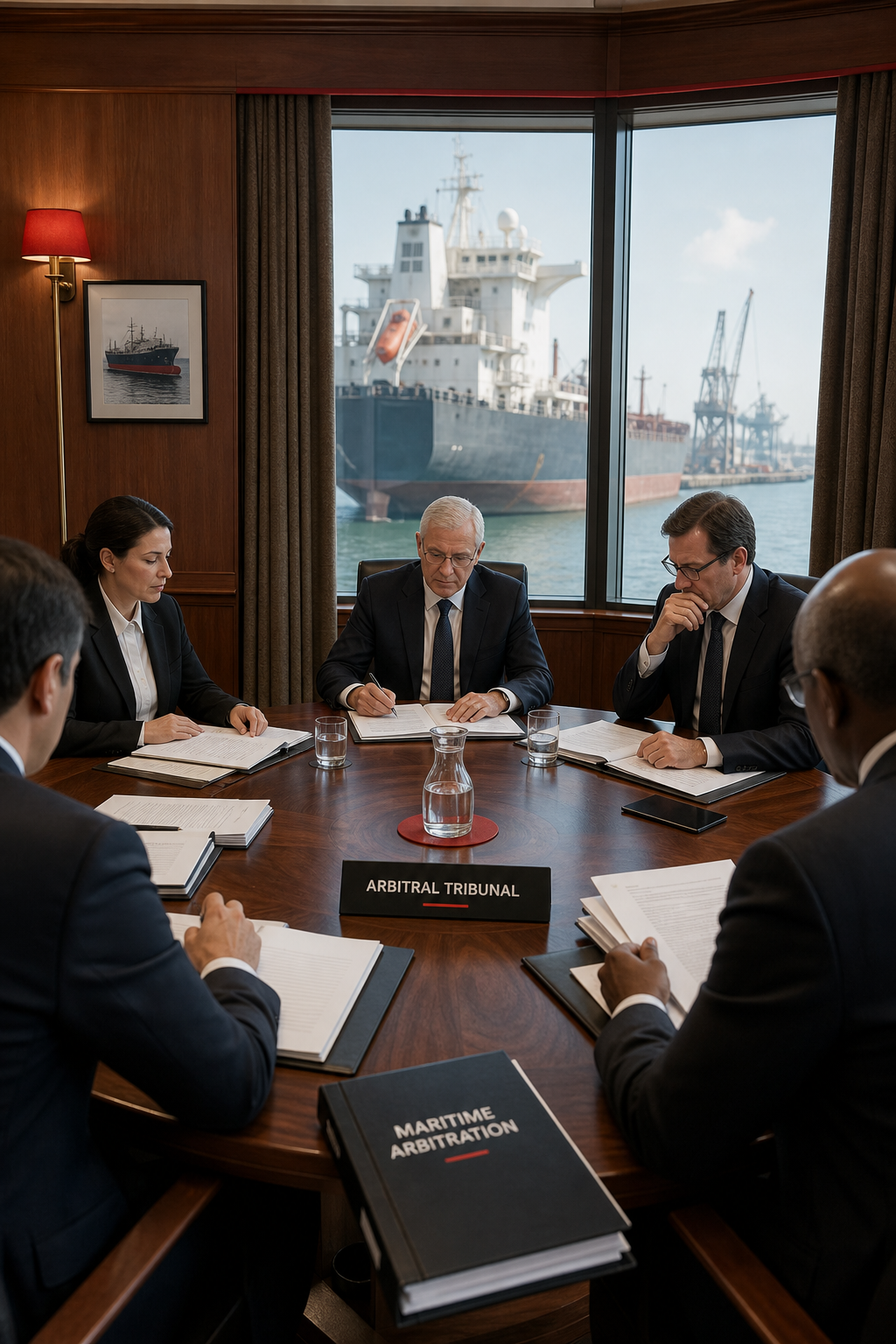
Shipping contracts break down. When they do, the parties need a fast, private way to settle the fight. That’s where maritime arbitration steps in. In this guide you’ll see how the system works, who runs it, and why many ship owners pick it over the courts.
What Is Maritime Arbitration?
Maritime arbitration is a form of alternative dispute resolution that deals specifically with sea‑related commercial conflicts. The disputes usually involve charter parties, bills of lading, shipbuilding contracts, marine insurance, or accidents at sea. The key idea is that the parties agree to let a neutral panel decide, instead of going to a courtroom.
Historically, arbitration on the high seas dates back to ancient Egypt and Greece. Merchants then used informal panels to settle wreck claims. The first written code that mentions compulsory arbitration appears in Venice’s maritime code of 1229. Over the centuries the practice spread through Rome, the United Kingdom, and later to modern trade hubs like London and New York.
Today, most shipping contracts include a standard arbitration clause drafted by bodies such as BIMCO or the Japan Shipping Exchange. The clause ties the dispute to a recognized set of rules, often those of the London Maritime Arbitrators’ Association (LMAA) or the Society of Maritime Arbitrators (SMA).
Because the parties can choose arbitrators with real sea‑trade experience, the process stays focused on industry‑specific facts rather than abstract legal theory. That focus speeds up decisions and keeps sensitive commercial data out of the public eye.
For a quick definition, see Wikipedia’s overview of maritime arbitration. It notes that the method is recognized under international commercial arbitration law and that awards are enforceable in most jurisdictions.
Key Maritime Arbitration Institutions and Their Rules
Several bodies set the procedural framework that parties rely on. Each institution publishes a rulebook that covers appointment of arbitrators, timelines, evidence handling, and cost allocation. Below is a snapshot of the most active groups.
The procedural rules of each body are designed to fit the international nature of shipping. For example, the LMAA rules explicitly allow parties to pick a governing law that differs from the place of arbitration. That flexibility helps when a ship sails under a flag of one country but the contract was signed in another.
Enforcement of an award often leans on the New York Convention. The treaty, adopted in 1958, obliges 173 signatories to recognize and enforce foreign arbitral awards. You can read the official text at UNCITRAL’s New York Convention page. The convention’s broad reach makes arbitration attractive for global trade.
The Maritime Arbitration Process Step by Step
The journey from dispute to award follows a clear sequence. Below is a usable roadmap you can follow the next time a charter party breaks down.
1. Trigger the clause, The claimant sends a formal notice to the other side, citing the arbitration clause and naming a preferred arbitrator (if the contract allows a sole arbitrator). The notice must include a brief statement of the dispute and the relief sought.
2. Form the tribunal, If the contract calls for three arbitrators, each party appoints one. The two party‑appointed arbitrators then choose the third, who becomes the chair. When the clause allows a sole arbitrator, the parties must agree on a single expert.
3. Set the timetable, The tribunal issues a procedural schedule. Typical milestones include a document‑exchange deadline (often 30 days), a hearing date, and a final award deadline (usually within 90 days).
4. Exchange evidence, Parties submit statements of claim, defence, and any supporting documents. Because the process is private, you can attach confidential commercial data without fear of public disclosure.
5. Hold the hearing, The hearing can be in person, by video conference, or even written. Arbitrators ask questions, hear witnesses, and consider expert testimony.
6. Receive the award, The tribunal writes a binding decision that resolves the dispute. The award may include monetary compensation, specific performance, or allocation of costs.
Throughout the process, parties can request interim measures such as a stay of performance or a security for costs. Those measures usually require court assistance, but the arbitrators can direct the parties to seek them.
The steps above mirror the guidance found in the Society of Maritime Arbitrators’ handbook, which explains how New York‑based panels operate.
Why Choose Arbitration for Shipping Disputes?
Speed, cost, and privacy are the three biggest draws. An arbitration award usually lands in half the time a court judgment does. That speed matters when a vessel sits idle waiting for a decision , every day without cargo eats profit.
Costs stay lower because the parties skip many of the formal motions and lengthy discovery phases that courts require. Instead of paying for a full‑blown trial, you pay arbitrator fees and a modest administrative charge (if the institution levies one).
Confidentiality protects trade secrets. Shipping contracts often contain pricing formulas, routing strategies, and cargo details that competitors would love to see. Arbitration keeps those details inside a closed room.
Some scholars argue that total secrecy can hurt the development of the law. A recent article in Jus Mundi suggests a balance: make awards public unless both parties object. That compromise keeps the privacy benefit while adding a layer of transparency for the industry.
Finally, enforcement is straightforward. Thanks to the New York Convention, an award can be enforced in any of the 173 signatory states, often with a single court application.
When you weigh these factors, arbitration often wins out for cross‑border shipping deals that need quick, reliable closure.
Maritime Arbitration vs. Court Litigation: A Comparison
Both routes aim to settle the same kinds of disputes, but they differ in how they get there. Below is a side‑by‑side look at the most important dimensions.
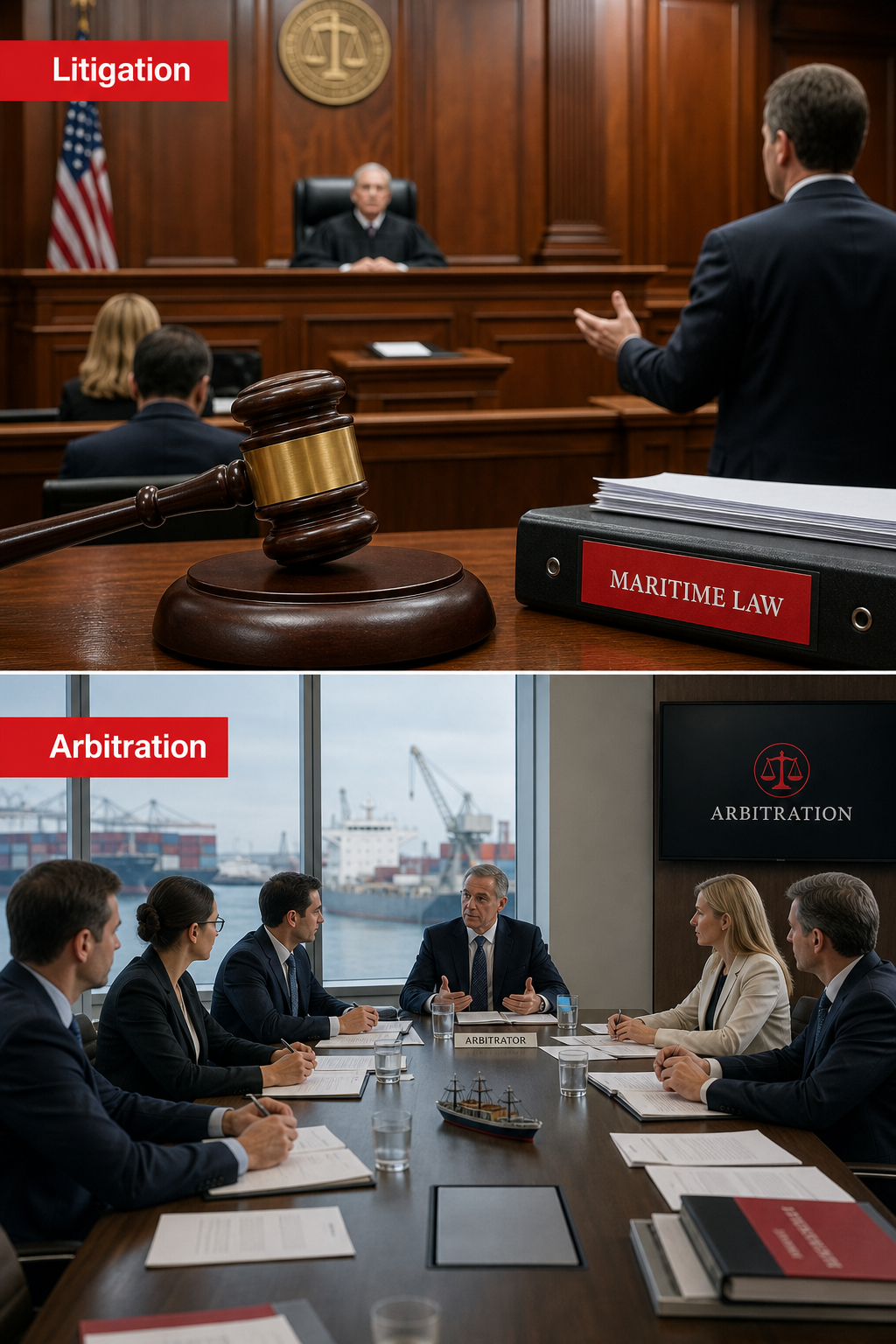
Litigation offers the chance to set legal precedent, which can be valuable for shaping future maritime law. Arbitration, on the other hand, focuses on finality , the award is meant to end the dispute.
The Parlatore Law Group notes that arbitration is often chosen when parties want to avoid the public spotlight and keep costs down. If a contract already contains an arbitration clause, courts will usually enforce it, forcing the parties into that track.
In practice, many shipping companies start with arbitration and only turn to litigation when an arbitrator refuses to act or when a party refuses to comply with an award.
FAQ
What types of disputes can be sent to maritime arbitration?
Any commercial conflict that has a clear link to shipping or marine trade can be arbitrated. Typical matters include charter‑party breaches, cargo loss under a bill of lading, ship‑building contract disputes, marine insurance claims, and salvage or collision issues. The key is that the contract includes an arbitration clause or the parties agree to arbitrate after the dispute arises.
Can I choose the arbitrators myself?
Yes. Most arbitration clauses let each side pick one arbitrator, and the two appointed members then select a third chair. If the clause calls for a sole arbitrator, the parties must agree on that single expert. When they cannot agree, a court may step in to appoint a neutral.
How long does a typical maritime arbitration take?
Speed is a major benefit. A straightforward cargo claim can be resolved in six to eight months. More complex ship‑building disputes may stretch to a year, but they still finish faster than a typical court case, which often drags on for two to three years.
Is the arbitration award enforceable worldwide?
Yes, in most cases. The New York Convention obliges over 170 countries to recognize and enforce foreign arbitral awards, provided the award meets basic fairness standards. Enforcement usually requires filing a short application in the local court where the debtor has assets.
What are the costs involved?
Costs include arbitrator fees (often calculated per hour or per day), a modest administrative fee if the institution charges one, and any legal fees you incur. Because discovery is limited, you avoid the massive expense of document‑production battles that are common in litigation.
Can parties keep the arbitration confidential?
Confidentiality is built into most arbitration rules. The parties can also sign a separate confidentiality agreement that bars the arbitrators from publishing the award or revealing sensitive information. Some institutions, however, encourage a limited public release of awards unless both sides object.
What happens if a party refuses to comply with the award?
If a party ignores the award, the winning side can seek enforcement through a local court under the New York Convention. The court will usually order payment or performance. In rare cases, the court may impose sanctions for contempt.
Do I need a lawyer to participate in maritime arbitration?
You don’t have to, but it’s wise to have legal counsel. Shipping contracts are technical, and arbitrators expect well‑crafted arguments. A lawyer can help draft the notice, manage evidence, and ensure the award is enforceable.
Conclusion
Maritime arbitration gives ship owners, charterers, and insurers a fast, private, and globally enforceable way to settle disputes. It cuts down on costly court battles, shields commercial secrets, and lets the parties pick experts who truly understand the sea‑trade world. The process follows a clear step‑by‑step roadmap, from the first notice to the final award, and is backed by institutions that have refined their rules for decades.
When you compare arbitration to litigation, the differences are stark: arbitration wins on speed, cost, and confidentiality; litigation wins on the ability to set precedent and on broader appeal rights. Most modern shipping contracts favor arbitration because the benefits line up with the fast‑paced nature of global trade.
If you’re drafting a new charter party or reviewing an existing one, make sure the arbitration clause is crystal clear. Specify the institution, the number of arbitrators, and the governing law. That small effort can save months of delay and millions of dollars down the line.
Ready to dive deeper into maritime law? Check out Maritime Law Explained: Key Concepts and Applications for a broader view of the legal landscape that surrounds shipping, admiralty jurisdiction, and the rights of seafarers.