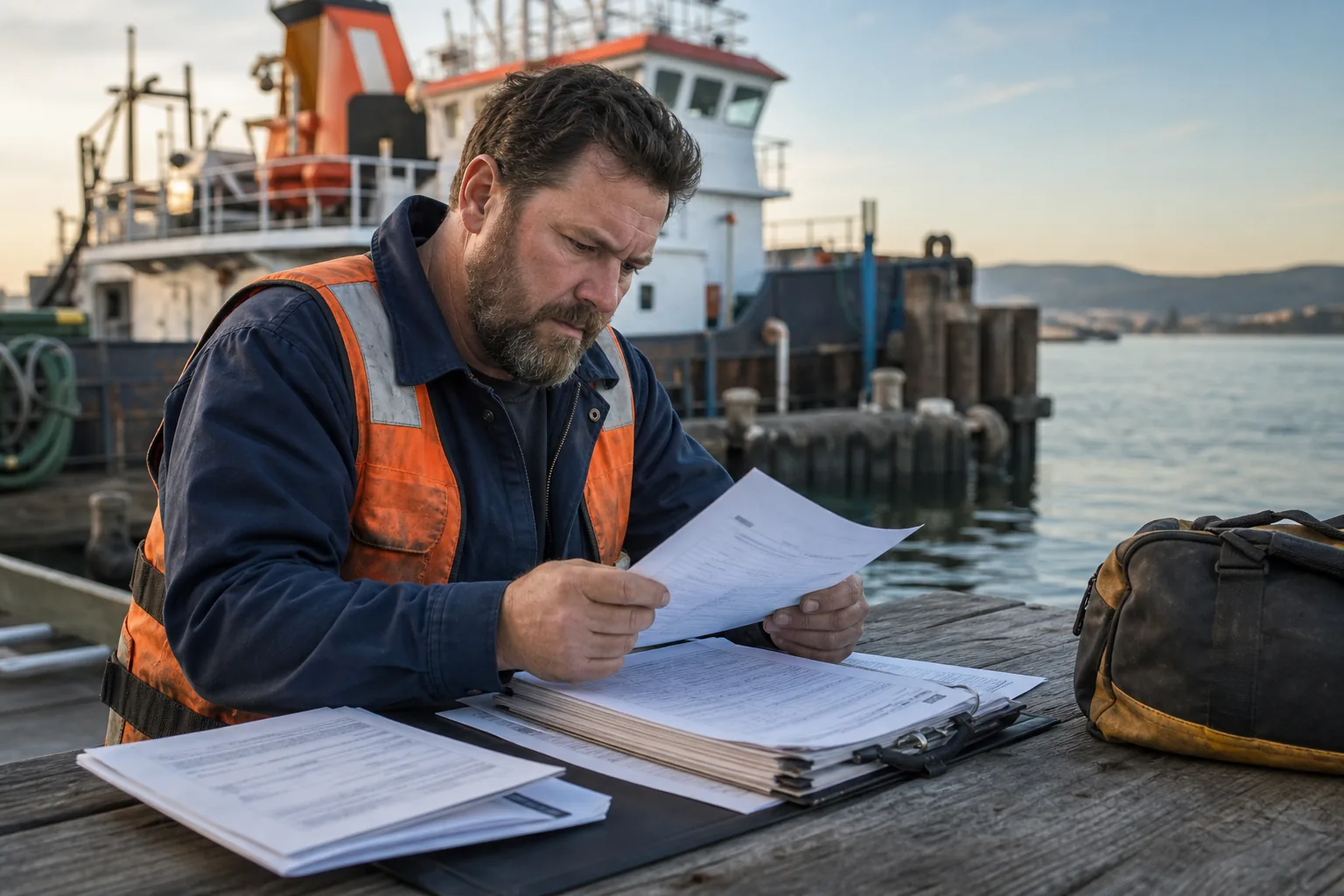
Longshore and Harbor Workers: Careers, Safety & Unions
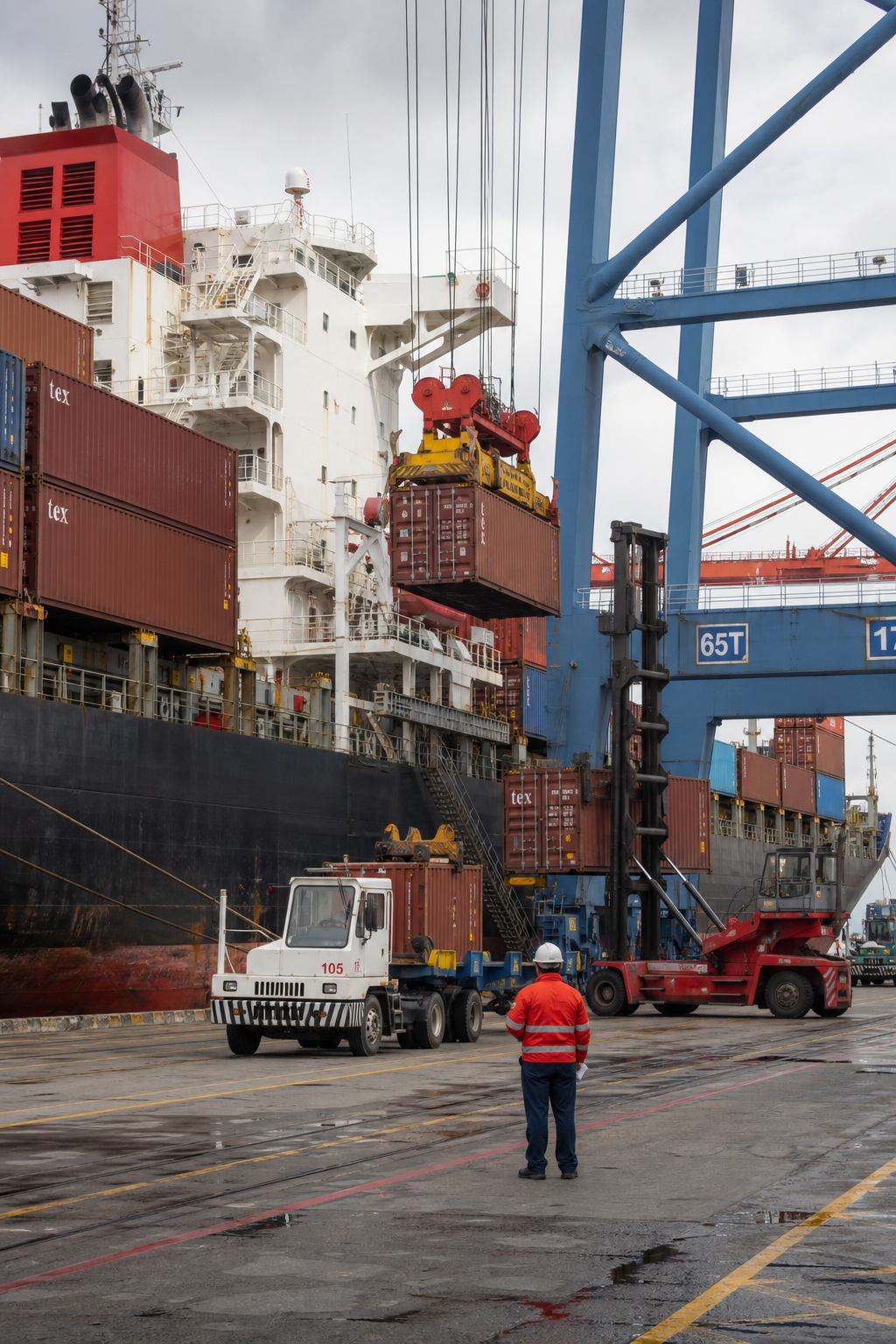
Every day, ships roll into ports and cargo shifts from massive containers to trucks. Behind that smooth flow are longshore and harbor workers who move, lock, and track the loads. This guide breaks down what they do, the risks they face, how to get trained, and why unions and new tech matter in 2026.
By the end you’ll know the day‑to‑day duties, the safety rules that protect you, the steps to start a career, and the forces reshaping the trade.
What Longshore and Harbor Workers Do
Longshore and harbor workers are the hands that keep ports moving. Their jobs range from loading containers onto a ship to tying down cargo in the hold. They also set up the moorings that keep vessels steady while loading or unloading. A typical shift may start with a walk‑around of the dock, checking that cranes, forklifts, and rubber‑tyred gantries are ready. Then they follow a loading plan that tells which container goes where and in what order.
The work is physical. Workers lift heavy boxes, guide massive machines, and stand for long hours in all weather. Because the job demands strength and stamina, many employers look for applicants who already have forklift certification or warehouse experience. Even though no formal education is required, basic math and reading skills are a must, workers need to read load manifests, calculate weight distribution, and record what’s moved.
On a busy day, a crew might handle dozens of ships. They coordinate with ship captains, terminal managers, and truck drivers to keep the supply chain flowing. Accurate record‑keeping is important; a misplaced container can delay a ship’s departure and cost the company thousands of dollars. That’s why many ports use digital checklists and barcode scanners to log each item as it moves.
Because the role touches both construction and operations, workers can move between tasks. One moment they’re rigging a crane, the next they’re inspecting a pier for cracks. This flexibility helps ports adapt to changing cargo types, from standard containers to oversized equipment.
For a deeper look at the legal side of dock work, see How to File Longshore Harbor Act Claims Successfully. The article explains the compensation framework that protects workers when injuries happen on the dock.
According to the U.S. Department of Energy, entry‑level dock jobs pay between $34,779 and $45,654 a year and often start with on‑the‑job training. Employers may offer apprenticeships to people who can handle the physical demands. The same source notes that many positions value prior warehouse work, which helps new hires grasp the fast‑paced environment quickly.
Because each port has its own layout, workers learn the specific quirks of their facility, where the strongest mooring points are, which lanes are best for trucks, and how local weather affects crane stability. This on‑site knowledge becomes a lifelong asset as workers move between ports or advance into supervisory roles.
Safety Hazards and Regulations
Working on a dock is rewarding, but it also comes with real danger. Heavy machinery, moving loads, and wet decks create a perfect storm for injuries. The most common hazards include crane failures, struck‑by incidents from trucks, and caught‑between accidents when cargo shifts unexpectedly.
Falls are another big risk. Workers climb ladders to reach high containers, walk on slippery steel surfaces, and sometimes operate at height on ship decks. A simple slip can turn into a broken bone or worse. Fatigue adds to the problem; long shifts and repetitive motion increase the chance of a mistake.
To protect workers, the Occupational Safety and Health Administration (OSHA) enforces a set of port‑specific rules. One key standard covers the safe use of ship‑board gear, cranes, and winches. It requires regular inspections, certifications for operators, and documented maintenance logs. Another OSHA rule focuses on on‑shore cargo operations, mandating that employers conduct timely safety checks on derricks, rubber‑tyred gantries, and forklifts.
The Longshore and Harborworkers Act also plays a role. While it mainly provides medical and income benefits after an injury, it does not replace OSHA’s record‑keeping duties. Employers still have to keep accurate OSHA injury logs, unless they qualify for an exemption based on size or industry classification.
OSHA’s own interpretation letters clarify how the Act interacts with standard record‑keeping. For example, a 1992 letter states that firms must maintain OSHA injury and illness records even when some workers are covered by the Longshore and Harborworkers Act. The letter also explains how to count lost workdays correctly, excluding holidays and days the employee would not have worked anyway.
Port operators use digital tools to boost safety. Mobile‑ready SOS alarms let a lone worker alert supervisors instantly. Real‑time incident reporting apps let crews capture near‑misses on the spot, turning them into corrective actions before a pattern emerges.
Because safety is a shared responsibility, many ports run regular safety drills. Workers practice emergency evacuations, learn how to lock down a crane, and review the steps for reporting an injury. These drills reinforce the habit of stopping work if a hazard is spotted, rather than pushing through.
Finally, personal protective equipment (PPE) is non‑negotiable. Hard hats, high‑visibility vests, steel‑toe boots, and hearing protection are standard issue. Some ports also require fall‑arrest uses for work above a certain height.
OSHA’s guidance is updated from time to time. To stay current, managers should check the agency’s website regularly for new standards or interpretation letters.
For a full rundown of the regulations, see the OSHA interpretation letter on Longshore and Harborworkers Act recordkeeping. It explains how the Act and OSHA rules work together.
Training and Certification Pathways
Getting into a dock job doesn’t require a college degree, but you do need the right training. Most ports offer on‑the‑job apprenticeships that blend classroom instruction with hands‑on practice. An apprenticeship may last six months to a year, depending on the complexity of the equipment you’ll use.
Key certifications include forklift operator cards, crane operator licenses, and hazardous material handling permits. These credentials are often issued by the Occupational Safety and Health Administration (OSHA) or the National Commission for Certifying Agencies. Having them on your résumé signals that you can work safely with heavy gear.
Many workers also take courses through community colleges or trade schools. Programs in maritime technology cover topics like cargo stowage, ship stability, and basic marine engineering. Some schools partner directly with local ports, allowing students to complete a portion of their training on real vessels.
Veterans find the dock industry welcoming. The physical nature of the work aligns with military training, and many ports have veteran hiring initiatives. If you’re a veteran, you can often submit your DD214 along with your application to speed up the hiring process.
Once you’re on the job, continuous learning is expected. SafetyCulture, for example, offers mobile safety checklists that crews can complete before each shift. These checklists keep everyone on the same page and reinforce the habits learned in training.
Digital learning doesn’t stop at the classroom. Many ports use online platforms that track certifications, schedule refresher courses, and alert workers when a renewal is due. This helps you stay compliant without having to remember every deadline.
When you’re ready to move up, look for senior roles like foreman or terminal supervisor. These positions often require additional certifications in leadership, logistics, or advanced crane operation. They also pay more, some senior roles reach six‑figure salaries in high‑traffic ports.
For a quick reference on the basics of longshore work, the Wikipedia entry on longshoremen offers a concise history and overview of the role.
The Impact of Unions and Modern Technology
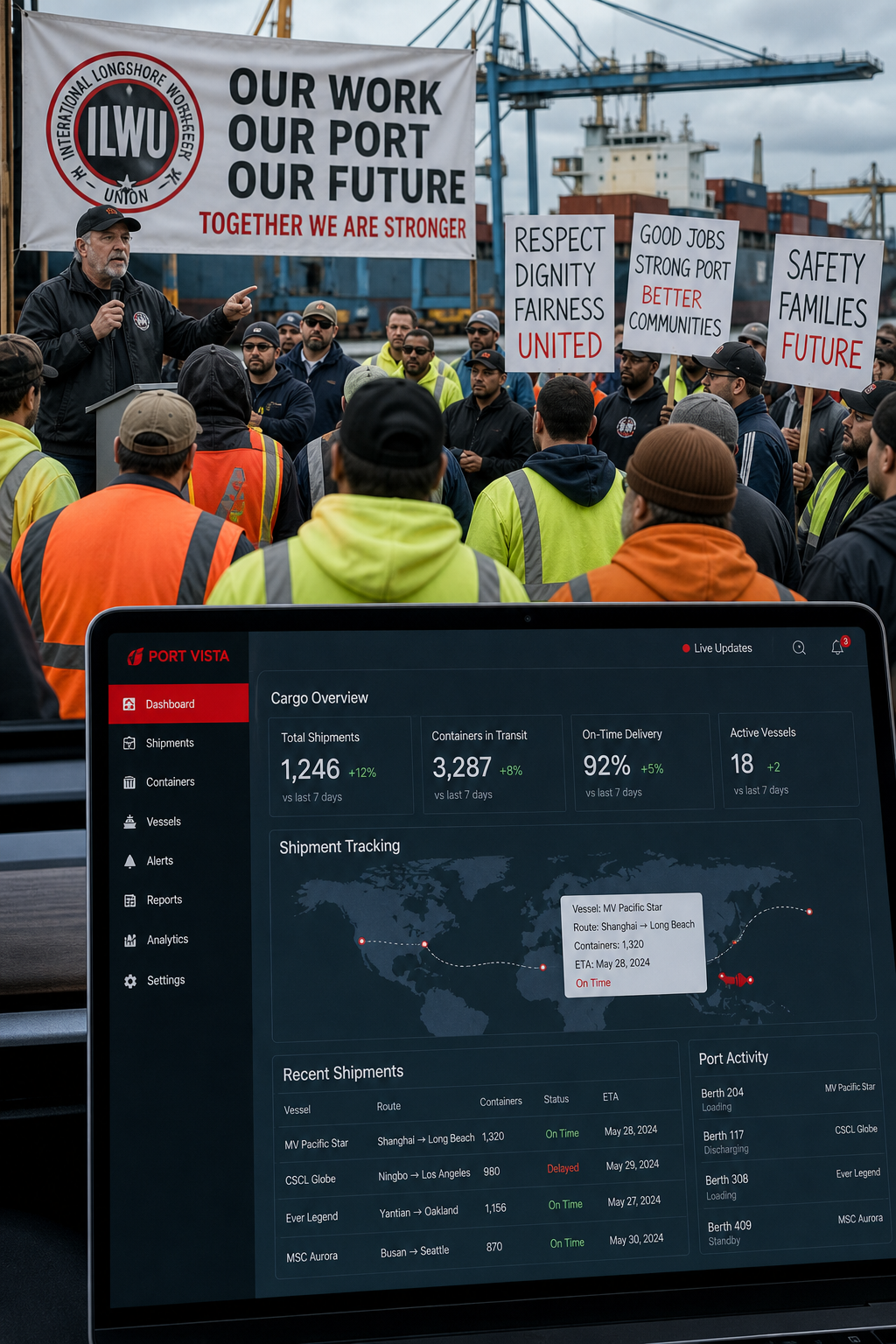
Unions have shaped dock work for over a century. The International Longshore and Warehouse Union (ILWU) negotiates wages, benefits, and safety standards on behalf of its members. By banding together, workers gain bargaining power that can secure better pay, health coverage, and retirement plans.
Union contracts also include clauses that require regular safety audits and training upgrades. This means that even as technology changes, workers get the education they need to use new tools safely.
Speaking of tech, ports are adopting digital solutions at a fast pace. Automated guided vehicles (AGVs) now move containers across yards without a driver, reducing the risk of struck‑by injuries. RFID tags and real‑time location systems let managers see exactly where each container is, cutting down on misplaced loads.
Another trend is the use of data analytics. By analyzing lift cycles, ports can predict when a crane will need maintenance, preventing breakdowns that could cause accidents. Workers access dashboards on tablets that show the status of every piece of equipment on the dock.
While tech brings safety gains, it also changes the skill set workers need. Operators must now understand basic computer interfaces, troubleshoot sensor errors, and interpret data visualizations. Unions have responded by pushing for training programs that cover these digital competencies.
Union newsletters often highlight new safety tech, showing how the two forces complement each other. For example, a recent ILWU dispatch discussed a pilot program where drones inspect pier structures, catching cracks before they become hazards.
Overall, the partnership between organized labor and emerging tech creates a safer, more efficient dock environment. Workers enjoy better protections, while ports reap the benefits of smoother operations.
"When workers and technology speak the same language, the whole supply chain moves faster and safer."
Frequently Asked Questions
What qualifications do I need to become a longshore or harbor worker?
You don’t need a college degree, but you should be physically fit and able to lift heavy loads. Employers look for basic math and reading skills, plus any prior warehouse or forklift experience. Certifications such as a forklift operator card or crane license boost your chances, and many ports offer apprenticeships that combine classroom learning with on‑the‑job training.
How much can I expect to earn as a longshore worker?
Entry‑level wages range from about $34,000 to $45,000 per year, according to the U.S. Department of Energy. Pay rises with experience, certifications, and seniority. Union members often earn higher wages and receive benefits like health insurance and retirement plans negotiated in collective agreements.
What are the biggest safety hazards on the dock?
The most common risks include equipment failures such as crane breakdowns, struck‑by incidents from moving trucks, and falls from heights. Caught‑between accidents happen when cargo shifts unexpectedly. Fatigue also plays a role, making it harder to stay alert during long shifts. Following OSHA regulations and using personal protective equipment are essential ways to reduce these hazards.
Do I need to join a union to work on the dock?
While many ports work closely with unions like the ILWU, you can still find non‑union positions, especially in smaller terminals. However, union jobs usually provide better pay, benefits, and safety protections. If you’re interested in union work, you’ll need to be added to the longshore worker register and complete the interview process with the shipping association and the union.
How does technology affect daily tasks for dock workers?
Automation tools like AGVs move containers without drivers, and RFID tags let you track cargo in real time. Digital dashboards give you instant visibility into equipment status, helping you avoid breakdowns. Workers now need to be comfortable using tablets and interpreting data, so many training programs now include basic tech literacy.
What steps should I take if I’m injured on the job?
Report the injury to your supervisor immediately and fill out the OSHA injury log. Because longshore workers are covered by the Longshore and Harborworkers Act, you may be eligible for medical and wage benefits. Keep all medical records and work‑related documents, and consider consulting a maritime attorney to ensure you receive the full compensation you’re entitled to.
Conclusion
Longshore and harbor workers form the backbone of global trade. They load and unload ships, keep records straight, and adapt to ever‑changing cargo types. The job is physically demanding, but clear safety standards from OSHA and the Longshore and Harborworkers Act help keep risks in check. Training pathways, apprenticeships, certifications, and on‑the‑job learning, make it possible for anyone with the right mindset to start a career.
Unions continue to protect workers’ rights, negotiate better wages, and push for safety upgrades. At the same time, modern technology, automation, real‑time tracking, and data analytics, makes docks safer and more efficient. When the two forces work together, the result is a resilient workforce ready for the challenges of 2026 and beyond.
If you want to dive deeper into maritime safety or explore related career guides, s on our site for more detailed information.