
Jones Act Requirements Explained
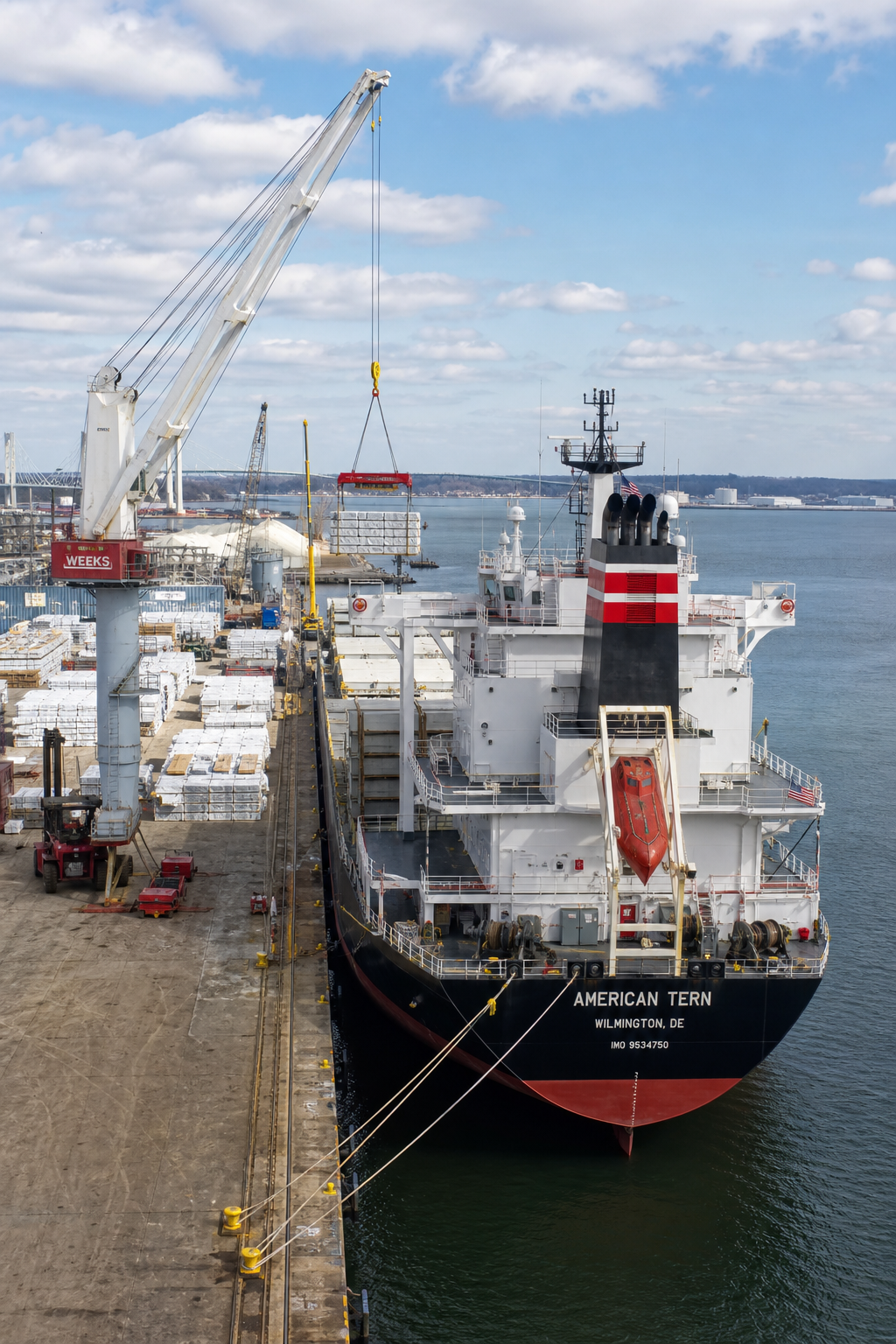
Ever wondered why a ship that sails between New York and Miami has to fly a U.S. flag? The rule isn’t a suggestion , it’s the law. In this guide we break down the Jones Act requirements so you can see what the rule means for owners, crews, and cargo movers.
We’ll walk through the basics, then dig into ownership rules, crew citizenship, cargo limits, the few waivers that exist, and what happens if you slip up. By the end you’ll know the key steps to stay on the right side of the law.
What Is the Jones Act?
The Jones Act, formally the Merchant Marine Act of 1920, was created to keep a strong U.S. merchant fleet. It says any vessel that moves goods or passengers between two U.S. ports must be U.S. built, U.S. owned, and U.S. crewed. The law sits in Title 49 of the United States Code and is enforced by the Coast Guard and Customs and Border Protection.
Why does it matter? If a ship doesn’t meet the rule, customs can stop it, levy fines, or force it to off‑load cargo. That can shut down a supply line in a matter of hours.
The Act has four pillars: vessel construction, ownership, crew, and cabotage (the right to carry goods between domestic ports). All four must line up for a ship to be considered a “Jones Act vessel.” If any pillar is missing, the vessel is treated as foreign for domestic trade.
Because the rule covers every leg of a ship’s life, compliance starts long before a vessel leaves the dock. Companies often run a compliance check during the design phase to avoid costly surprises later.
Vessel Ownership and Construction Requirements
To meet the ownership test, a ship must be at least 75 % owned by U.S. citizens. That ownership can be direct or through a U.S. corporation that itself meets the citizenship test. The corporation must be a “documentation citizen,” meaning it’s organized under U.S. law and its board meets certain management rules.
Public companies face extra hurdles because many shareholders hold stock in “street” name. The fair‑inference rule lets a company prove citizenship if 95 % of its beneficial owners have U.S. addresses and it can identify anyone owning more than 5 % of the stock. Tools like Schedule 13‑D filings at the SEC help gather that data, but the process can be time‑consuming.
Construction is the other half. A Jones Act vessel must be built in a U.S. shipyard. The law does not require the entire ship to be built on U.S. soil, but the primary hull and major structural components must originate there. This rule keeps the domestic shipbuilding industry alive, though critics note it makes ships 3‑4 times more expensive than foreign builds.
Imagine a logistics firm that wants to launch a new coastal service. First it checks the equity stack of its subsidiary. If the subsidiary is 80 % owned by a U.S. holding company, the firm passes the ownership test. Next it looks for a shipyard that can deliver a vessel built to modern standards. That shipyard will need to certify that the hull was welded in the United States and that all major systems were installed domestically.
Because the ownership rule is strict, many firms set up a special purpose vehicle (SPV) that isolates the vessel’s equity from the parent’s broader shareholder base. The SPV’s charter often spells out a cap on non‑U.S. equity , for example, “no more than 25 % of shares may be held by foreign persons.” This protects the vessel from later ownership changes that could break the rule.
For a deeper look at how public companies prove citizenship, see our Jones Act waiver guide. The guide walks through the fair‑inference approach and shows how to pull data from SEC filings.
Crew Manning and Citizenship Rules
The crew rule is simple on its face: at least 75 % of the crew must be U.S. citizens. That includes the captain, officers, and all other crew members who work on the vessel during a voyage. The rule also applies to any seafarer who performs work that directly affects the vessel’s operation, such as engineers or radio operators.
There are a few nuances. For example, a vessel may employ foreign nationals in non‑essential roles , say, a chef or a housekeeping staff member , as long as they do not make up more than 25 % of the total crew. However, if a foreign crew member is on the payroll as a deck officer, the ship instantly fails the crew test.
Compliance officers often run a crew audit before each voyage. The audit checks each crew member’s passport, proof of U.S. citizenship, and the length of their contract. If any crew member’s status is ambiguous, the operator must either replace them or obtain a waiver.
One real‑world case involved a coastal ferry that hired a foreign‑trained engineer to fill a sudden vacancy. The ferry’s operator thought the engineer’s work was limited to maintenance, but customs officials classified the role as essential. The ferry was fined, and the incident forced the company to revamp its crew vetting process.
Because the crew rule is tied to the vessel’s flag, even a temporary change in flag can trigger a cascade of paperwork. If a company wants to re‑flag a ship for a non‑U.S. route, it must first off‑load all U.S. crew, replace them with foreign crew, and then apply for a new flag.
For a deeper legal perspective, the K&L Gates guide to the Jones Act explains how the rule interacts with other maritime statutes and offers a checklist for ship owners.
Cargo Transportation and Cabotage Rules
Cabotage is the right to carry goods between two points within the same country. Under the Jones Act, only U.S.‑flagged vessels can perform cabotage on domestic routes. That means a foreign‑flagged ship can’t move cargo from Seattle to San Diego, even if the cargo originated overseas.
The rule applies to all cargo types , containers, bulk grain, automobiles, you name it. It also covers passengers on domestic routes. The only exceptions are the few statutory waivers that Congress can grant, such as for humanitarian relief or natural disasters.
Because the cabotage rule limits competition, shipping costs on isolated markets like Hawaii or Puerto Rico tend to be higher. A study by the Federal Reserve Bank of New York showed that shipping a 20‑foot container from the U.S. mainland to Puerto Rico costs about $3,000, while the same container to a nearby Caribbean nation costs roughly $1,500.
Businesses that rely on coastal shipping often have to factor the higher cost into their pricing. Some companies mitigate the impact by using intermodal transport , moving goods by rail or truck to a U.S. port, then using a Jones Act vessel for the final leg.
When a waiver is issued, the Coast Guard can temporarily allow a foreign vessel to perform a cabotage trip. Waivers are usually short‑term and tied to a specific event, such as a hurricane that knocks out domestic vessels.
For a quick definition of cabotage and its global context, see Wikipedia’s cabotage article.
Exemptions and Waivers
Congress can carve out narrow exceptions to the Jones Act. The most common are humanitarian relief, disaster response, and certain government‑owned vessels. A waiver can also be granted when a domestic vessel is unavailable and the cargo is essential for national security.
In practice, a waiver is a time‑limited permission that lets a foreign‑flagged ship operate on a domestic route. The Coast Guard reviews each request, weighing the economic impact against the public need. If granted, the waiver lists the exact ports, cargo type, and duration.
Critics argue that waivers are too rare, leaving islands like Hawaii stuck with high shipping rates. A recent report on the cost of the Jones Act to Hawaii found a median annual cost of $1.2 billion, with each resident paying roughly $645 more per year for goods.
State legislators have introduced bills to exempt non‑contiguous U.S. locations from the rule altogether. Those proposals aim to lower the cost of living and boost economic activity in places that rely heavily on maritime transport.
For a snapshot of the current waiver landscape, the Winston article on Jones Act waivers tracks recent approvals and the legal reasoning behind them.
"The Jones Act was designed for a different era; today it often creates more cost than benefit for isolated communities," a maritime economist noted.
Penalties for Non-Compliance
If a vessel breaks any of the four pillars, customs can impose civil penalties that range from $5,000 per day to millions of dollars for repeated violations. The fine structure is tiered: a first‑time offense may draw a lower fine, but subsequent infractions see steep increases.
Beyond monetary fines, a vessel can be detained at port until the owner resolves the compliance issue. Detention can last days or weeks, causing lost revenue, missed delivery windows, and strained customer relationships.
In a 2024 case, a coastal carrier was hit with a $2 million penalty after customs found the ship was built abroad and crewed mostly by foreign nationals. The court ordered the carrier to re‑flag the vessel and replace the crew before it could resume service.
Legal counsel often advises companies to conduct a compliance audit before launching a new route. The audit should verify shipbuilding certificates, ownership records, crew passports, and cargo manifests. If any gap appears, the company can either correct it or apply for a waiver well before the vessel departs.
For a detailed look at recent fines and court guidance, on historic Jones Act penalties. The article outlines how courts interpret the law and what factors weigh into the fine amount.
Frequently Asked Questions
What types of vessels are subject to the Jones Act?
Any vessel that moves passengers or cargo between two U.S. ports falls under the Act. This includes barges, tankers, container ships, and even small ferries. The key is that the journey starts and ends at U.S. ports. Vessels that only travel between a U.S. port and a foreign port are not covered.
Can a foreign‑built ship ever be used for domestic routes?
Only if the ship is later rebuilt in a U.S. shipyard so that the primary hull and major components meet the construction rule. Some owners have undertaken extensive retrofits, but the process is costly and time‑intensive. In most cases, companies opt to purchase a U.S., built vessel instead.
How is the 75 % ownership threshold calculated?
The calculation looks at equity interest, not voting rights. If a U.S. citizen holds a preferred share that doesn’t count toward equity, it may not help meet the threshold. Companies often use a detailed equity ledger that breaks down each class of stock and the citizenship of each holder.
Are there any fast‑track ways to get a waiver?
Waivers are granted on a case‑by‑case basis, usually after a formal request to the Coast Guard. The request must detail the emergency, the lack of available U.S. vessels, and the economic impact. Providing supporting data, like cost‑benefit analyses, improves the chance of approval.
What happens if a ship is detained for non‑compliance?
Detention means the vessel cannot leave the port until the issue is fixed. The owner must present proof of compliance , such as a new ownership certificate or crew roster , to customs officials. While detained, the ship accrues port fees and loses any scheduled cargo contracts.
Do the penalties differ for cargo versus passenger vessels?
The base fine structure is the same, but courts may consider the public impact. A passenger ferry that fails the crew rule could face higher penalties because it affects public safety, whereas a cargo barge might see a lower fine if the violation is deemed less risky.
How often are waivers granted?
Waivers are relatively rare. In a typical year, only a handful are issued, mostly for disaster relief or military support. The Coast Guard publishes a list of active waivers on its website, which companies can review to see if a similar request has been approved.
Is there a way to challenge a fine?
Yes. An owner can file a petition in federal court to contest the penalty. The court will examine the evidence, the severity of the breach, and any mitigating factors. Successful challenges often hinge on proving that the vessel was in compliance at the time of the alleged violation.
Conclusion
The Jones Act weaves together shipbuilding, ownership, crew, and cargo rules into a single compliance puzzle. Ignoring any piece can lead to fines, detention, or lost business. By checking vessel citizenship early, keeping crew records up to date, and planning for the rare waiver, operators can keep their ships sailing smoothly.
If you need a deeper look at a specific part of the law, our site offers a full guide on the Jones Act waiver process and a checklist for owners. Stay informed, stay compliant, and keep your cargo moving.