
Understanding the Jones Act Waiver: An Explainer Guide
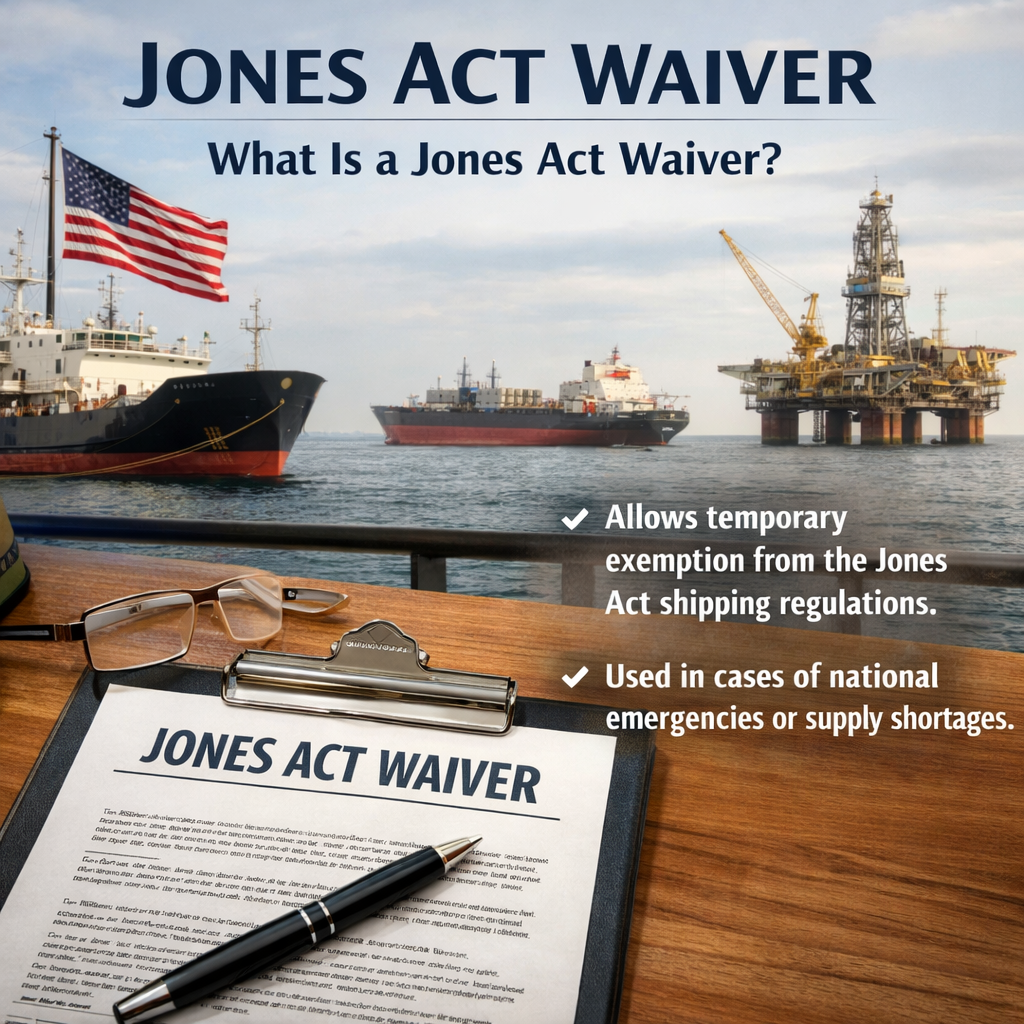
In 2026 the U.S. government lifted a rare restriction on domestic shipping. That move sparked headlines and heated debate. If you work on a vessel, trade goods, or simply want to know how the rule change affects you, you’re in the right place. This guide breaks down what a Jones Act waiver does, why it’s used, how the process works, the bumps you might hit, and the must‑know tips before you apply.
What Is a Jones Act Waiver?
The Jones Act is a 1920 law that says goods moved between U.S. ports must ride on ships that are built in the United States, fly the U.S. flag, and are crewed mostly by U.S. citizens. The rule protects domestic shipbuilders and keeps a fleet ready for defense needs.
When the government issues a waiver, those strict requirements are paused for a set time. In March 2026 a 60‑day waiver let foreign‑flag vessels carry certain fuel and other critical goods between ports. The pause only applies to the shipping rule, not to the safety or labor protections that workers keep.
For a maritime worker, the short answer is simple: your right to sue for a workplace injury stays the same. The waiver does not strip you of the legal protections the Jones Act gives to seamen.
Imagine a tanker from another country loading gasoline in Texas and sailing straight to California. Under the waiver that trip counts as a domestic shipment, even though the ship isn’t U.S.‑flagged.
Why does the government bother? The short‑term goal was to ease fuel shortages caused by the Iran conflict that closed the Strait of Hormuz, a key choke point for world oil.
Here’s the legal hook: the waiver is granted under 46 U.S.C. § 501(a), which allows the Secretary of Defense to suspend navigation laws when national defense is at risk. The Department of Homeland Security (DHS) then publishes the waiver and its details.
Even though the waiver opens the market for a short window, the U.S. still monitors each foreign‑flagged vessel. Operators must file a special cargo declaration and report the voyage within ten days after it ends.
Bottom line:A waiver is a temporary legal pause on vessel requirements, not a repeal of worker protections.
Why Waivers Are Needed: Legal and Operational Benefits
First, think about supply chain pressure. When a global crisis snaps a key shipping lane, the U.S. can run low on fuel or essential goods. A waiver lets foreign ships fill the gap fast.
Second, the law creates a reliable market for U.S. shipbuilders. By keeping a home‑grown fleet, the nation retains a ready reserve for military logistics. That reserve can move troops, equipment, and fuel when overseas routes are blocked.
Third, the waiver can lower short‑term costs for certain shippers. If a foreign vessel can carry a load that U.S. ships cannot fit, the price tag on that shipment may drop.
But the data show the impact on consumer prices is tiny. A Seattle Times analysis found that the extra cost of using U.S. vessels adds less than a third of a cent per gallon to gasoline. The waiver’s effect on the price of fuel in California was negligible, even after the Iran conflict pushed global oil higher.
Here’s a real‑world glimpse: during the waiver window, nine shipments of gasoline moved from Texas and Washington to California, totaling about 1.07 million barrels. That volume was just 0.66 % of national gasoline use at the time.
Why didn’t the price drop more? Because market forces like crude oil price, refinery capacity, and taxes dominate the final pump price. Shipping rules are a small piece of the puzzle.
"The Jones Act keeps a fleet ready for national defense, and that readiness matters more than any short‑term price tweak."
From a legal standpoint, the waiver is only valid when the Department of Defense says it’s needed for defense. That tight tie keeps the waiver from becoming a routine loophole.
Operationally, the waiver forces companies to submit detailed cargo info, HTS codes, and vessel data to CBP. That transparency helps the government track what’s moving and where.
Bottom line:Waivers help in emergencies, keep defense logistics strong, but they rarely shift consumer prices.
How the Waiver Process Works: Steps and Timeline
Step 1: Identify the commodity. Look up the Harmonized Tariff Schedule (HTS) list that CBP released. Only listed products qualify.
Step 2: Gather vessel details. You need the ship’s name, flag, crew composition, and cargo dimensions.
Step 3: Fill out CBP Form 1302, the Inward Cargo Declaration. Add a note that the shipment runs under the March 17, 2026 waiver.
Step 4: Email the completed form and cargo info to jonesact@cbp.dhs.gov. The email must include the CSMS message numbers referenced in the waiver notice.
Step 5: Wait for CBP acknowledgment. They publish each request on their website within 24 hours.
Step 6: Load the cargo before the deadline. For the original waiver, the load‑by date was May 17, 2026, 11:59 p.m. ET. The extension pushes that to August 16, 2026.
Step 7: After the voyage ends, the vessel’s owner reports the trip to the Maritime Administrator within ten days. The report goes live on the Maritime Administration’s site within 48 hours.
During the process, keep an eye on any updates. CBP posted an extra data element on April 24, 2026 that requires a PDF copy of Form 1302 attached to the email.
Below is a short video that walks through the filing steps. It’s a good visual refresher before you start.
Remember, the waiver is a narrow tool. If you try to use it for a product not on the list, CBP will reject the request and you could face penalties for filing false information.
For the official rule text, see the U.S. Customs and Border Protection waiver guidance. It spells out the exact paperwork needed.
Bottom line:Follow the eight‑step checklist, respect the loading deadline, and file the post‑voyage report to stay compliant.
Common Challenges and How to Overcome Them
Challenge 1: Missing or wrong HTS code. If the code isn’t on the waiver list, CBP will reject the request. Double‑check the list before you file.
Solution: Use the official CBP attachment as your source. Keep a spreadsheet of approved codes for quick reference.
Challenge 2: Late cargo loading. The deadline is strict, miss it and the waiver disappears.
Solution: Build a timeline that adds a safety buffer of at least 48 hours before the cutoff.
Challenge 3: Reporting errors after the voyage. Incomplete reports trigger penalties under 46 U.S.C. § 501(c).
Solution: Assign a single point of contact to gather crew logs, cargo weights, and dates. Use a checklist before submitting the final report.
Challenge 4: Crew safety concerns on foreign‑flag ships. Different training standards can raise injury risk.
Solution: Conduct a pre‑voyage safety audit. Verify that the ship follows International Safety Management (ISM) code standards. If you suspect a risk, raise it with the ship’s operator before boarding.
Challenge 5: Legal confusion about worker rights. Some workers think the waiver erases their right to sue.
Solution: Remember the waiver only touches shipping rules. For injury claims, the Jones Act still applies. If you need help, see How to File a Jones Act Claim in 2026 for a step‑by‑step guide.
"A waiver does not change the legal landscape for seamen’s injury rights; it only changes who can move the cargo."
Bottom line:Spot the common pitfalls early, put checks in place, and keep the safety net of the Jones Act intact.
Key Considerations When Applying for a Jones Act Waiver
Before you submit, ask yourself these questions.
- Is my cargo on the approved list? Verify the HTS code.
- Do I have a U.S.‑flagged alternative? If yes, the waiver may not be needed.
- Can I meet the loading deadline? Build in a buffer.
- Will the foreign crew meet ISM safety standards? Request certificates.
- Do I have a reporting plan for the post‑voyage filing? Draft a template now.
Another factor is the geopolitical climate. The 2026 waiver was driven by the Iran conflict and the closure of the Strait of Hormuz. If the conflict eases, future waivers may be shorter or not issued at all.
Cost is also a factor. While foreign‑flagged vessels can be cheaper per mile, you may incur extra admin fees for filing and reporting. Weigh those against any fuel savings.
Finally, think about downstream impact. More foreign ships in U.S. waters can affect local port labor and tax revenue. Some ports have expressed concern about immigration and labor compliance on foreign crews.
For a quick reference, here’s a checklist you can download (the link is an example of a public worksheet posted by the Maritime Administration).
Bottom line:Weigh cargo eligibility, timing, safety, cost, and broader impact before you apply for a waiver.
FAQ
What types of cargo qualify for a Jones Act waiver?
Only the commodities listed in the waiver’s attachment qualify. In 2026 the list covered about 659 products, mainly fuel, renewable energy inputs, and certain chemicals. Check the HTS code for each item; if it matches a listed code, the cargo is eligible. Always confirm against the latest CBP list before filing.
How long does a typical waiver last?
Waivers are short‑term. The 2026 waiver ran for 60 days and was later extended by another 90 days. The exact period is set by the Department of Defense and published in the CBP notice. Extensions require a new request and are not guaranteed.
Do I need a lawyer to apply for a waiver?
You don’t need a lawyer to file the paperwork, but legal counsel can help you avoid mistakes that lead to denial or penalties. A maritime attorney can also advise on worker‑rights issues that stay in force despite the waiver.
What happens if my shipment arrives after the loading deadline?
If the cargo is loaded after the deadline, the waiver does not apply. The shipment must then meet the full Jones Act requirements, meaning a U.S.-flagged vessel is needed. Late loading can also trigger civil penalties for filing false information.
Can a waiver be denied?
Yes. CBP will reject a request if the cargo isn’t on the approved list, if required information is missing, or if the request appears to threaten national defense interests. The denial notice will state the reason, and you can appeal within the statutory timeframe.
How are post‑voyage reports submitted?
Within ten days of completing the voyage, the vessel’s owner or operator emails a detailed report to the Maritime Administrator at marad.milcargo@dot.gov. The report must include vessel name, cargo description, departure and arrival ports, and dates. The Administrator then publishes the report online within 48 hours.
Will the waiver affect my workers’ compensation claim?
No. The waiver only changes the vessel eligibility rules. If you are injured on a foreign‑flagged ship, you can still pursue a claim under the Jones Act, which provides compensation for seamen injured while performing duties on a vessel.
Is there a public database of all waiver requests?
Yes. CBP publishes each request and its status on its website under the “Waiver Requests” section. The data include requestor name, date, and any attached documents, unless the filer claims a trade‑secret exemption.
Conclusion
The 2026 Jones Act waiver showed how the U.S. can flex its maritime rules in a crisis while keeping seaman rights intact. For shippers, the waiver offers a brief chance to cut costs and move critical goods faster. For workers, the law’s safety net stays firm.
Before you jump in, run a quick eligibility check, lock down your timeline, and make sure you can meet the reporting duties. If you need extra help, consider a maritime attorney who knows the waiver process inside out.
By staying informed and following the steps laid out here, you can turn a temporary policy shift into a smooth, lawful operation.
Bottom line:A Jones Act waiver is a short‑term, purpose‑driven tool that can help move essential cargo, but success hinges on strict compliance and solid planning.