
Understanding the Maritime Law Jones Act: A Complete Guide
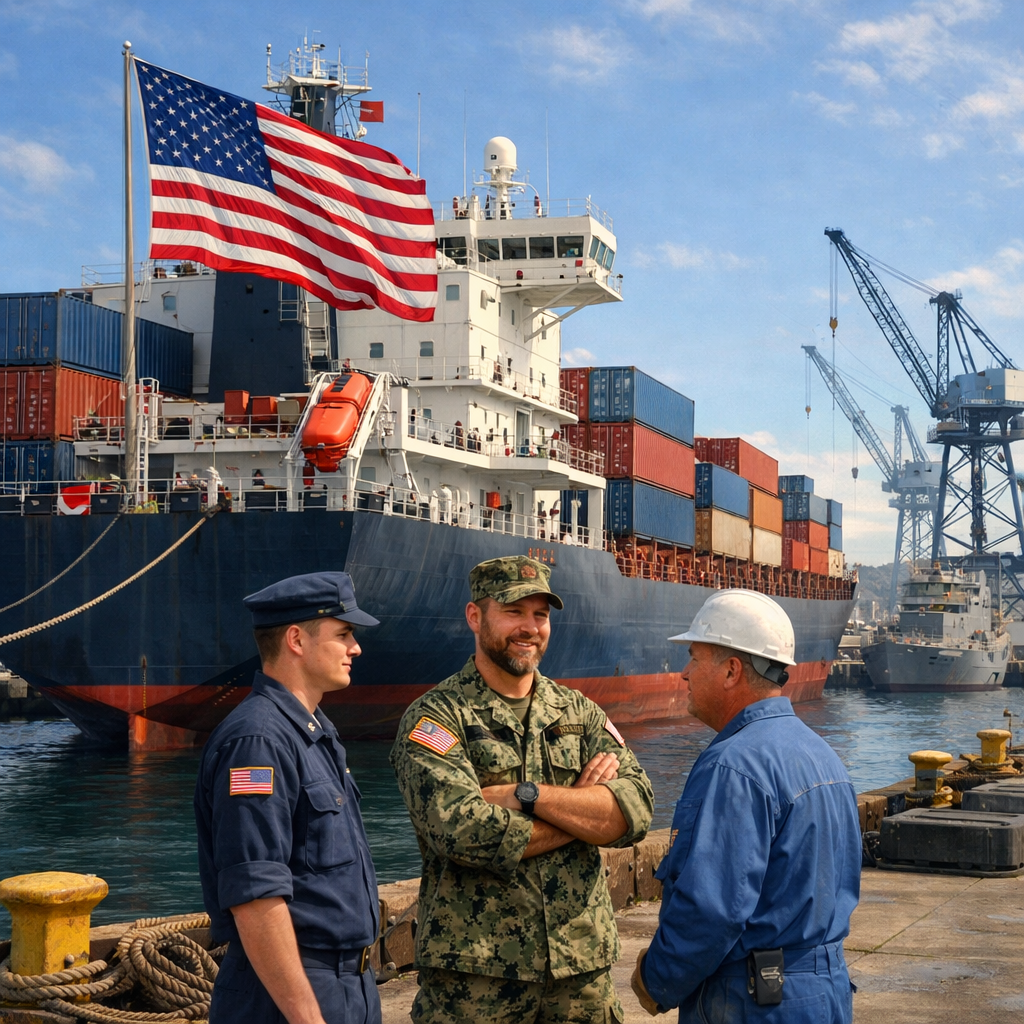
Ever wonder why a cargo ship must fly the Stars and Stripes when it moves goods between two U.S. ports? That's the Jones Act at work. It shapes who can haul freight, how workers are protected, and even how national security is guarded.
In this guide you’ll get a clear picture of the law’s roots, what it actually requires, how it affects the shipping business, the biggest court battles, and what lawmakers are talking about now. By the end you’ll know whether the Act helps or hurts you, and what steps you can take if you’re a seaman, a shipowner, or a policy‑watcher.
History and Origin of the Jones Act
The Jones Act began life as part of the Merchant Marine Act of 1920. After World War I, the United States wanted a strong fleet that could support commerce and serve as a naval auxiliary in future wars. Lawmakers wrote the Act to keep domestic shipping in American hands, hoping to protect jobs and national defense.
Congress passed the statute in response to a series of wartime lessons. During the war, foreign‑flagged ships had taken critical supplies, and the government realized it needed a reliable, home‑grown fleet. The law was named after Senator Wesley Jones, a strong advocate for a strong merchant marine.
"The Jones Act was designed not just as a trade rule, but as a strategic reserve for the nation," notes a historical analysis from Sea History.
Over the decades the Act has been tweaked, but the core idea stayed the same: only U.S.-built, U.S.-owned, U.S.-crewed, and U.S.-flagged vessels may move cargo between U.S. ports. That requirement created a niche industry of domestic shipbuilders, crew training programs, and a legal framework for seamen’s rights.
Early court decisions reinforced the policy. In the 1930s the Supreme Court upheld the law’s constitutionality, saying Congress could favor domestic vessels as a matter of national interest. The Act survived challenges during the New Deal era and again during the Cold War, when the need for a ready merchant fleet seemed especially urgent.
Bottom line:The law’s historic goal was to lock domestic shipping into American hands for economic and security reasons.
Key Provisions and Legal Requirements
The statute lays out four main pillars that ship operators must follow. First, the vessel must be U.S.-flagged. That means it is registered with the U.S. Coast Guard and flies the American flag. Second, the ship must be built in the United States. This rule supports domestic shipyards and keeps construction jobs onshore.
Third, the vessel must be owned by U.S. citizens or a U.S. corporation. Ownership rules prevent foreign investors from slipping around the law. Fourth, the crew must be U.S. citizens or permanent residents. Together, these criteria form the “U.S.-built, U.S.-owned, U.S.-crewed, U.S.-flagged” requirement.
The Act also extends the Federal Employers’ Liability Act (FELA) to seamen. A seaman injured on the job can sue the employer for negligence and is entitled to a jury trial , a right not always available under typical workers’ compensation schemes. The relevant code sections are 46 U.S.C. § 50101‑§ 50102 for vessel requirements and 46 U.S.C. § 30104 for seaman injury claims.
Compliance is overseen by the Maritime Administration (MARAD) and the Coast Guard. They verify documentation, conduct inspections, and can levy penalties for violations. Non‑compliant vessels are barred from domestic routes and may face fines.
Here’s a quick checklist for a shipowner to stay on the right side of the law:
- Confirm the hull was built in a U.S. shipyard after 1980.
- Ensure the vessel’s registration lists a U.S. flag.
- Verify ownership documents list U.S. citizens or a U.S. corporation as majority owners.
- Maintain crew payroll records showing U.S. citizenship or permanent residency.
Bottom line:The Jones Act forces a strict set of ownership, construction, flag, and crew rules, and it gives seamen a powerful personal‑injury claim.
Impact on the U.S. Shipping Industry
Because the law limits domestic trade to U.S.-compliant vessels, the market has become a specialized niche. Roughly 45,000 vessels meet the criteria, ranging from short‑haul barges to large container ships. This fleet handles essential goods like fuel, grain, and automobiles.
One effect is higher operating costs. U.S. shipyards charge more than many foreign yards, and American crew wages are higher than in many low‑cost labor markets. Those costs get passed on to shippers, which can raise freight rates. However, the trade‑off is a reliable, security‑focused fleet that can be called upon in emergencies.
Another impact is on regional economies. Ports that depend on domestic vessels often have a stable job base for dockworkers, marine engineers, and logistics staff. The Act also encourages investment in ship repair facilities and training programs that keep the workforce skilled.
Below is a simple matrix that shows how the Act influences key business decisions:
Despite higher costs, many shippers value the predictability the Act provides. In times of geopolitical tension, the domestic fleet can keep critical supplies moving when foreign ships might be blocked or seized.
Bottom line:The law raises costs but also guarantees a ready, U.S.-controlled fleet that many industries rely on for stability.
Common Legal Disputes and Notable Case Law
Most lawsuits under the Jones Act fall into two buckets: seaman injury claims and challenges to the Act’s constitutionality. Injury claims are the bulk because the law gives seamen the right to sue for negligence, pain and suffering, and lost wages.
One recent high‑profile case involved the Kōloa Rum Company, which sued the Department of Homeland Security in 2025, arguing the Act’s port‑preference clause unfairly favored mainland ports over Hawaii. In January 2026, Judge James E. Boasberg dismissed the case, saying Kōloa’s claim was time‑barred and that the Act serves a legitimate national‑security purpose. The decision reaffirmed the law’s resilience against constitutional attacks.
On the injury side, a Texas‑based worker sued his employer after a deck collapse on a cargo vessel. The plaintiff relied on the Jones Act’s extension of FELA, arguing the employer failed to provide proper safety equipment and training. The court awarded damages for medical costs, lost wages, and mental anguish, illustrating the Act’s broad protective scope.
Common negligence themes include:
- Failure to provide adequate safety training.
- Neglecting routine vessel maintenance.
- Insufficient safety gear such as life jackets.
- Overworking crew without proper rest periods.
- Sending ships into severe weather without proper shelter.
When a seaman believes his rights have been violated, the first step is to document the incident, gather medical records, and consult a lawyer who specializes in maritime law. For more on how to start that process, see How to File a Jones Act Lawsuit in 2026.
Bottom line:Injury claims dominate Jones Act litigation, but the law also withstands constitutional challenges, as recent courts have shown.
Criticisms, Reform Proposals, and Future Outlook
Critics say the Act inflates shipping costs and limits competition. They point to a 2026 temporary waiver that let foreign vessels move fuel along the coasts, hoping to lower prices. The waiver, however, had almost no impact on gasoline costs, which are driven by global crude prices and refinery capacity, not by the law itself.
Supporters counter that the Act protects national security and preserves a skilled maritime workforce. They note that foreign‑flagged ships often charge double the rates of U.S. vessels, and that the domestic fleet kept fuel flowing during the brief waiver period.
Reform proposals fall into three camps:
- Full repeal:Would open domestic routes to any vessel, potentially lowering freight rates but risking loss of strategic capacity.
- Targeted exemptions:Allow waivers for specific commodities (e.g., fuel) in emergencies, as the 2026 waiver demonstrated.
- Modernization:Update safety standards, simplify paperwork, and provide tax incentives for U.S. shipbuilders to offset higher construction costs.
Legislators appear divided. While some bipartisan members support limited waivers for energy security, most remain wary of any move that could erode the domestic fleet’s size. The ongoing debate suggests the law will stay, but with tweaks to make compliance easier and to address cost concerns.
One practical suggestion from industry groups is to create a federal grant program that subsidizes the retrofit of older U.S. vessels, keeping them seaworthy without forcing owners to buy new ships at high cost.
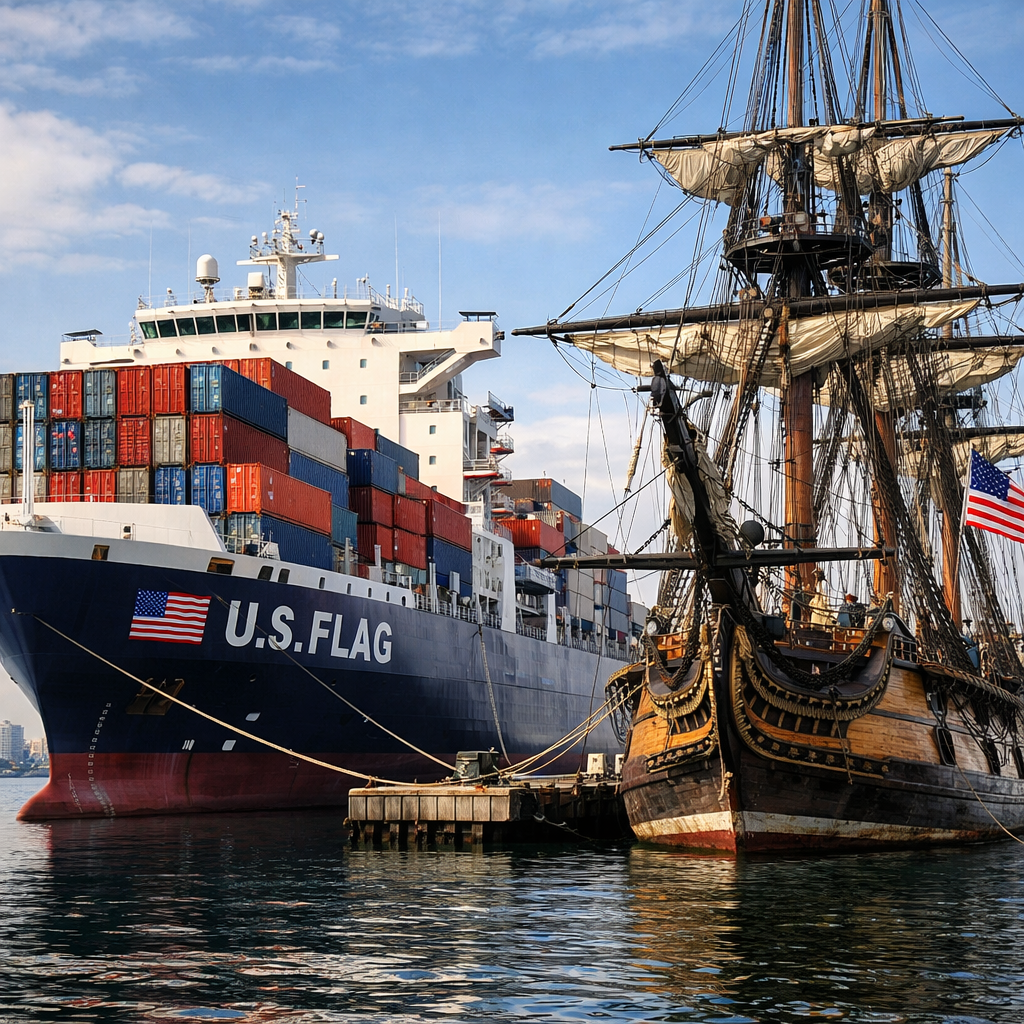
Bottom line:The Jones Act faces criticism over cost, but security and job arguments keep it alive, with reform likely focused on targeted waivers and modernized compliance.
FAQ
What is the primary purpose of the Jones Act?
The law aims to keep domestic maritime trade under U.S. control by requiring vessels that move goods between U.S. ports to be built, owned, crewed, and flagged by Americans. This supports national security, ensures a ready merchant fleet, and protects maritime jobs.
Do foreign‑flagged ships ever get to operate under the Jones Act?
Only when Congress issues a temporary waiver, like the 2026 waiver that let foreign vessels move fuel for a short period. Outside of such waivers, foreign ships cannot carry cargo between U.S. ports.
Can a seaman sue their employer for injuries under this law?
Yes. The Jones Act extends the Federal Employers’ Liability Act to seamen, giving them the right to file a negligence lawsuit, claim damages for pain and suffering, and receive a jury trial.
How long do I have to file a Jones Act injury claim?
Generally, you must file within three years of the injury, but the exact deadline can vary based on state law and the specifics of the case. Acting quickly helps preserve evidence.
What are the biggest costs for ship owners under the Jones Act?
Key costs include building or purchasing U.S.-built vessels, higher crew wages, compliance paperwork, and regular Coast Guard inspections. These expenses are offset by the security of having a protected domestic market.
Is there any movement to repeal the Jones Act?
Calls for repeal surface periodically, especially after temporary waivers, but bipartisan support remains strong because the law ties directly to national defense and job preservation. Most reform ideas focus on tweaking, not eliminating, the statute.
How does the Jones Act affect fuel prices?
Studies show the impact is minimal, about a few thousandths of a dollar per gallon. Larger price swings come from global oil markets, refinery capacity, and taxes, not from the shipping rule itself.
Where can I find a lawyer experienced in Jones Act cases?
Look for attorneys who specialize in maritime law and have a track record of handling seaman injury claims. Many law firms list their expertise on dedicated pages like the Jones Act lawyer guide.
Conclusion
The Jones Act sits at the crossroads of commerce, labor, and security. It forces ships to be built, owned, crewed, and flagged by Americans, which keeps a strategic fleet alive but adds cost to domestic shipping. Seamen gain powerful injury protections, while ship owners must handle a strict compliance regime.
Recent challenges, both legal and political, show the law is durable but not immutable. Temporary waivers have sparked debate, yet the core idea of a home‑grown merchant marine still enjoys broad bipartisan backing. If you operate in the U.S. maritime space, staying ahead of compliance requirements and watching reform talks will protect your business and your crew.
Ready to safeguard your maritime operations? Connect with a Jones Act lawyer today to review your fleet, contracts, and worker safety policies. A quick consultation can help you avoid costly violations and ensure you’re ready for any policy shift.