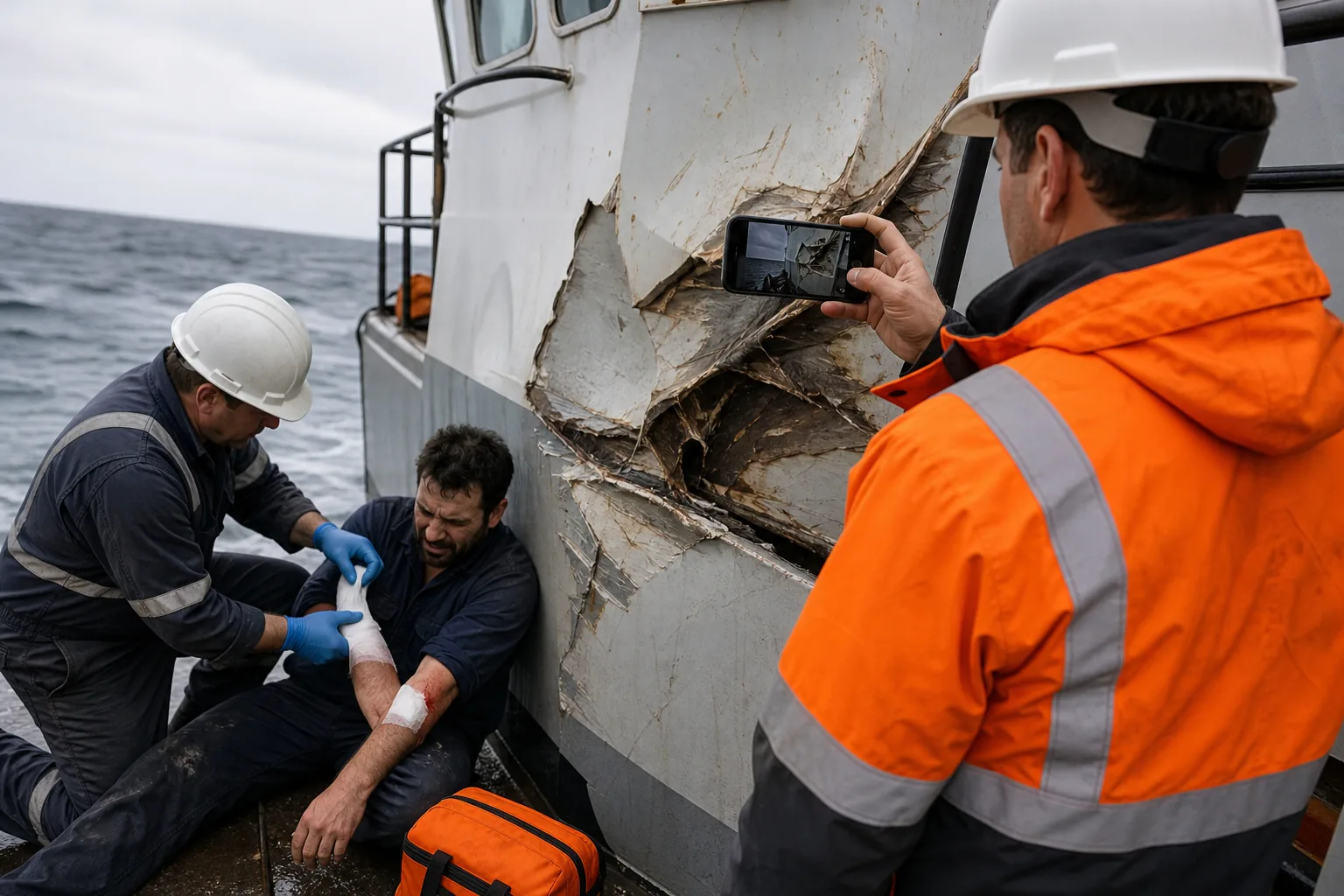
How to File a Maritime Wrongful Death Lawsuit
When a loved one dies at sea, the pain feels endless. The legal system can feel like a storm you can’t handle alone. This guide walks you through the exact steps to file a maritime wrongful death lawsuit, from picking the right court to getting the money you need.
By the end you’ll know how to lock down jurisdiction, preserve proof, size up damages, and negotiate or fight for a fair settlement. Let’s get started.
Step 1: Determine Jurisdiction and Filing Requirements
The first thing you must decide is where to file. Maritime cases can live in federal court, state court, or a mixed venue depending on the facts. If the death happened on navigable waters of the United States, federal law usually takes the lead. If it was in state‑controlled waters or involved a state‑specific wrongful‑death statute, you may end up in state court.
Ask yourself three questions:
- Did the vessel operate in U.S. waters?
- Was the decedent a seaman, passenger, or dock worker?
- Which statute , the Jones Act, DOHSA, or a state law , best fits the situation?
Answering these lets you pick the right court and the right deadline. For example, the Jones Act and the Death on the High Seas Act (DOHSA) both have a three‑year filing window, but some state statutes shrink that to one or two years.
Once you know the venue, you’ll need to file a complaint that lists the parties, describes the accident, and cites the legal theory. The complaint must name every potentially liable party , the shipowner, the operator, the charterer, and sometimes even equipment manufacturers.
Because maritime law mixes federal and state rules, a seasoned attorney can spot hidden pitfalls. Best Maritime Wrongful Death Attorney Guide 2026 offers a checklist of what to look for when choosing counsel.
Bottom line:Confirm jurisdiction early and lock in the filing deadline to keep your claim alive.
Step 2: Collect and Preserve Crucial Evidence
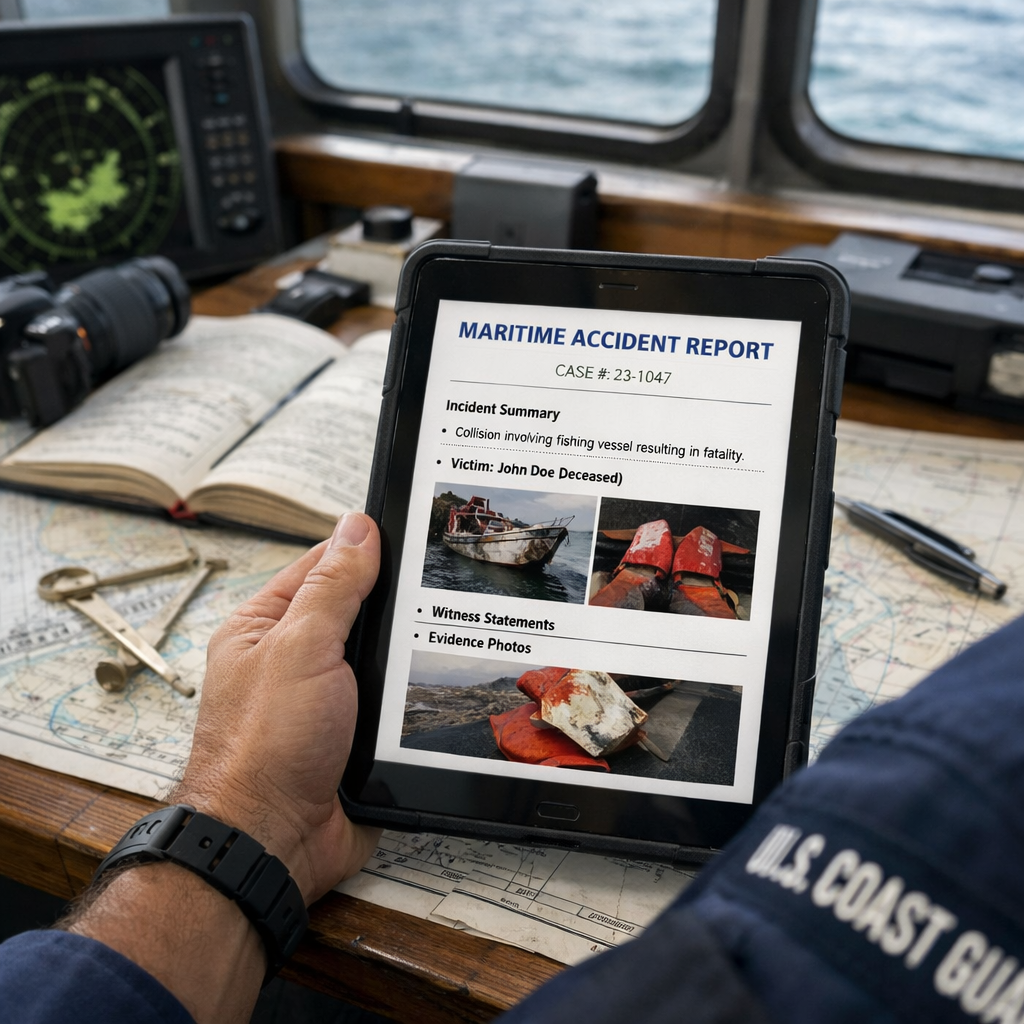
Evidence is the engine of any wrongful‑death case. Without solid proof, even the strongest legal theory will flop. Start by asking the Coast Guard for the Marine Casualty Reporting (MCR) report. Those reports often contain the investigative findings that prove fault.
Next, gather the following items:
- Ship logs and maintenance records , they show whether the vessel was seaworthy.
- Witness statements , crew members, other boaters, or dock workers can describe what went wrong.
- Photographs or video of the scene , even a quick phone video can capture crucial angles.
- Medical and autopsy reports , they link the injury to the incident.
Preserve everything quickly. Ask any party that contacts you for information to put it in writing and to keep the original files untouched. Federal Rule of Civil Procedure 37(e) can penalize a party that destroys evidence.
When you get the MCR report, compare its findings with the ship’s logs. In many cases the Coast Guard will note a failure to maintain safety equipment , that’s a golden nugget for your claim.
Don’t forget electronic data. Modern vessels record GPS tracks, engine performance, and crew communications. Request that data under a preservation letter. If the ship’s computer system is still active, have a forensic expert make a copy before the system is wiped.
According to BoatLaw’s overview of maritime wrongful death, early legal review helps you decide which statute applies and keeps you within the deadline.
After you’ve collected the raw data, organize it in a chronological timeline. That timeline becomes the backbone of your complaint and later, any settlement talks.
Bottom line:Gather and lock down every piece of evidence as soon as possible to protect your claim.
Step 3: Calculate Damages and Compensation
Damages are the money you ask for. They fall into two buckets: economic and non‑economic. Economic damages are easy to count , funeral costs, lost wages, and medical bills. Non‑economic damages cover pain and suffering, loss of companionship, and the emotional toll on the family.
Start with a spreadsheet. List every bill you have, then add projected future costs. For lost wages, use the decedent’s most recent pay stub and factor in raises, overtime, and career growth. If the victim was the primary breadwinner, you’ll also need to estimate the value of future earnings for the years they would have worked.
Non‑economic damages are trickier. Courts look at the relationship between the decedent and the survivors. Spouses and children often receive higher amounts for loss of companionship. Some statutes, like DOHSA, limit non‑economic damages unless the death involved an aviation accident.
Here’s a quick way to estimate non‑economic loss:
- Assign a multiplier (usually 2‑5) to the total economic loss.
- Adjust up if the victim was young, had dependents, or the death was especially tragic.
- Check state or federal caps , some jurisdictions cap non‑economic damages.
Remember that punitive damages are rare in maritime cases. They only appear when the defendant acted with gross negligence or willful misconduct.
For a deeper dive into how the Jones Act and other maritime statutes handle damages, from Accident Lawyer Hawaii. It breaks down the elements of damage and how courts compute awards.
"Compensation under general maritime law can include both financial and non‑financial losses, along with possible punitive damages in certain cases."
Bottom line:Accurately calculate all losses now so you can demand the full amount you deserve later.
Step 4: Negotiate Settlement or Prepare for Trial
Most maritime wrongful death cases settle before they hit a courtroom. Settlement avoids the cost, time, and emotional strain of a trial. Still, you need a game plan whether you end up negotiating or fighting.
First, evaluate the strength of your evidence. Strong, indisputable proof , like a Coast Guard report that cites a faulty steering system , gives you use. Your attorney will use that evidence to set a high initial demand.
Negotiations often start even before the complaint is filed. The defendant’s insurer may send a settlement offer once they see the claim. Don’t accept the first offer , it’s usually low.
When talks stall, mediation can help. A neutral mediator listens to both sides, clarifies misunderstandings, and helps bridge gaps. Mediation is cheaper than trial and often leads to a confidential settlement.
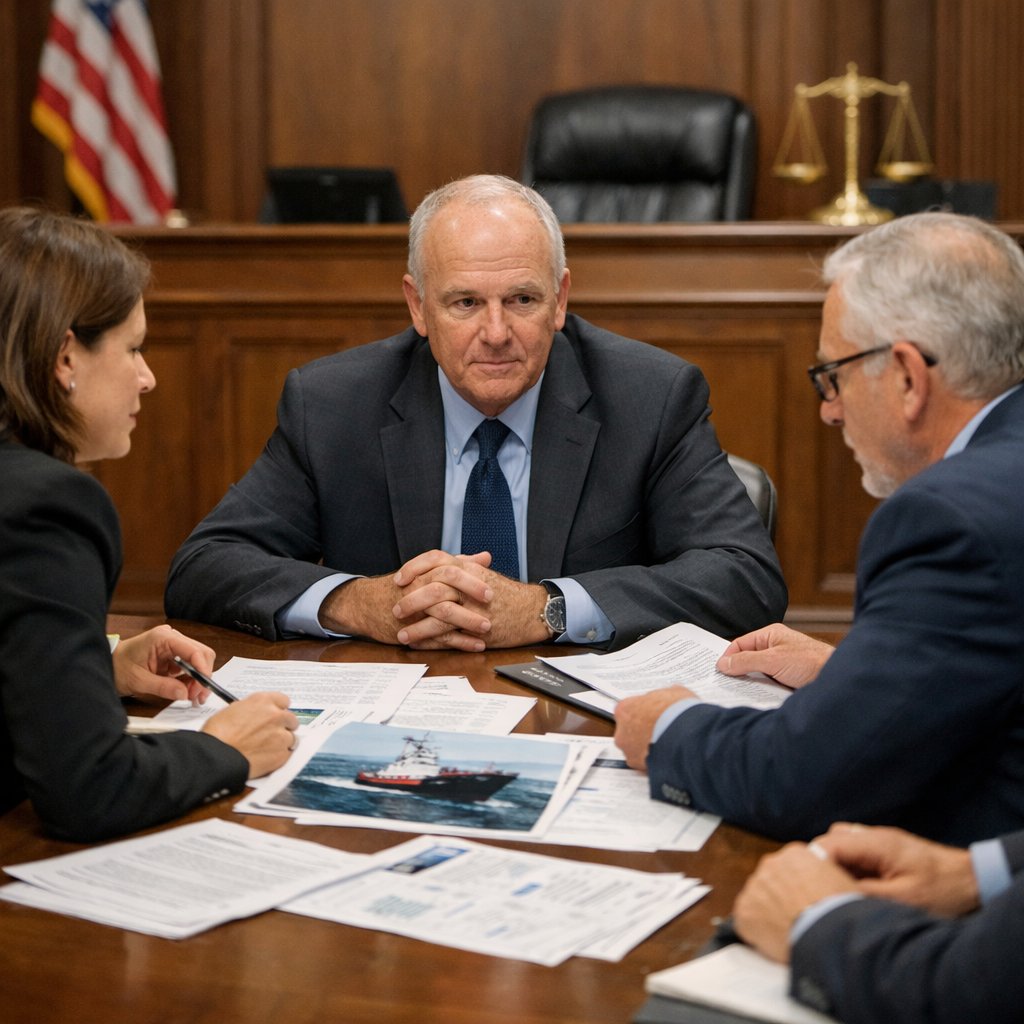
Below is a simple checklist you can use during settlement talks:
If settlement fails, you’ll head to trial. At trial, the same evidence you gathered will be presented to a judge or jury. Your attorney will call expert witnesses , marine engineers, safety inspectors , to explain why the defendant is liable.
The Abraham Watkins article notes that settlement negotiations in maritime cases often involve confidentiality clauses that can boost the offer.
Bottom line:Use your evidence to negotiate a fair settlement, but be ready to take the case to trial if needed.
FAQ
What deadlines apply to a maritime wrongful death lawsuit?
Deadlines vary by the law that governs the case. The Jones Act and DOHSA both have a three‑year filing limit from the date of death. Some state wrongful‑death statutes require filing within one or two years. Missing the deadline can bar your claim entirely, so start the process as soon as possible.
Who can file a maritime wrongful death claim?
Typically the decedent’s spouse, children, or other dependents may file. Under the Jones Act, only “seamen” , crew members who work on a vessel in navigation , qualify. DOHSA covers passengers on commercial vessels. State laws may broaden who can sue, sometimes including parents or siblings.
Do I need a maritime lawyer?
Maritime law mixes federal statutes, international treaties, and state rules. A lawyer who knows the Jones Act, DOHSA, and the nuances of vessel ownership can spot liable parties and protect your rights. An experienced attorney also helps preserve evidence and meet tight deadlines.
Can I claim non‑economic damages like pain and suffering?
Yes, for most maritime wrongful death actions you can seek compensation for loss of companionship and emotional distress. DOHSA limits non‑economic damages unless the death involved an aviation accident. The Jones Act and general maritime law allow broader recovery.
What if the responsible party is a foreign vessel?
U.S. courts can exercise jurisdiction if the vessel is in U.S. waters or the accident has a substantial connection to U.S. maritime activity. International treaties and the vessel’s flag state may affect how the case proceeds, but a qualified attorney can handle those waters.
How are settlement amounts determined?
Settlements reflect the total of documented economic losses, an estimate of non‑economic loss, the strength of evidence, and the defendant’s ability to pay. Strong proof of negligence, like a Coast Guard report, often pushes the offer higher. Negotiators also consider the cost and uncertainty of a trial.
What role does the Coast Guard play in my case?
The Coast Guard’s Marine Casualty Reporting (MCR) program investigates maritime accidents. Its reports can include findings on cause, liability, and safety violations. Those findings are powerful evidence that can shape both settlement talks and trial strategy.
Will my case go to trial?
Most cases settle, but if the parties cannot agree, the case proceeds to trial. At trial, a judge or jury will hear witness testimony, expert analysis, and review the evidence you collected. Being prepared for trial keeps the other side motivated to settle.
Ready to get the compensation your family deserves? Try our free case‑evaluation tool now →
Conclusion
Filing a maritime wrongful death lawsuit is a multi‑step journey. First, lock down the right jurisdiction and meet the filing deadline. Then, gather every piece of evidence , logs, photos, reports , before it disappears. Next, calculate both the tangible costs and the intangible loss your family feels. Finally, use that solid foundation to negotiate a fair settlement or, if needed, fight for a trial verdict.
Each step builds on the last, so skipping one can cost you the entire case. If you need help, a seasoned maritime wrongful death attorney can guide you through the process, protect your rights, and push for the compensation you need to move forward.
Take the first step today , start your free case review and see how we can help you get justice.