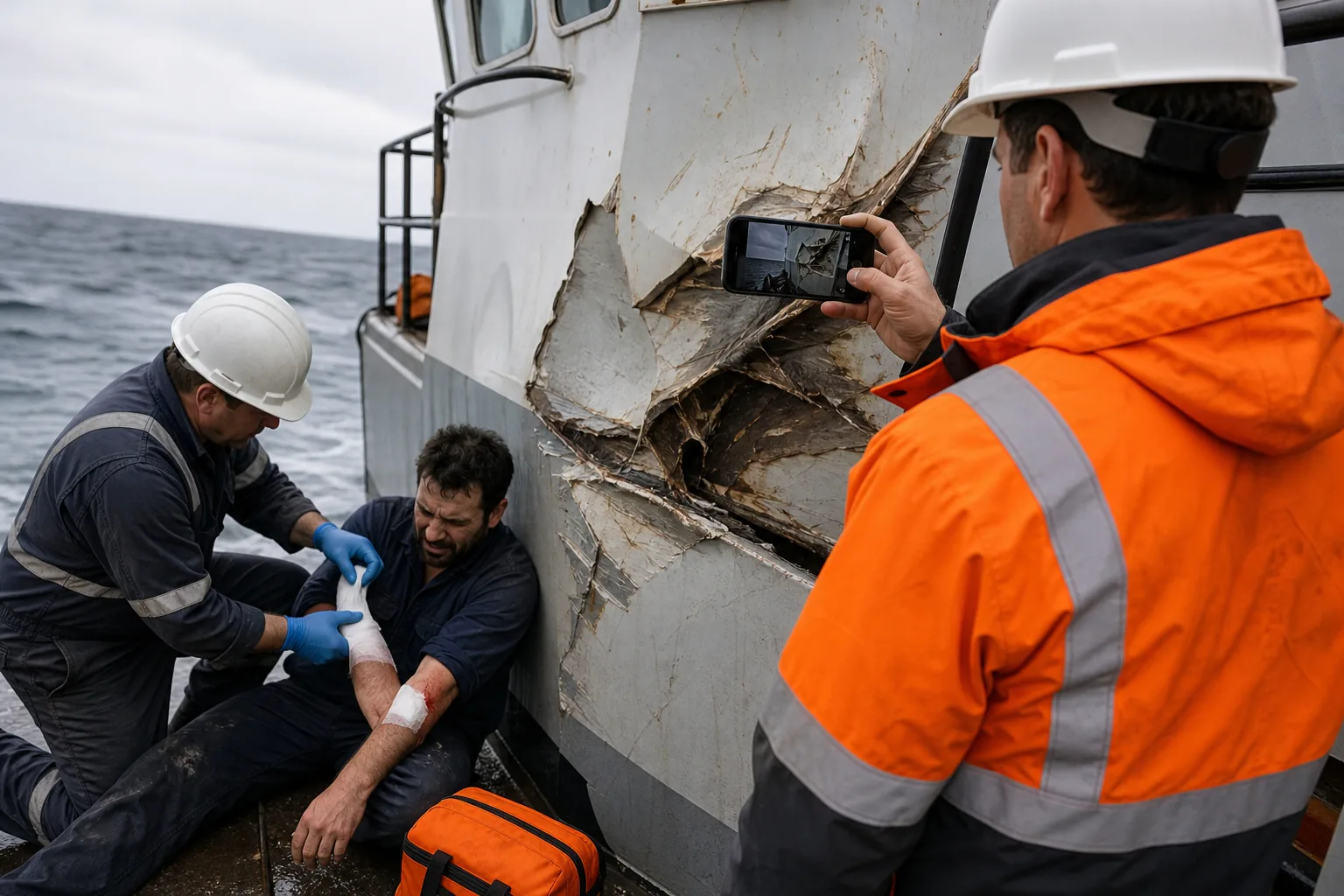
How to File a Drowning Lawsuit
Drowning can turn a fun day at the pool into a nightmare in seconds. If you or a loved one has suffered from a drowning or near‑drowning incident, you need a clear plan to protect your rights. This guide walks you through every step of a drowning lawsuit , from getting medical care right away to filing the claim and getting the compensation you deserve.
Step 1: Seek Immediate Legal and Medical Help
The first thing you do after a drowning event is make sure the victim gets professional medical attention. Time is critical because the brain can start to suffer damage within minutes of oxygen loss. Emergency medical services (EMS) play a huge role in survival rates. A national study of U.S. EMS encounters found that 29% of drowning patients arrived in cardiac arrest, but 37% achieved return of spontaneous circulation when providers acted quickly. Source
Call 911 right away. While you wait, keep the person’s airway clear and start CPR if you’re trained. Do not wait for a lifeguard or a family member , the faster you act, the better the odds of survival.
At the same time, reach out to a lawyer who knows water‑related personal injury law. Early legal counsel can guide you on preserving evidence and dealing with insurance adjusters. Many firms, like Maritime Attorney, offer free consultations and work on a contingency basis, so you won’t pay unless you win.
Here’s what to do in the first hour:
- Call emergency services and describe the situation in detail.
- Begin rescue breaths or chest compressions if needed.
- Ask the EMT to note the exact time of rescue, any CPR performed, and the victim’s vitals.
- Ask the EMT to give you a copy of the EMS run report as soon as it’s available.
- Contact a qualified drowning‑accident lawyer within 24 hours.
Step 2: Gather and Preserve Evidence
Evidence is the backbone of any personal‑injury case. The longer you wait, the more likely key details will fade or disappear. Start by documenting the scene right away.
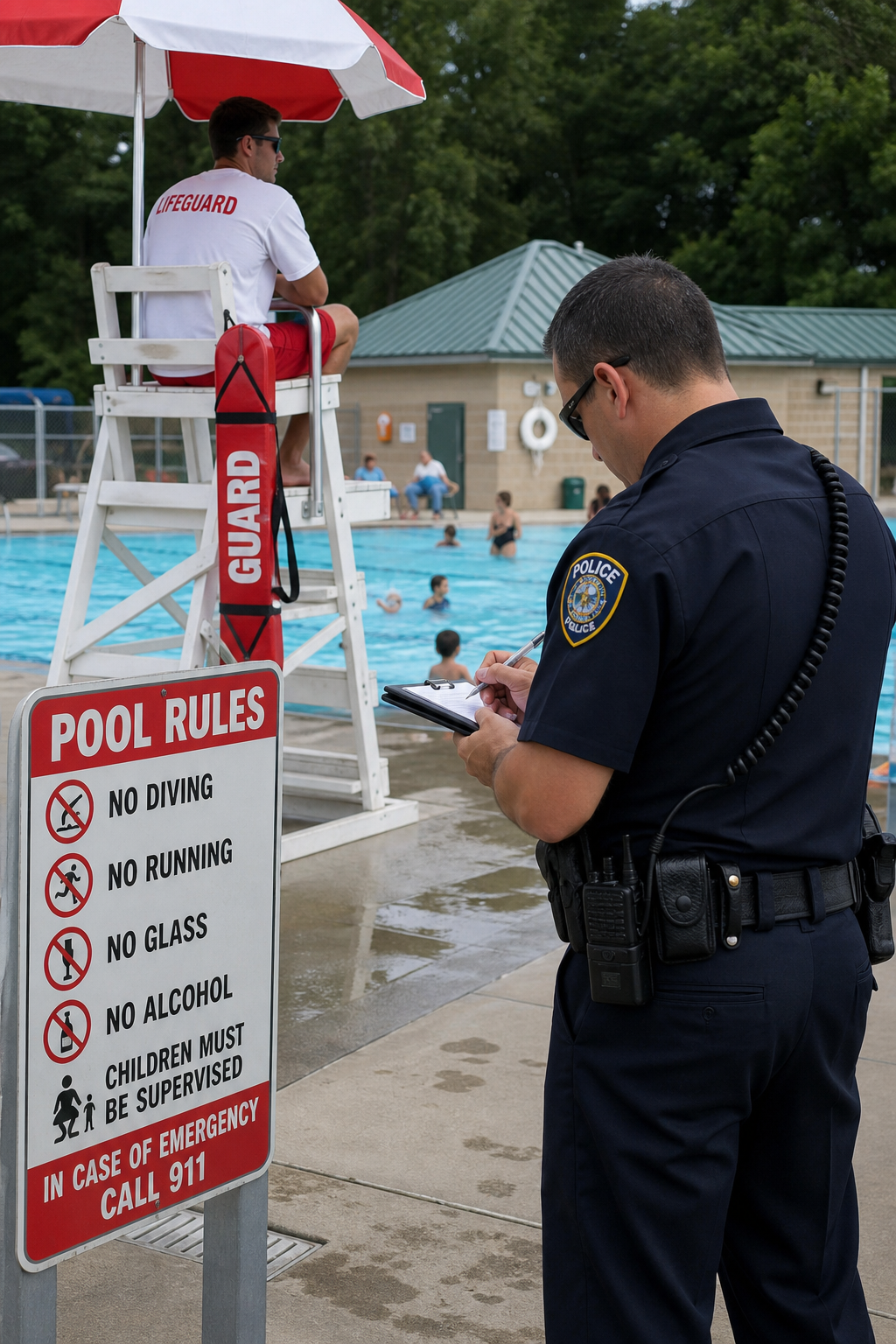
Take photos of the water area, any safety signs, pool fences, and the condition of the surrounding environment. If there were lifeguards on duty, note their name and shift times.
Collect witness statements as soon as possible. Write down each witness’s name, contact info, and a brief summary of what they saw. Even if a witness seems unsure, their testimony can help corroborate your version of events.
Request official records:
- EMS run sheets and hospital records.
- Police or fire department incident reports.
- Maintenance logs for the pool or water facility.
- Inspection reports from local health or building departments.
Preserve any physical items that might be relevant , a broken pool gate, a defective drain cover, or a flotation device that failed. Store them in a safe place and note the date you collected them.
Don’t forget digital evidence. Security camera footage, smartphone videos, or social‑media posts can show the exact moment of the incident. Request copies from the property owner or the local municipality within the first few days.
Here’s a quick evidence checklist:
- Photos of the scene. \li>Witness statements.\li>Official incident reports.\li>Medical and EMS records.\li>Physical items.\li>Digital video or audio recordings.\li>Maintenance and inspection logs.
Step 3: Identify All Liable Parties
Liability can stretch across many people or entities. The first step is to map out who had a duty to keep the water area safe.
Common liable parties include:
- Property owners , they must maintain fences, pool covers, and warning signs.
- Pool operators or managers , they are responsible for daily safety checks and staff training.
- Lifeguards , they must be properly certified and vigilant.
- Manufacturers , a faulty pool drain or gate can be a product‑defect claim.
- Municipal agencies , if the drowning happened in a public waterway, the city may bear responsibility for signage or barriers.
To pinpoint responsibility, review maintenance logs and inspection reports. Look for any missed repairs or overdue safety inspections. If a product defect is suspected, keep the item and contact the manufacturer for a recall notice.
When you work with a lawyer, they will often bring in experts such as:
- Safety engineers to assess pool design.
- Medical experts to explain the injury’s cause.
- Accident reconstruction specialists to piece together the timeline.
These experts help prove that a duty existed, that the duty was breached, and that the breach caused the drowning injury.
For a deeper look at picking the right legal partner, see How to Choose the Right Drowning Accident Lawyer: A 2026 Guide. The guide explains what to ask during a free consultation and how to evaluate a firm’s track record.
"Holding the responsible party accountable starts with knowing exactly who that party is."
Step 4: Calculate Your Damages
Damages are the money you can ask the court to award. They fall into two main buckets: economic and non‑economic.
Economic damages are easy to tally. They include:
- Medical bills , emergency care, surgery, rehab, and future treatments.
- Lost wages , time off work for the victim and caregivers.
- Travel costs , trips to specialists or therapy sessions.
- Funeral and burial expenses , if the case involves a wrongful death.
Non‑economic damages cover the harder‑to‑measure losses, such as pain and suffering, emotional distress, loss of enjoyment of life, and loss of consortium for spouses.
In some states, courts also award punitive damages when a defendant acted with extreme recklessness. These are meant to punish and deter future misconduct.
The World Health Organization reports that drowning accounts for about 7% of all injury‑related deaths worldwide. That high figure underscores how serious these cases can be and why courts often take them seriously. WHO Fact Sheet
To estimate your total claim, create a spreadsheet that lists each expense and its supporting document. Add a column for projected future costs , for example, ongoing physical therapy or long‑term care.
Here’s a simple damages calculator template you can copy:

Step 5: File a Claim or Lawsuit
Once you have evidence and a damage estimate, it’s time to file. Most states require a written demand letter before you can file a lawsuit. The demand letter outlines the facts, the liable parties, and the compensation you seek.
If the insurance company offers a settlement that covers your damages, you can accept it. If the offer falls short, your lawyer will draft a complaint and file it in the appropriate court.
Key filing steps:
- Choose the correct court , usually the county where the accident occurred.
- Prepare the complaint , a legal document that states the claim, the parties, and the relief sought.
- Serve the defendants , they must receive a copy of the complaint according to state rules.
- Meet the statute of limitations , missing the deadline bars you from recovering. In many states, you have two to three years from the date of the incident.<\/li>
After filing, the case may go to discovery, where both sides exchange evidence. Your lawyer will use the evidence you gathered in Step 2 to build a strong case. During settlement negotiations, a well‑documented damages package and clear liability can push the other side to offer a fair amount. If settlement fails, the case proceeds to trial, where a jury or judge decides the outcome.
Remember, many firms work on a contingency fee basis, meaning you pay nothing unless you win. This helps families focus on recovery instead of legal bills.
Frequently Asked Questions
What is the deadline to file a drowning lawsuit?
The deadline, called the statute of limitations, varies by state. Most states give two to three years from the date of the incident. Some states have shorter periods if a government entity is involved. Acting quickly protects your right to sue.
Can I sue if the drowning was partially my fault?
Yes. Many states follow comparative negligence rules, which let you recover even if you share some blame, as long as you weren’t more than 50% at fault. Your lawyer will evaluate the facts and advise on the best strategy.
Do I need a lawyer, or can I file the claim myself?
You can file on your own, but drowning cases are complex. They involve medical records, expert testimony, and multiple liable parties. A lawyer can handle the paperwork, negotiate with insurers, and increase the chances of a fair settlement.
What types of compensation can I expect?
Compensation can include medical bills, lost wages, pain and suffering, loss of enjoyment of life, funeral costs, and sometimes punitive damages. The exact mix depends on the facts and state law.
How do I preserve digital evidence like video footage?
Ask the property owner or municipality for a copy as soon as possible. Store the file on a secure cloud service and keep a backup on an external drive. Note the date you obtained it and who gave it to you.
Will my insurance company try to lower my claim?
Insurance adjusters often start with a low offer. That’s why having a lawyer who can counter‑offer with a detailed damages package is important. They know how to argue for higher compensation based on medical and expert reports.
Conclusion
Filing a drowning lawsuit is a multi‑step process that starts with immediate medical care and ends with a court or settlement that covers your losses. By acting fast, gathering solid evidence, identifying every party who had a duty to keep the water safe, calculating both current and future damages, and filing the claim within the legal deadline, you give yourself the best chance at a fair result.
If you need more detail on related topics, on wrongful death claims for maritime incidents. Remember, a qualified attorney can turn a painful experience into a path toward financial recovery and accountability.