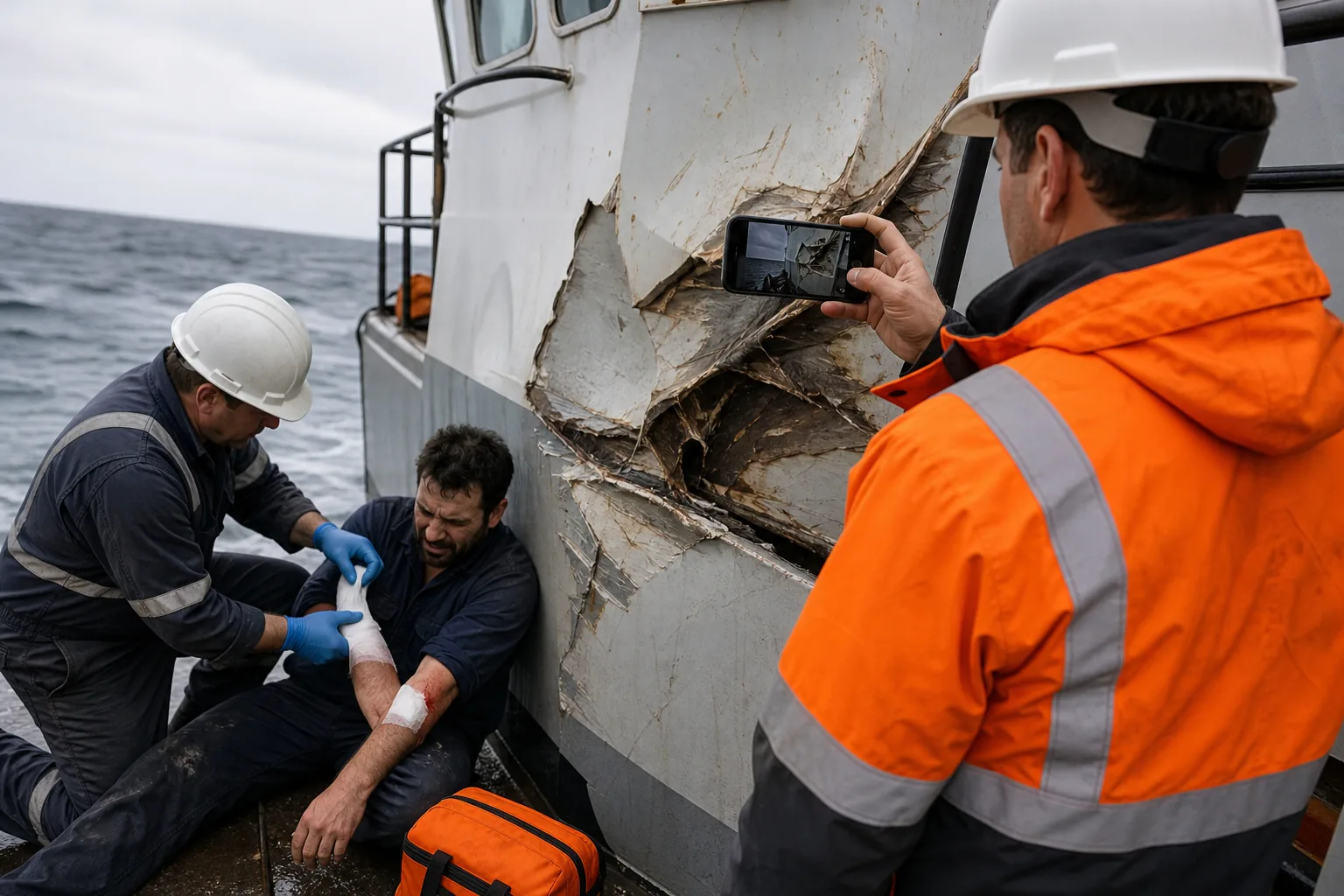
Crew Member Injury Rights: An Explainer Guide
Got hurt on a ship? You’re not alone, and you do have legal rights. Below you’ll find a clear breakdown of those rights, how the law works, what to do right after an injury, and where to get help.
Understanding Crew Member Injury Rights
In the maritime world, crew members fall under a special legal umbrella called federal maritime law. This body of law is separate from the rules that protect passengers, so the steps you take matter a lot.
One cornerstone is the Jones Act. It lets a seaman bring a negligence claim against an employer if unsafe conditions contributed to the injury. To qualify, you generally need to spend at least 30% of your time on tasks that keep the vessel moving. Most cruise‑ship crew meet that threshold without trouble.
Another layer is the doctrine of unseaworthiness. If the ship itself , its equipment, layout, or safety gear , is not reasonably fit for its purpose, the owner can be held strictly liable. No need to prove fault; the mere lack of seaworthiness triggers liability.
Finally, maintenance and cure acts like a maritime version of workers’ compensation. It requires the employer to cover medical care and provide a daily living allowance until you reach maximum medical improvement. The allowance usually runs $25‑$45 per day, but can be higher in some cases.
Early action is critical. Decisions made in the first hours, days, and weeks can shape the value of your claim. That’s why many crews turn to specialists who understand the nuances of maritime law.
Jones Act Seaman Legal Guide: Rights, Claims, and Protections offers a quick reference for the key elements of these protections.
Common Types of Injuries and Their Legal Implications
Working on a moving vessel means slips, falls, burns, and crushing injuries are common. Because medical help is limited at sea, a seemingly minor cut can turn serious quickly.
Slip‑and‑fall incidents often involve wet decks or unsecured equipment. Under the Jones Act, if a crew member’s fall is linked to a negligent cleaning routine or missing signage, the employer may be liable for lost wages and pain.
Burns from kitchen equipment or engine rooms are another frequent claim. If a faulty fire‑suppression system contributed, the ship owner could face an unseaworthiness claim as well as a negligence claim.
Crush injuries happen when heavy gear or cargo shifts. The doctrine of unseaworthy vessels covers these when improper securing makes the ship unsafe. Courts have awarded multi‑million settlements for severe crush cases where the ship’s load plan was flawed.
Even repetitive strain injuries count. A crew member who develops a back problem from constantly lifting supplies can seek compensation if the employer failed to provide proper lifting equipment or reasonable work‑hour limits.
All these injury types feed into the same legal toolbox: the Jones Act for employer negligence, unseaworthiness for vessel defects, and maintenance & cure for medical costs regardless of fault.
According to Wikipedia’s Jones Act entry, seamen can recover past and future medical expenses, lost earnings, and pain and suffering without having to prove the employer was the sole cause.
How Maritime Law Protects Injured Crew Members
Maritime law builds a safety net that works whether the fault lies with the employer, the vessel, or simply the harsh sea environment.
The Jones Act creates a negligence framework that leans in favor of the seaman. You only need to show the employer’s conduct played a role, not that it was the sole cause.
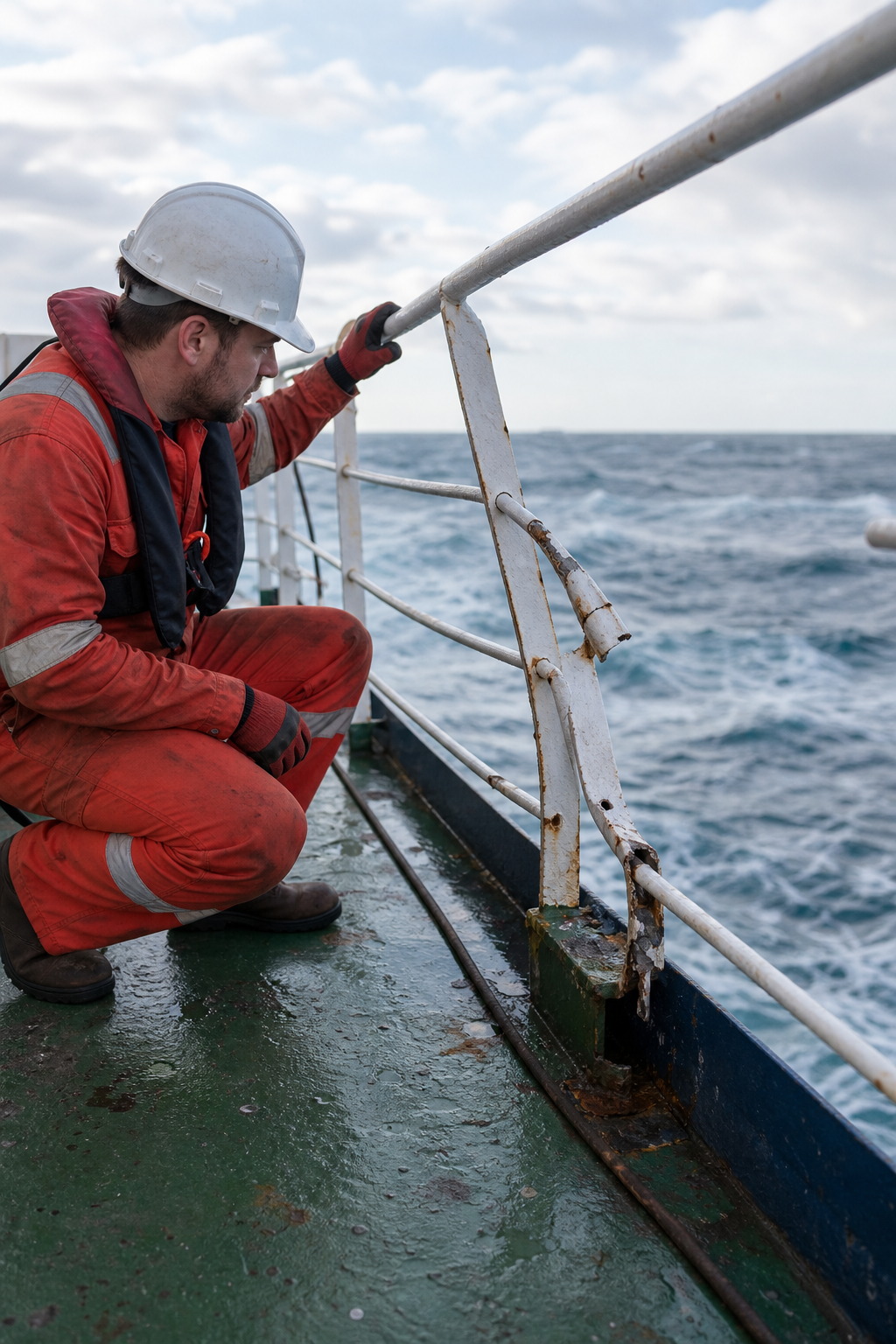
Unseaworthiness is stricter. If a ship’s condition , like a broken rail or malfunctioning engine , makes it unsafe, the owner is automatically on the hook. No need for a fault analysis.
Maintenance and cure covers medical treatment from the moment you’re injured until you reach maximum medical improvement (MMI). The law doesn’t care who caused the injury; it cares that you’re being taken care of.
These three pillars often overlap. A single incident can spawn a Jones Act claim, an unseaworthiness claim, and a maintenance & cure claim all at once, maximizing the compensation pool.
Courts have repeatedly upheld these protections, even when contracts try to limit them via arbitration clauses. While many cruise lines push disputes to foreign tribunals, U.S. courts have a strong record of enforcing the core maritime rights.
Because the legal landscape is complex, many crews hire a maritime attorney who knows how to handle the interplay of these doctrines.
Steps to Take After an Injury
Time is your biggest ally after a shipboard injury. Follow these steps to protect your claim.
1. Seek medical attention immediately. Even if the ship’s doctor seems limited, get a written report of the injury and treatment.
2. Report the incident in writing to your supervisor and keep a copy. Note the date, time, location, and what caused the injury.
3. Preserve evidence. Take photos of the scene, keep the faulty equipment, and write down any witness names.
4. Notify the ship’s safety officer about the hazard so it’s on the official record. This helps prove negligence or unseaworthiness later.
5. Contact a maritime injury specialist within the first few days. Early legal guidance can ensure you don’t miss deadlines , the statute of limitations for Jones Act claims is typically three years, but many contracts impose shorter windows.
6. Keep a log of all expenses , medical bills, travel costs, and lost wages. This will be the backbone of your compensation request.
The Cornell Law School overview of maintenance and cure explains why tracking these costs matters: the doctrine obligates the employer to pay until you reach MMI, and detailed records make it harder for an employer to dispute the amount.
Remember, the longer you wait, the harder it becomes to prove the conditions that led to your injury.
Resources and Support for Injured Crew Members
Finding the right help can feel overwhelming, but several resources are built for seamen.
First, the U.S. Department of Labor’s Office of Workers’ Compensation Programs publishes guidelines on maritime workers’ rights. Their site offers printable checklists you can fill out while on board.
Second, many unions maintain legal hotlines that connect you with attorneys experienced in Jones Act and unseaworthiness claims. These hotlines often operate 24/7, recognizing that injuries don’t wait for business hours.
Third, organizations like the Seafarers International Union provide counseling services for both physical and mental health concerns after an incident.
Finally, maritimeattorney.ai offers a library of free guides, case studies, and a step‑by‑step questionnaire that helps you assess the strength of your claim. Their tools are designed specifically for crew members who need quick, reliable information.

When you combine official government guidance, union support, and specialized legal counsel, you give your claim the best chance of success.
FAQ
What legal claim can I file if I was injured on a cruise ship?
You can file a Jones Act negligence claim, an unseaworthiness claim, and a maintenance & cure claim. Each addresses a different part of the injury and together they maximize compensation.
How long do I have to file a claim?
The general statute of limitations for a Jones Act claim is three years, but many employment contracts impose shorter deadlines, often six months to a year. Acting quickly is essential.
Do I need a lawyer to get maintenance and cure?
No, you’re entitled to maintenance and cure automatically, but a lawyer can help you prove when you’ve reached maximum medical improvement and prevent the employer from cutting off benefits early.
Can I sue for emotional distress?
Yes. The Jones Act allows recovery for pain and suffering, which includes emotional distress caused by the injury and its impact on your life.
What if the ship’s doctor misdiagnoses my injury?
You can still claim medical expenses and argue that the ship’s limited resources contributed to a delayed or incorrect diagnosis, strengthening both negligence and unseaworthiness claims.
Is arbitration mandatory?
Many cruise contracts require arbitration in foreign jurisdictions, but U.S. courts often enforce the core maritime rights regardless of the forum. A knowledgeable attorney can handle the arbitration rules.
Conclusion
If you’re hurt at sea, start by getting medical care, documenting everything, and reaching out to a maritime injury specialist. For a deeper dive, explore maritimeattorney.ai’s guide on filing a Jones Act claim.