Commercial Diving Accident: Causes, Risks & Safety
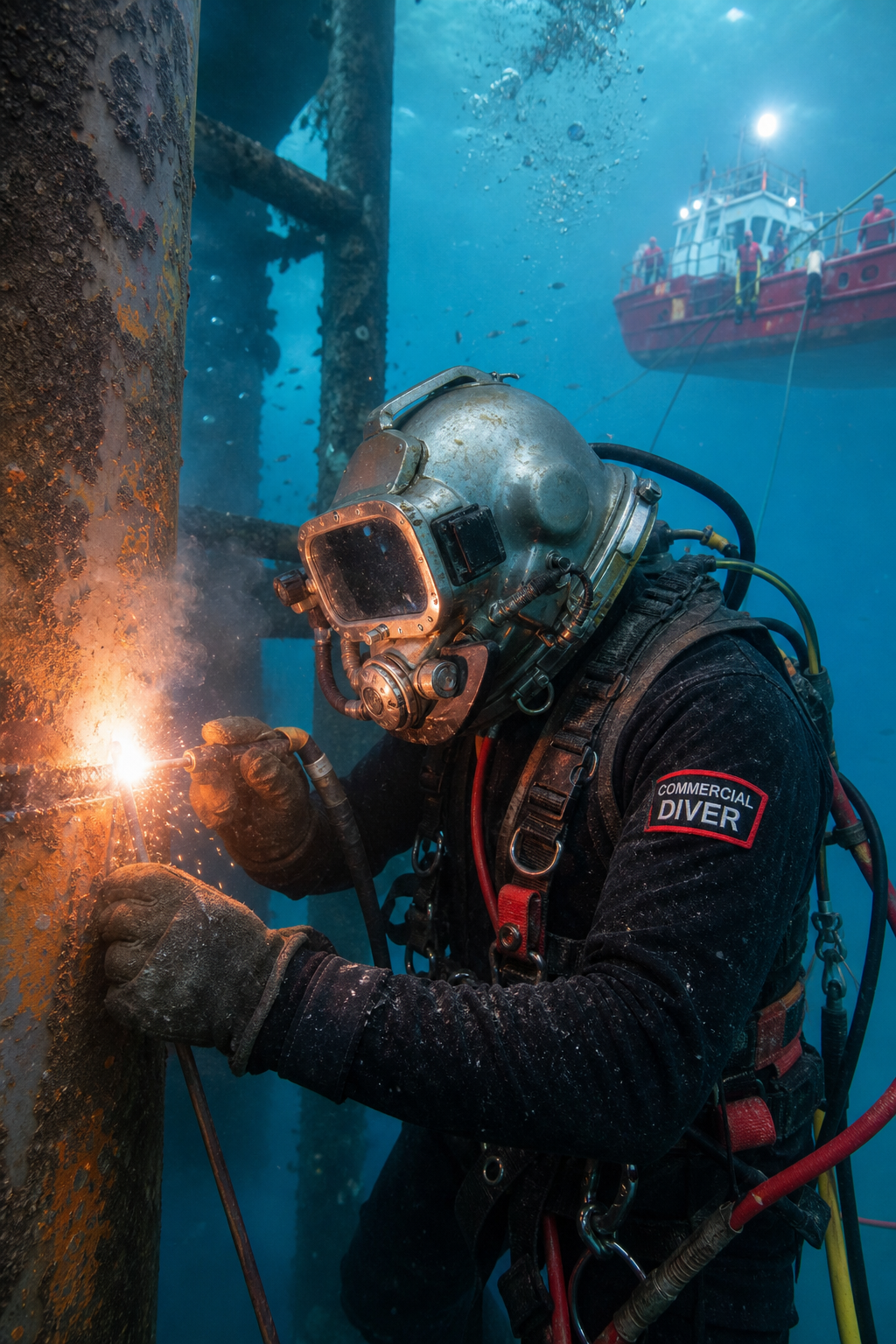
Every day, commercial divers slip beneath the waves to weld pipelines, inspect rigs, and keep shipping lanes clear. One slip, one faulty valve, and the whole world can feel the impact. This guide breaks down what leads to a commercial diving accident, the risks you face, how the law steps in, and what you can do to stay safe.
We’ll walk through the anatomy of an accident, the most common causes, what to do when something goes wrong, the legal fallout, and the best safety habits you can start using right now.
Understanding Commercial Diving Accidents
Commercial diving is a specialized trade that blends engineering, physics, and human endurance. Divers work in offshore oil fields, shipyards, and under‑sea construction sites. The job demands heavy gear, high‑pressure air, and long periods underwater. Because the environment is hostile, the chance of a serious mishap is far higher than in most other jobs.
Data from a University of Cambridge study shows fatality rates that can top 10 per 10,000 divers each year, a number that dwarfs the risk in construction or manufacturing. The same report points out that accidents happen at every experience level , not just with rookie divers. The underlying problem often lies in weak safety culture, rushed planning, and missing hazard checks.
Beyond death, divers face injuries like barotrauma, decompression sickness, and crushing injuries from equipment failure. Even a small leak in a breathing hose can turn a routine inspection into a life‑threatening event.
What makes a commercial diving accident different from a recreational slip? It’s the mix of massive equipment, high pressures, and the fact that a mistake can affect an entire offshore operation, not just a single diver.
For a solid definition of the trade, see Wikipedia’s commercial diving entry. It outlines the types of work, the regulatory bodies, and the typical risk profile, giving you a baseline before we dive deeper.
Common Causes and How They Occur
When a dive goes wrong, the cause is rarely a single factor. Most accidents are a chain of events that line up like dominoes. Below are the biggest culprits you’ll see time and again.
Equipment failuretops the list. High‑pressure hoses can burst if a fitting cracks, as a 2020 DAN report documented when a charging manifold valve failed at 3,000 psi. That incident left the operator with severe hearing loss and a near‑miss that could have been fatal.
Human erroris the next big piece. Fatigue, skipped safety checks, or a missed pre‑dive briefing can create a blind spot. A diver who works a 16‑hour shift may skip a important equipment inspection, increasing the chance of a leak.
Environmental factorssuch as strong currents, low visibility, or cold water can overwhelm even a well‑trained diver. Cold water can lead to hypothermia, which dulls judgment and speeds up the onset of panic.
According to the U.S. Centers for Disease Control and Prevention, proper breathing technique, gradual ascent, and a mandatory safety stop are key to avoiding barotrauma and decompression sickness. Ignoring any of those steps can turn a routine look at a medical emergency.
To protect yourself, treat every dive as a risk assessment exercise: verify gear, check the weather, and confirm you’re rested. A simple checklist before each dive can catch a loose hose or a missing valve.
Emergency Response and Rescue Procedures
If an accident happens, seconds count. A well‑rehearsed rescue plan can mean the difference between life and death.
First, activate the surface‑team alarm. Every commercial dive boat should have a dedicated distress signal that alerts the surface crew, nearby vessels, and shore‑based emergency services.
Second, begin a controlled ascent. Divers must exhale continuously to avoid lung over‑expansion. A rapid ascent can cause a fatal pulmonary barotrauma.
Third, administer first‑aid on the water. If a diver is unconscious, bring them to the surface gently, keep the airway open, and start CPR if needed.
After the diver is on deck, call for medical evacuation. Remote rigs often require a helicopter or a fast‑boat medevac. The rescue team should have a pre‑packed kit that includes oxygen, a portable hyperbaric chamber, and a defibrillator.
Document everything. Dive logs, equipment records, and witness statements become critical if a legal claim follows.
Legal and Financial Implications
When a commercial diving accident leads to injury or death, the legal landscape shifts quickly. Divers are usually classified as seamen under the Jones Act, which gives them rights beyond typical workers’ compensation.
Under the Jones Act, a diver can claim lost wages, medical costs, pain and suffering, and future earnings. In addition, the law provides “maintenance and cure” , a daily stipend for living expenses while the diver recovers.
Employers must also comply with maritime safety regulations. Failure to follow those rules can result in hefty fines and civil liability. Evidence like dive logs, equipment maintenance records, and safety briefings become the backbone of a claim.
For a deeper look at compensation options, see Commercial Diver Injury Compensation Explained. The page walks through the steps to file a claim, what documents you’ll need, and how to choose an attorney.
Financial fallout isn’t just medical bills. Lost future earnings, rehab costs, and the emotional toll on families add up fast. A solid legal strategy can help protect a diver’s financial future.
Preventive Measures and Safety Protocols
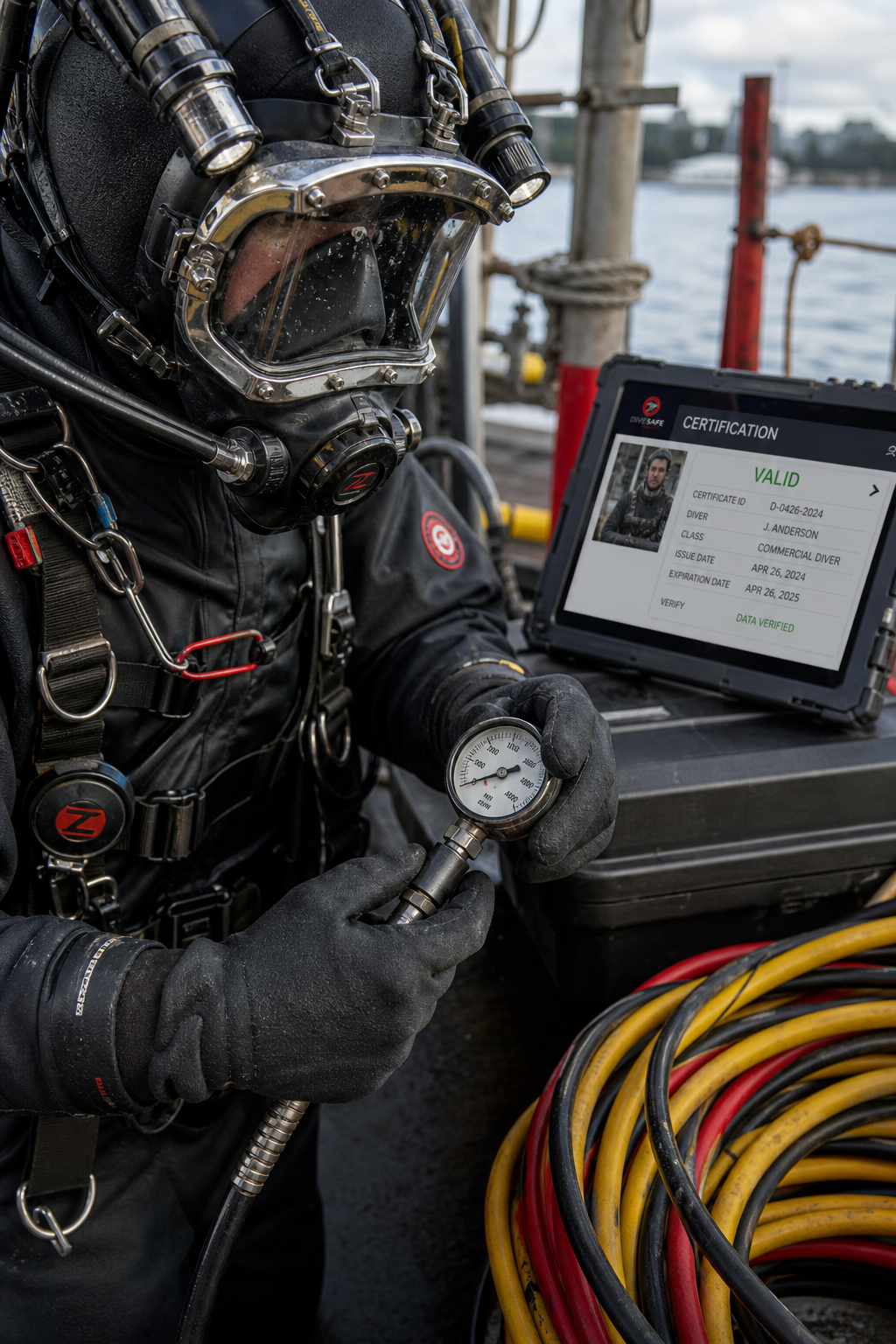
Prevention is the most effective way to avoid a commercial diving accident. Modern certification bodies like IMCA and ADCI are moving toward digital verification, which speeds up credential checks and reduces paperwork errors.
Here are the core steps every operation should follow:
- Verify diver certifications through a centralized digital platform such as Skill N Depth. This cuts down on fraudulent paperwork.
- Conduct a pre‑dive hazard assessment that includes equipment checks, weather review, and water‑condition analysis.
- Use redundant life‑support systems. A backup air supply and an independent communications line are must‑haves.
- Implement a strict fatigue‑management policy. No diver should exceed 12 hours of total underwater time in a 24‑hour period.
- Schedule routine maintenance on all pressure‑vessels and hoses, with pressure testing at least annually.
The Merck Manual advises divers to equalize pressure in the mask and ears, avoid breath‑holding on ascent, and always perform a safety stop at 15 ft for three minutes. Ignoring these basics can cause barotrauma or decompression sickness.
Training also matters. Divers should refresh core skills every six months and complete a full emergency‑drill scenario at least quarterly.
Ready to tighten your safety program?Try our solution free →
FAQ
What is the most common cause of a commercial diving accident?
Equipment failure tops the list, especially high‑pressure hose bursts or regulator malfunctions. Human error, like skipping a pre‑dive check, often follows equipment issues, creating a perfect storm.
How can I tell if my dive gear is safe?
Inspect hoses for cracks, corrosion, or wear. Test pressure valves at least once a year and keep a written log of each test. Replace any part that shows signs of fatigue, even if it still seems to work.
What should I do if a diver shows signs of decompression sickness?
Get the diver to a safe surface slowly, administer 100% oxygen, and call for a hyperbaric chamber right away. Time is critical; the faster you act, the better the outcome.
Do commercial divers have special legal protections?
Yes. Most are covered by the Jones Act, which lets them seek damages beyond standard workers’ comp, including pain and suffering and loss of future earnings.
How often should safety drills be performed?
At least once a quarter. Drills should cover equipment failure, rapid ascent, and emergency evacuation. Record each drill and review what went well and what needs improvement.
Can a diver work after a previous lung injury?
Generally no. A history of pneumothorax or severe lung disease makes diving unsafe because pressure changes can trigger another collapse.
What insurance should a commercial diver carry?
Look for policies that cover medical evacuation, hyperbaric treatment, and lost‑wage benefits. Some specialized diving insurers also cover equipment loss and legal fees.
How does fatigue increase accident risk?
Fatigue impairs judgment, slows reaction time, and can lead to missed safety checks. Keeping work hours within safe limits and enforcing rest periods are essential to reduce this risk.
Conclusion
Commercial diving accidents are complex, but they’re not inevitable. By understanding the high‑risk factors, keeping equipment in top shape, and following proven rescue and legal steps, you can protect both lives and livelihoods.
Take the checklist we’ve built, run a full safety audit, and make the changes today. If you need a partner to help you put these practices into place, our solution offers instant digital credential checks, equipment‑tracking tools, and on‑demand training modules.
Start your free trial now and see how easy it is to bring a higher safety standard to your dive operations.