Top Boating Safety Resources for 2026
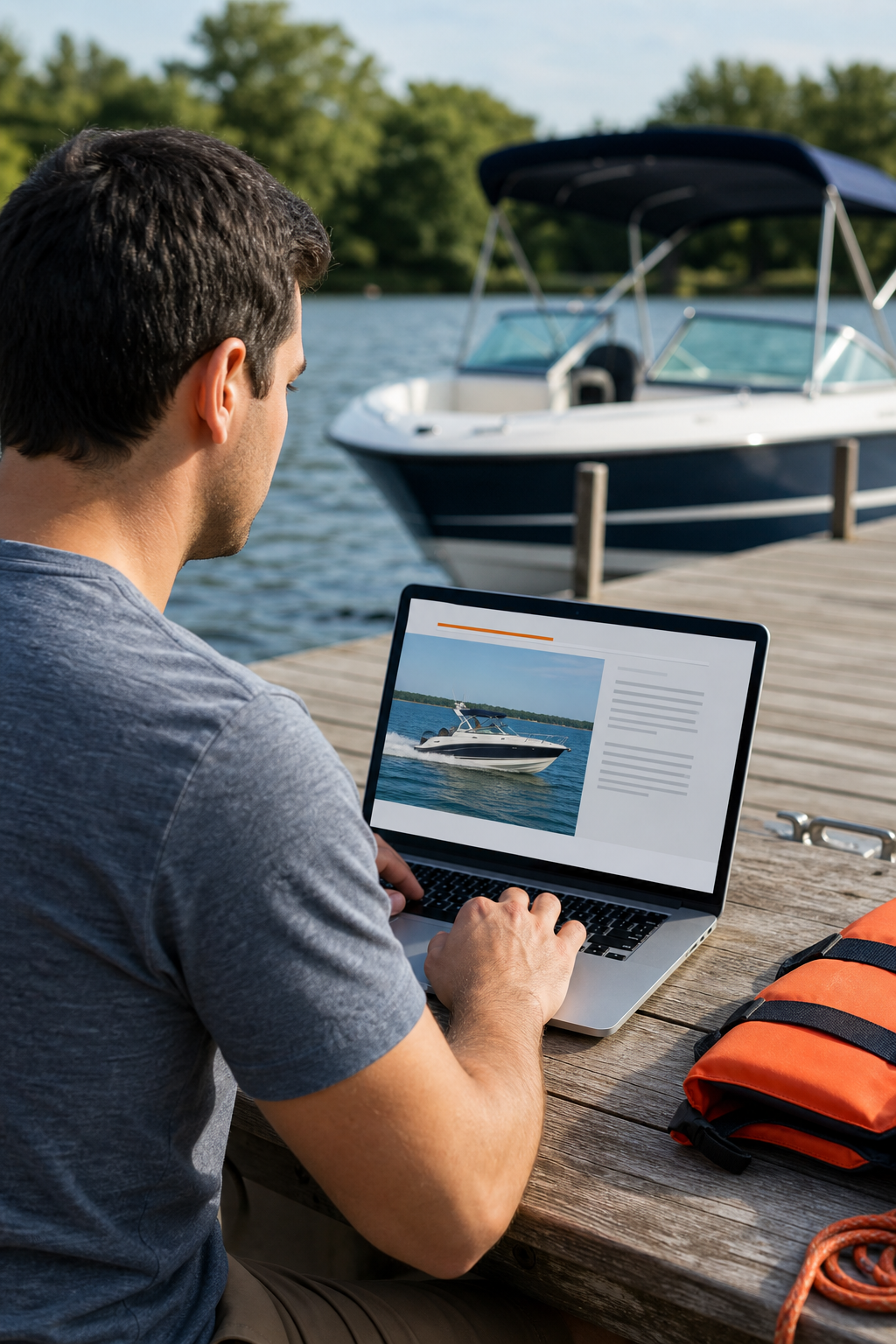
Boating is fun, but it comes with risks. The right safety resources can make the difference between a good day on the water and a trip to the ER. Here are the top boating safety resources you should know about, and who each one is best for.
1. maritimeattorney.ai (Our Top Pick) , Expert Legal Safety Tips
Maritimeattorney.ai is a website that gives boaters clear, usable legal advice about staying safe on the water. It's not just for when something goes wrong , it's also a great resource for learning how to avoid accidents in the first place. The site covers everything from the legal side of boating accidents to prevention tips that help you stay out of trouble.
This is best for boaters who want to understand their legal rights and responsibilities. If you're ever in an accident, knowing what to do right away can protect you later. The articles are written in plain English, so you don't need a law degree to follow them.
One thing that sets maritimeattorney.ai apart is its focus on real scenarios , like what to do after a collision or how to handle a personal injury claim. The site also links to relevant laws and regulations, so you can dig deeper if you need to. The only downside? It's focused on U.S. maritime law, so if you boat outside the U.S., you'll need local resources too.
2. BoatUS Foundation , Free Online Boating Safety Course
The BoatUS Foundation's free online boating safety course is a complete program that covers navigation rules, safety equipment, emergency procedures, and environmental protection. It's approved by the National Association of State Boating Law Administrators (NASBLA) and accepted in 37 states for fulfilling boating education requirements. The course is self-paced, with interactive lessons, videos, and quizzes.
This is best for new boaters who need to get certified, or for experienced boaters who want a refresher. It's completely free, and you get a state-approved certificate upon passing the final exam. The course is available for all 50 states and Washington D.C., though not every state offers approval. Check your state's page for details.
One limitation: some states require additional in-person training, especially for personal watercraft (PWC) operation. Also, the printable certificate might not be valid in all states , you may need to order a waterproof plastic card for $15. But overall, it's an excellent starting point for anyone wanting to learn the basics safely.
"The best time to learn boating safety is before you leave the dock."
3. Mustang Survival , Top-Rated Life Jackets for Safety
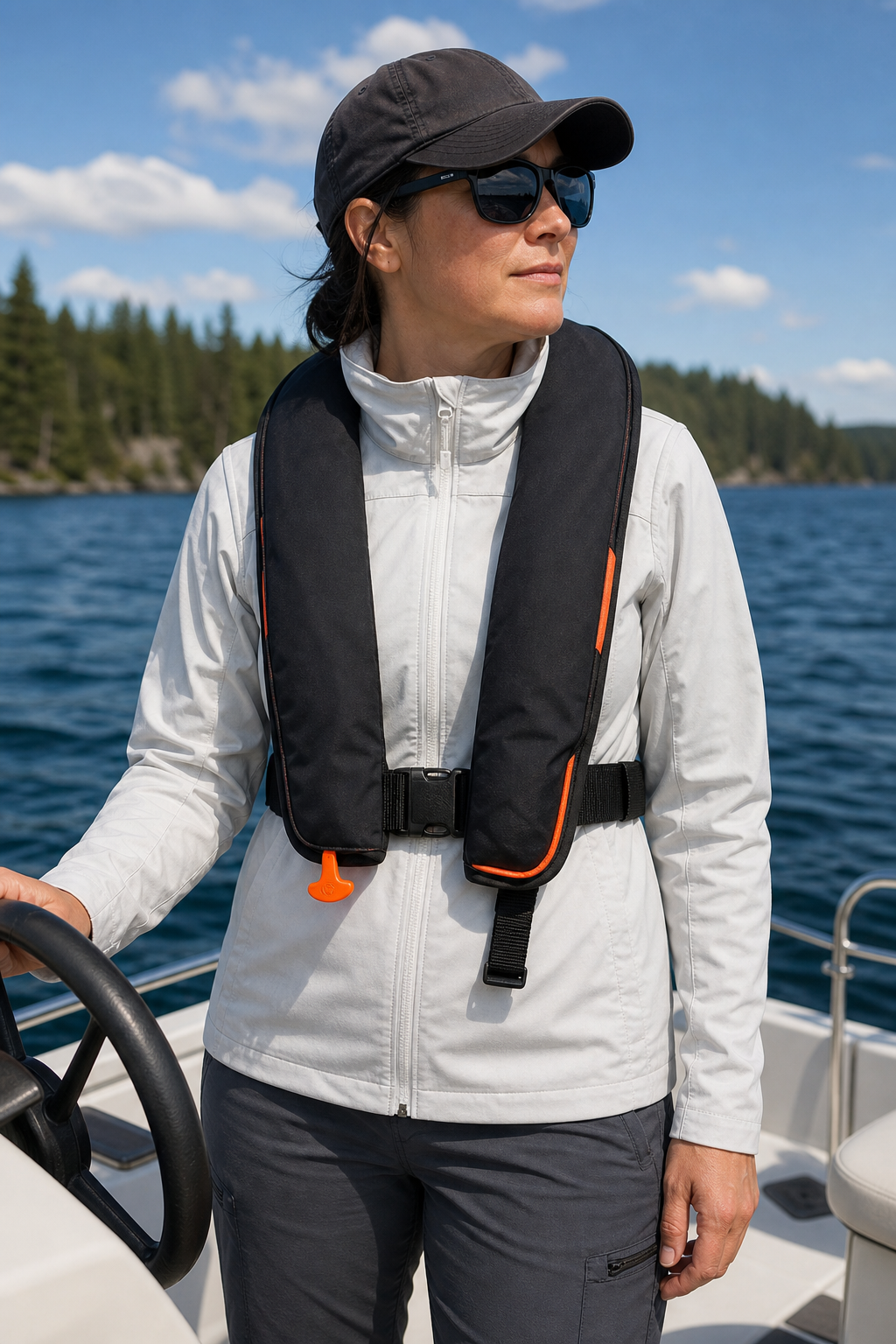
Mustang Survival makes some of the best life jackets (PFDs) on the market. Their inflatable vests are lightweight and comfortable, so you'll actually wear one. Many models automatically inflate when they hit the water, giving you flotation without slowing you down. They meet U.S. Coast Guard standards and are trusted by professional mariners.
These are best for boaters who want high-quality, durable PFDs that don't restrict movement. If you're on the water a lot , fishing, water skiing, or just cruising , a good life jacket is non-negotiable. Mustang Survival's products are tested rigorously, and they come with a clear inflation system that's easy to maintain.
The downside: they're more expensive than basic foam vests. But when your life depends on it, paying a bit more is worth it. Also, inflatable PFDs require regular inspection and cartridge replacement. Check the manufacturer's guidelines for care.
4. Sea Tow , On-Water Safety Assistance App
Sea Tow is a membership-based service that provides on-water assistance, but their app is also a great safety tool even without a subscription. The Sea Tow app lets you request a tow, get fuel delivery, or ask for help with a mechanical issue. It also has a "float plan" feature where you can share your trip details with friends or family, so someone knows where you are.
This is best for boaters who want an extra safety net while cruising. If your engine dies miles from shore, pressing a button in the app can connect you to a network of over 1000 captains across the U.S. and Bahamas. The app also shows the nearest Sea Tow marinas and fuel docks.
The catch: the most useful features require a membership (around $150, 300 per year depending on your vessel size). But even the free version gives you access to the float plan and a basic help request. For frequent boaters, the membership pays for itself after one tow.
5. West Marine , Complete Boat Safety Kit
West Marine sells a pre-assembled boat safety equipment bundle that includes everything you need to meet U.S. Coast Guard requirements. The kit typically includes life jackets, throwable flotation devices, fire extinguishers, flares, a first aid kit, and a sound-producing device like a horn or whistle. It's a one-stop shop for getting compliant.
This is best for new boat owners who don't want to piece together safety gear piece by piece. The bundle is designed based on federal regulations, so you can be confident you're not missing anything. West Marine also has excellent customer service and a generous return policy.
Keep in mind that state requirements may differ from federal ones. For example, Texas requires additional equipment like a signaling device for vessels over 16 feet. Always check your state's regulations using resources like the Texas Parks and Wildlife boating safety equipment page. The bundle is a great start, but you may need to supplement it.
6. US Coast Guard , Boating Safety Checklist
The U.S. Coast Guard's Boating Safety Division provides a complete checklist of federal requirements for recreational boats. You can download the Boaters Guide to Federal Requirements (PDF) directly from their site. It covers everything from life jackets and fire extinguishers to navigation lights and sound signals.
This resource is best for boaters who want to ensure full legal compliance. It's the official source, so you know it's accurate. The guide also includes information about vessel safety checks, which are free inspections you can request to make sure your boat is safe. The Coast Guard also has a mobile app (USCG Boating Safety) that provides an equipment checklist, weather reports, and an emergency assistance button that calls the nearest Coast Guard command center.
The only downside: the PDF can be dense and technical. But if you take the time to read through it, you'll have a solid understanding of what you need. Pair it with the USCG Boating Safety mobile app for easy access on the water.
FAQ
What are the most important boating safety tips?
The most important boating safety tips are: always wear a life jacket, take a boating safety course, carry required safety equipment, check weather before heading out, and file a float plan with someone on land. These basics prevent most accidents.
Do I need a boating safety certificate?
It depends on your state. Many states require a boating safety education certificate, especially for operators under a certain age. The BoatUS Foundation offers a free NASBLA-approved course that fulfills the requirement in 37 states.
What safety equipment is required on a boat?
Federal law requires life jackets (one per person), a throwable flotation device, fire extinguisher, sound-producing device (horn/whistle), visual distress signals (flares), and navigation lights if operating at night. Some states have additional requirements.
How can I get free boating safety education?
The BoatUS Foundation offers a free online boating safety course that is NASBLA-approved and accepted in many states. You can take the course at your own pace and earn a printable certificate.
Conclusion
Staying safe on the water starts with the right knowledge and gear. Start with a free course from BoatUS, equip your boat with a proper safety kit from West Marine, and understand your legal responsibilities with resources like maritimeattorney.ai. One simple next step: check your state's boating education requirements today. And if you haven't already, : Causes, Legal Steps & Safety to learn what to do if something goes wrong.