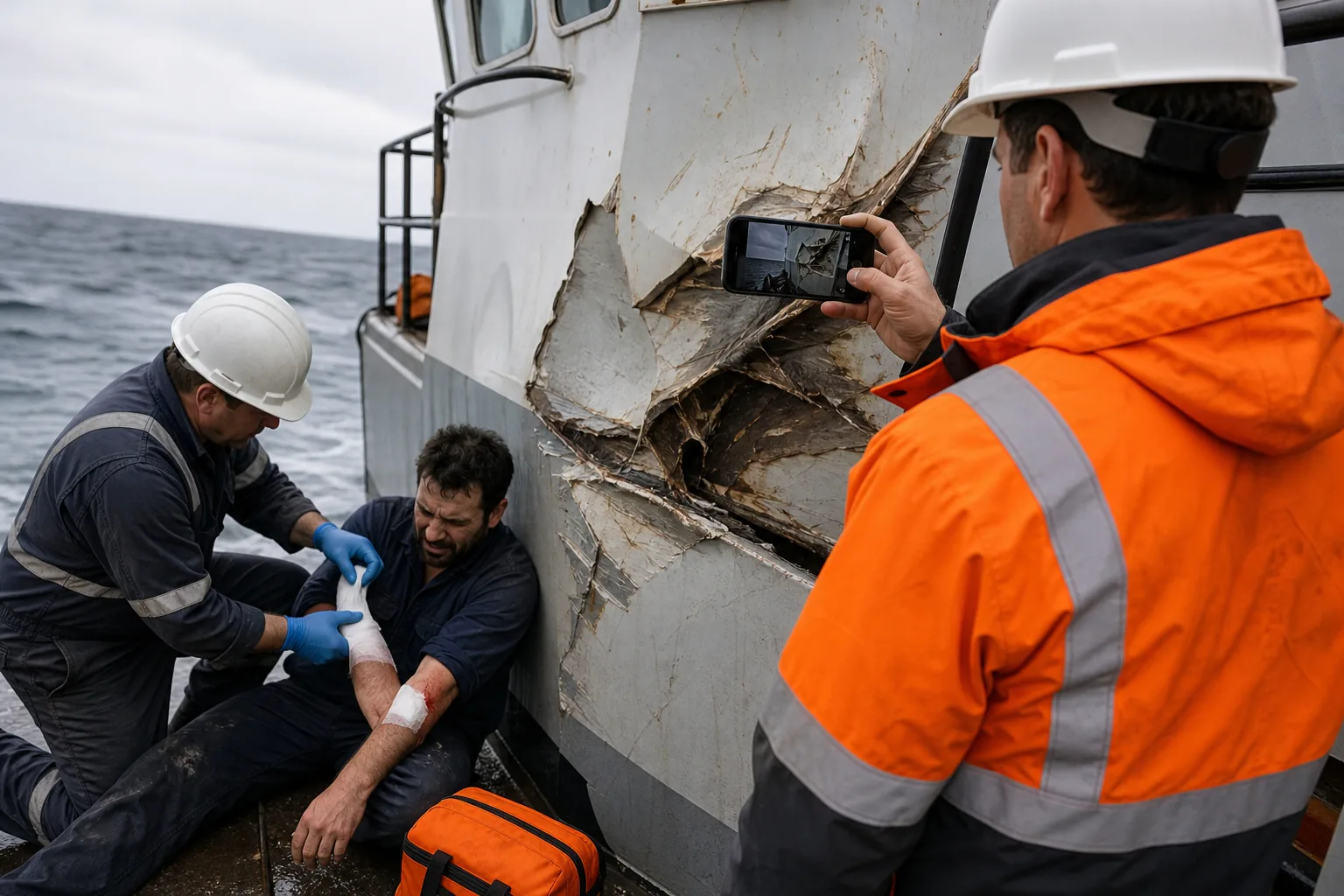
Boating Accident Guide: Causes, Legal Steps & Safety
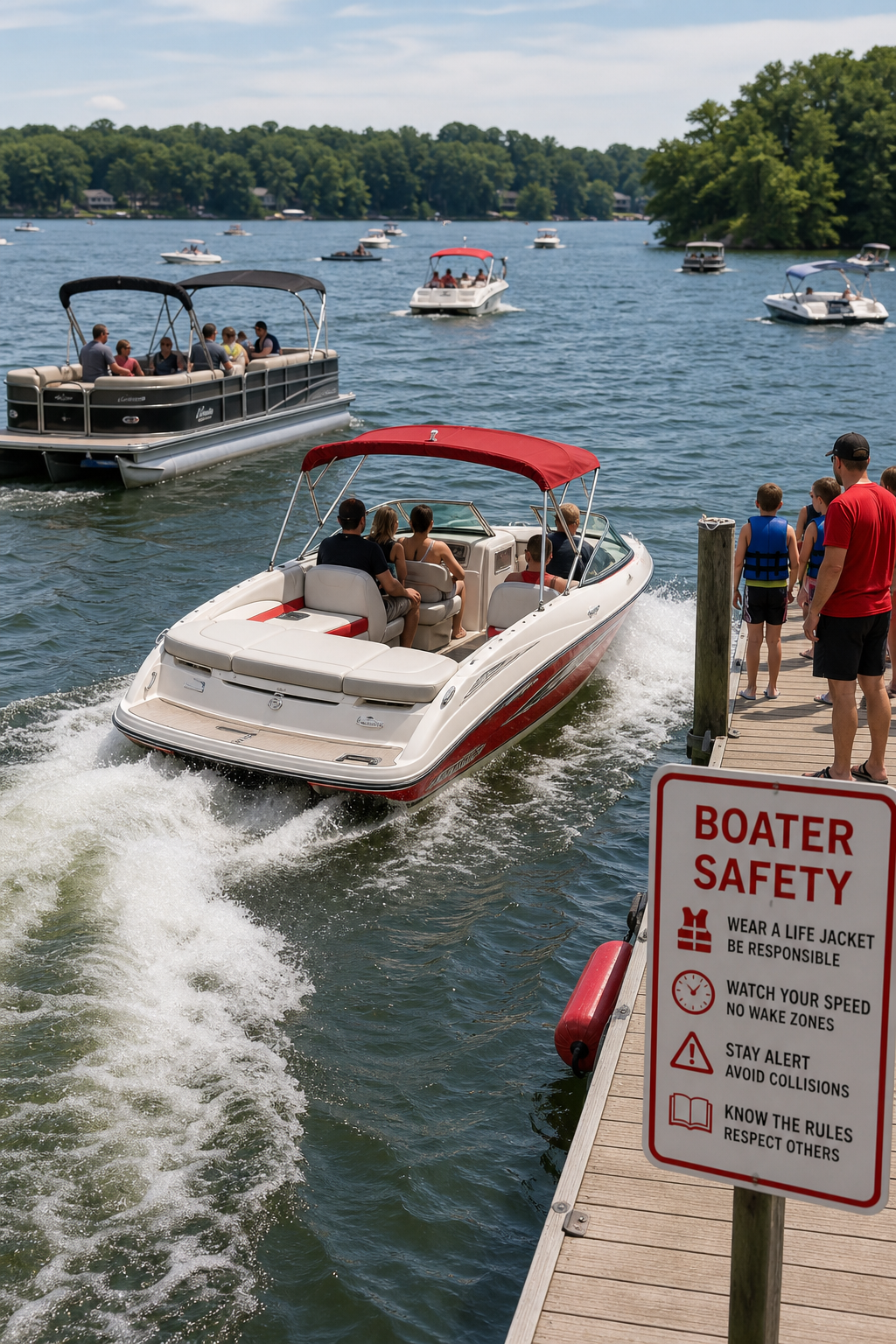
Every year dozens of people get hurt on the water. One slip, one bad decision, and a day of fun can turn into a nightmare. This guide walks you through why accidents happen, what to do the moment they occur, and how to stay safe next time you launch.
We’ll break down the most common causes, the exact steps you need to follow right after a crash, the legal and insurance maze, and proven safety habits. By the end you’ll feel ready to handle a boating accident with confidence.
Common Causes of Boating Accidents
Operator error tops the list. Most crashes start when the driver makes a bad call , too fast, wrong turn, or misreading another boat’s path. The U.S. Coast Guard’s recent statistics show that human error accounts for roughly 80% of all incidents. USCG accident report
Speed is a silent killer. Water moves faster than you think, and a small increase in knots can double stopping distance. When you push the throttle, you also reduce reaction time. Imagine you’re crossing a channel at 15 knots; a sudden gust can push you off course before you can react.
Alcohol and drugs amplify every other risk. The Coast Guard notes that about a third of fatal boating crashes involve alcohol. Even a single drink can blur vision, slow reflexes, and impair judgment far more on a boat than on a road because of vibration, wind, and sun glare.
Weather surprises catch many off guard. A sudden squall can create high waves, reduce visibility, and make steering tough. Always check the forecast before you leave, and keep an eye on changing clouds while you’re out.
Mechanical failure is another frequent factor. A dead engine, faulty steering, or broken throttle can leave you drifting into danger. Regular maintenance, especially before the season, can stop a small problem from becoming a big crash.
Inattention, like chatting on a phone or scrolling a map, steals the focus you need to spot other vessels. One distracted moment can mean a missed right‑of‑way rule and a collision.
Finally, crowded waterways increase the chance of a bump. When many boats share a narrow channel, tiny missteps multiply.
And here’s a real‑world glimpse: a family on a pontoon in Lake Michigan missed a speed‑limit sign, hit a dock, and the hull cracked. The investigation found they were going 12 knots in a 5‑knot zone , a clear case of speed and inattention.
Immediate Steps After a Boating Accident
First, make sure everyone is safe. If someone is in the water, throw a life ring or reach‑out rope and call for help. Call 911 or hail the Coast Guard on Channel 16 right away. Time matters.
Second, secure the scene. If your boat is still afloat, turn off the engine to prevent a drift. If you can, move the vessel away from traffic to avoid another hit.
Third, render basic first aid. Apply pressure to bleeding wounds, keep the injured warm, and avoid moving anyone with a suspected neck injury.
Fourth, document everything. Take clear photos of the damage, the water conditions, and any visible injuries. Write down the exact time, location (latitude/longitude if you have a GPS), weather, and what each person was doing.
Fifth, exchange information. Get names, phone numbers, insurance details, and boat registration numbers from every party involved. Also note the make and model of each vessel.
Sixth, file a formal report. Most states require a written report if there’s injury, death, or over $2,000 in damage. The U.S. Coast Guard’s form CG‑3865 is accepted nationwide, but check your state’s agency for extra pages.Progressive reporting guide
Seventh, notify your insurer. Even if you think you’re not at fault, a claim can protect you from unexpected costs.
And remember to stay calm. Panic can lead to missed steps.
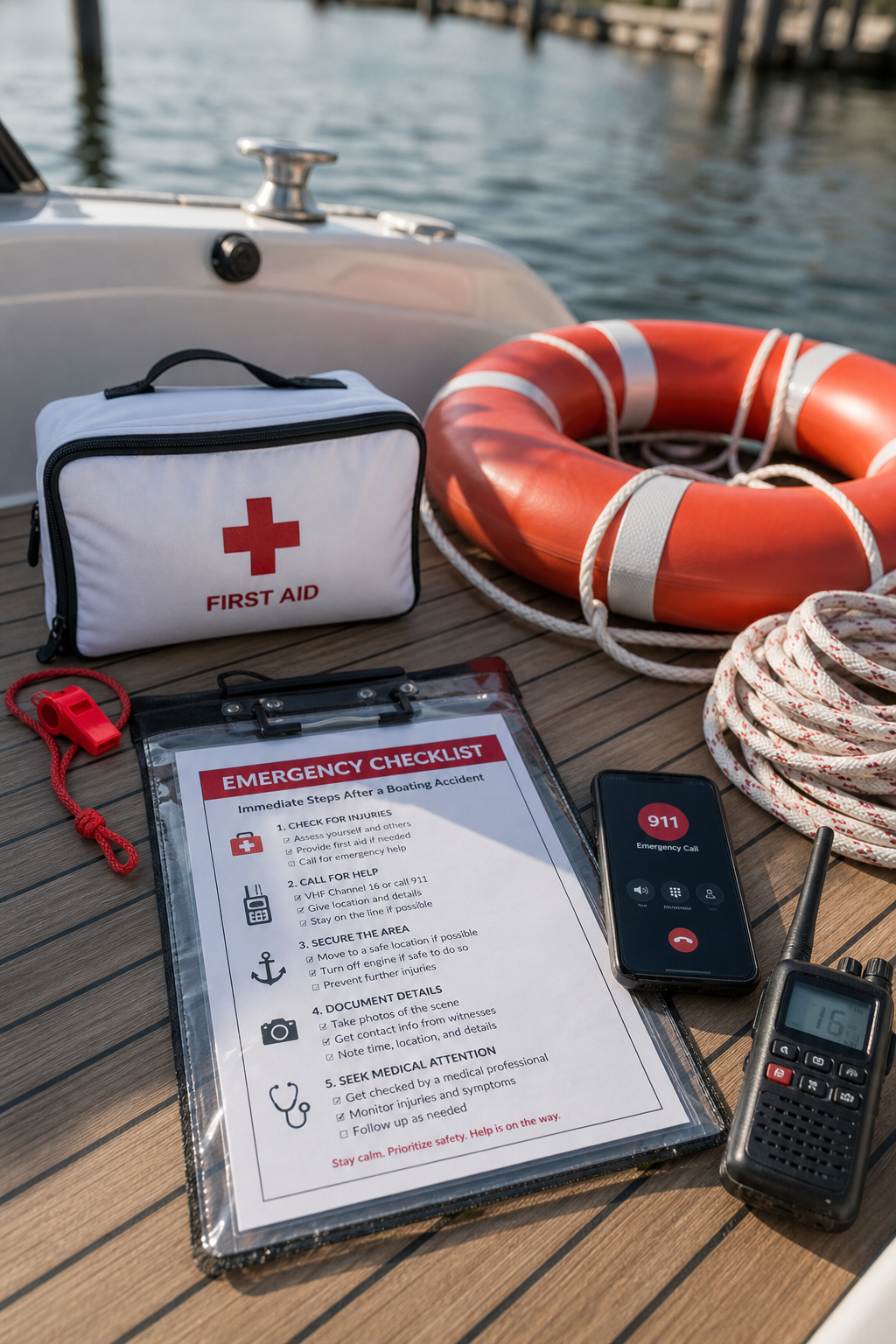
After you’ve done the basics, you can start thinking about legal next steps. That’s where a seasoned attorney can help you protect your rights.
Legal and Insurance Considerations
When a crash leads to injury or big damage, the law kicks in. The first question is who was negligent. Negligence means the operator failed to act with reasonable care , like speeding in a low‑speed zone or drinking while at the helm.
In many states, including Arizona, the law follows a comparative‑fault rule. Even if you’re partly to blame, you can still recover money, though your award will shrink by your percentage of fault.
The statute of limitations is a hard deadline. In Arizona you have two years from the accident date to file a lawsuit. Missing that window usually means you lose the right to sue.
Insurance plays a big role. Most boat owners carry liability coverage, which pays for the other party’s medical bills and property loss if you’re at fault. Some also have complete or collision policies that cover your own boat’s repairs.
When you talk to your insurer, be clear and factual. Provide the photos, the written report, and any witness statements you gathered. Don’t admit fault on the phone , let your attorney handle that.
Here’s a quick decision‑making table to guide you:
And don’t forget medical documentation. Even minor bruises can develop complications. Keep every doctor's note, prescription, and bill. Those records become the backbone of your claim.
Finally, know that some states require you to report the accident to a local marine patrol within 24 hours. Check your state’s regulations to avoid fines.
Boating Safety Tips for Prevention
Prevention starts long before you push off. First, wear a properly fitted life jacket. The Coast Guard says the right jacket can mean the difference between life and death.
Second, complete a boater safety course. In Florida, over two‑thirds of deaths happen on boats whose operators never took a class. A short online module can teach you right‑of‑way rules, navigation basics, and emergency procedures.
Third, check the weather. Use a reliable source like the National Weather Service, and look for wind gusts, lightning, or sudden temperature drops.
Fourth, do a pre‑trip inspection. Test the engine, verify steering controls, and ensure all safety equipment , fire extinguishers, flares, whistle , is on board and in good condition.
Fifth, keep speed in check. Many waterways have posted limits; obey them. If you’re unsure, stay below 5 knots in congested areas.
Sixth, avoid alcohol while operating. If you want to drink, plan to have a sober driver or anchor and enjoy drinks onshore. The USCG’s BUI page explains why alcohol is extra dangerous on water. USCG BUI information
Seventh, educate passengers. Let everyone know the plan, the location of safety gear, and the signal to use if they fall overboard.
Finally, consider technology. A simple AIS (Automatic Identification System) receiver can alert you to nearby vessels you might not see.
"A boat is a vehicle. Treat it with the same respect you would give a car on the road."
By turning these habits into a checklist, you lower the odds of an accident and boost confidence on the water.
Frequently Asked Questions
What should I do if someone is unconscious after a boating accident?
Check the airway first. If the person is not breathing, start rescue breaths and chest compressions right away. Keep them warm with a blanket and call emergency services immediately. While you wait, have another crew member fetch a first‑aid kit and any lifesaving equipment. Do not move the person unless they are in immediate danger of further injury.
Do I need to report every minor boat collision?
Federal law only requires a report if there’s injury, death, or property damage over $2,000. Many states have lower thresholds, so check your local boating agency. Even if you’re not required to file, it’s smart to document the incident for insurance purposes.
How long do I have to file an insurance claim?
Most policies ask you to report a claim within 30 days of the incident. Some insurers give you up to 90 days, but the sooner you file, the easier it is to prove the loss. Gather photos, the written report, and any medical bills before you call your adjuster.
Can I still recover damages if I was partially at fault?
Yes, most states follow comparative negligence. If you’re 25% at fault, you can still get 75% of the total damages awarded. Your attorney will help you argue the percentages and protect the portion you’re entitled to.
What kind of evidence helps prove negligence?
Photos of the scene, dash‑cam video, witness statements, and the official accident report are all strong evidence. Keep a copy of the boat’s logbook if you have one, as it can show speed and course data.
Is there a deadline to sue for a boating accident?
Yes. In most states the statute of limitations is two years from the accident date. Some states have shorter periods for certain claims, like personal injury, so it’s wise to talk to a lawyer as soon as possible.
Do I need special insurance for a personal watercraft?
Many insurers treat jet skis and similar craft the same as other recreational vessels, but you should verify that liability coverage applies. If you rent the watercraft, the rental company may require you to carry additional coverage.
How can I tell if my boat’s steering is failing before I hit the water?
Run a simple test: with the engine off, turn the wheel or tiller from lock to lock and feel for resistance. Any grinding, looseness, or delayed response suggests a problem that should be fixed before you launch.
Boating should be fun, not frightening. By understanding why accidents happen, acting quickly when they do, and following proven safety habits, you can protect yourself, your passengers, and your wallet. If you need more detail on the legal side, our Boating Accident Lawsuit: Essential Guide walks you through the whole process step by step. For additional safety resources, check out the U.S. Coast Guard’s official boating page.